- All Foundries

- 商品管理と取引

- 顧客とマーケティング戦略

- デジタルエンジニアリング

- ステーション・スタジオ

- サプライチェーン&インダストリー5.0
- サステナビリティ

- Physical AI

- Next-Gen Infrastructure



The floor that now has to think
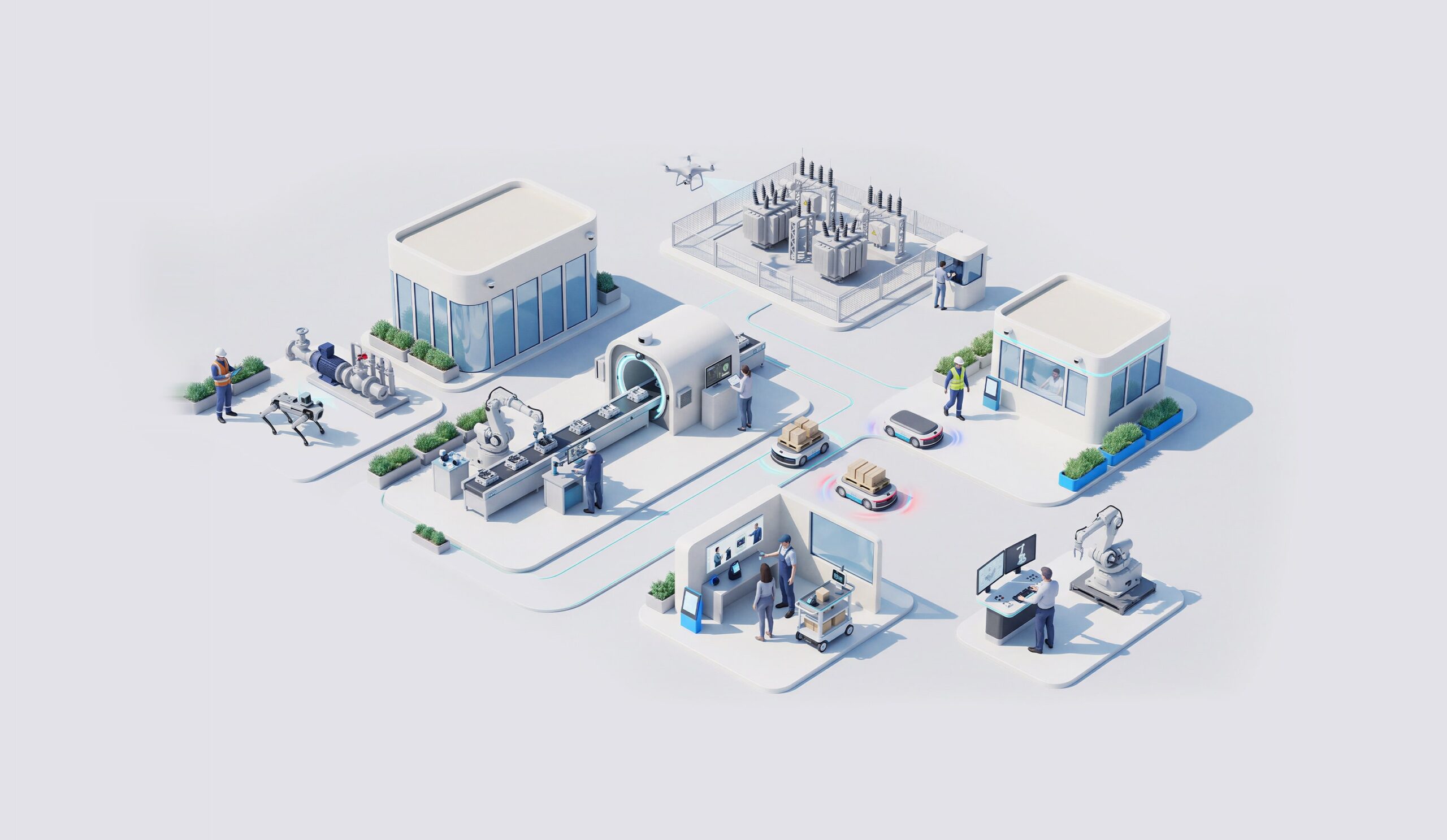
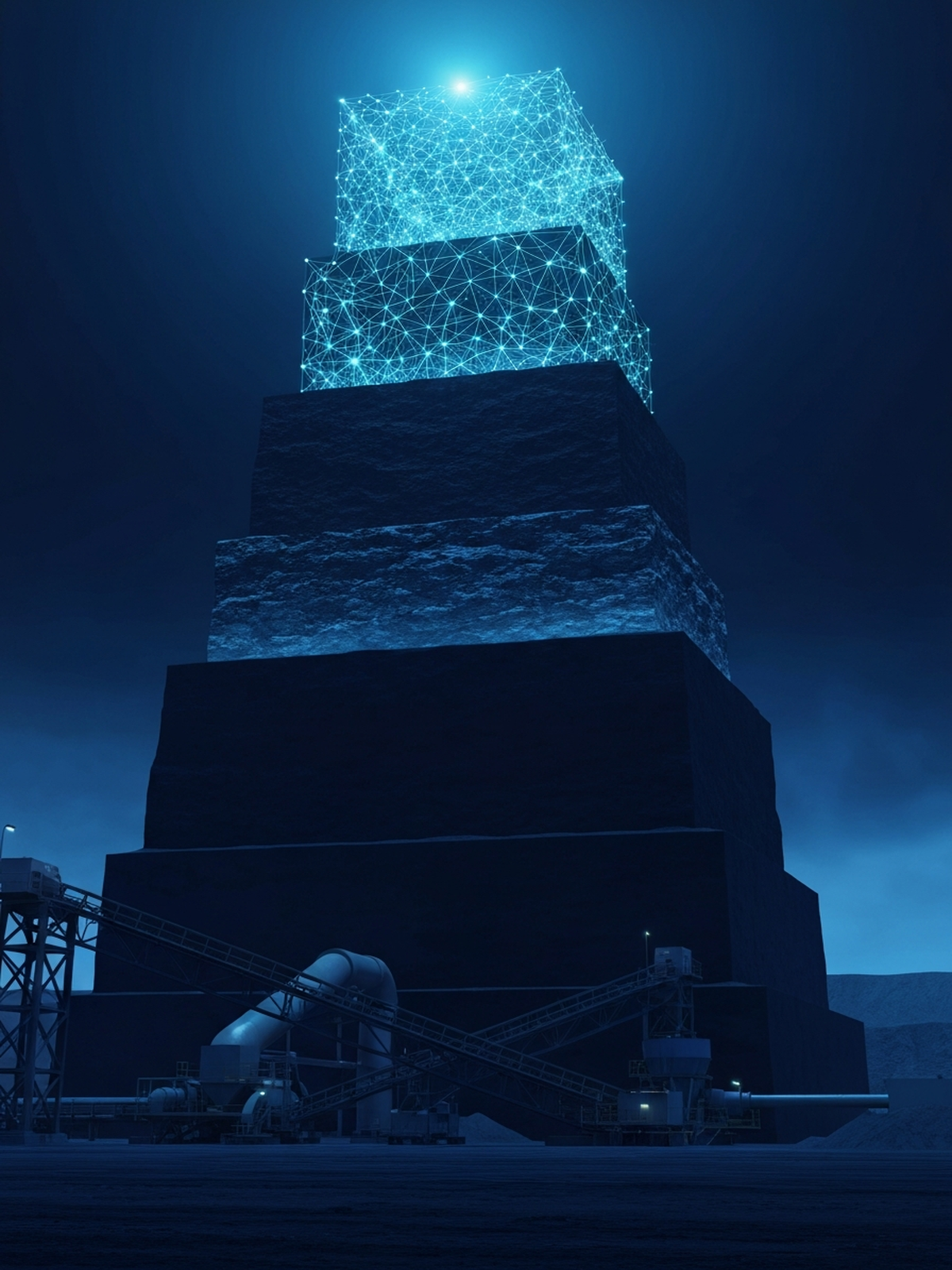
Seven of ten mining executives in Latin America acknowledge that their AI and autonomy projects only partially achieved the value objectives they were approved against — and the cause is almost never the model. It is the floor the model was asked to run on. For thirty years, OT held the mine together: silent, reliable, invisible to the CFO. Now the business wants that floor to be intelligent, and the people who built it are arriving second to the conversation, after the architecture has been drawn. This deep dive presents PISO — Platform for Intelligence on Operational Systems, NTT DATA’s four-layer framework for mining — and the three tensions no AI vendor resolves on the operation’s behalf: fragmentation, velocity, and identity. The argument is structural: arrive with the framework, or the framework arrives without you

The four codependent conditions an operation must have coherently active before AI captures sustainable value — data integrity, governance and mandate, sovereign connectivity, learning loop
— each with a vendor-evaluation hook you can use on Monday
Why the dominant barriers are organizational, not technical — the executives themselves rank resistance to change (27.5%) and talent (14.5%) far ahead of technological reliability (11.6%) — and why convergence alone does not protect you
The honest five-year cost of the intelligent floor (silicon + sustaining engineering + second source), the one question that sorts every integrator meeting, and a five-verification pass/fail test you can run on your own operation this week
O T managers, OT systems architects, CTOs and VPs of Operations in LATAM mining evaluating AI proposals where the operational floor of the mine is the substrate