- All Foundries

- 商品管理と取引

- 顧客とマーケティング戦略

- デジタルエンジニアリング

- ステーション・スタジオ

- サプライチェーン&インダストリー5.0
- サステナビリティ

- Physical AI

- Next-Gen Infrastructure


Next Gen Dealerships
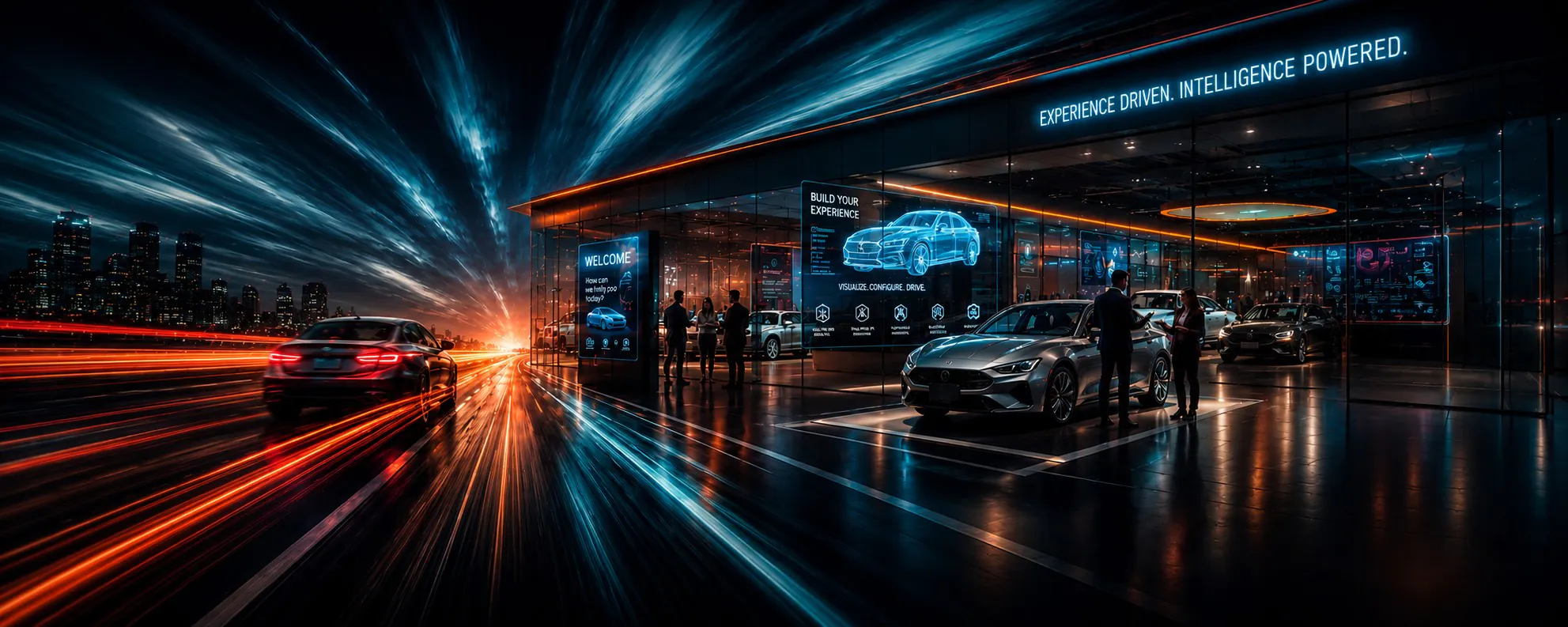
The automotive retail landscape is evolving beyond traditional showrooms. Dealerships are no longer just points of sale—they are becoming strategic environments where customer experience, data, and operational intelligence converge.
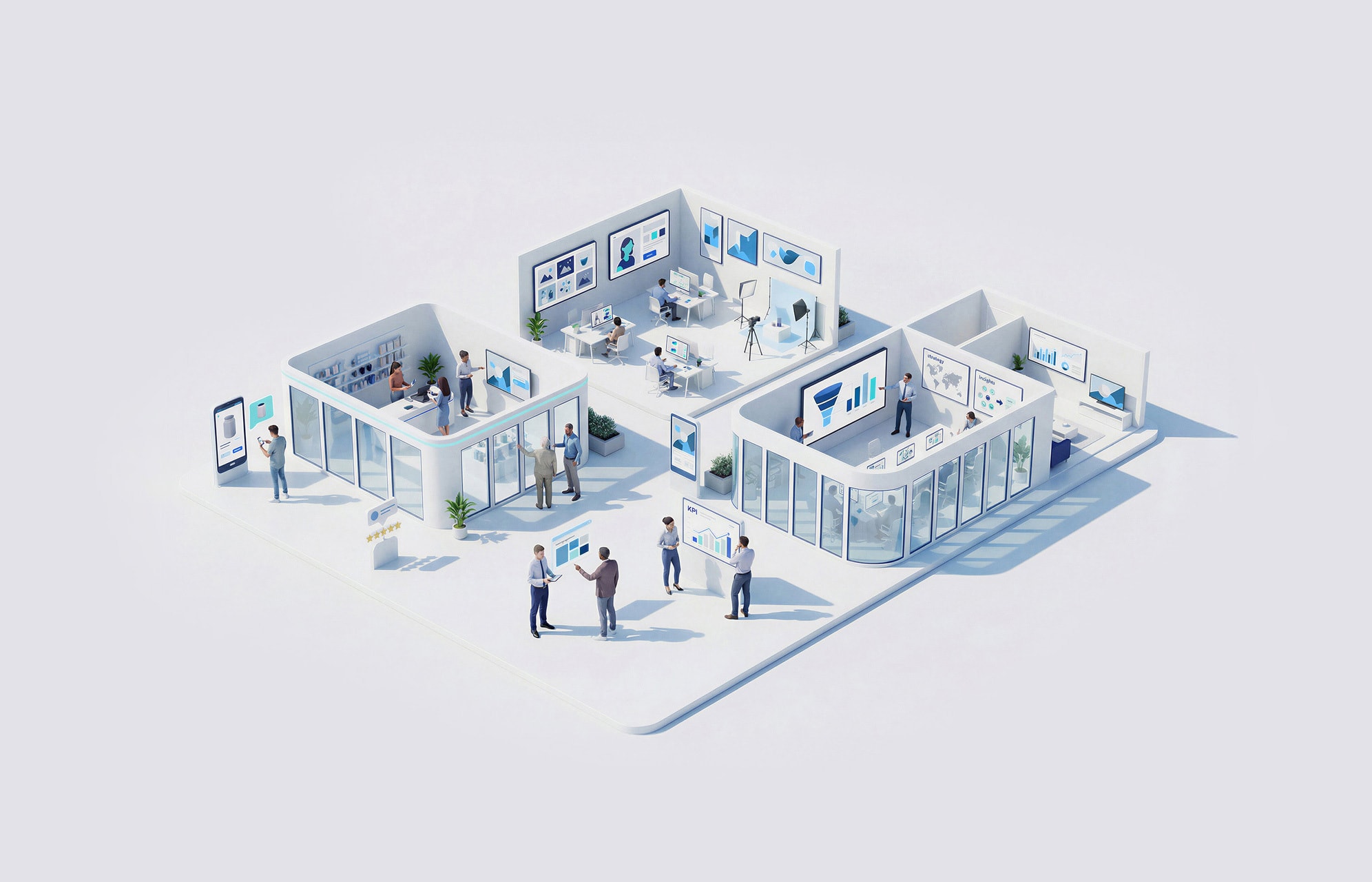
The “Phygital Dealership” model redefines this role by combining immersive digital experiences with physical interaction. Through technologies such as spatial computing, augmented reality, and real-time analytics, dealerships transform into data-driven hubs capable of understanding and responding to customer behavior with precision.
This approach enables more than engagement—it drives measurable business outcomes. By integrating 3D journeys, live customer insights, and connected operations, organizations can increase conversion rates, improve revenue per customer, and continuously optimize performance.
At the same time, full visibility into customer interactions allows sales teams to move from reactive selling to informed, personalized engagement. The dealership becomes a scalable engine for growth—where every interaction is an opportunity to learn, adapt, and improve.
This transformation is powered by a combination of capabilities: client recognition systems, interactive interfaces, digital signage, spatial analytics, and real-time monitoring. Together, they create a seamless environment where physical and digital experiences reinforce each other.
The spatial computing journey further shows how the experience unfolds—from initial engagement to guided exploration and assisted decision-making—ensuring that customers receive contextual, personalized information at every step of their journey.
Ultimately, the next generation dealership is not defined by infrastructure, but by intelligence. It is a continuously evolving platform—designed to deliver superior customer experiences while sustaining long-term competitive advantage.
NTT DATA Insights