AGV Simulation and Path Optimization

An AGV fleet runs smoothly until a pallet blocks an aisle or a new mission arrives mid-route. NTT DATA built a digital twin in NVIDIA Isaac Sim where LiDAR and cameras detect obstacles, NVIDIA cuOpt recalculates paths without the blocked segments, and a simulated MES/WMS creates and assigns missions with no manual scheduling.
Route planning: Real time
CuOpt recalculates optimized paths each time sensors report a blocked segment.
Dispatching: Automated
Missions come from a simulated MES/WMS and go straight to the vehicles.
Obstacle detection: LiDAR and cameras
Sensors update route availability while AGVs move.
Fleet view: KPI dashboard
Live routes, status, wear, power consumption and completed missions per vehicle.
AGV Simulation and Path Optimization

GV fleets ready for a floor in constant change
目的
Coordinate AGVs in a dynamic layout so they handle obstacles, route disruptions and new missions safely, with full visibility of the system.
機会
A digital twin gives teams a place to test routing and dispatching logic before anything changes on the real floor. Connected to MES/WMS missions, the optimization works inside daily operations instead of a separate pilot.
Layouts change faster than plans

Industrial sites rely more each year on AGVs for flexible material handling, while their layouts keep shifting. Every obstacle or new order forces a reroute, and manual scheduling falls behind.

主な課題
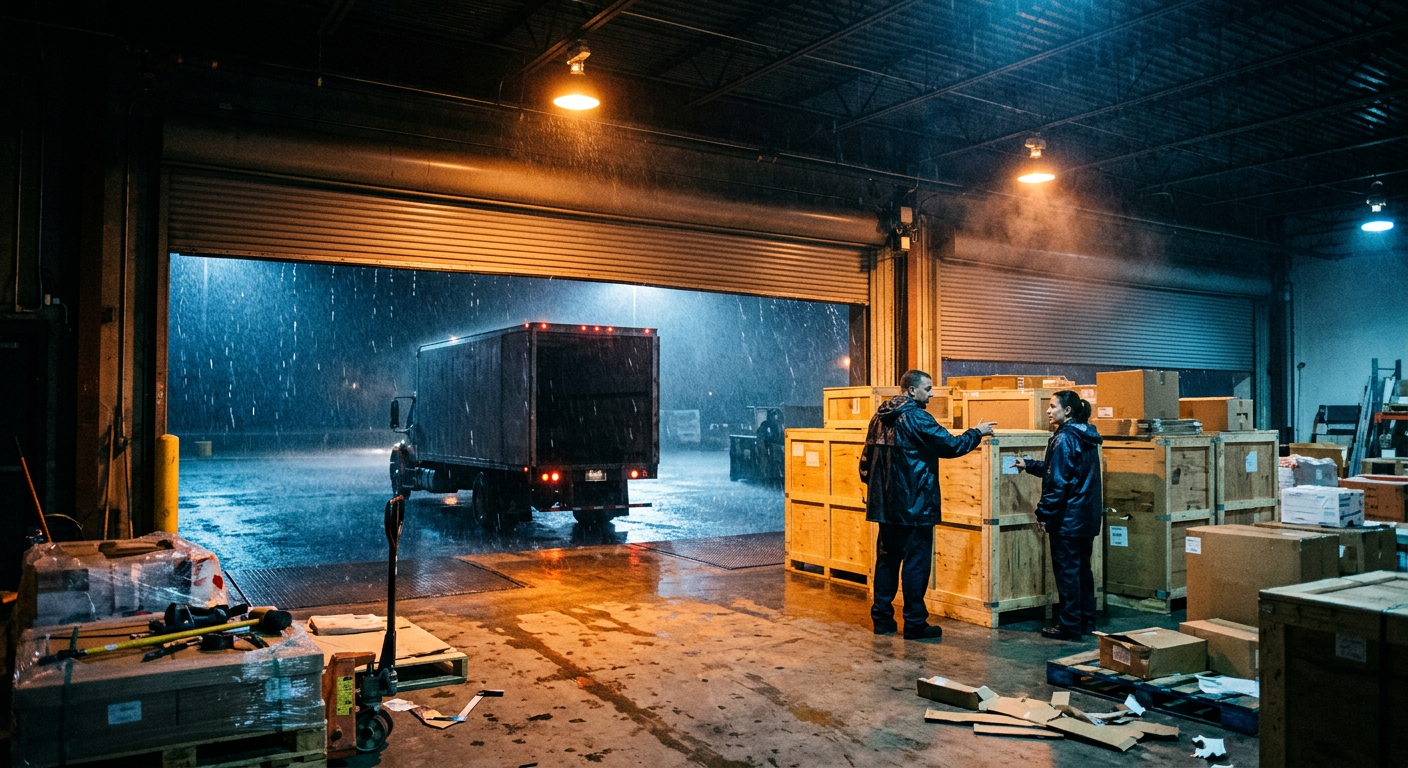
1: Obstacles and disruptions. Blocked aisles and route changes interrupt planned paths.
2: Shifting mission demand. New orders arrive while vehicles are already on the move.
3: Manual scheduling. Planners assign and sequence missions by hand, and the fleet waits for them.
4: Limited fleet view. Teams had no live picture of routes, status and performance.
解決策
Sensing, optimization and dispatching in one digital twin

NTT DATA integrated real-time sensing, dynamic optimization and automated dispatching within NVIDIA Isaac Sim. The architecture also uses NVIDIA Omniverse, USD, AnyLogic and MQTT.

チェックアイコン
Sensor-based obstacle detection

LiDAR and camera sensors detect obstacles and mark which route segments stay open.

チェックアイコン
Path recalculation with cuOpt

NVIDIA cuOpt recalculates optimized paths and excludes the blocked segments.

チェックアイコン
utomated mission dispatching

A simulated MES/WMS generates missions and assigns each one to a vehicle.

チェックアイコン
Live routes and KPIs

Planned and optimized routes appear in real time, next to a basic KPI dashboard for each AGV.

影響
A fleet able to react on its own

The scalable digital-twin architecture optimizes and coordinates AGVs in real time. Dynamic routing and automated dispatching cut delays and manual planning. Vehicles react to obstacles as soon as sensors detect them, and optimized routes reduce movements, energy use and resource waste. Every decision runs on the site’s own mission data and business rules.
ドラッグ