CBRM Asset Health, Criticality & Risk Management
Every maintenance and investment decision across an electricity network begins with the same question: which assets need attention first, and why? A transmission and distribution network operator established a condition-based risk management capability that brings asset condition, criticality and operational evidence into a formal model for maintenance, investment planning and regulatory reporting.
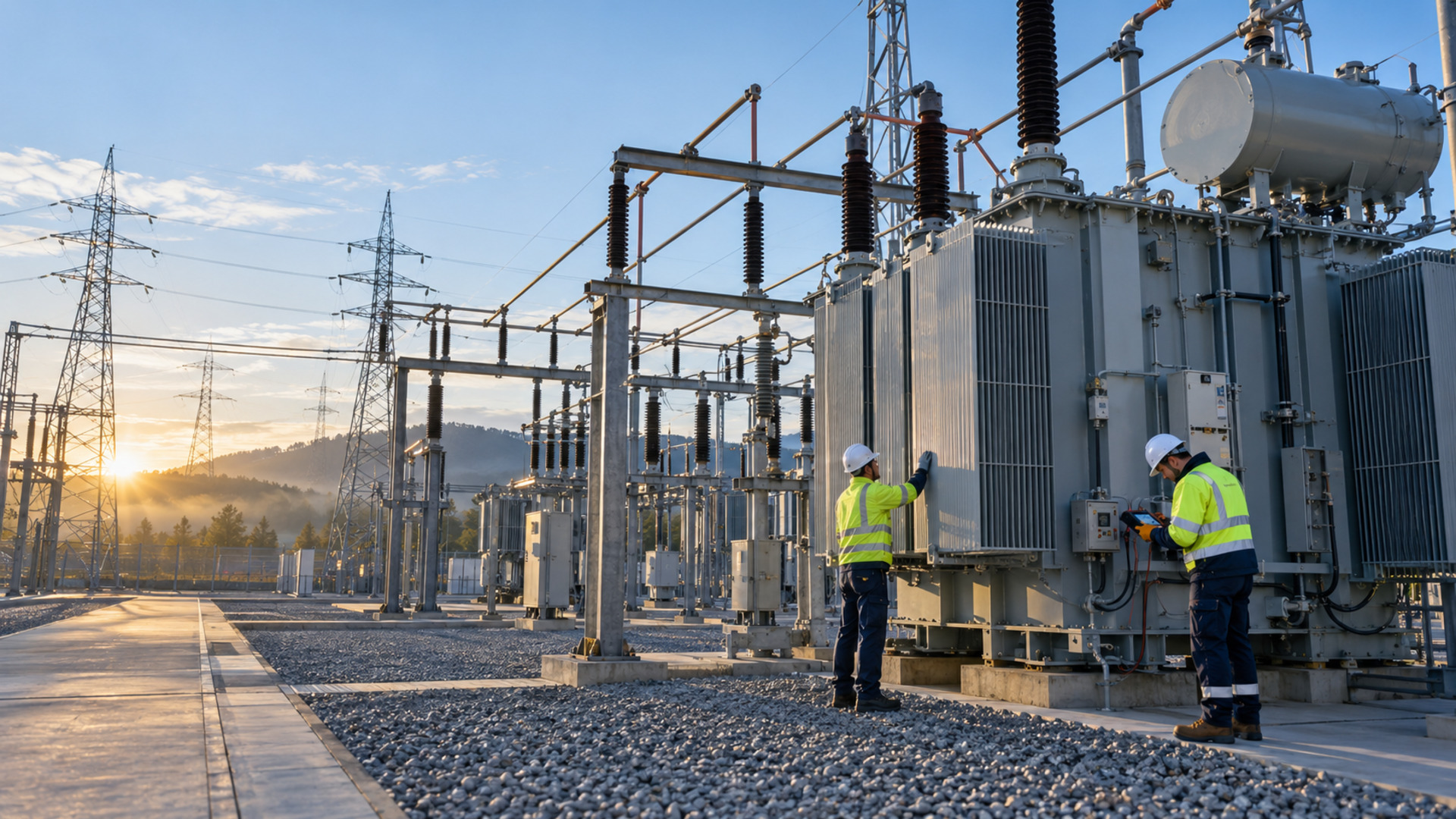
Two electricity network engineers inspect a high-voltage power transformer inside a transmission substation at sunrise.
Programme duration
22 months
Core project team
3 FTE
Risk-based asset view
Condition and criticality connected
意思決定支援
Planning and reporting linked
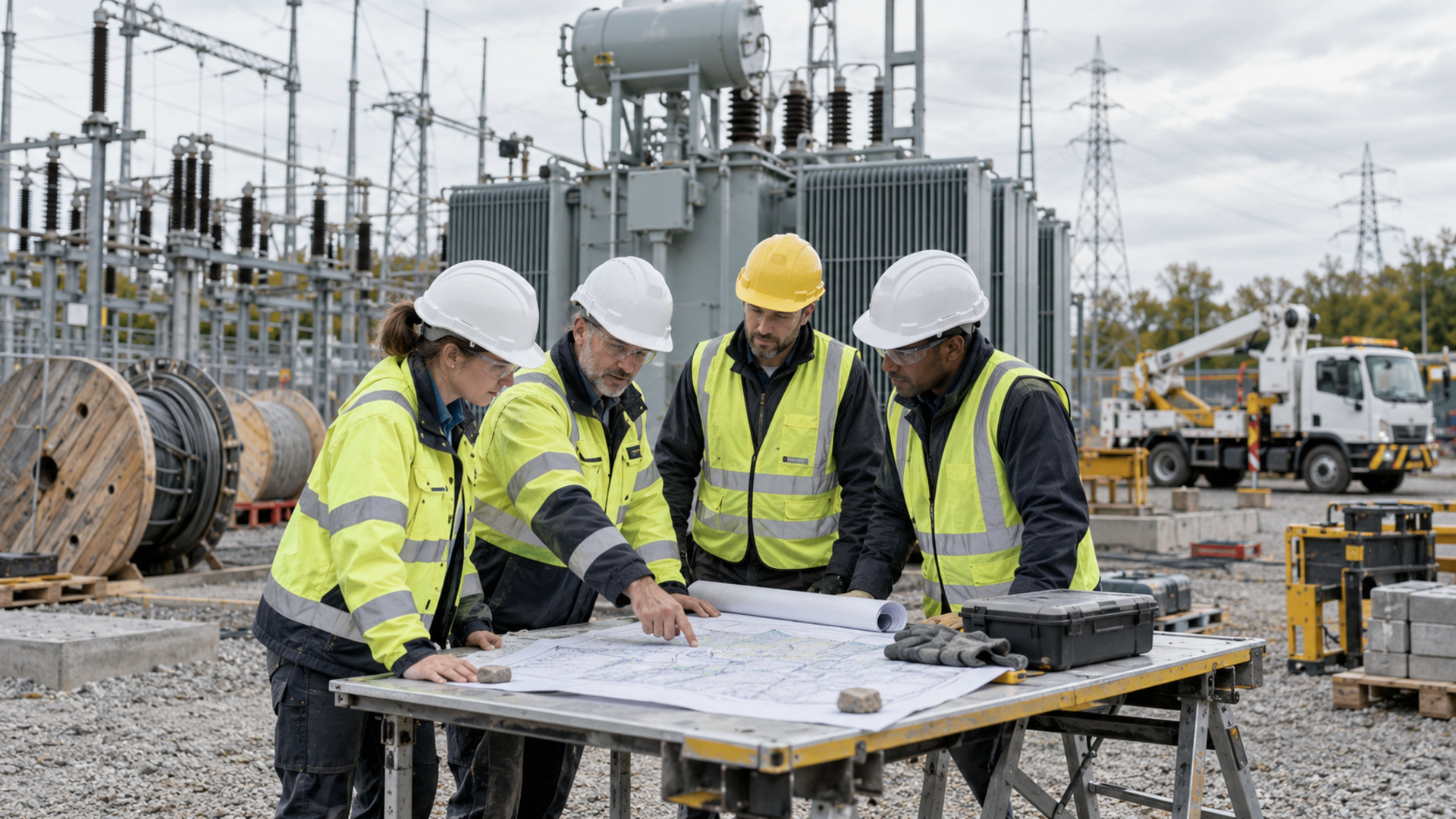
Utility engineers review a printed network plan beside transformer equipment and cable drums in an electricity substation maintenance area.
Connecting asset health, criticality and risk for better network decisions

One repeatable decision layer brings operational evidence into maintenance, investment and reporting.

For a transmission and distribution network operator, asset decisions depended on information held across different systems, formats and teams. The programme needed a consistent way to connect condition, defects, measurements and business criticality so that risk calculations and regulatory reporting could be trusted and reproduced.
OBJECTIVE
The initiative set out to implement a consistent, risk-based view of network assets. Its ambition was to move asset management and maintenance away from fragmented, reactive activity and toward a model informed by condition, criticality and evidence. By linking failure signals and work requirements to asset context, the operator aimed to direct scarce field and maintenance resources toward the interventions with the greatest operational relevance.
OPPORTUNITY
The documented approach creates an opportunity to scale risk-informed decision-making across electricity distribution and transmission portfolios. A broader application could reinforce how maintenance and replacement are prioritized, while giving asset-management, investment-planning and reporting teams a common basis for discussing asset health, criticality and risk. Further rollout should preserve the same traceability from source evidence to decision.
Turning distributed asset evidence into a decision that holds up

The challenge reached beyond technology. The capability had to fit the operator’s working environment, use available information consistently and produce outputs that operational, investment and reporting teams could reuse with confidence.
主な課題
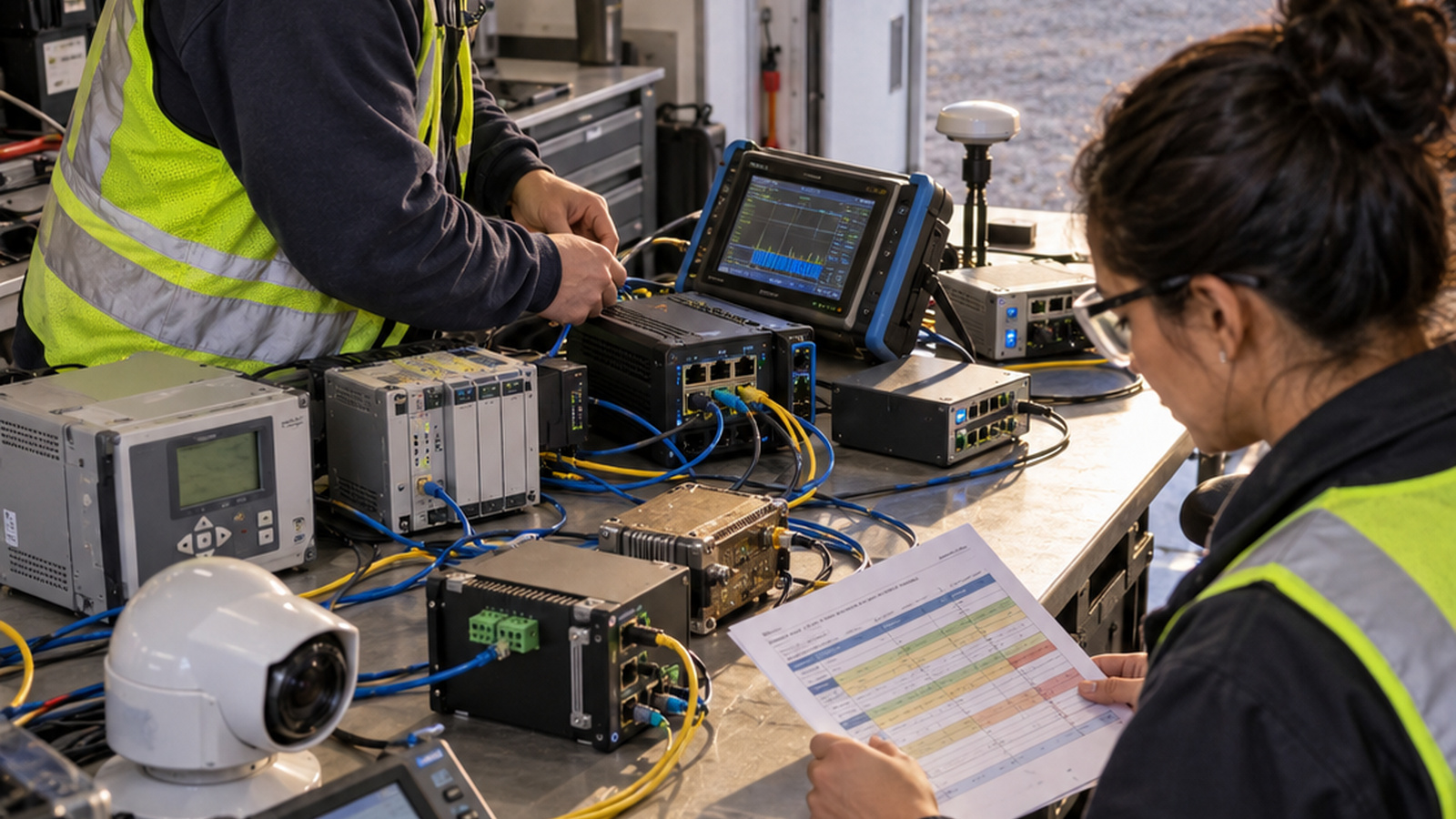
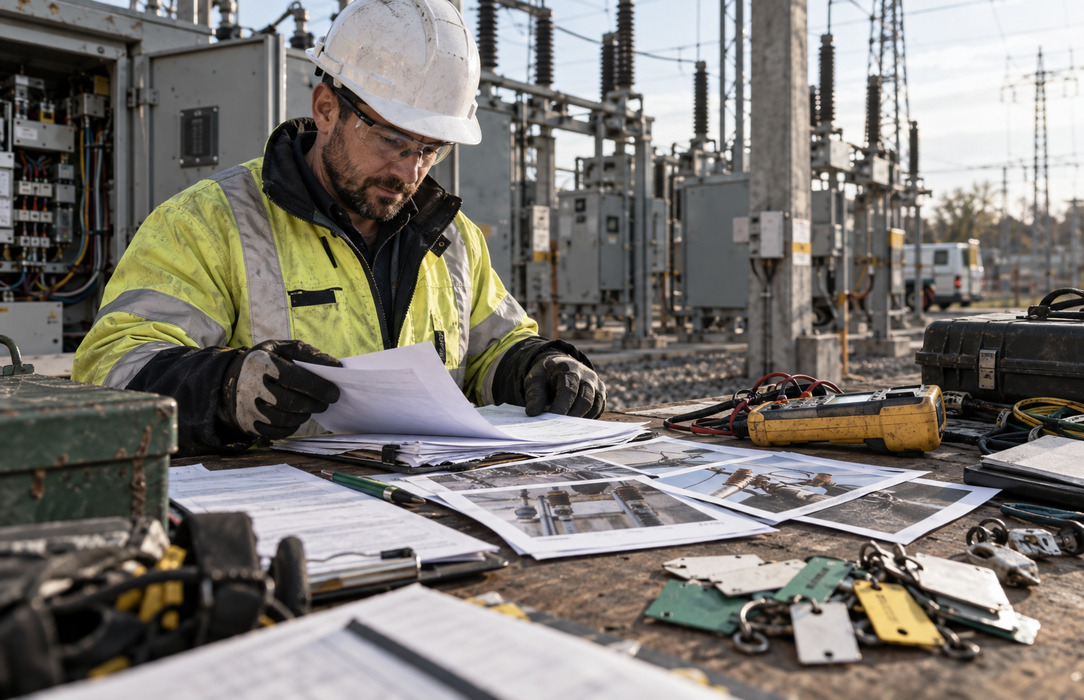
An electricity substation technician reviews paper inspection records, defect photographs, asset tags and electrical test equipment at a field workbench.
1: Fragmented operational evidence
Asset condition, defects, measurements, maintenance records and criticality information were distributed across systems, formats and organizational teams.
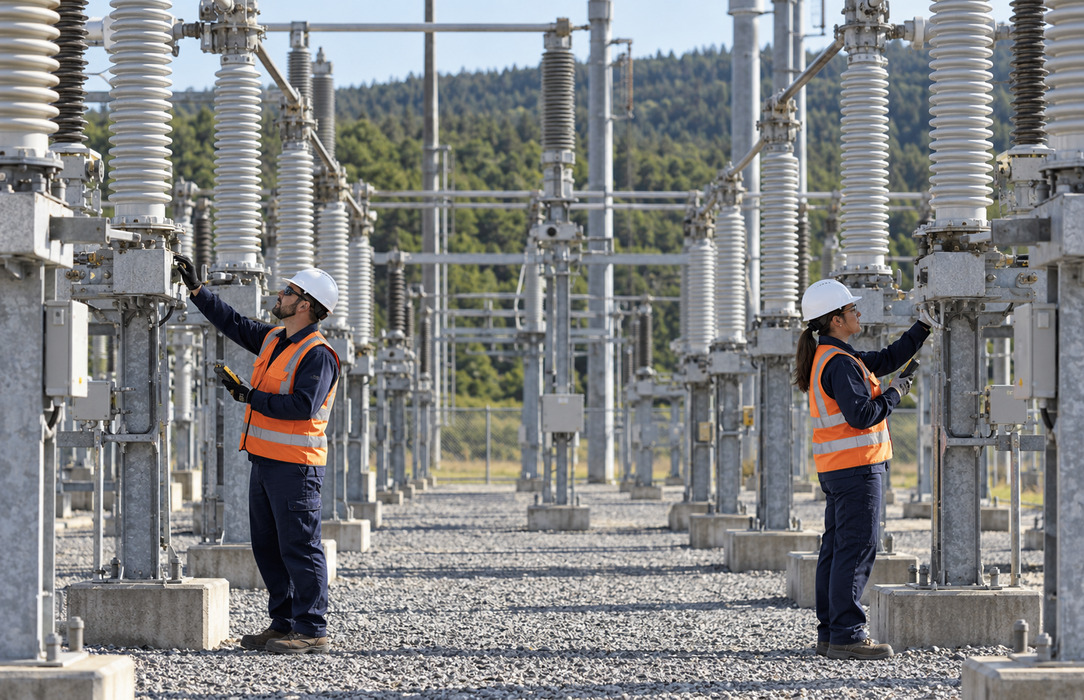
Two utility technicians apply the same inspection process to matching high-voltage switchyard equipment in an electricity substation.
2: Consistent risk calculation
The initiative required asset-health, criticality and risk calculations that used available inputs in a consistent way and could be reproduced for future decisions.
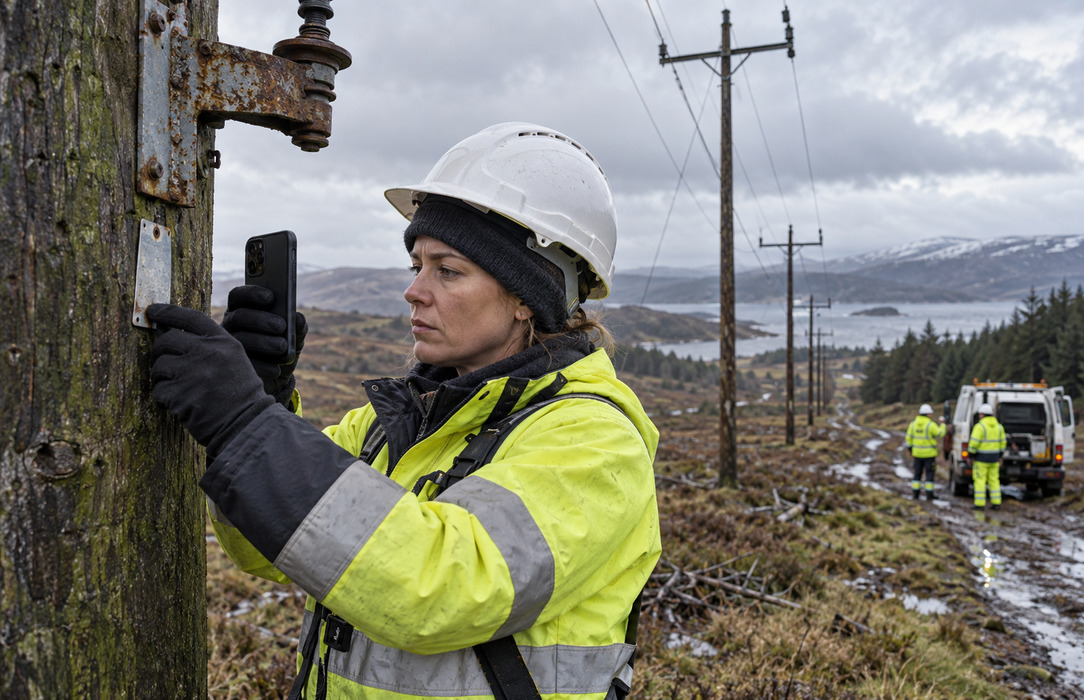
A utility engineer photographs corrosion on an overhead distribution pole while a maintenance crew waits farther along the rural power line.
3: Priority with traceability
Maintenance and investment priorities needed to reflect risk and operational relevance without losing the connection to the evidence behind each decision.

A senior electricity asset engineer reviews technical records beside protection relays while a colleague checks transformer equipment outside the substation room.
4: Regulatory and portfolio fit
The framework needed to align with the CNAIM and regulatory context while supporting the documented distribution, transmission and internal pipe or civil-asset phases.
解決策
A condition-based risk capability built around the decision chain

The delivery combined data integration, formal calculation logic and operational workflows so that information could move from capture and preparation through analysis, planning and maintenance action.

チェックアイコン
Common evidence base

Condition, defect, standard operating procedure, measurement and criticality information from existing systems was integrated to create a more coherent view of each asset.

チェックアイコン
Formal health and risk modelling

The programme implemented structured asset-health, criticality and risk calculations, providing a consistent basis for assessing network assets.

チェックアイコン
Decision workflow and exports

Analytical and rules-based logic identified priorities, while results were exported for asset management, investment planning and reporting and connected to maintenance execution.

チェックアイコン
Phased, context-aligned rollout

The model was extended across documented distribution, transmission and internal pipe or civil-asset phases within the relevant CNAIM and regulatory context.

影響
A clearer line from asset condition to action

The capability provides a consistent, risk-based view of network assets and strengthens the connection between condition evidence, investment decisions and reporting. It supports more repeatable regulatory traceability and gives the operator a foundation for prioritizing maintenance and replacement through health and criticality.

ドラッグ