Machine vision at the warehouse dock cuts inspection time by 70%
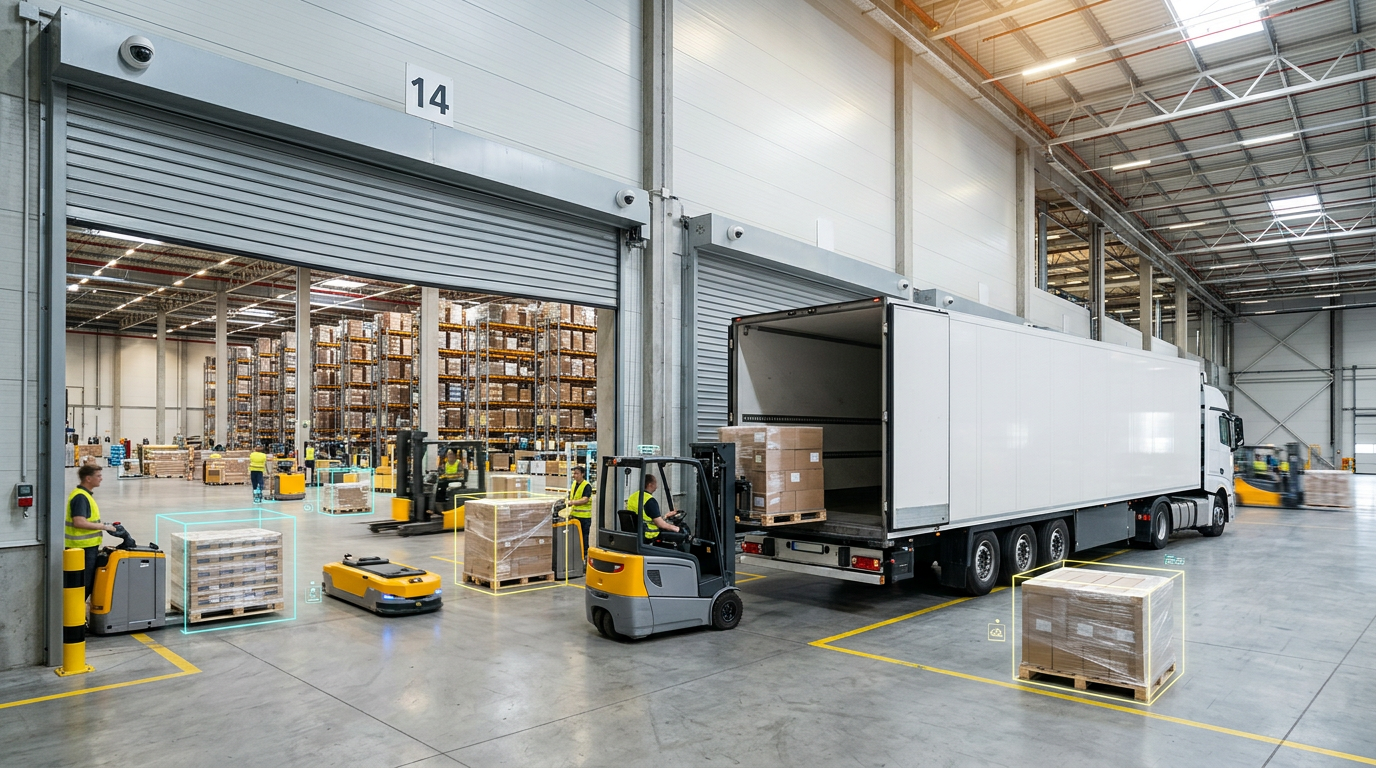
At the warehouse dock, every loading and unloading decision affects inventory accuracy, delivery quality and customer satisfaction. Working with NTT DATA, a consumer goods and distribution company applied computer vision and data analytics to vehicle loading and unloading, raising shipment content accuracy above 95% and cutting inspection time by 70%.
Accuracy: >95%
Shipment content accuracy.
Inspection Time: -70%
Reduction in shipment inspection time.
Inventory: Automatic Updating
Inventory records refreshed automatically from dock activity.
Quality: Less Rework
Improved customer satisfaction and lower rework costs.
Artificial vision that brings accuracy
and speed to every shipment
The company needed to control what went in and out of its vehicles with more accuracy and less effort, moving away from slow, error-prone manual inspection that led to shipment errors, rework and dissatisfied customers.
目的
The initiative set out to use algorithms and artificial vision to control the loading and unloading of vehicles, identifying and reducing waste during the logistics process. The ambition was to make shipment control faster and more reliable, while keeping inventory information always up to date.
機会
Cameras and counting algorithms can replace slow, error-prone manual inspection. With artificial vision now running at the dock, the company has a foundation to extend automated control to more warehouses, flows and product types, and to keep improving logistics quality with data.
Reducing waste and rework at the warehouse dock

The company faced the practical challenge of checking large volumes of cargo quickly and accurately, without slowing operations or depending on manual counts.
主な課題
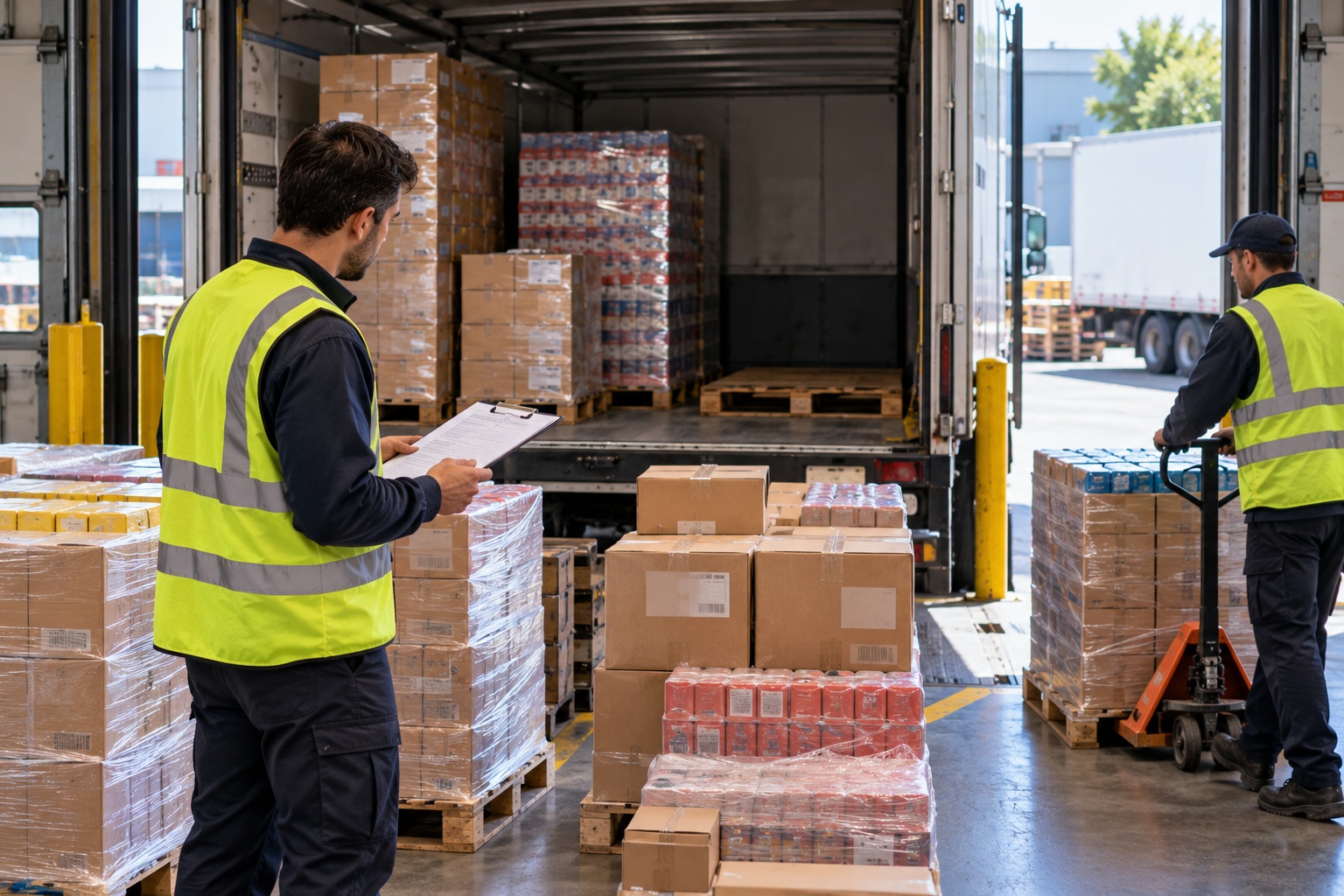
Warehouse employee manually comparing shipment paperwork with pallets and cartons at a loading dock where the actual load does not fully match the planned shipment.
1: Shipment content errors. Differences between what was planned and what was actually loaded or received led to incorrect shipments.
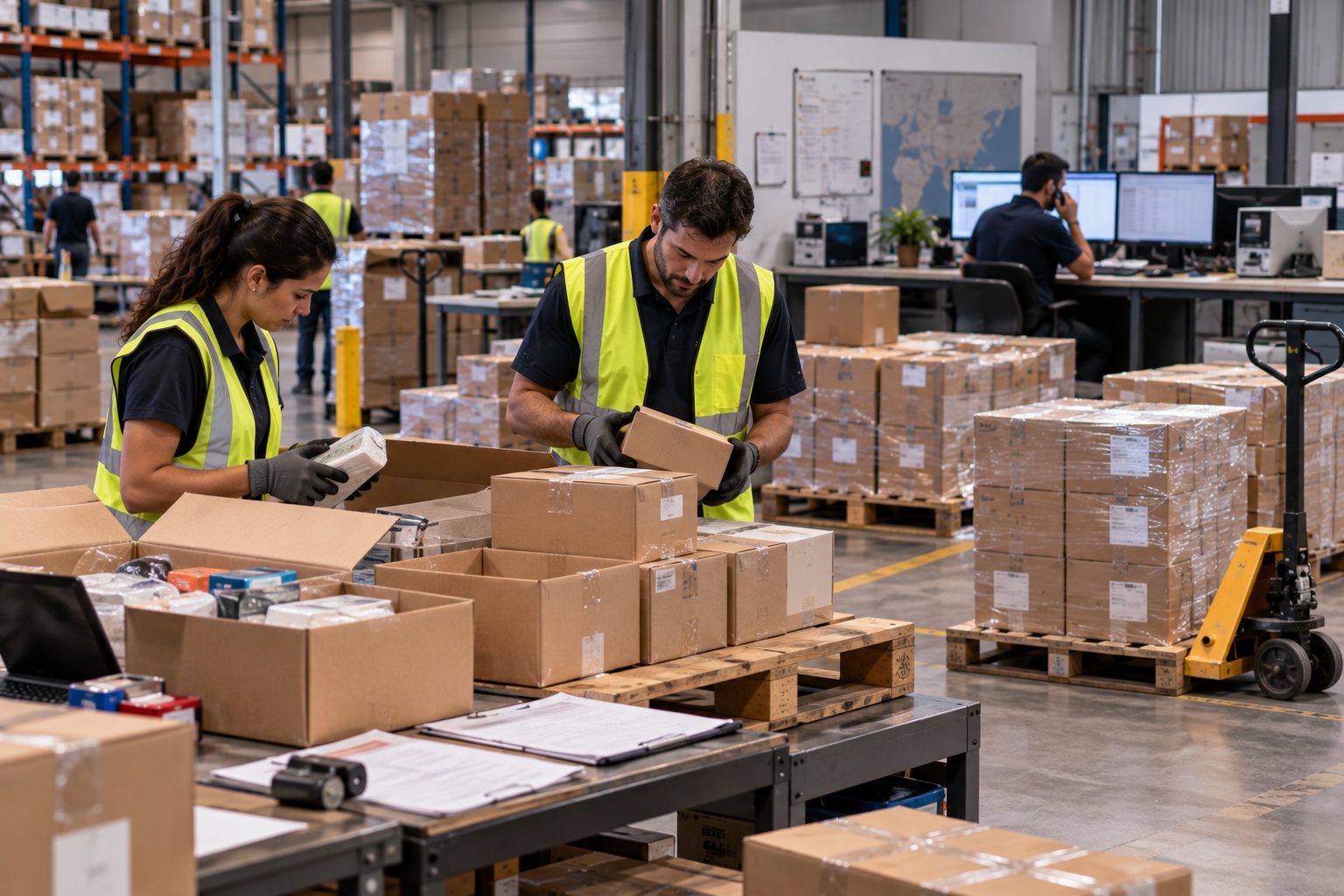
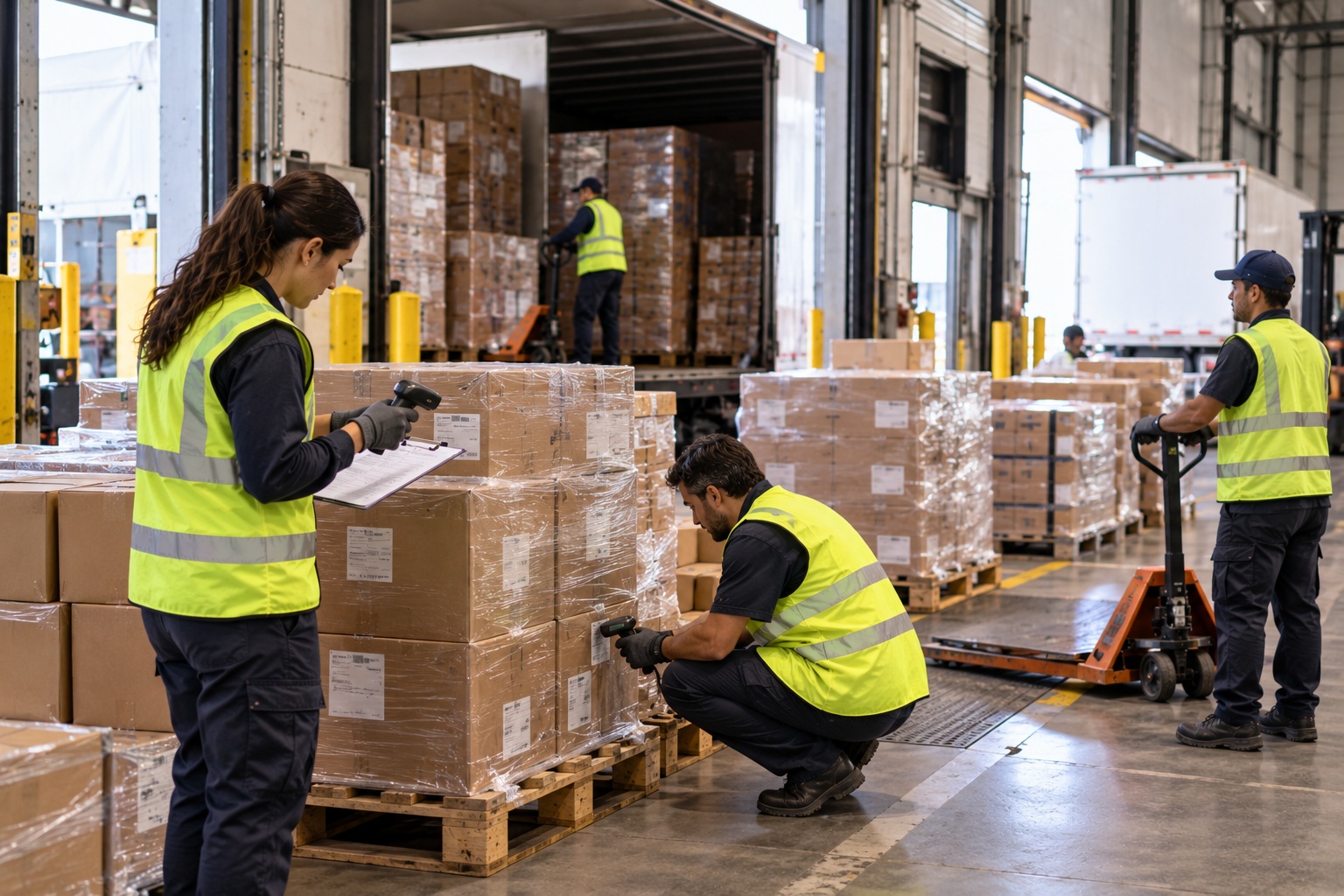
Warehouse team manually inspecting pallets and products one by one at a loading dock, slowing the movement of shipments through the logistics operation.
2: Slow manual inspection. Checking pallets and products by hand took significant time at the dock and slowed down the logistics flow.
Warehouse employees reopening and rebuilding an incorrect shipment while corrected orders wait for redispatch, showing the rework and delays caused by shipment errors.
3: Rework and customer dissatisfaction. Errors had to be corrected after the fact, adding costs and affecting the customer experience.
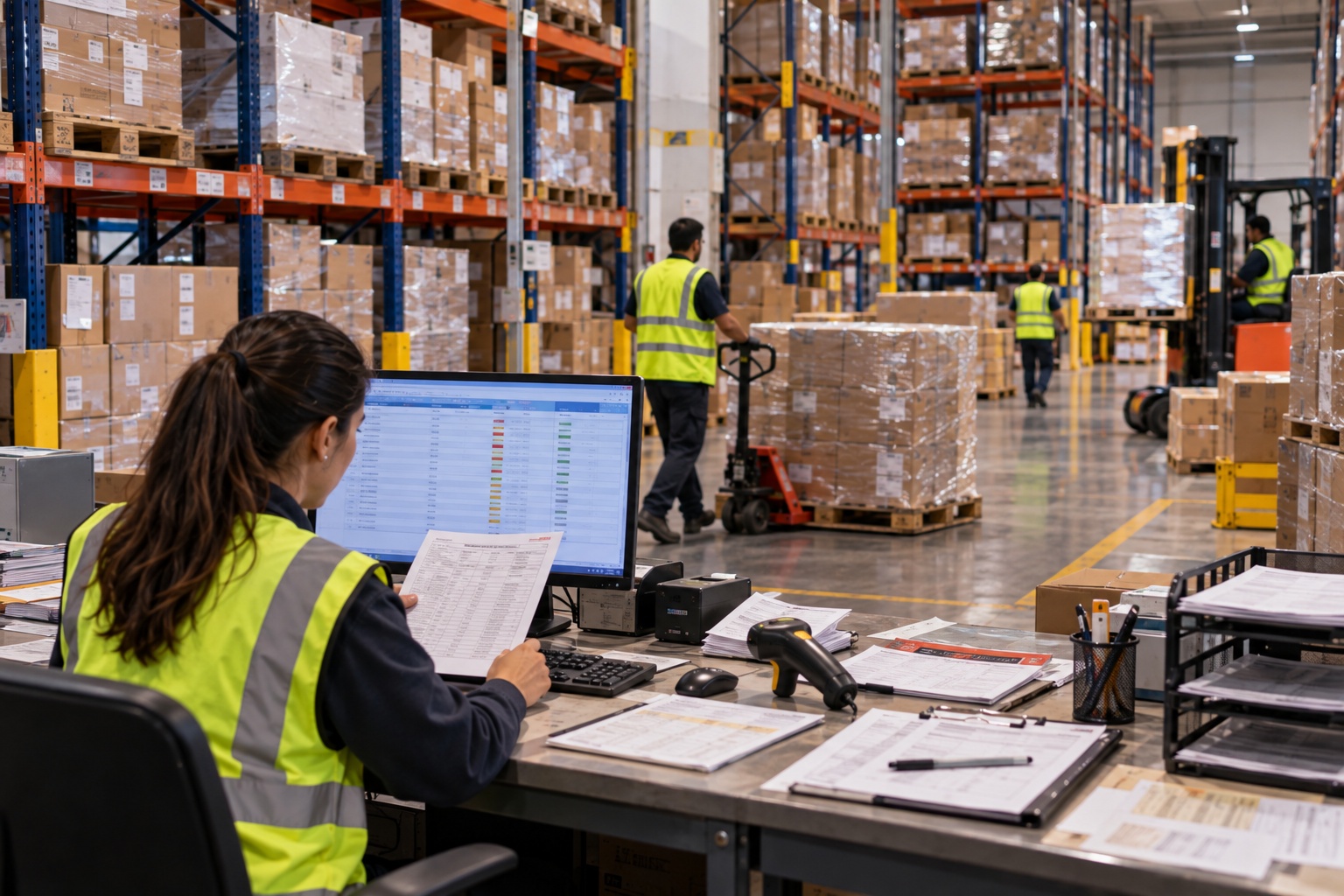
Inventory-control employee reconciling warehouse records with physical stock while pallets continue moving between locations before manual updates are completed.
4: Inventory out of sync. Stock records depended on manual updates, making it harder to keep inventory information accurate in real time.
解決策
Pallet detection, classification and counting with artificial vision

NTT DATA applied artificial vision and data analytics to optimise the loading and unloading of vehicles in warehouses, automating shipment control from image capture to inventory update.

チェックアイコン
Captured photos of incoming and outgoing cargo

Installed image capture at loading and unloading points to detect pallets automatically as vehicles are loaded and received.

チェックアイコン
Classified pallets through artificial vision

Used artificial vision to read the content of each photo and classify pallets, identifying what is being shipped or received.

チェックアイコン
Counted products with data analytics

Applied counting algorithms and data analytics to calculate product quantities accurately, without manual counts.

チェックアイコン
Implemented automatic inventory control

Connected results to an inventory control system that updates stock automatically, keeping records aligned with what really moves through the dock.

影響
Accuracy up, inspection time down

Logistics quality improved while the process got faster. Shipment content accuracy rose above 95% and inspection time for product shipments fell by 70%. With inventory now updated automatically, the company has reduced rework costs, improved customer satisfaction and gained a more reliable, data-driven view of every load that leaves or enters its warehouses.


ドラッグ