Predictive NPS & Customer Detractor Intelligence

For an energy retailer / utility, customer dissatisfaction could no longer be treated only as a post-experience signal. The initiative turned NPS and customer interaction data into a predictive intelligence capability, helping the business identify likely detractors earlier, understand the drivers behind dissatisfaction and focus retention, service and commercial actions on the customers most at risk.
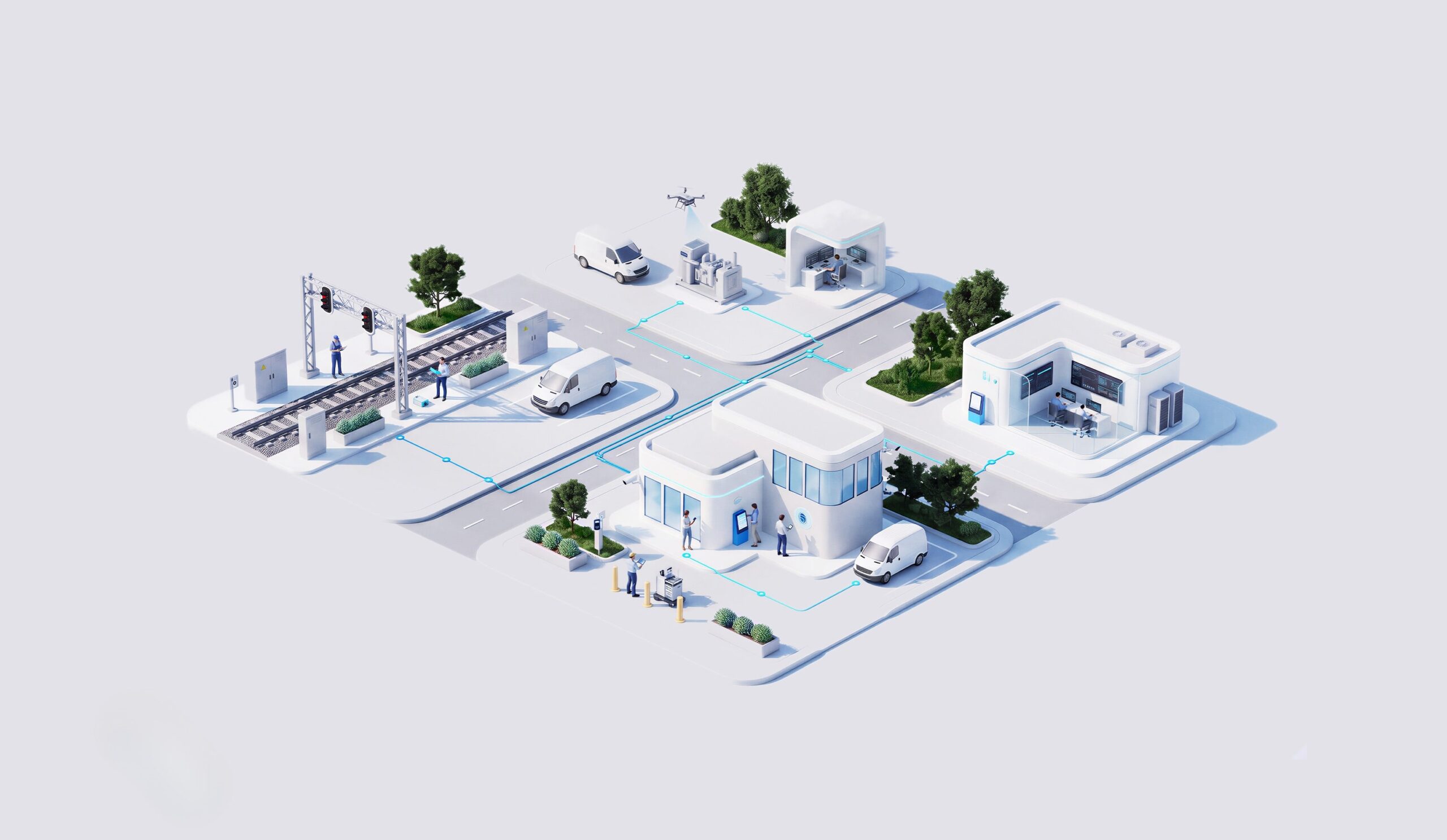
Energy customer operations leaders review anonymized customer experience signals in a modern utility environment connected to electricity infrastructure.
Detractor Precision
More than 80% precision
Earlier Signals
At-risk customers identified sooner
Driver Clarity
Main detractor factors analyzed
Targeted Actions
Loyalty and service actions focused
Utility customer care and marketing teams align targeted retention and service actions using predictive customer intelligence.
Predictive customer intelligence for energy-retail detractor management

The utility needed to move from observing NPS after the experience to anticipating which customers were likely to become detractors before launching service, loyalty or commercial actions.

目的
The objective was to anticipate customers at risk of dissatisfaction and understand the factors associated with detractor behavior, so marketing, sales and customer-care teams could prioritize interventions with greater relevance and consistency.
機会
The documented approach creates an opportunity to extend predictive customer intelligence across retention and loyalty workflows, embedding reusable scoring, driver analysis and decision support into customer operations without treating analytics as a stand-alone exercise.
Turning customer experience signals into operational foresight

The challenge was not only to build an analytical model, but to make its outputs consistent, trusted and usable inside the commercial and service processes of an energy retail organization.


主な課題
Customer experience leader reviews late-arriving satisfaction signals in an energy retail operations setting.
1: Reactive NPS visibility: NPS was often observed only after the customer experience had already occurred, limiting the ability to act before dissatisfaction translated into detractor behavior.
Analysts organize customer, interaction and energy consumption information from fragmented sources for predictive modeling.
2: Fragmented customer signals: The initiative required heterogeneous customer, interaction and consumption data to be brought together in a form that analytical models and operational teams could use consistently.
A utility business lead and data specialist discuss explainable detractor insights for trusted customer decisions.
3: Business trust in predictions: The solution needed to make detractor classification and driver analysis understandable and traceable for the teams expected to use the outputs in real decisions.
Customer care and marketing operations teams prepare prioritized outreach actions from predictive insights in an energy utility hub.
4: Operational consumption: Predictive insight had to be translated into practical prioritization for existing commercial, loyalty and service workflows, rather than remaining an isolated analytics exercise.
解決策
A predictive NPS intelligence workflow connected to customer operations

The delivery approach connected customer data preparation, driver analysis, predictive classification and business-facing outputs into an end-to-end decision process.

チェックアイコン
Predictive detractor classification

Built a model to classify customers as likely detractors or non-detractors, enabling earlier identification of customers at risk of dissatisfaction.

チェックアイコン
Customer profiling and feature definition

Prepared and profiled customer information, defining the variables needed to support model development and consistent operational scoring.

チェックアイコン
Detractor driver analysis

Analyzed the variables associated with detractor behavior and customer dissatisfaction, giving business teams clearer insight into the factors behind the prediction.

チェックアイコン
Dashboards and inference outputs

Created dashboards and inference outputs so business users could prioritize customers, cases or actions and incorporate recommendations into existing decision and campaign processes.

影響
From broad response to focused customer action

The documented result shows more than 80% precision in identifying customers classified as detractors. The initiative also supports earlier identification of customers at risk of dissatisfaction, a better understanding of key NPS and detractor drivers, more targeted loyalty, service and commercial interventions, and a repeatable predictive-customer-intelligence capability for customer operations.

ドラッグ