- All Foundries

- 商品管理と取引

- 顧客とマーケティング戦略

- デジタルエンジニアリング

- ステーション・スタジオ

- サプライチェーン&インダストリー5.0
- サステナビリティ

- Physical AI

- Next-Gen Infrastructure











AI video analytics for real-time mining safety intervention
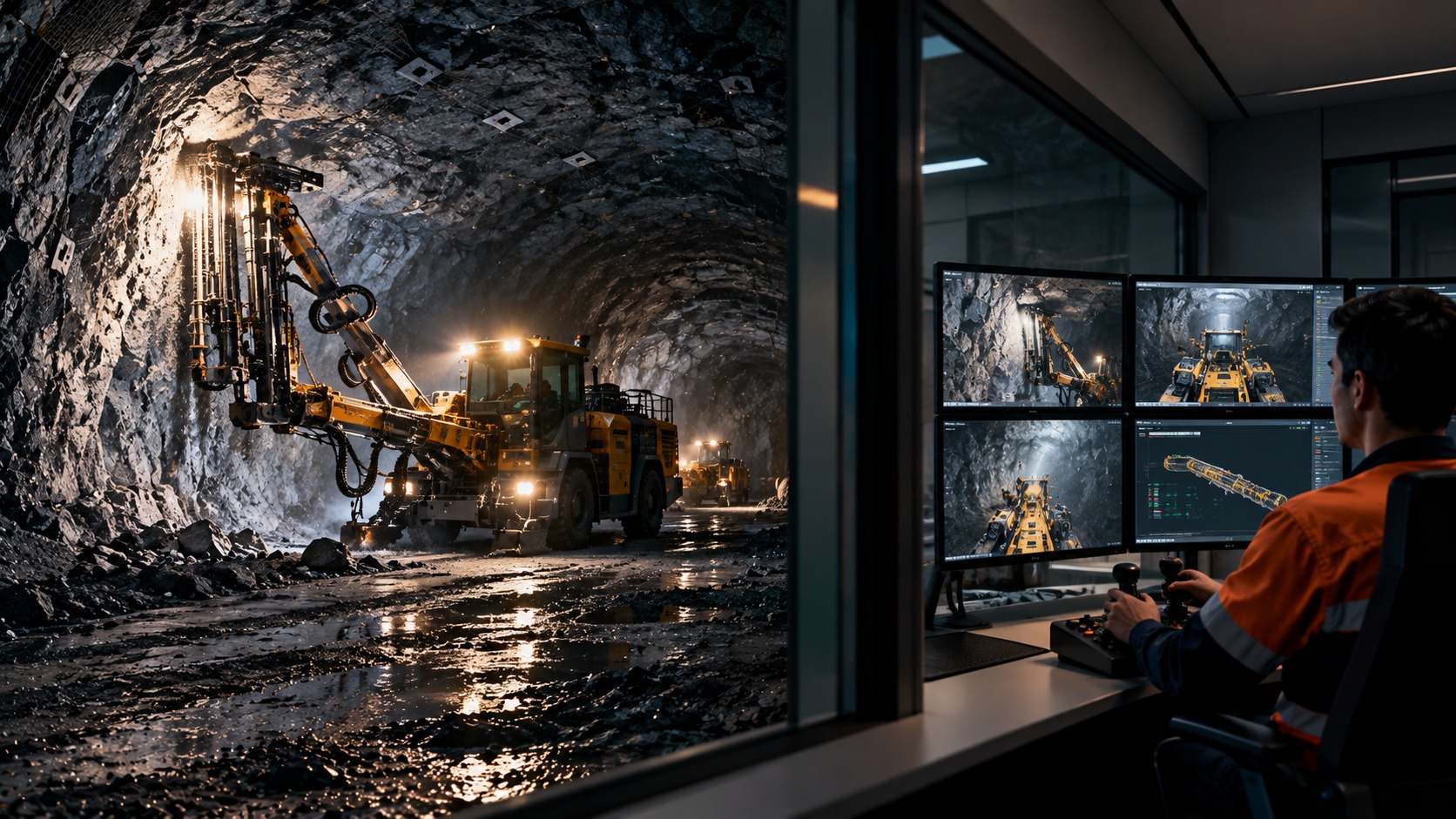
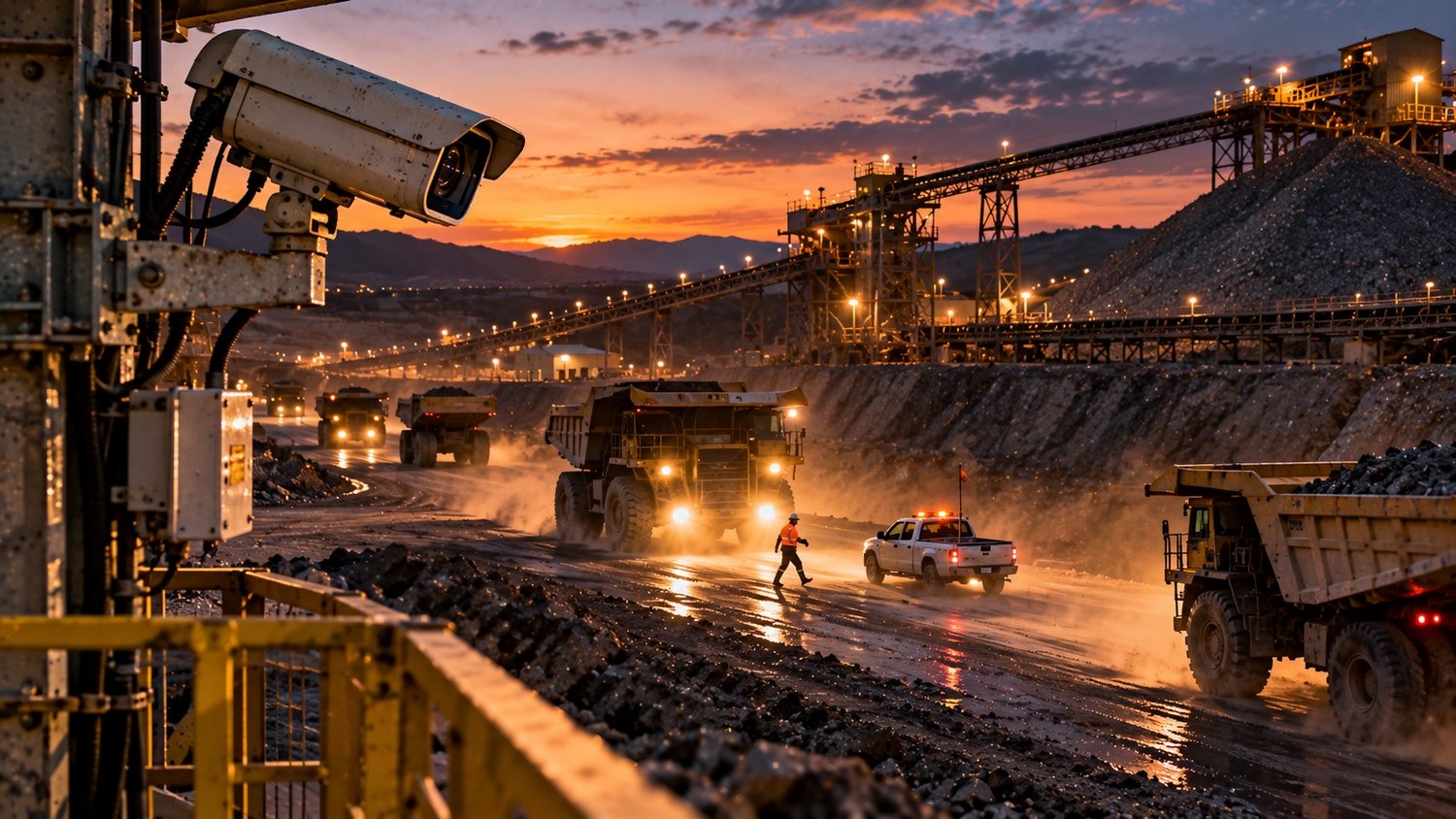
Computer vision can turn pixels into an operational event while the condition unfolds. But detection is not intervention. A dashboard alert can still be a faster record of the past.
This changes supervision from continuous watching to exception-based action.

Instead of asking people to watch every feed equally, the operation surfaces situations that cross defined rules and still have a response.
The value is not that AI can see more. It is that the mine can create more time to separate people and equipment in the field.
The mine can stop an unsafe interaction from progressing while intervention is still physically possible, not after paths commit.
The operation learns from conditions that repeatedly approach the safety boundary, improving both the model and the response design.
NTTデータのサポート体制は?
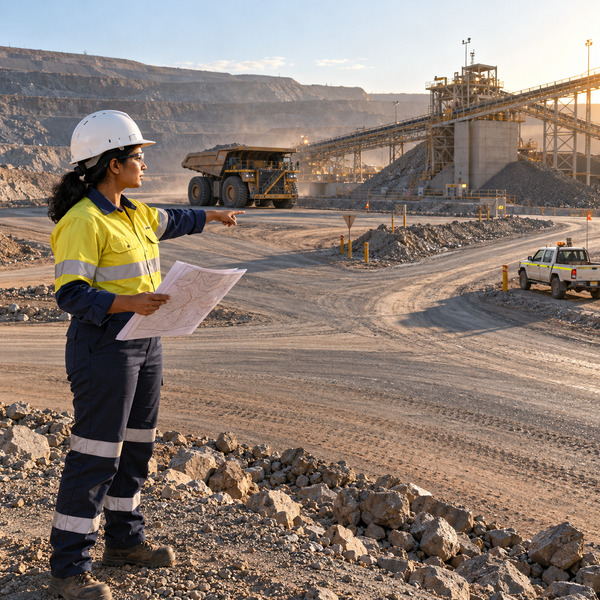
Start with the physical condition the mine wants to prevent: which people, vehicles, zones, trajectories or operating states should never converge.
Identify when the condition becomes meaningful and when alternatives disappear. This defines the window detection and response must protect.
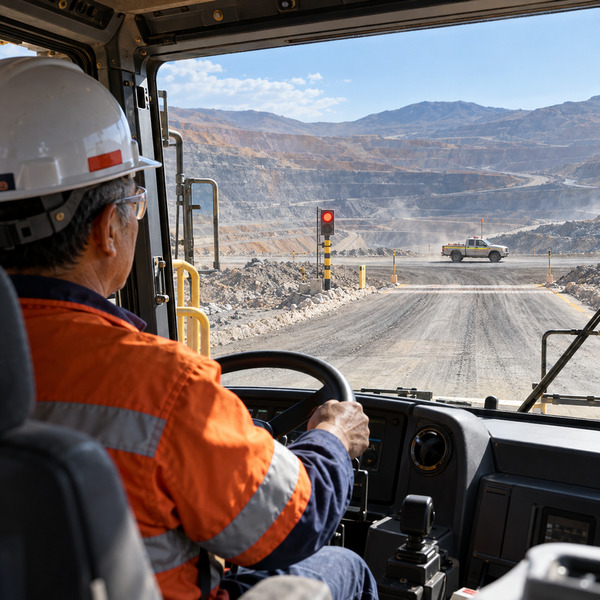
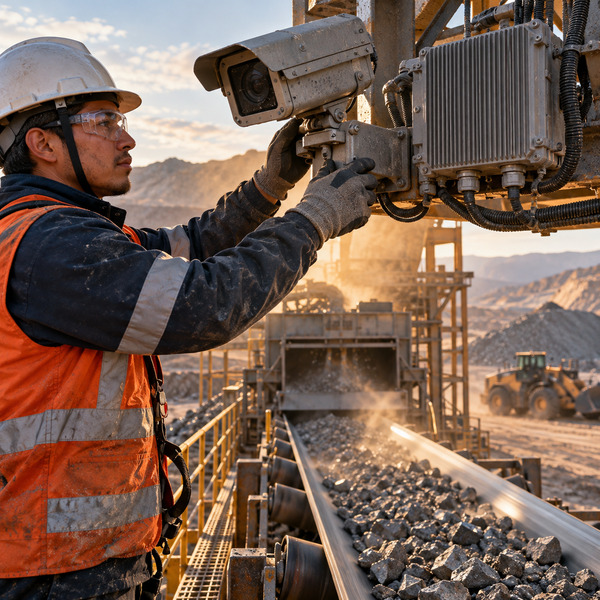
Use computer vision, at the edge where the window demands it, to detect only conditions that matter, treating lighting, dust and geometry as context.
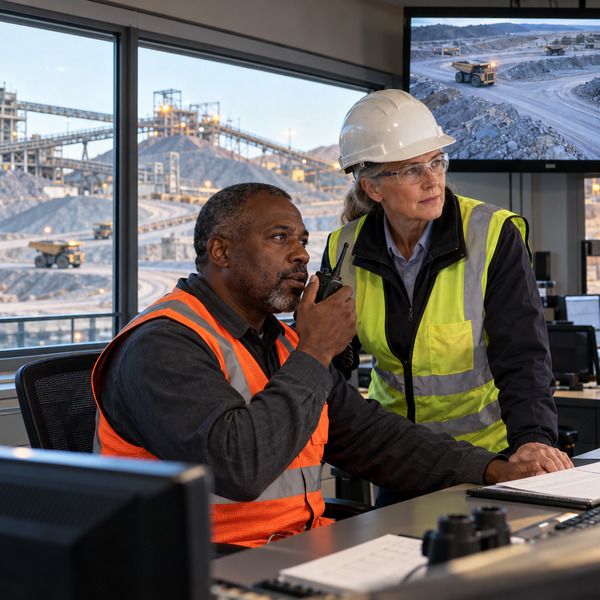
Connect the event to the person or system able to act: dispatch, control room, field supervision or operator. Not another alarm: a response with ownership.
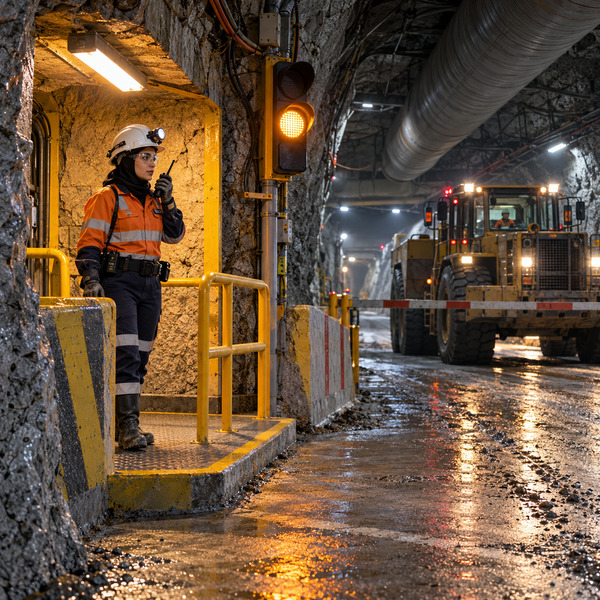
Engineer warnings, access restriction, traffic instructions or stoppages, and define what happens when the camera, network or model is uncertain.
Record what was detected, what action followed and whether the condition cleared. False alarms and misses improve model and response.
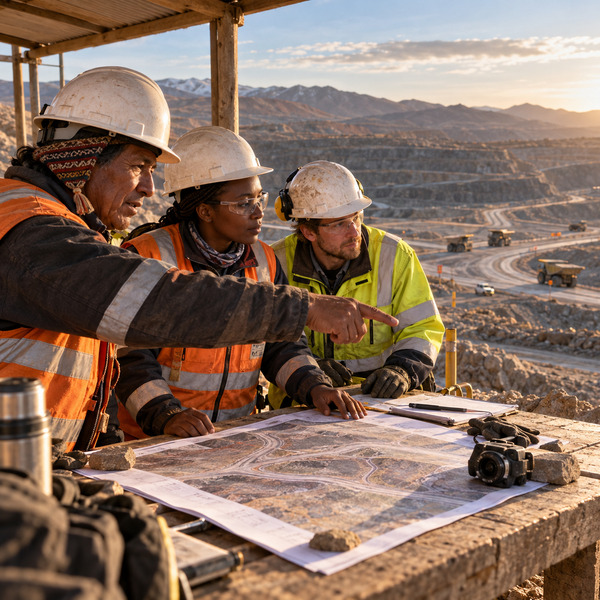
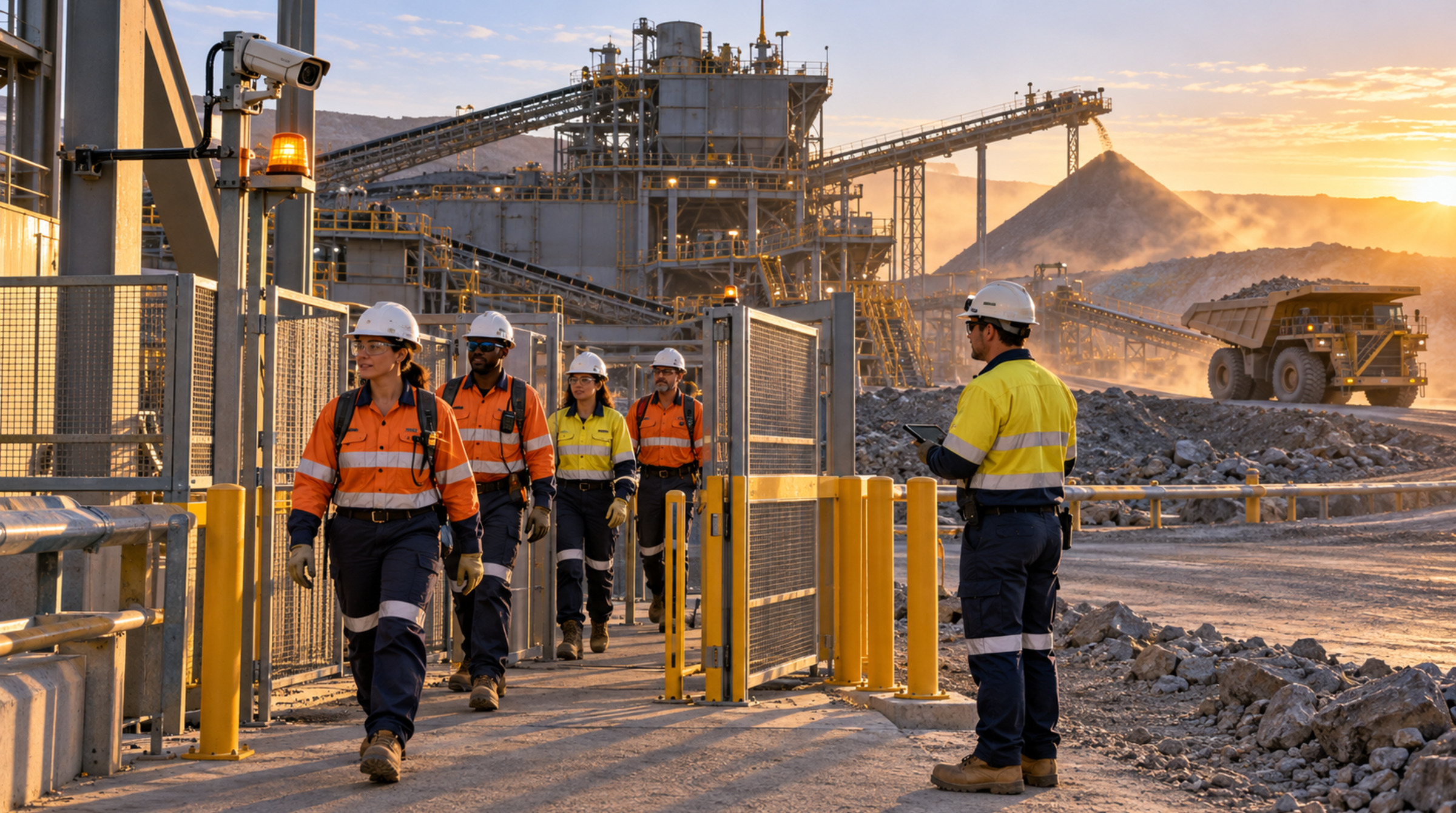
A published PPE-monitoring use case triggers alerts from computer vision. The proof is narrow but important: live video can become an operational event, valuable when connected to a defined response in time.
CCTV stops being only a witness to the mine’s past and becomes part of its ability to interrupt an unsafe present.
The closed loop starts by detecting the unsafe interaction while the condition is still unfolding, not after both paths are committed.
The event is interpreted with the mine’s lighting, dust, weather, geometry and equipment context as part of the operating envelope.
The event reaches the person or system able to act, and a defined intervention follows before the opportunity window disappears.
Whether the condition cleared is recorded, so false alarms, missed detections and new conditions improve the next response.
Explore how AI video analytics connected to authority and action can help mining operations interrupt unsafe interactions.