- All Foundries

- 商品管理と取引

- 顧客とマーケティング戦略

- デジタルエンジニアリング

- ステーション・スタジオ

- サプライチェーン&インダストリー5.0
- サステナビリティ

- Physical AI

- Next-Gen Infrastructure












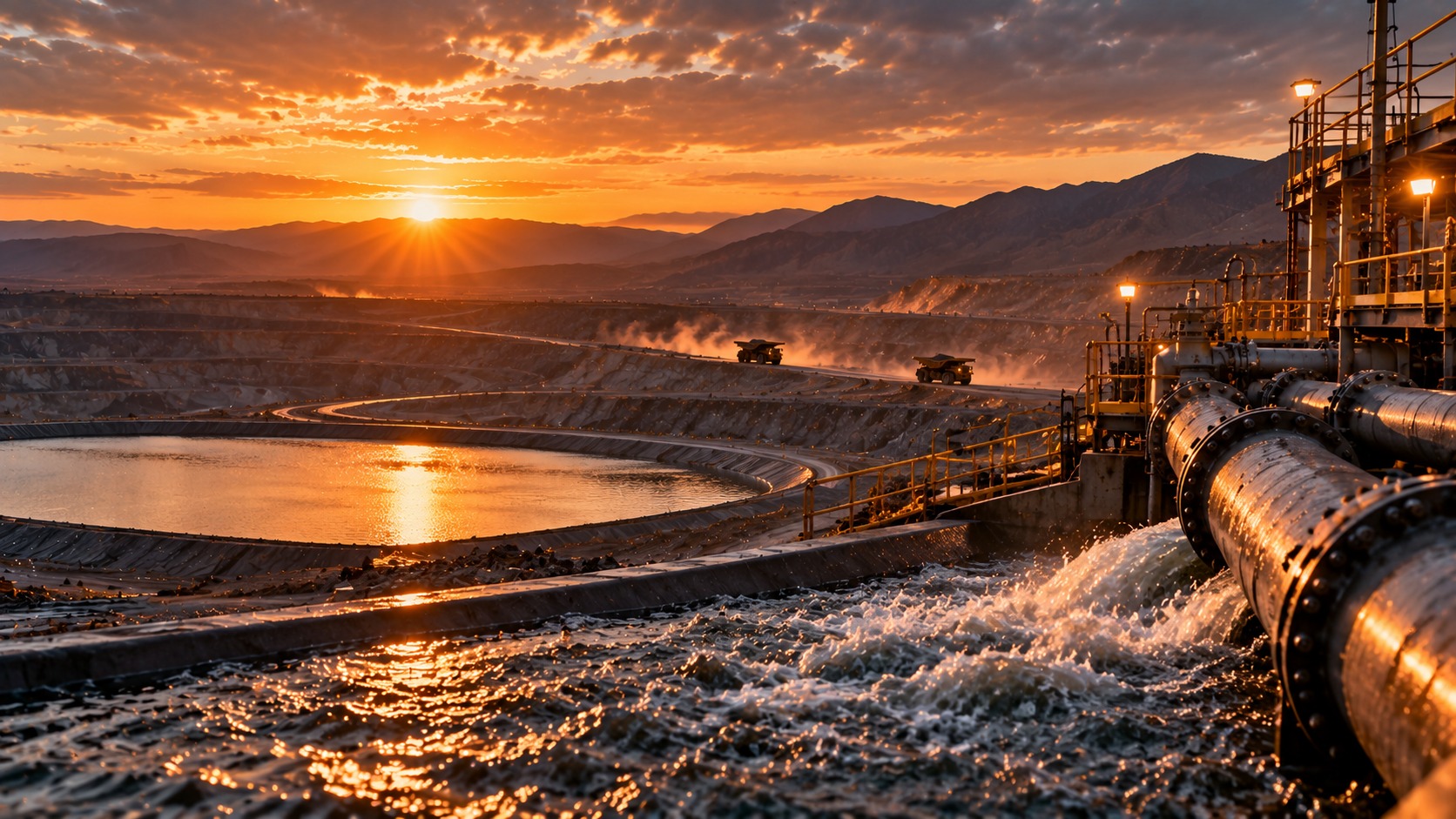
Water-energy optimization across the mining value chain
More water can mean more desalination, pumping and lift, and a different electrical load. If power is constrained, more water supply can consume headroom another part of the operation expected.
The value is preserving production choices while the mine still has time to act.

The mine can decide whether to pump now or later, use stored water or change recirculation knowing what each choice consumes.
The operation can alter the water-production trajectory or protect electrical capacity for another operating priority when needed.
Water protecting inventory and Energy flattening load stop silently narrowing the concentrator’s operating options between them.
Seeing the joint constraint before production is limited preserves production choices while the mine still has time to act on them.
NTTデータのサポート体制は?
Connect seawater intake, desalination, pumping, elevation, storage, recovery and concentrator demand to the electrical constraints on each option.
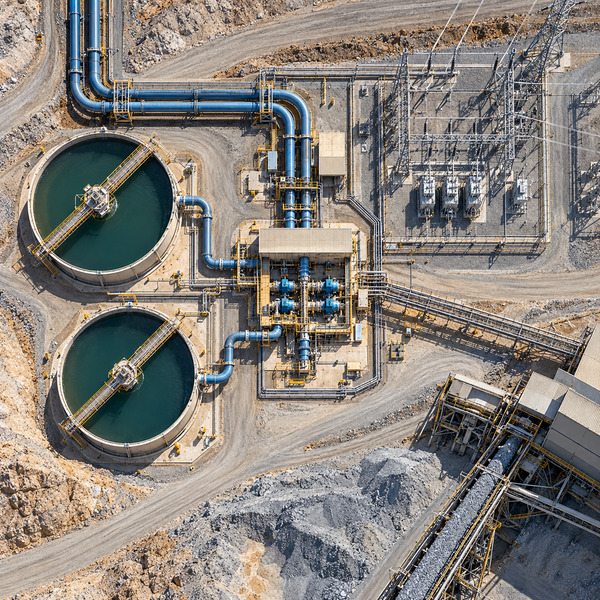
Bring together water inventories, flows, pump states, plant demand, electrical load, available capacity and production commitments in one view.
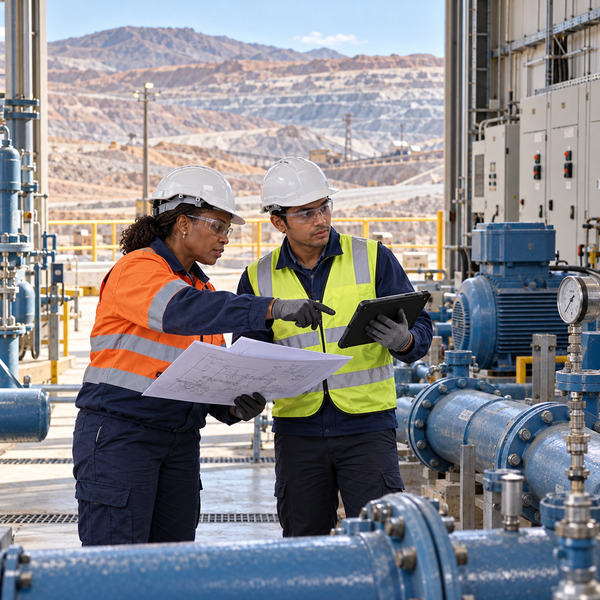
Use forecasting and network models to identify when a water trajectory and an energy trajectory are becoming incompatible before production is constrained.

Simulation and optimization can test pumping earlier, drawing storage, changing recirculation or shifting electrical load while options remain.
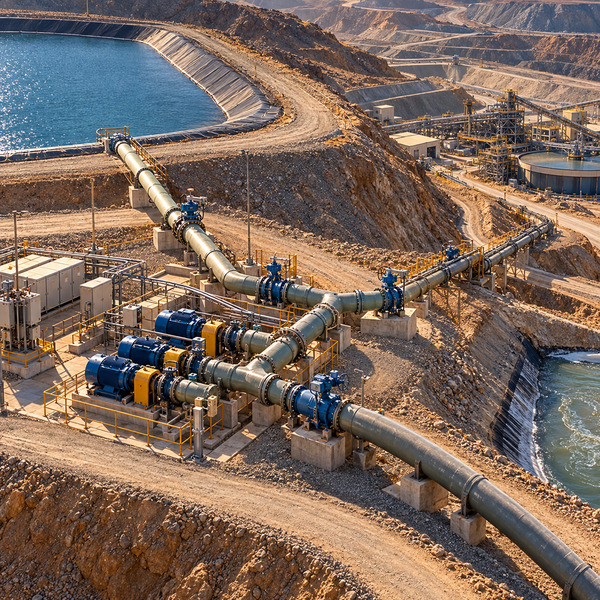
Define how Water, Energy, Concentrator and Planning commit to a shared response when one domain must move away from its local optimum.
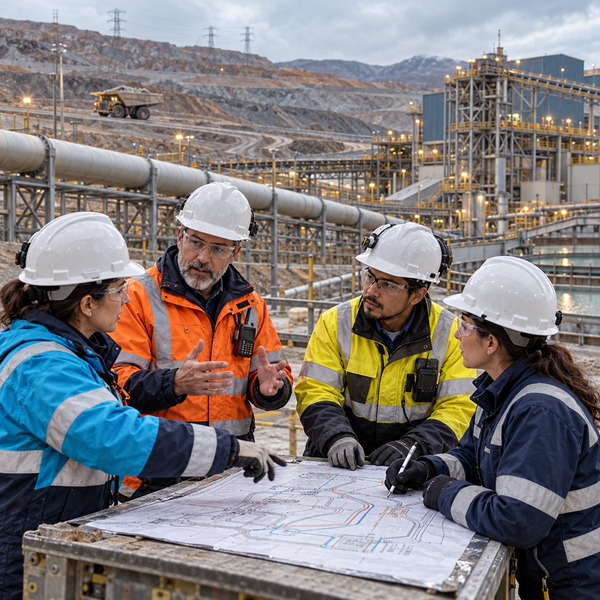
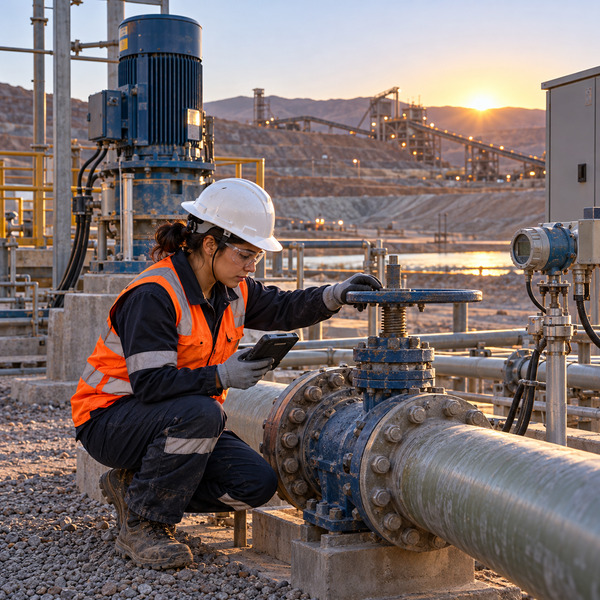
Connect the selected response to pumping, plant and energy-management systems, observe the result and improve the next decision.
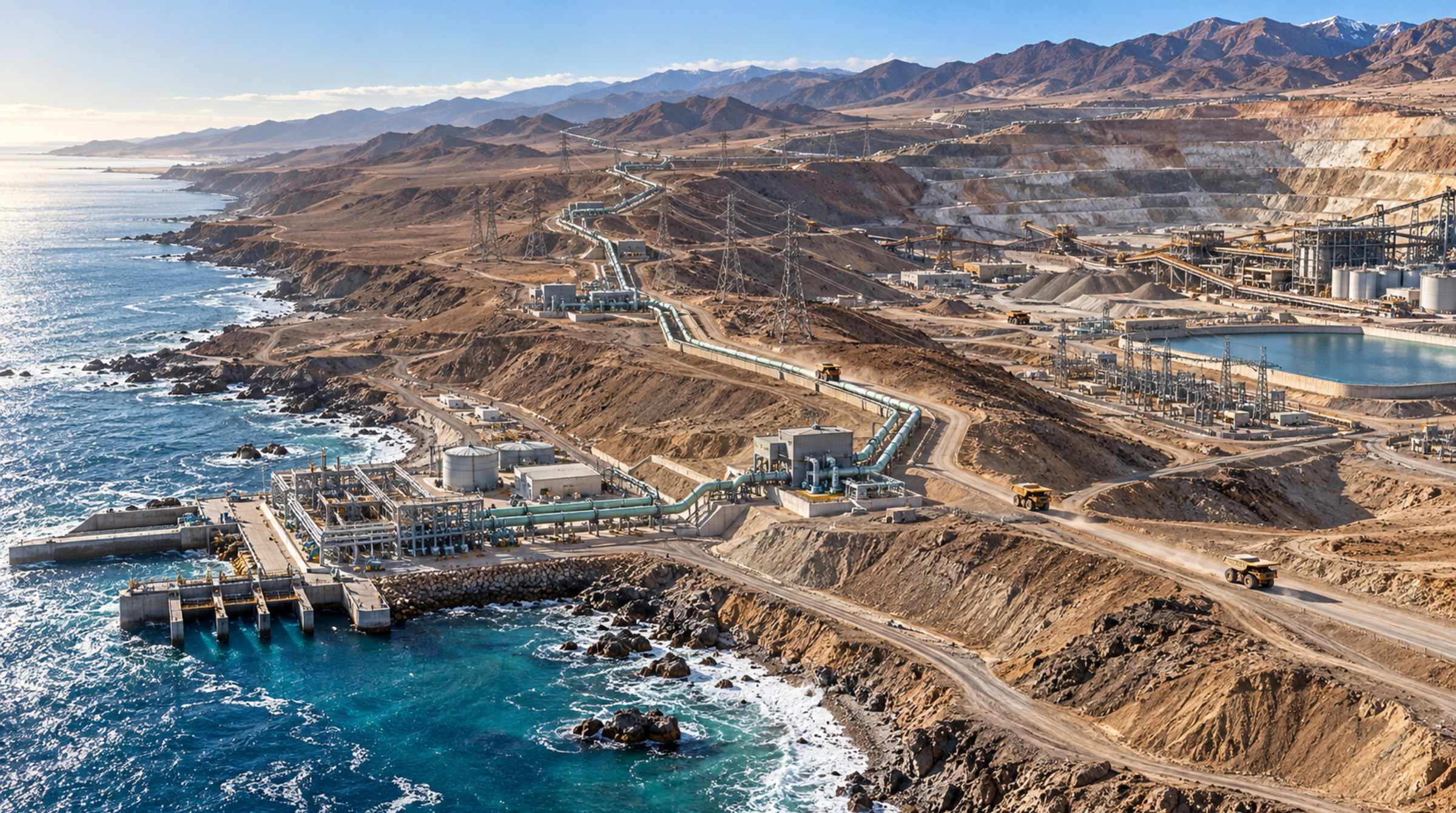
Its 2026 electricity outlook estimates 5.4 TWh linked to seawater use in 2034. These are sector projections, not mine-specific claims, but moving water becomes increasingly material to production planning.
The same water still reaches the concentrator. What changes is how the operation sees it.
It no longer arrives as a utility input. It arrives with an energy consequence attached, visible to every domain that depends on it.
The mine starts deciding how much water to move, when to move it and how much electrical capacity that choice actually consumes.
Every water-energy decision is judged by the production option it preserves for the concentrator, not by one utility’s optimum.
Forecasting and network models identify when water and energy trajectories become incompatible before production is constrained.
Explore how integrating water and energy decisions can preserve concentrator production choices across your mining operation.