- All Foundries

- 商品管理と取引

- 顧客とマーケティング戦略

- デジタルエンジニアリング

- ステーション・スタジオ

- サプライチェーン&インダストリー5.0
- サステナビリティ

- Physical AI

- Next-Gen Infrastructure






Aviation Training Reimagined: From Simulation to Sensation (When VR Learns to Feel)
Industry forecasts point to hundreds of thousands of new pilots and more than 1 million aviation professionals needed by 2043, while Latin America continues to see sustained traffic growth. Traditional face-to-face, cyclical and compliance-led training models cannot scale fast enough across flight crew, cabin crew, MRO, cargo, ramp and airport operations. Technology is becoming the operating layer that turns training from periodic certification into continuous performance intelligence.
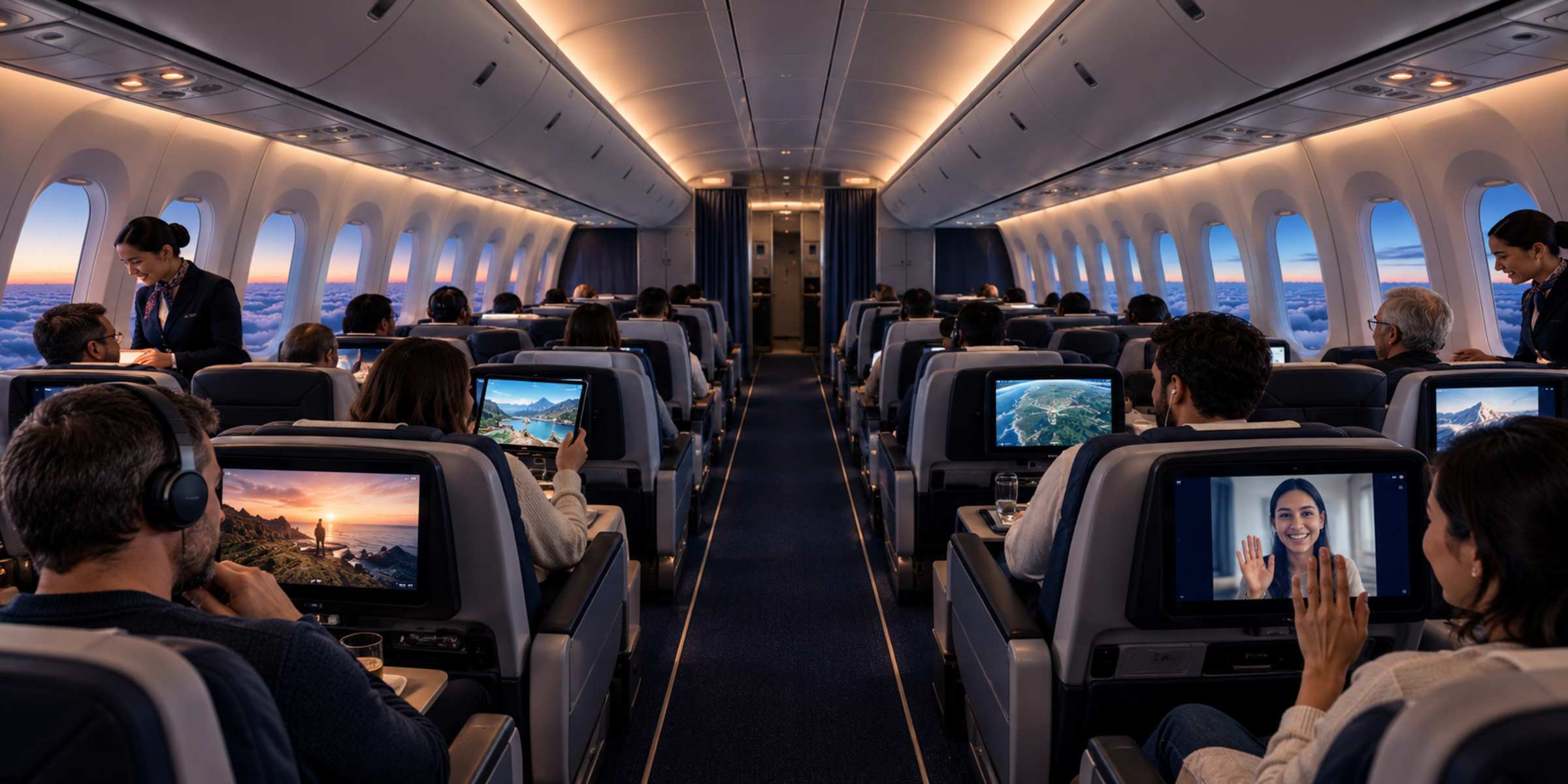
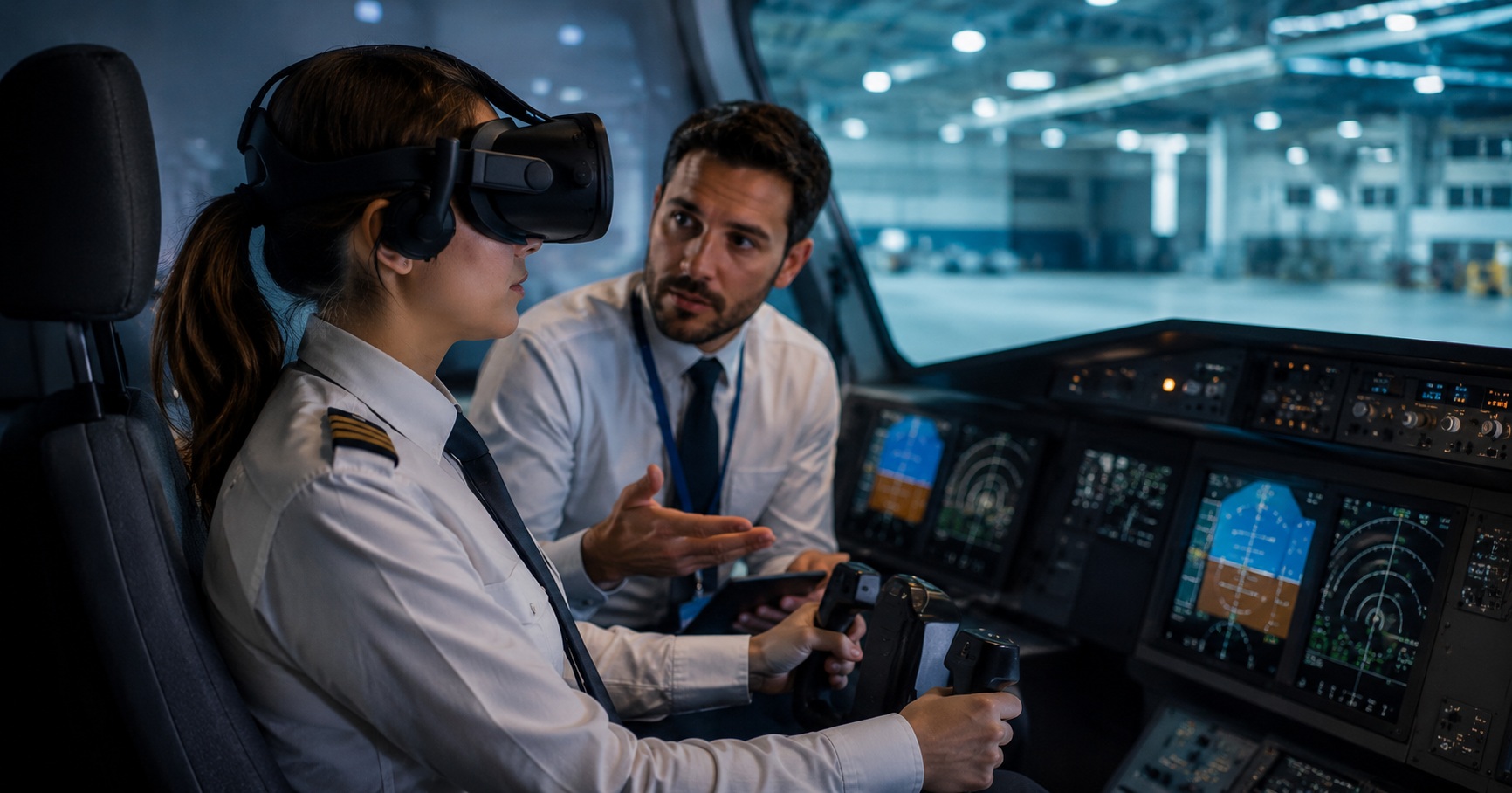
The next generation of aviation training connects immersive simulation, AI, biometric signals and operational data — so instructors can see what was once invisible.

Biometric and psychometric signals reveal anxiety, hesitation, overload and freeze responses during simulated scenarios
Flight and operational data can feed scenario design, closing the loop between line performance and recurrent training
VR/XR modules create consistent cabin, cargo and ground operations training across locations without stopping live operations
AI adjusts pace, difficulty and coaching based on performance, gaps and individual response patterns.
NTTデータのサポート体制は?
We don’t digitize slides and call it transformation. We create VR/XR scenarios where aviation teams practice safety, emergency, cargo and ground operations without real-world risk
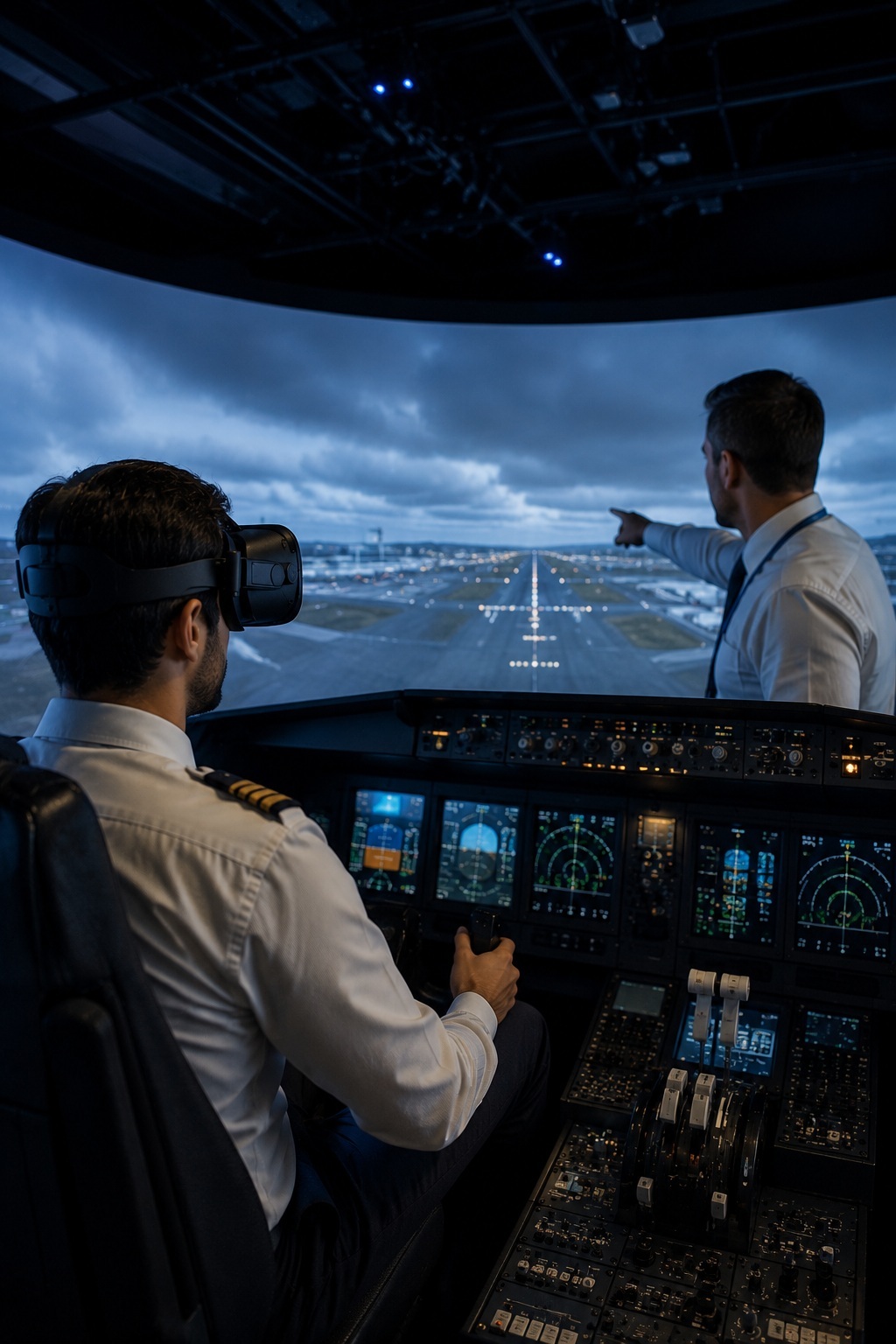
Connect headset, eye-tracking, haptic, voice and physiological signals to understand how each trainee responds under pressure
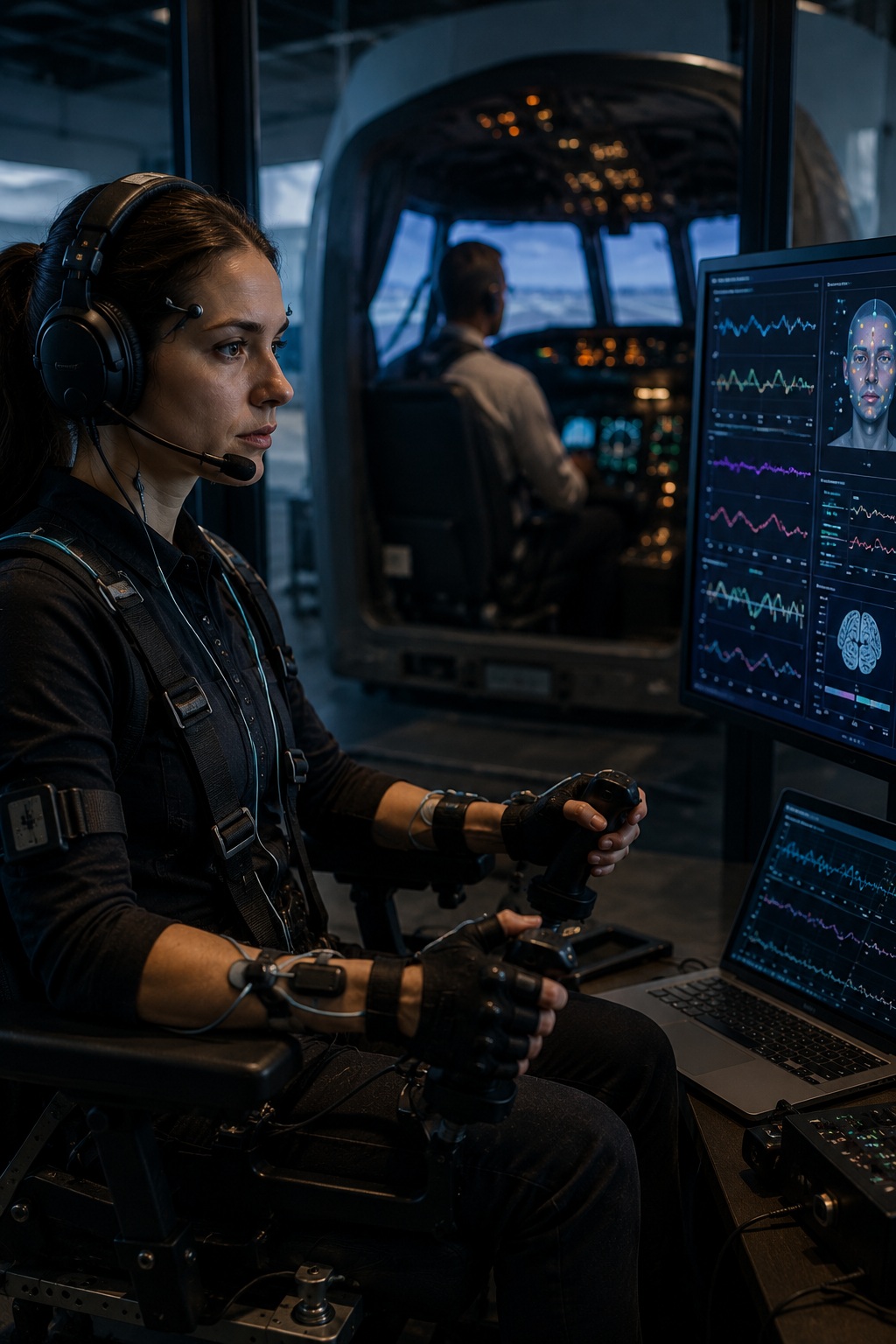
Use adaptive learning and predictive analytics to surface early warnings, competency gaps and behavioral patterns before they reach operations
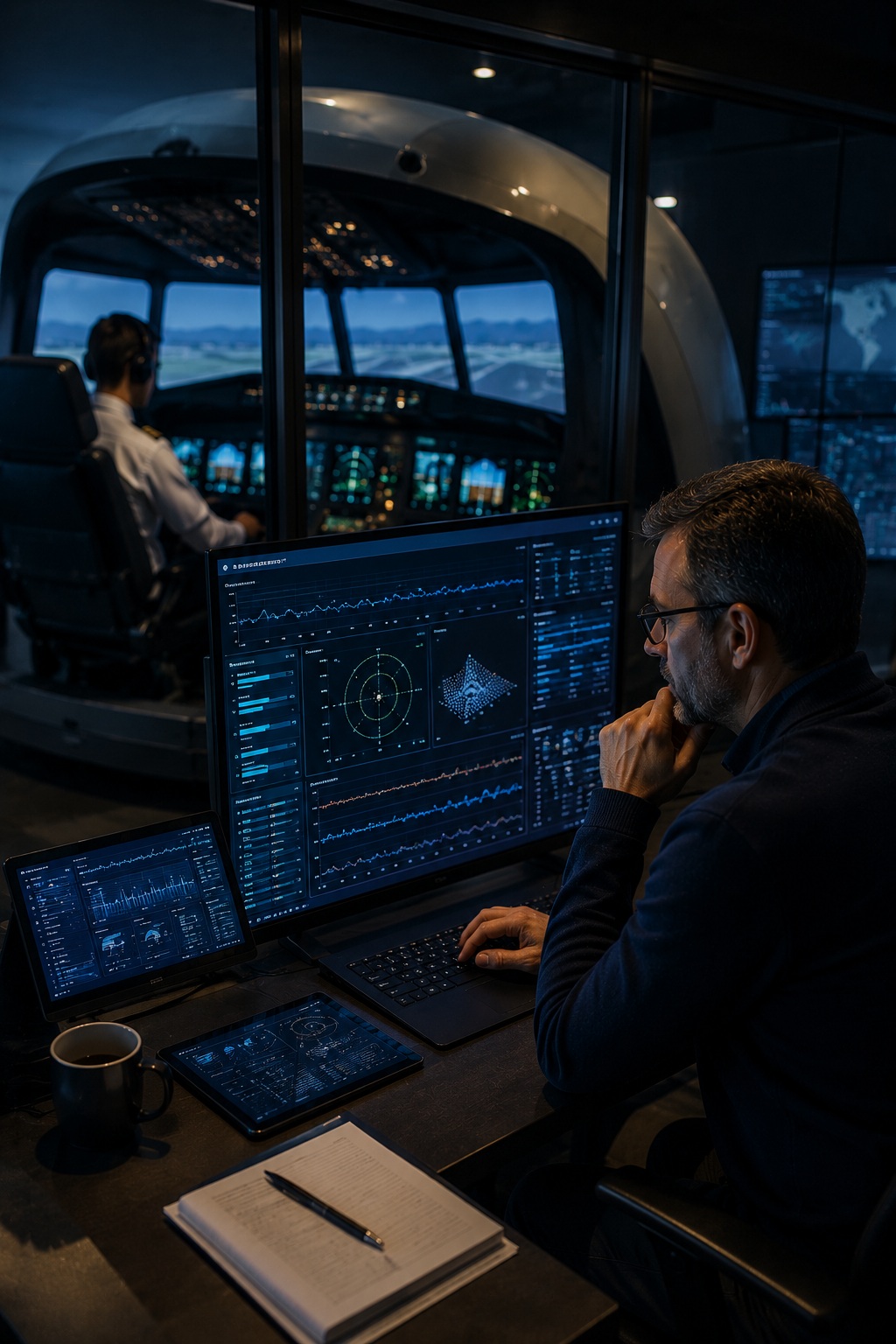
Integrate FDM/FOQA, LMS, simulator and performance data so training reflects what is actually happening across the network

Build consent, data ownership, privacy and governance into the model from day one especially when biometric and psychometric data is involved

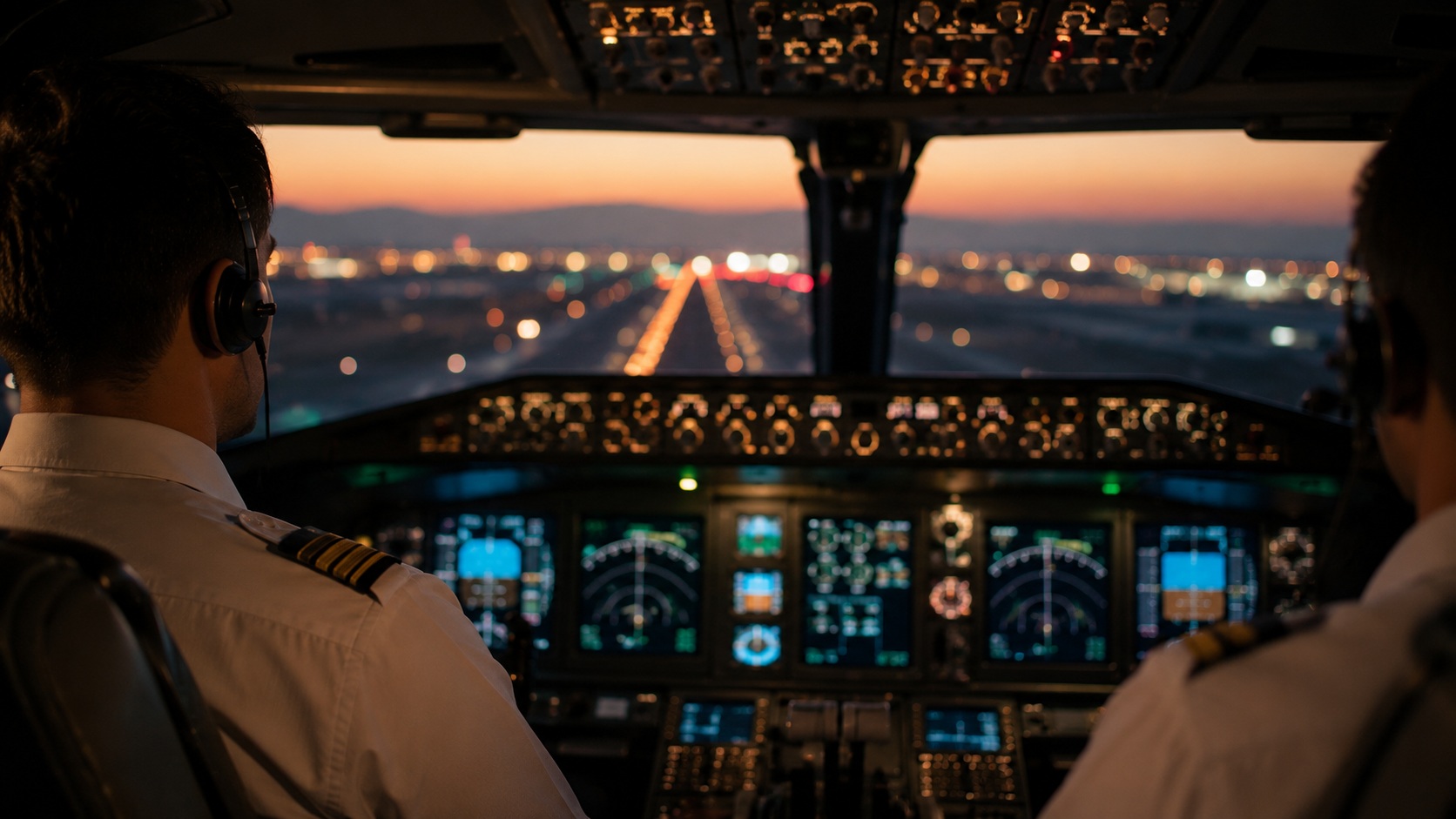
When training becomes continuous and data-driven, aviation organizations can improve speed, consistency, cost and safety visibility
up to -30% in 3 years through operational data integration
up to -40% time for operational crew categories
100% trace through automatic reporting and reduced manual gaps
20% to -35% through digital simulation and hybrid format
Build the next layer of aviation training intelligence →