


- All Foundries

- 商品管理と取引

- 顧客とマーケティング戦略

- デジタルエンジニアリング

- ステーション・スタジオ

- サプライチェーン&インダストリー5.0
- サステナビリティ

- Physical AI

- Next-Gen Infrastructure













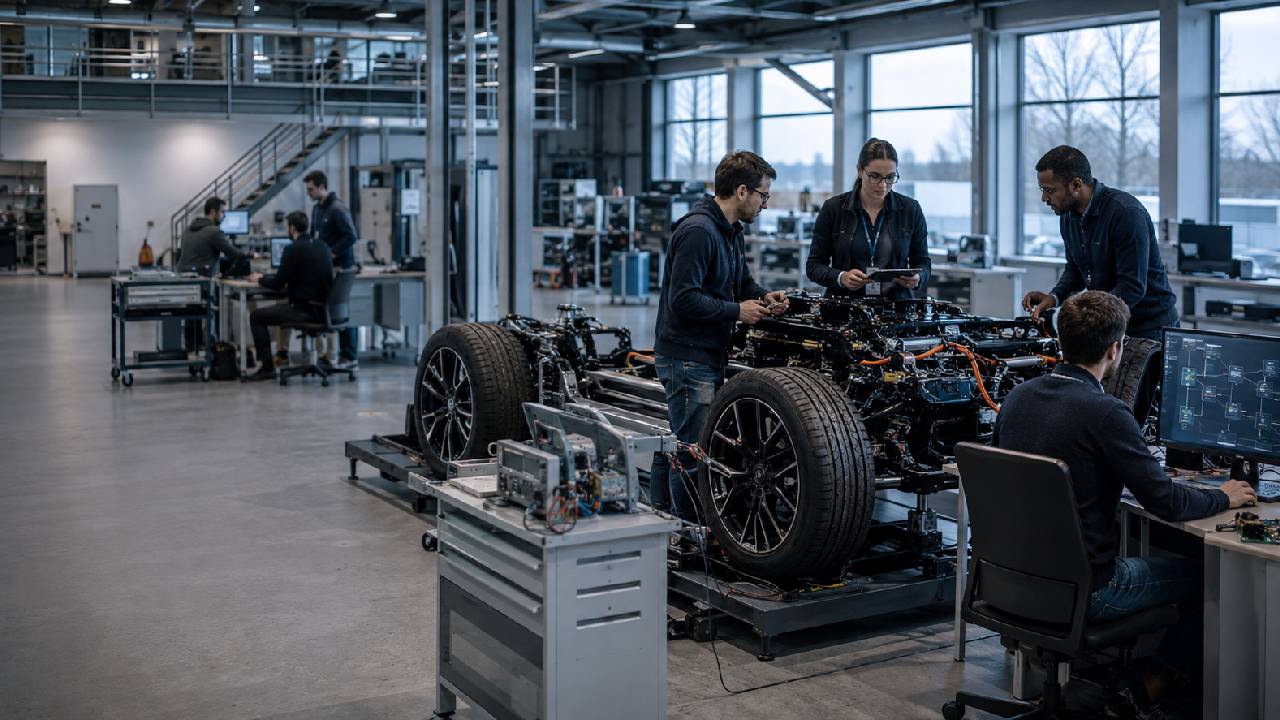
Connected & Autonomous Utility Vehicles
Connected autonomous utility vehicles include inspection rovers, maintenance platforms, mobile sensing units and specialized vehicles working inside plants and substations. Their value increases once telemetry, mission status, environmental sensing and operational instructions feed into broader asset and workforce processes instead of being managed as standalone machines. Field vehicles are becoming connected operational platforms, so utilities need to integrate telemetry, dispatch, safety and autonomous functions without creating new silos.
Rovers, maintenance platforms and sensing units feed dispatch and asset systems directly, instead of running as disconnected standalone machines.

Telemetry, mission status and environmental sensing from field vehicles flow into the same systems dispatch and asset teams already use.
Real-time telemetry and context let dispatch route the right vehicle to the right task instead of working from stale status.
Assisted and autonomous functions are introduced in controlled use cases before being extended across the wider vehicle fleet.
Fleet connectivity, software and security are managed under one lifecycle instead of separately for each vehicle type.
NTTデータのサポート体制は?
NTT DATA connects vehicles to dispatch, mapping, safety and asset systems so telemetry stops living in a silo of its own.

Edge connectivity delivers real-time telemetry and context from field vehicles instead of periodic, delayed status updates.
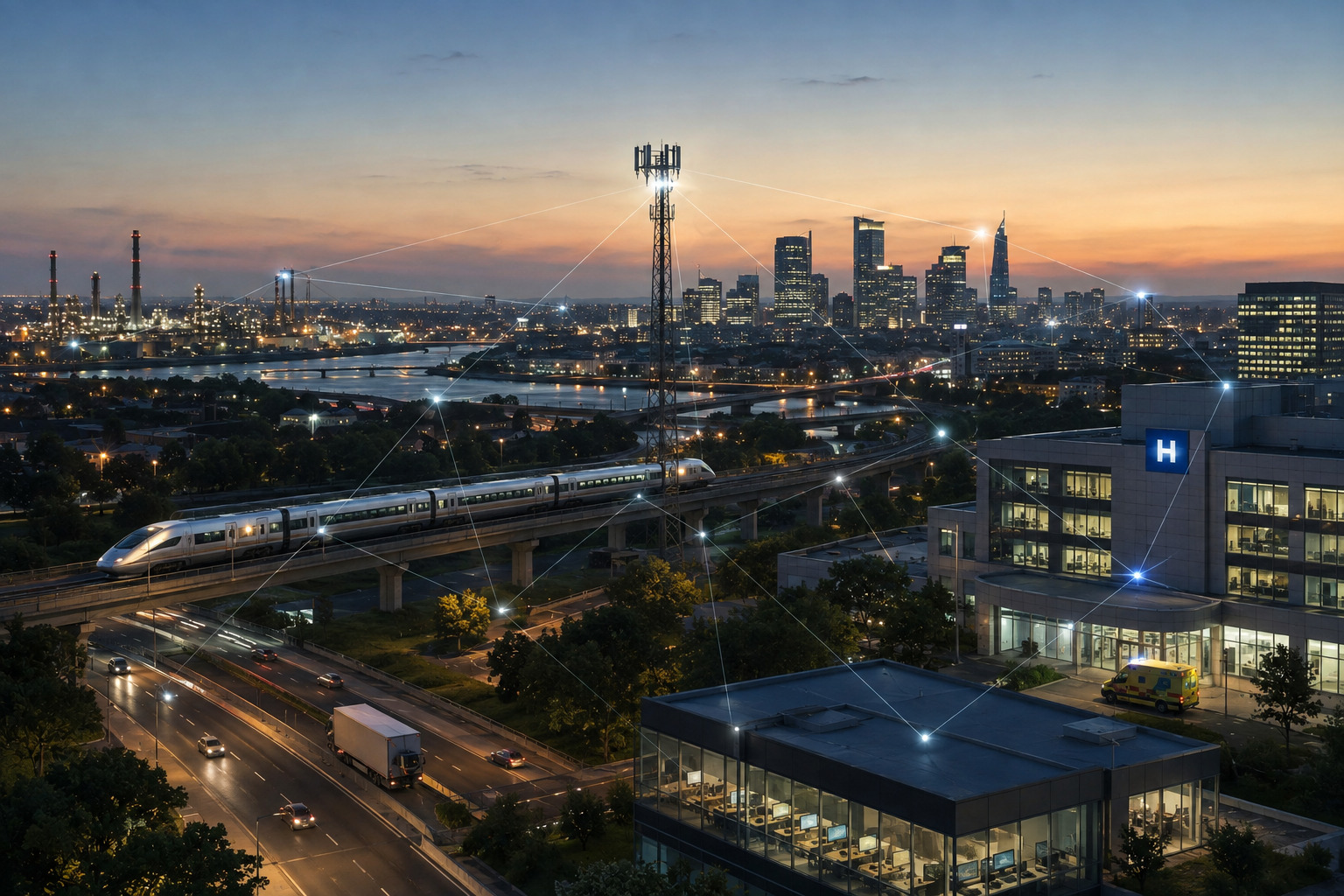
Assisted and autonomous functions are introduced in controlled use cases, building operating experience before wider rollout.
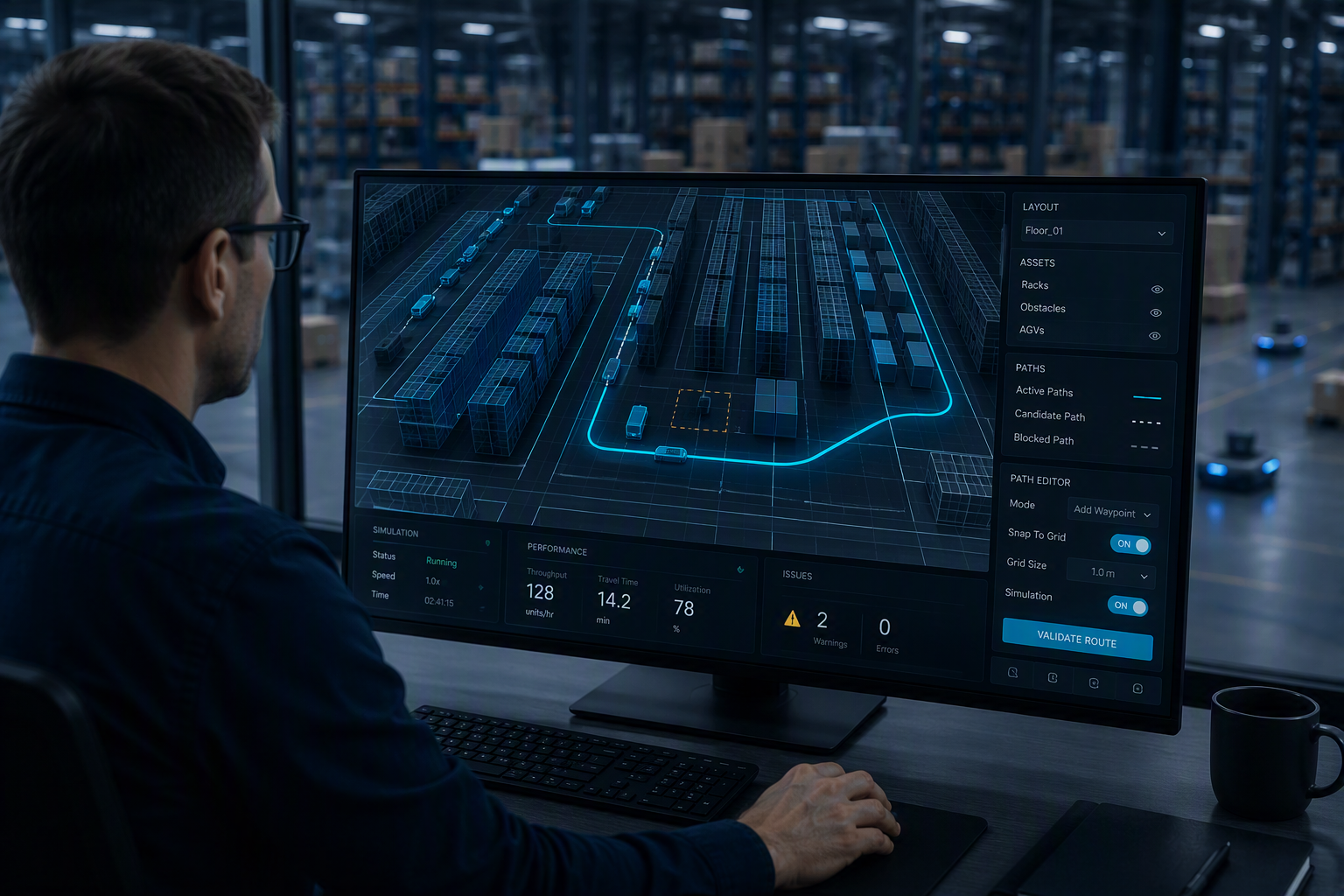
Fleet connectivity, software and security lifecycle are managed centrally so a growing vehicle fleet stays consistent and current.

Vehicle telemetry, mission status and sensing data are folded into broader asset and workforce processes, not left standalone.

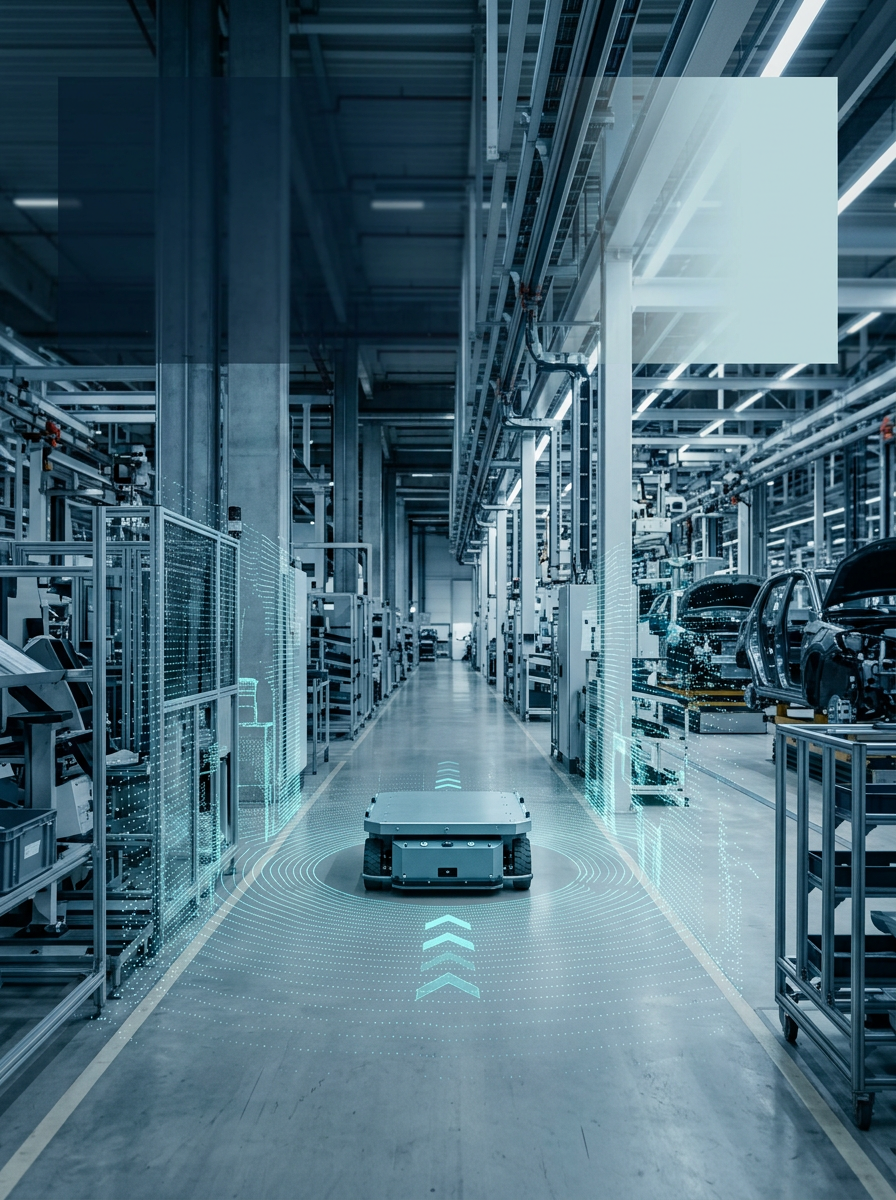
These targets are indicative: actual results depend on vehicle mix and integration depth, and vary by terrain and autonomy maturity.
Remote-operation availability is tracked from baseline through target, confirming vehicles are ready whenever dispatch calls on them.
Cycle time is measured from the moment a task is assigned to the moment a vehicle reports it complete.
Worker exposure to hazardous tasks is tracked directly, showing how much field work connected vehicles now take on.
Autonomous mission success and exception rates are monitored per vehicle, so confidence in wider rollout grows on evidence.
Connect telemetry, dispatch and safety systems so rovers, maintenance platforms and sensing units work as one fleet, not scattered machines.
