- All Foundries

- 商品管理と取引

- 顧客とマーケティング戦略

- デジタルエンジニアリング

- ステーション・スタジオ

- サプライチェーン&インダストリー5.0
- サステナビリティ

- Physical AI

- Next-Gen Infrastructure






Connected Offshore: Building the Intelligent Production Platform
Parallel networks are no longer enough.
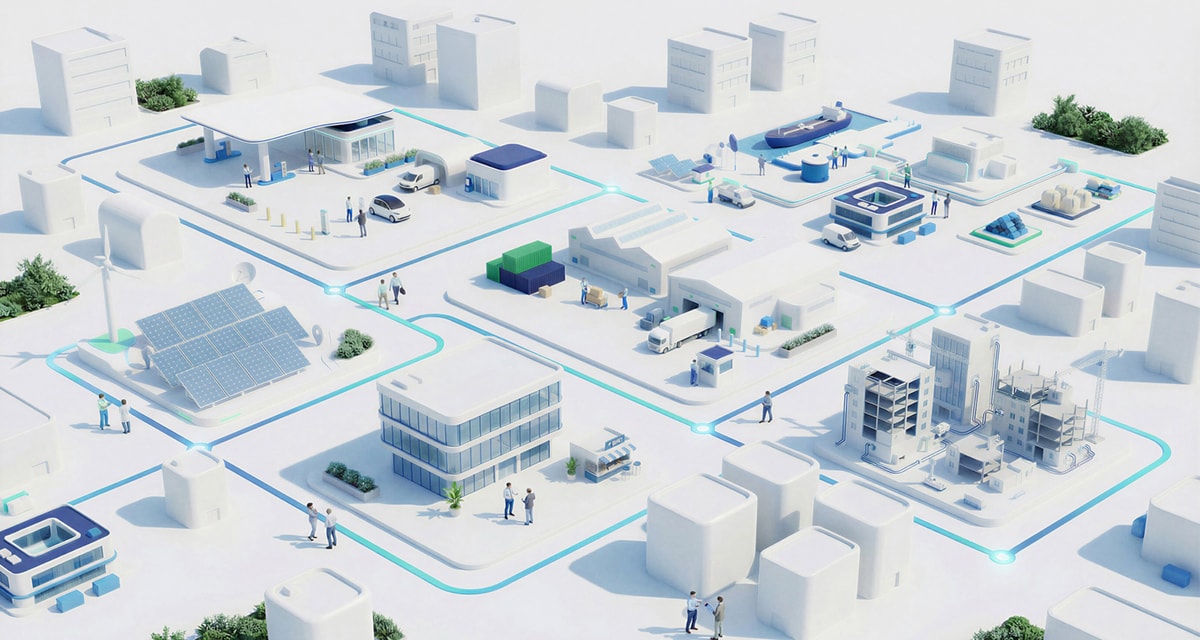
Oil and gas operations depend on IIoT, private networks, edge computing, and satellite paths to move data toward AI, automation, and decision support at scale.

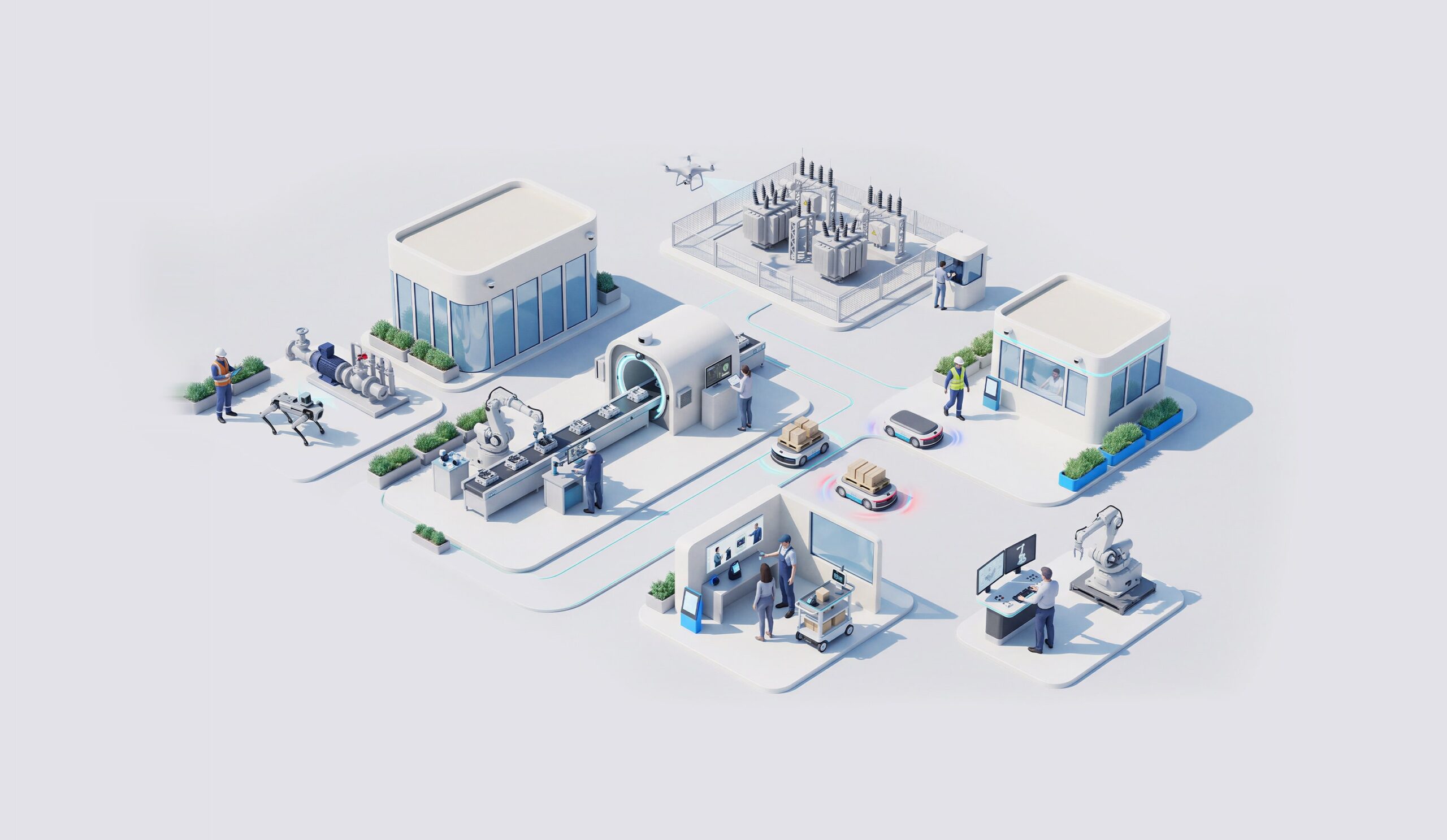
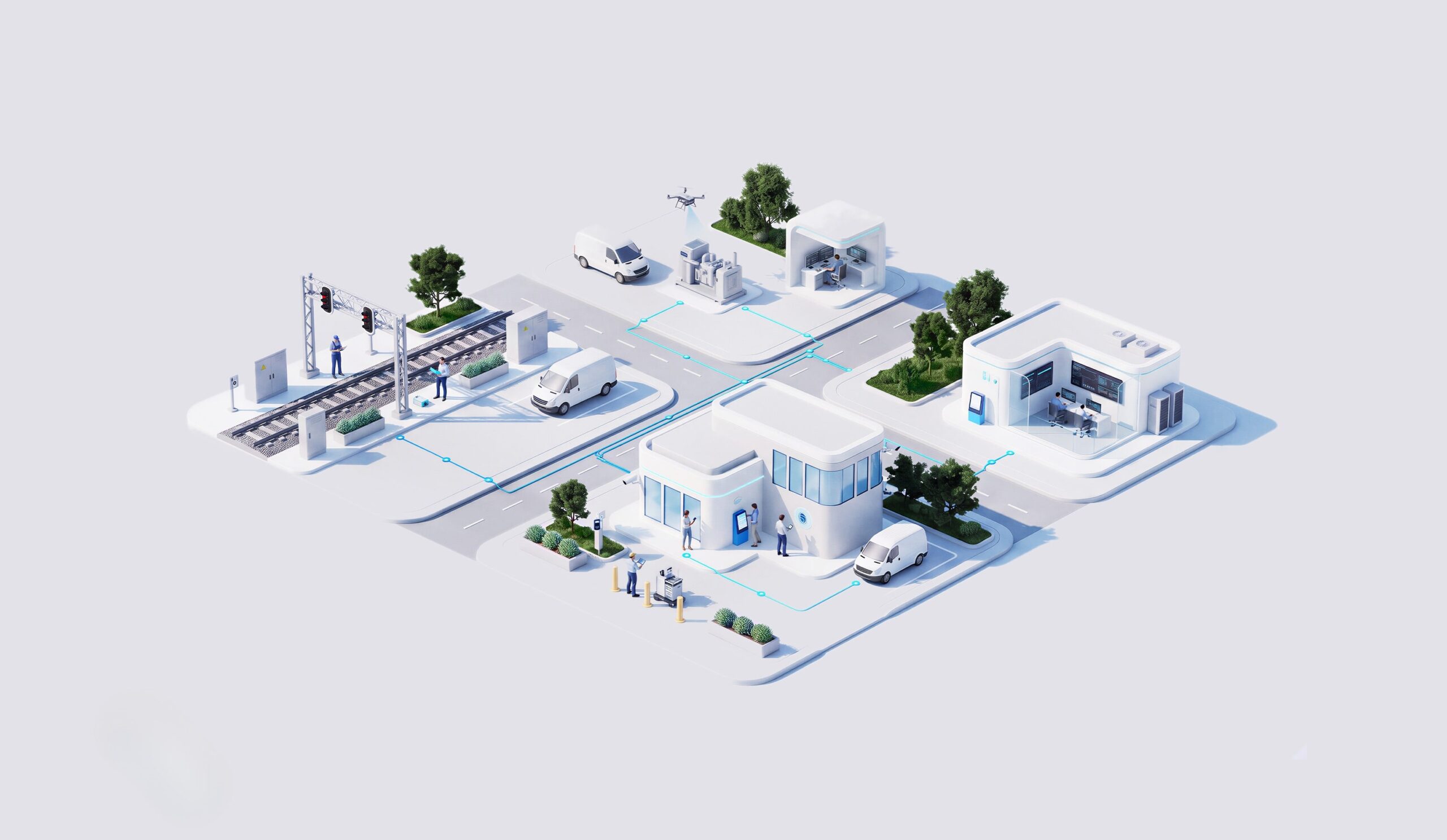
Bring IIoT, critical communications, private 5G/6G, edge and satellite into a coherent industrial architecture.
Use predictive detection, observability and self-healing to anticipate failures before they affect the business.
Replace implicit trust with identity, device and context-based access across IT/OT environments
Process operational data locally for computer vision, real-time analytics and safer automation at the edge.
NTTデータのサポート体制は?
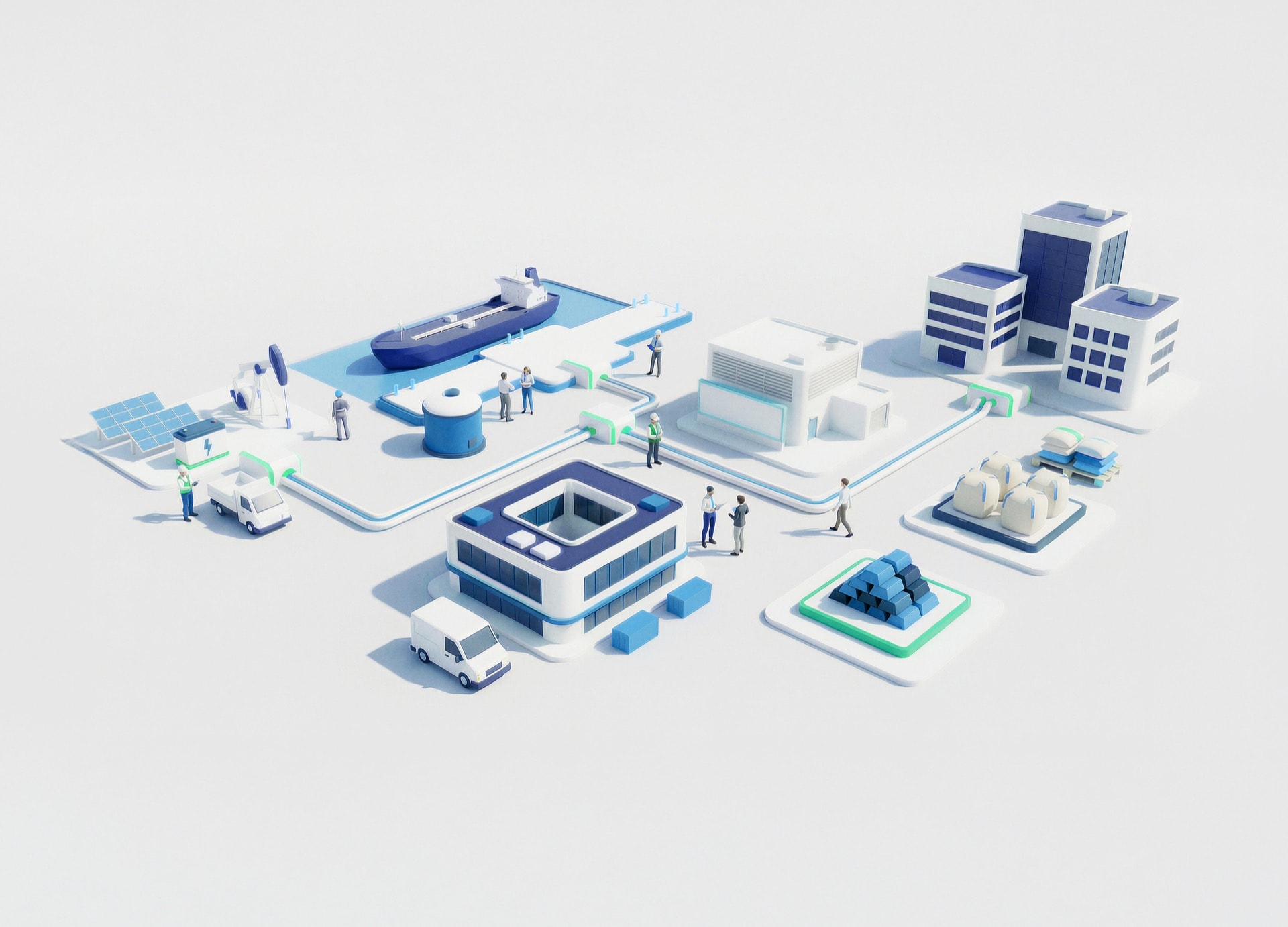
Private networks, satellite connectivity, edge, IIoT, and critical communications align around one scalable architecture

Access, identity, segmentation, telemetry, and continuous verification form an operating model, not a single product.
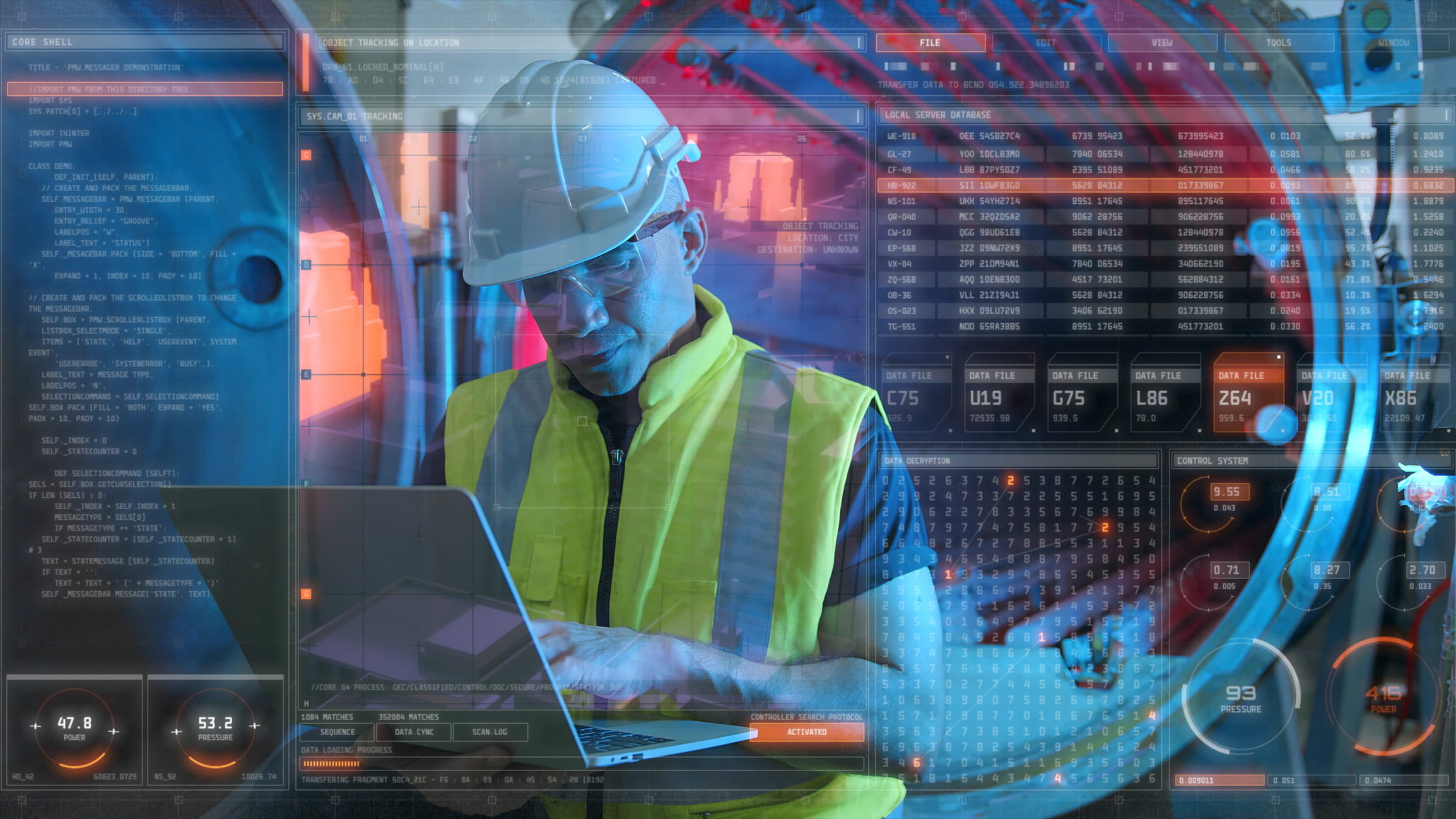
Sensors, operational systems, and enterprise platforms connect so AI can work from contextualized, governed, accessible data

Network operations become programmable, observable environments that support dynamic policies, orchestration, and faster remediation.

Emerging connectivity becomes usable at scale, backed by security policies the infrastructure can actually apply

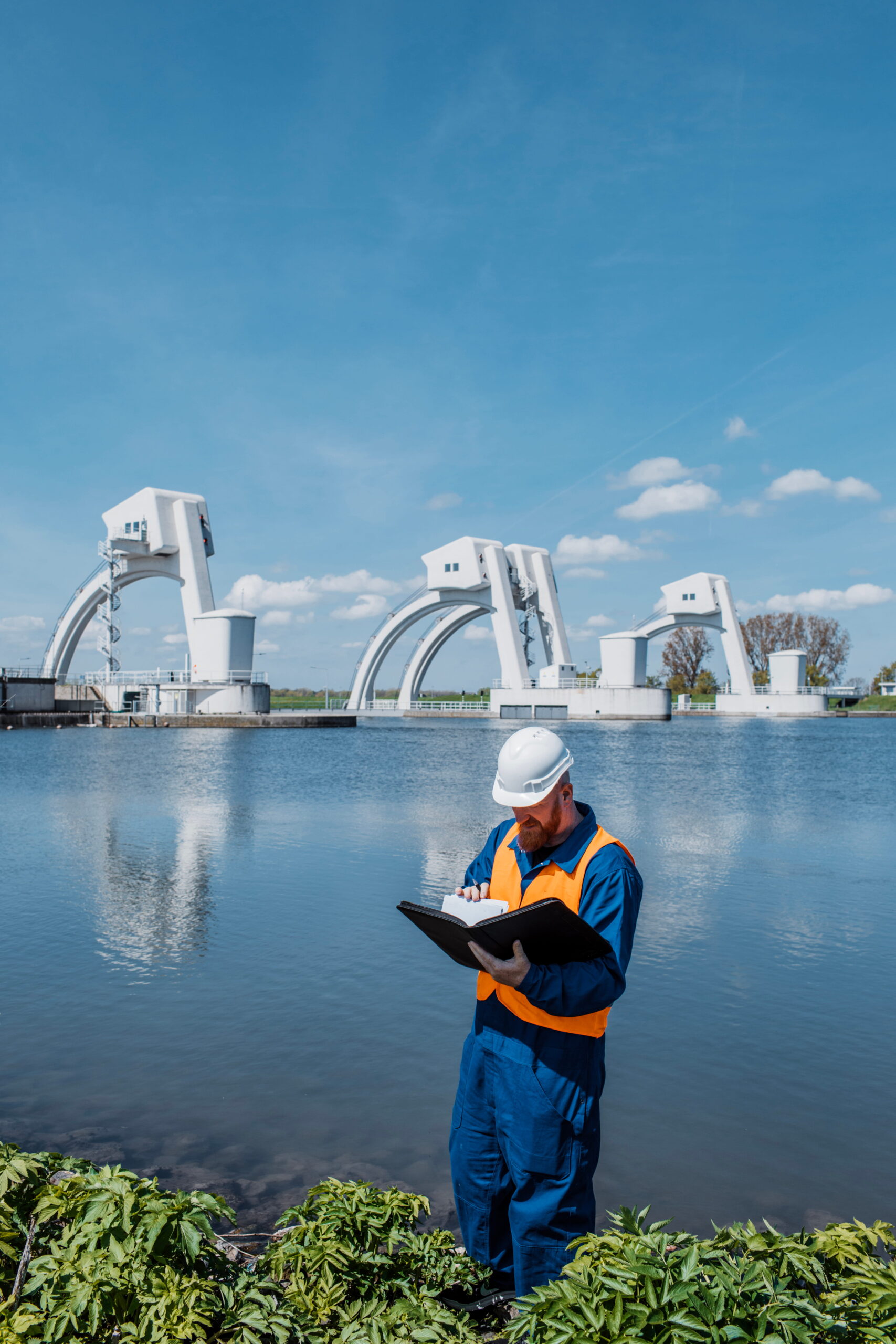
Safer technology adoption, enabled by convergent connectivity and Zero Trust architecture
269 vibration sensors in UO-BUZ and 488 sensors in UO-BS
Potential reduction of R$150MM/year with full installation completed
120 wireless sensors in RPBC resolved a PSV leak in 6 hours, versus up to a year previously.
Opti flow cited a potential R$47MM/year.

Shape the conversation that redefines resilience for the digital utility.