- All Foundries

- 商品管理と取引

- 顧客とマーケティング戦略

- デジタルエンジニアリング

- ステーション・スタジオ

- サプライチェーン&インダストリー5.0
- サステナビリティ

- Physical AI

- Next-Gen Infrastructure












シームレスな移動のためのデジタルチケット
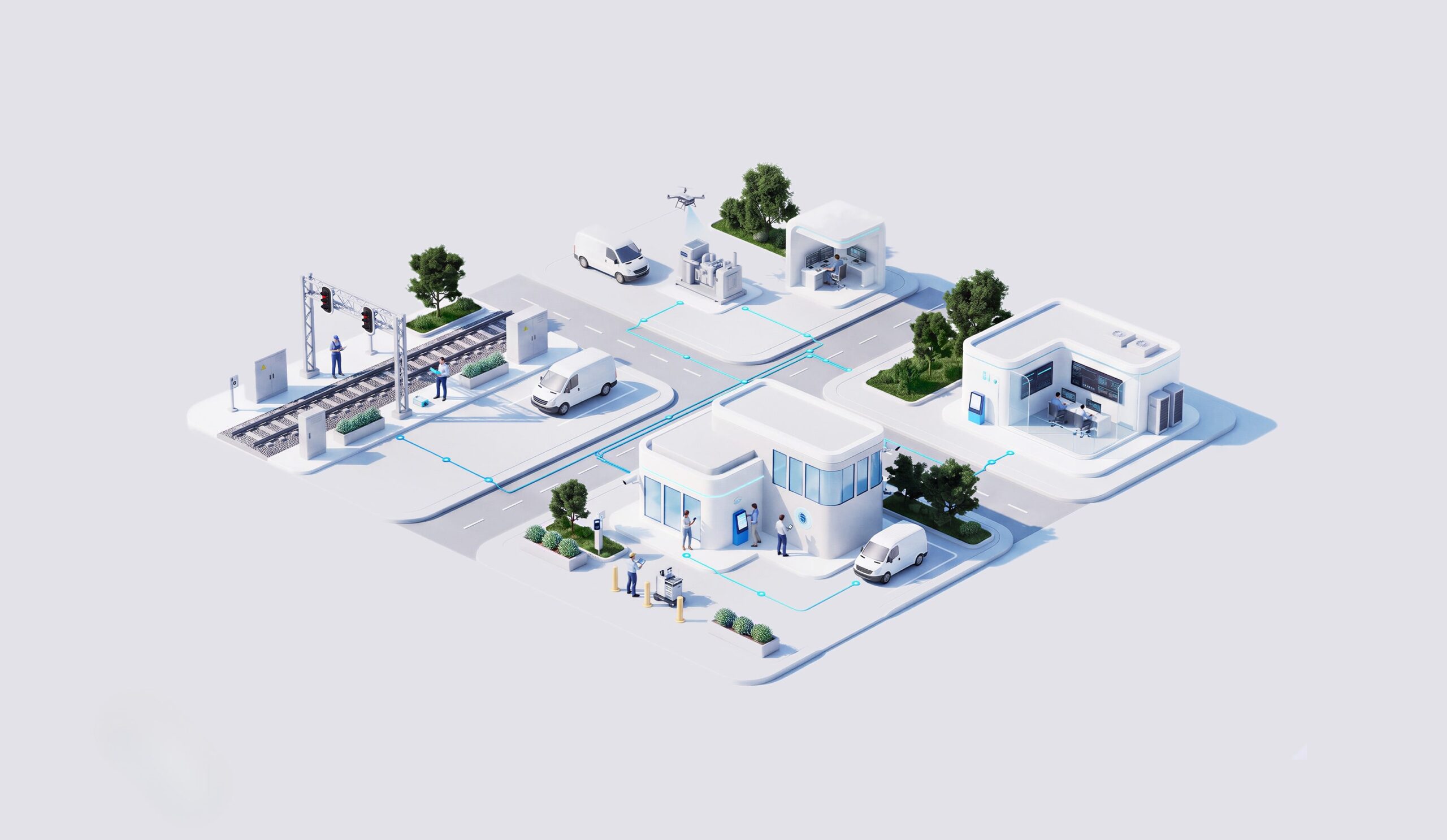
The passenger experience is only one part of the proposition. Operators and authorities also need dependable identity and token management, fare processing, payment orchestration, clearing and settlement, customer service, data governance, security and integration with existing validation and mobility systems.

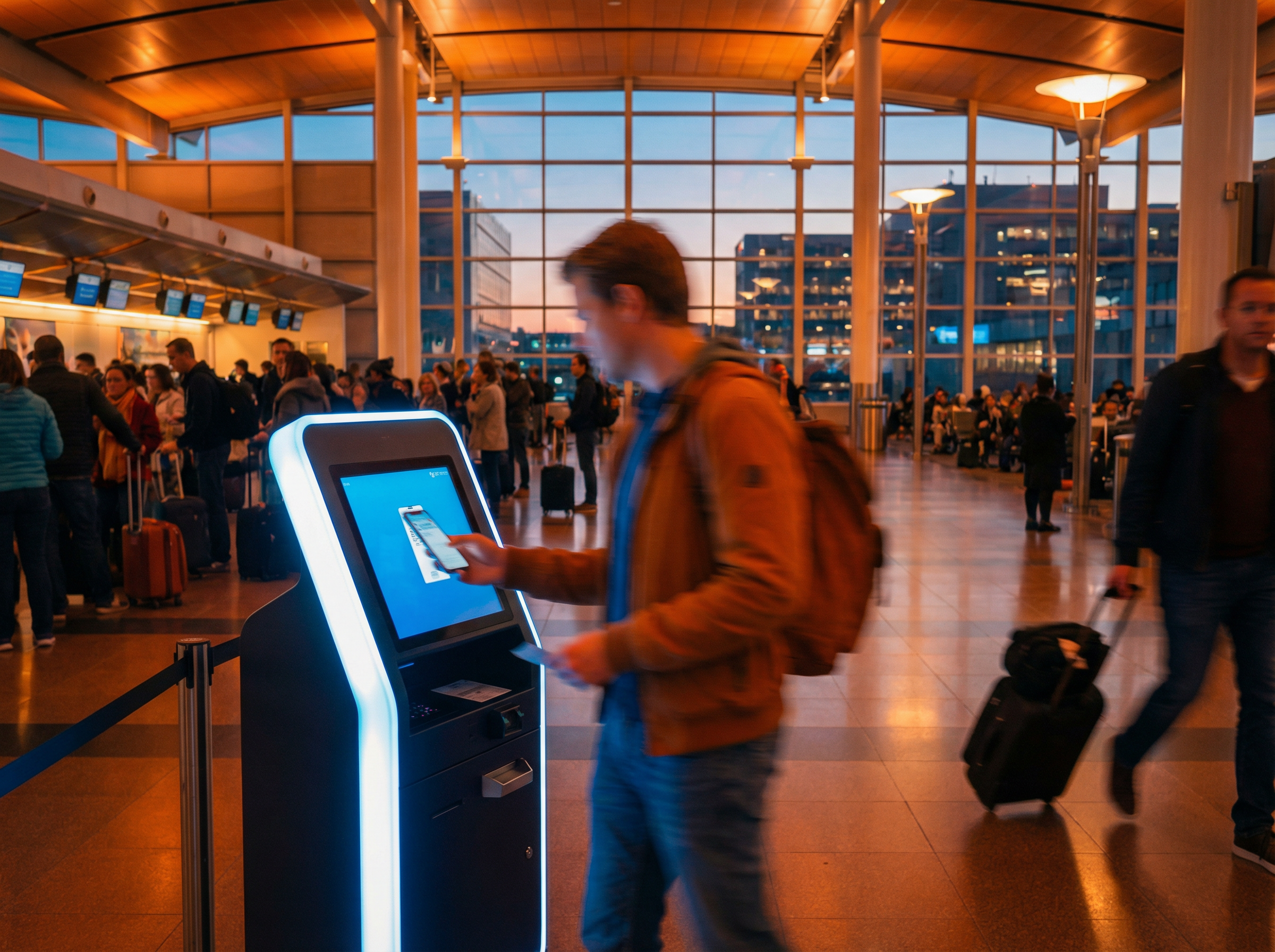
Enable passengers to use an approved credential across participating services without buying a separate product for every leg.
Connect ticketing with relevant planning, service and customer-information channels across the mobility ecosystem.
Apply agreed business rules for fare calculation, payments, clearing, billing and revenue allocation.
Use governed transaction and journey information to understand adoption, exceptions and service performance.
NTTデータのサポート体制は?
Identify the target journeys, passenger groups, participating services, channels and outcomes. Clarify what seamless means for the selected network rather than treating it as a generic promise.
Define credentials, accounts, entitlements, fare rules, concessions, payment journeys, exceptions and customer-service responsibilities for the approved scope.

Establish the APIs, data standards, integration patterns and governance needed to coordinate validators, sales channels, back-office platforms and MaaS services.

Apply approved rules for payment processing, clearing, settlement, reconciliation, security, privacy, auditability and dispute handling across participants.

Pilot defined journeys, monitor operational and customer indicators, resolve exceptions and expand only when the evidence supports the next phase.


Digital ticketing creates value when it improves a defined passenger journey and the processes that support it. Establish the baseline, target population, participating services and measurement period before implementation.
Share of eligible journeys or passengers using the approved digital or account-based service.
Share of validation attempts completed successfully within the selected network and period.
Change in the time required to access the selected service or complete the approved ticketing journey.
Reduction in failed payments, unresolved fare exceptions or manual interventions for the approved scope.
Create a practical roadmap for account-based, multimodal ticketing that balances passenger simplicity with the fare, payment, settlement, security and governance needs of the mobility ecosystem.