



反応的から先制的へ:運用コスト削減に向けて
Business leaders need operations that are more predictable, safer and easier to scale. Moving from reactive maintenance to proactive operations helps organizations reduce avoidable interventions, protect asset availability and give teams the visibility they need to decide what requires action, what can wait and what can be managed remotely
A proactive approach helps operations and maintenance teams focus effort where it creates the most value: preventing incidents, reducing urgent work, improving safety and planning resources with better information

Act earlier on the first signs of deterioration, recurring issues or abnormal behavior, reducing the need for last-minute corrective work and helping teams address root causes instead of symptoms
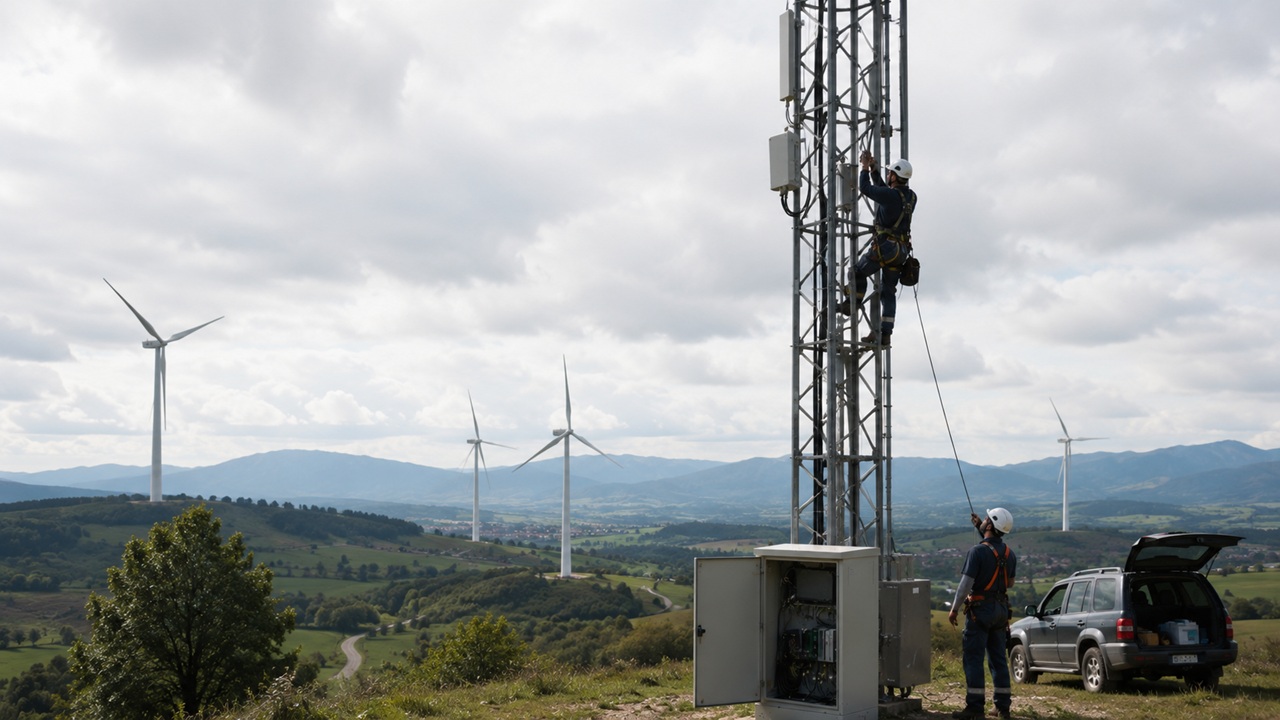
Reduce avoidable field visits, emergency work and manual inspection effort by shifting more activity toward planned, remote and condition-based operations
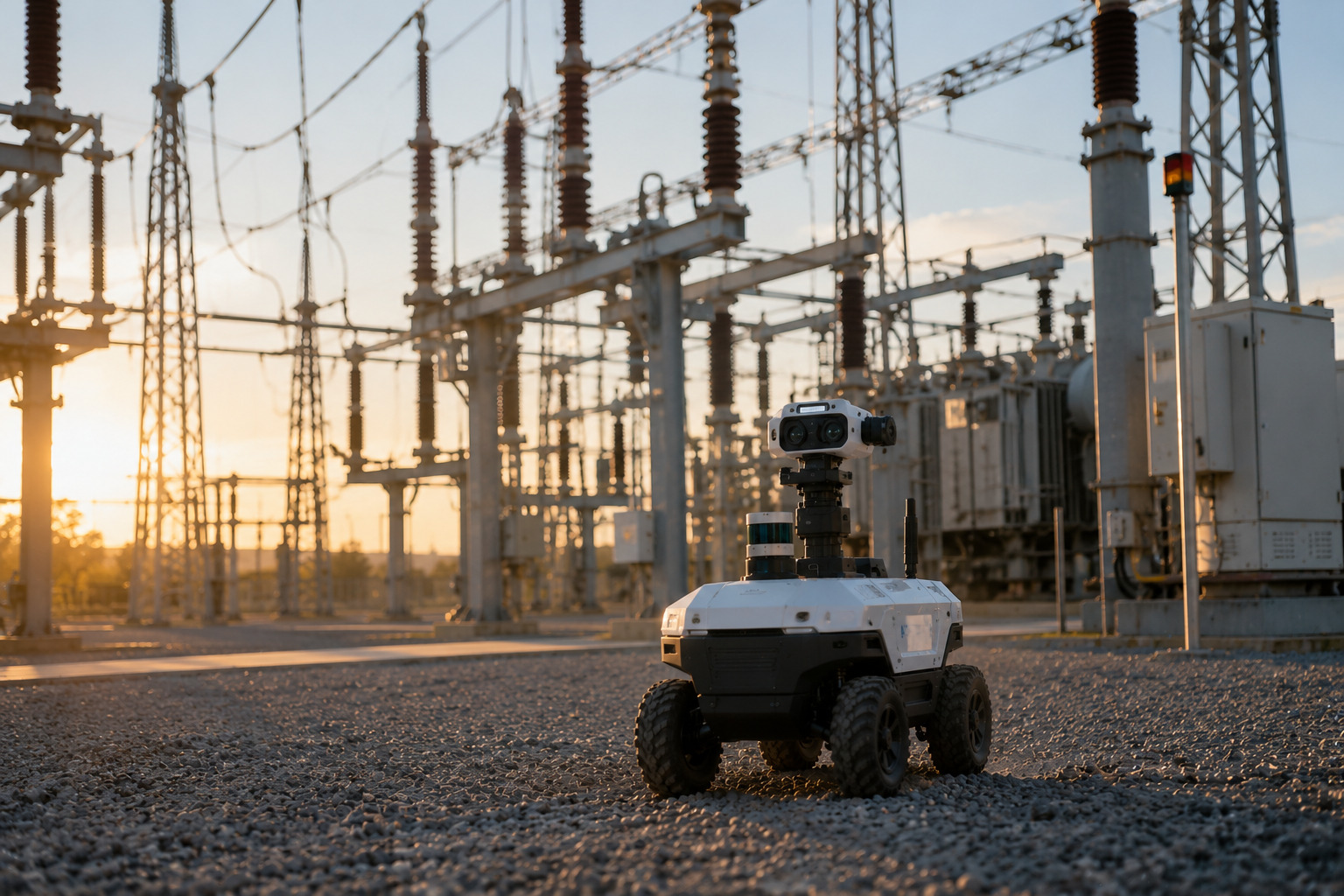
Give control rooms better visibility before sending people on-site, helping reduce unnecessary access to hazardous, isolated or hard-to-reach areas
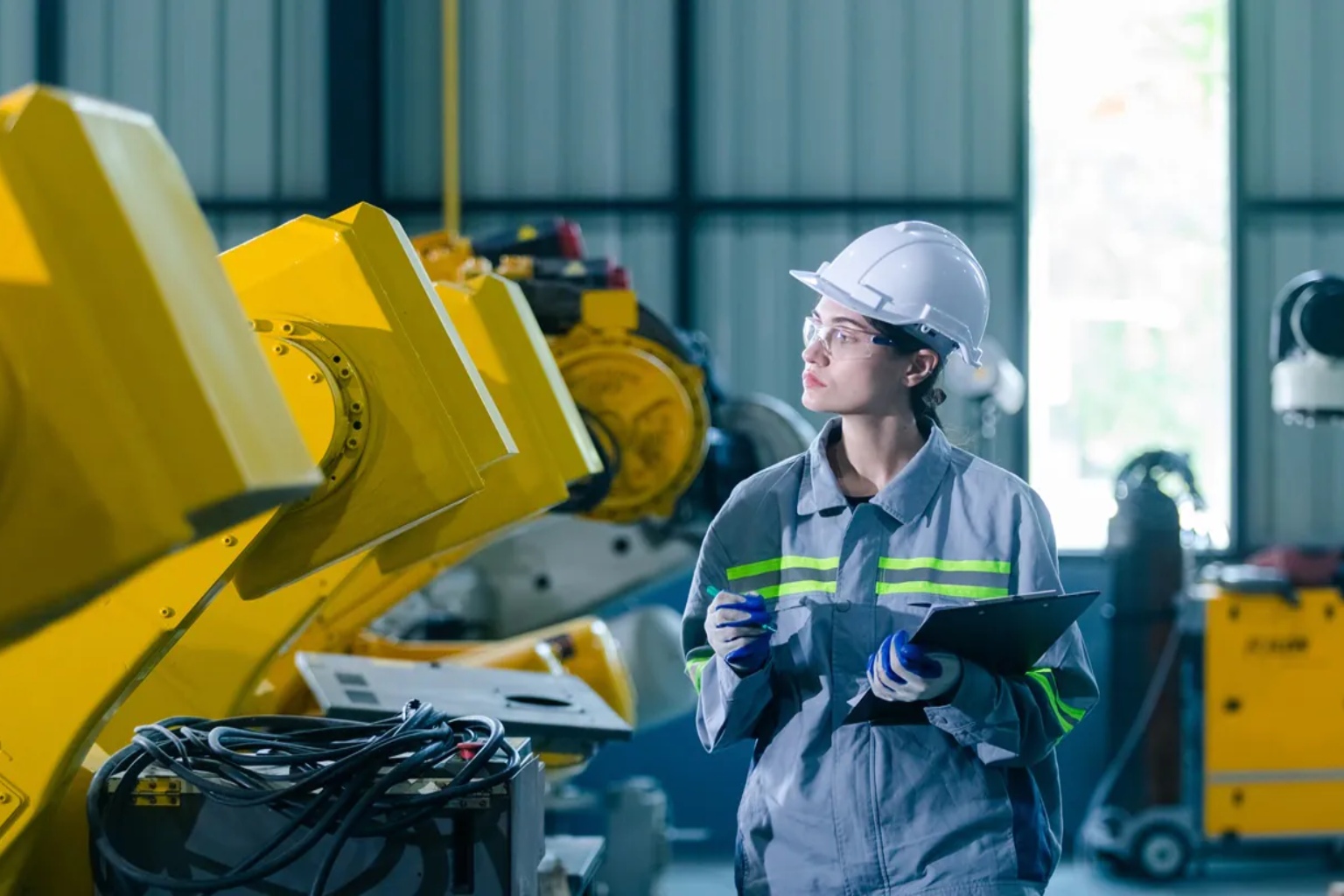
Turn operational information into clearer priorities so maintenance teams can decide which work should be done first, which resources are needed and how to plan interventions more efficiently
NTTデータのサポート体制は?
We assess critical assets, current maintenance processes, inspection routines, data availability and operational constraints to identify where proactive operations can create the strongest business impact

We develop models that analyze operational signals to detect anomalies, degradation patterns and potential failures before they affect continuity or require urgent intervention

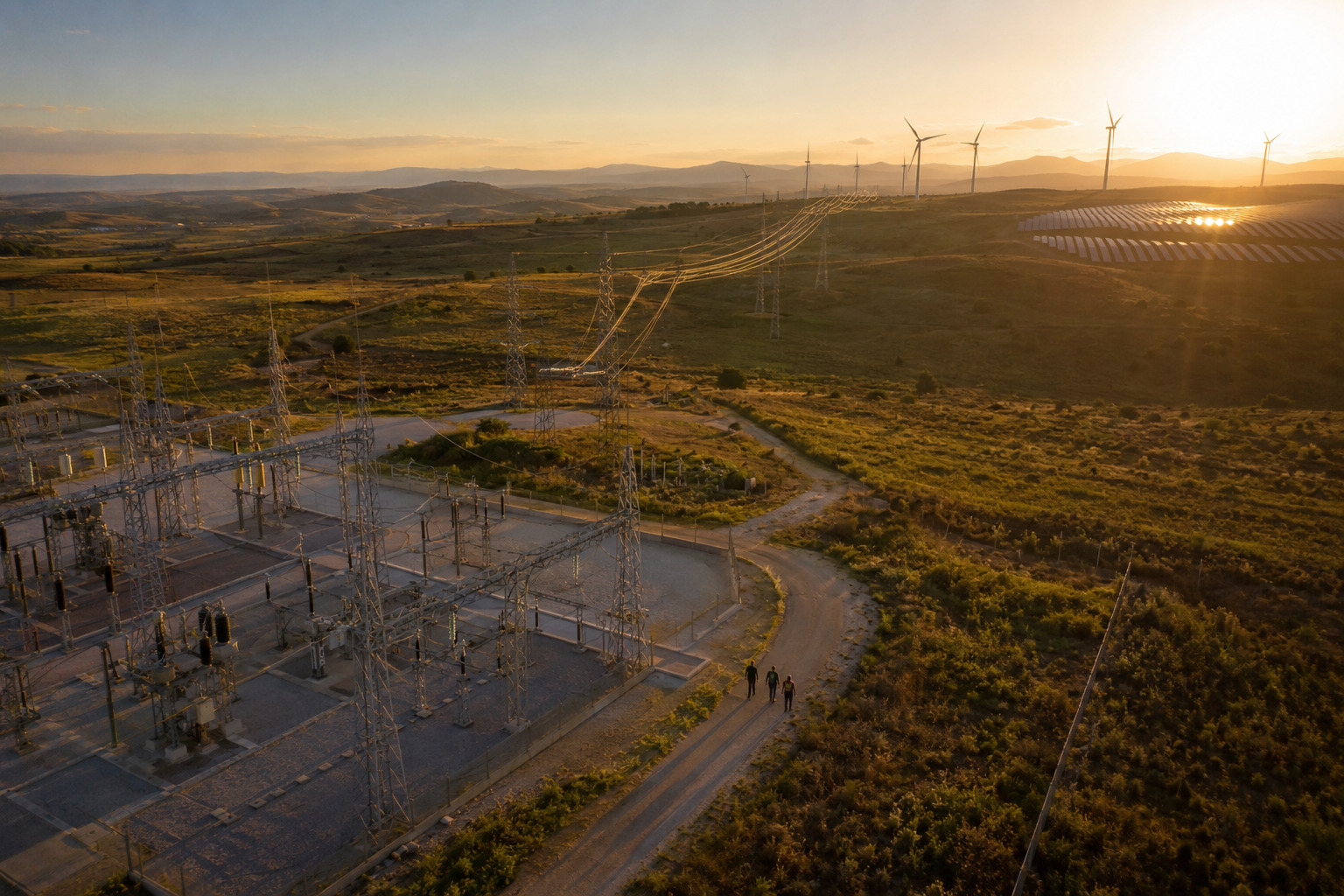
We use computer vision on camera, video or drone images to automate visual inspections, monitor asset condition and alert teams when abnormal situations require attention

We apply advanced analytics and optimization models to prioritize work orders, allocate resources, reduce unnecessary travel and support more efficient execution

We integrate predictions, alerts and inspection outputs into dashboards, control-room routines and maintenance workflows so teams can act consistently and with traceability

Operational control improved
Turning early visibility into lower OPEX
Early detection helps teams act before failures escalate
Remote visibility reduces unnecessary access to risky areas
Better data helps prioritize work and resources
Automated detection supports faster and consistent checks