


- All Foundries

- 商品管理と取引

- 顧客とマーケティング戦略

- デジタルエンジニアリング

- ステーション・スタジオ

- サプライチェーン&インダストリー5.0
- サステナビリティ

- Physical AI

- Next-Gen Infrastructure










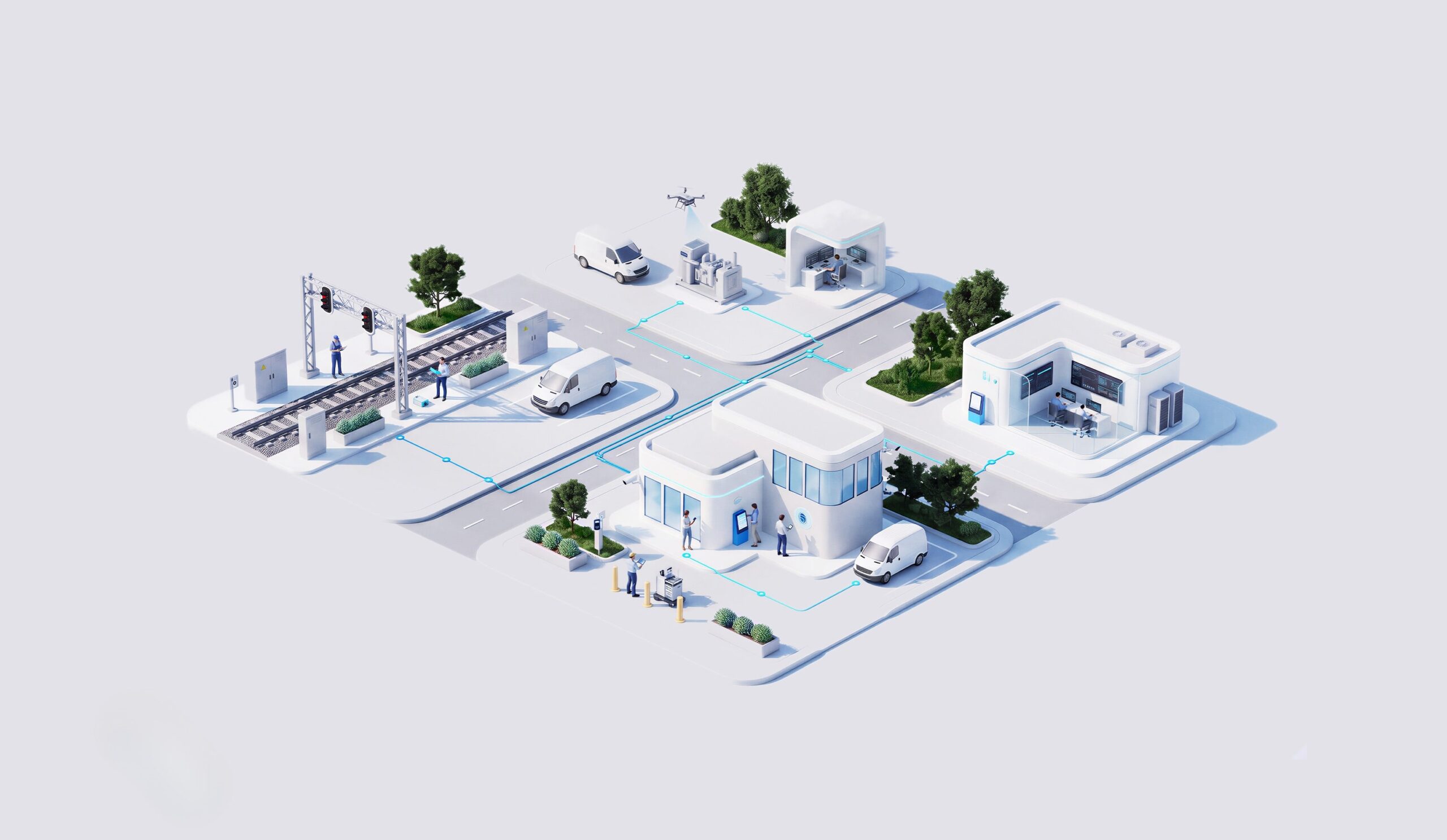



From Recommenders to an Agentic IROC
The next evolution of the IROC is a governed decision layer that understands context, evaluates trade-offs, and coordinates action around one shared operating objective.
An Agentic IROC connects domain decisions so the operation can reason across constraints, consequences, and total value.

Connect production, asset health, utilities, safety, and logistics.
Evaluate local recommendations against shared objectives and hard constraints.
Progress from copilot to local agent, cross-domain coordination, and orchestration.
Replan from overrides, exceptions, outcomes, and feedback.
NTTデータのサポート体制は?
Map critical decisions, recommender overrides, and cross-domain pain points.

Establish the critical-decision catalog, global objective, domain boundaries, constraints, and autonomy levels.

Design specialized agents and a master orchestrator for cross-domain trade-offs.

Link perception, context, knowledge, reasoning, action, and learning to existing systems.

We don’t treat autonomy as unlimited authority. Confidence thresholds, vetoes, escalation, traceability, and feedback define where action is allowed.


One system view across the value chain.
One objective for resolving domain trade-offs.
L1-L4 governed autonomy according to evidence and trust.
Continuous replanning through shift-level and periodic feedback loops.
Shape the IROC into a governed orchestration layer for the entire operation.


