- All Foundries

- 商品管理と取引

- 顧客とマーケティング戦略

- デジタルエンジニアリング

- ステーション・スタジオ

- サプライチェーン&インダストリー5.0
- サステナビリティ

- Physical AI

- Next-Gen Infrastructure












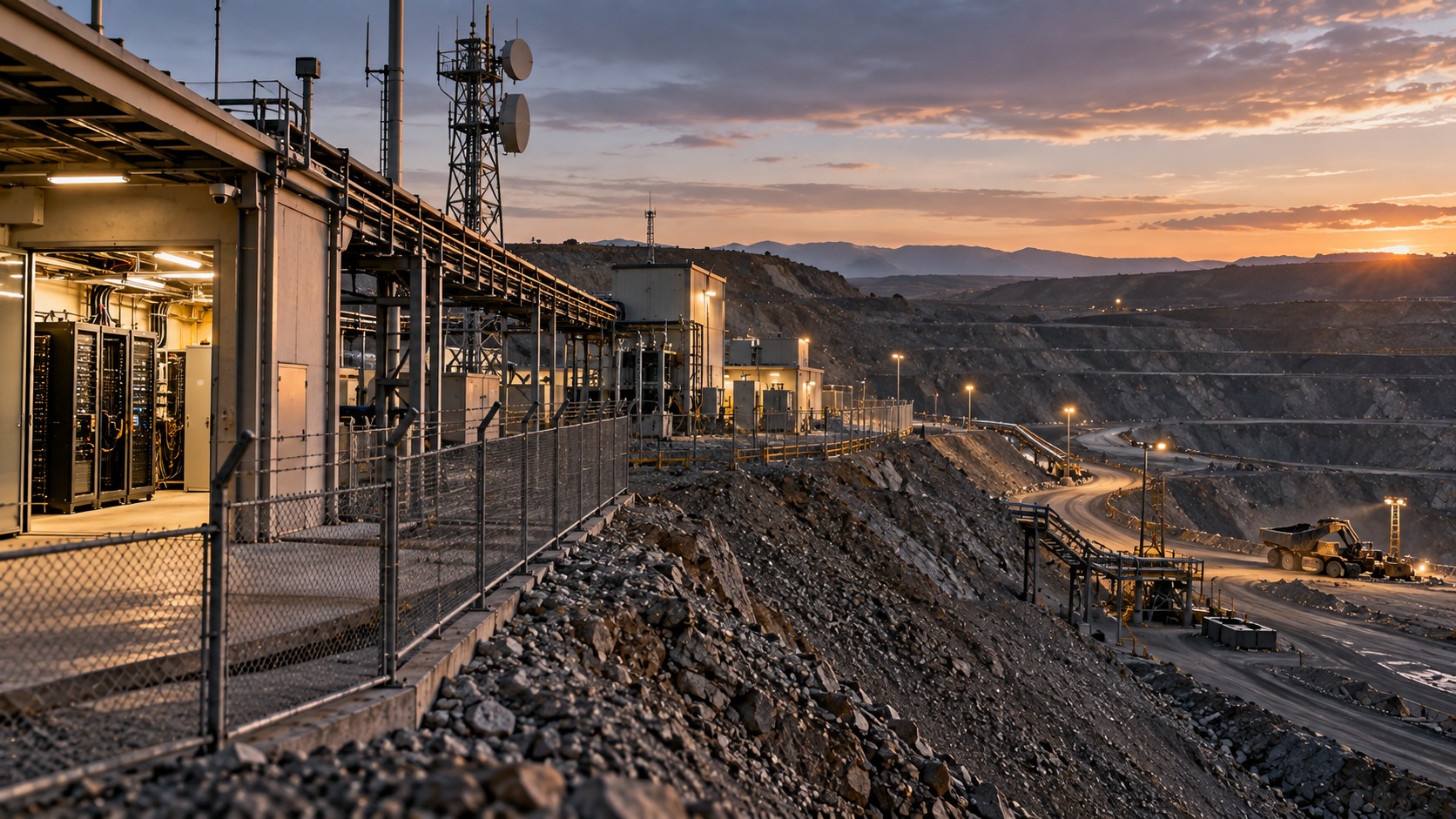
Multi-vendor mining operations without operational boundaries
The incident moves through contracts, not equipment. Meanwhile, the operation must decide whether to hold equipment, revert to local control or send people back into the hazardous area.
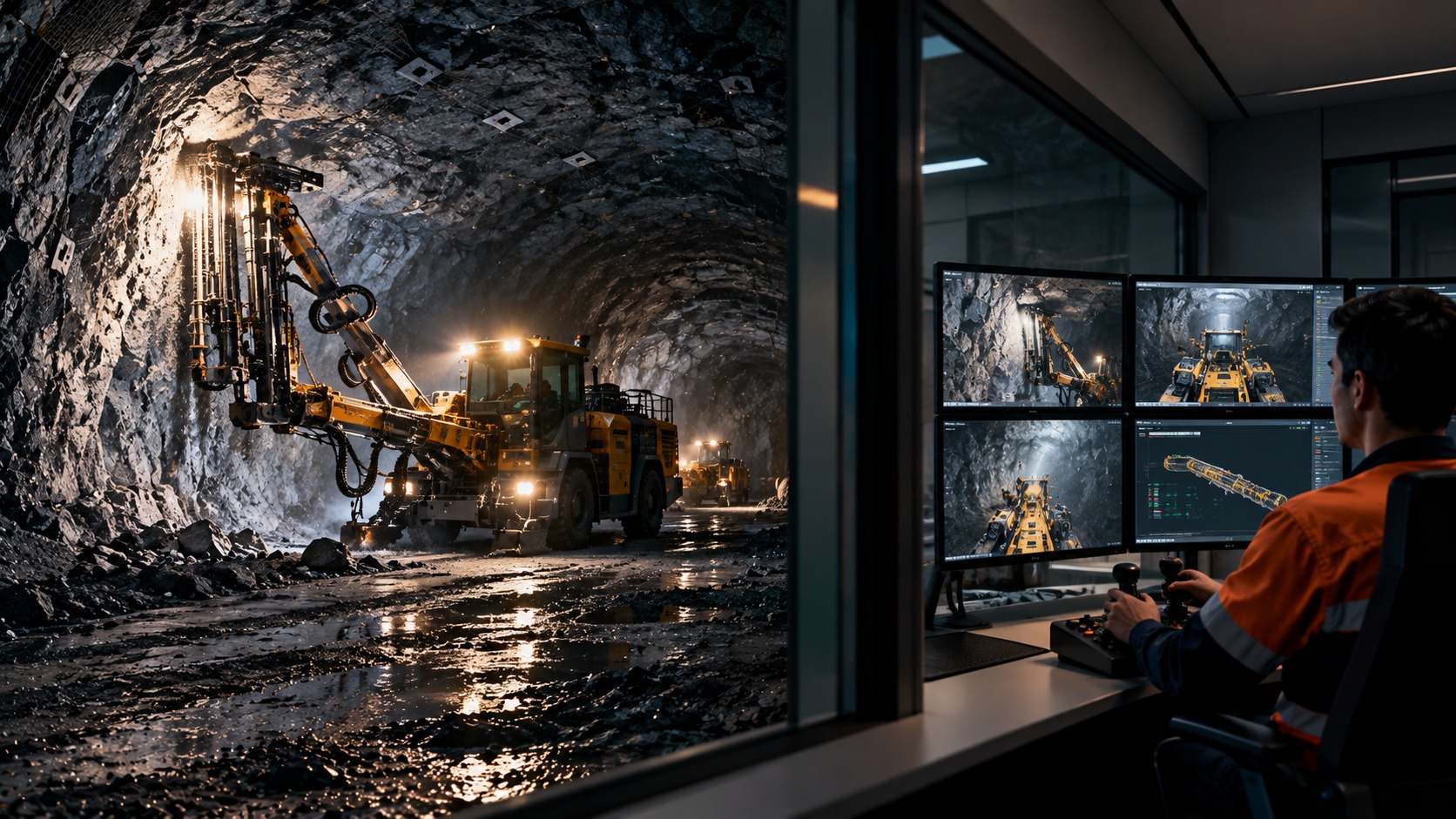
Remote operation is consumed as one ability, not as separate network, identity, application and OEM services.

Specialization no longer fragments the response to a condition the mine experiences as one event across several suppliers.
The questions become: what mining capability has been lost, and who owns restoring it across the full technology dependency chain?
Ambiguity at the seams is reduced, because one service authority coordinates diagnosis, escalation and restoration across providers.
Recovery priorities stay aligned with safety and production rather than with the order in which supplier tickets happen to move.
NTTデータのサポート体制は?
Specify what remote operation must preserve, when local control is acceptable and what conditions require equipment to stop.
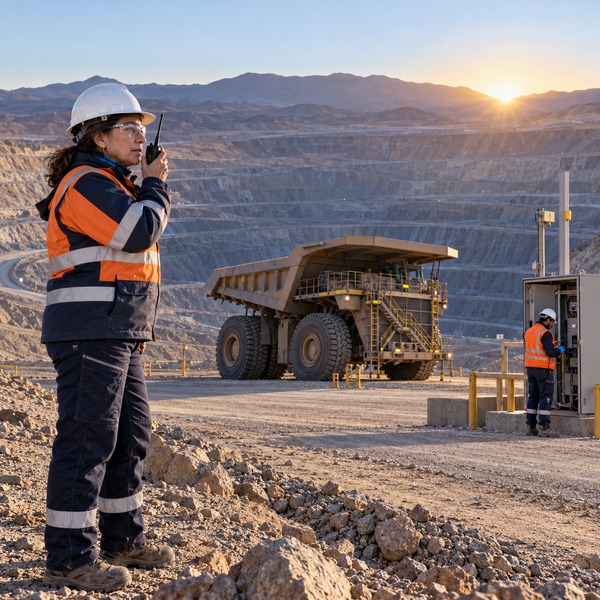
Trace the service across field devices, OEM systems, applications, identity, compute, networks, cyber controls and support, including seams.
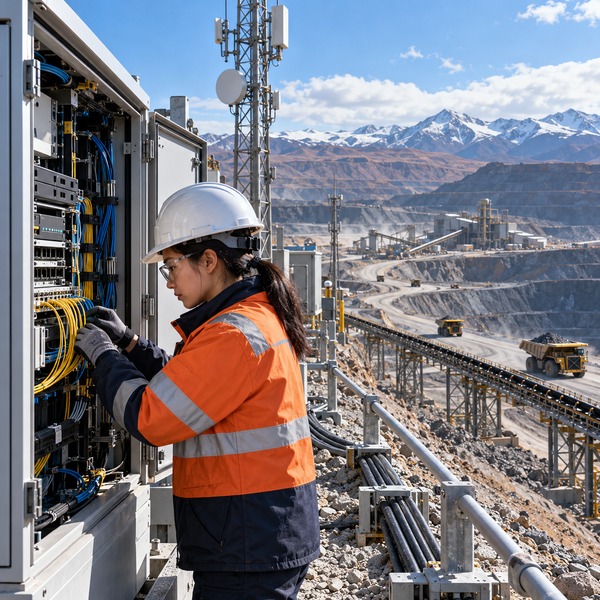
Create one service authority able to coordinate diagnosis, escalation and restoration without waiting for the mine to prove which contract contains the fault.
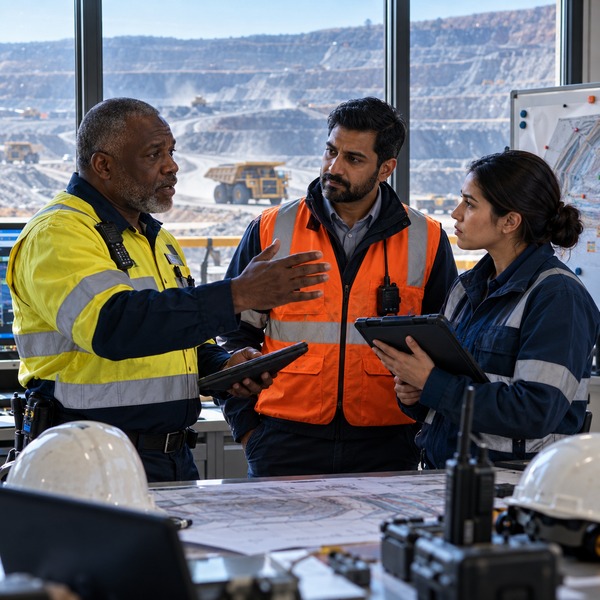
Correlate telemetry, alarms, tickets, changes and operating context into one chronology so providers work from the same event.
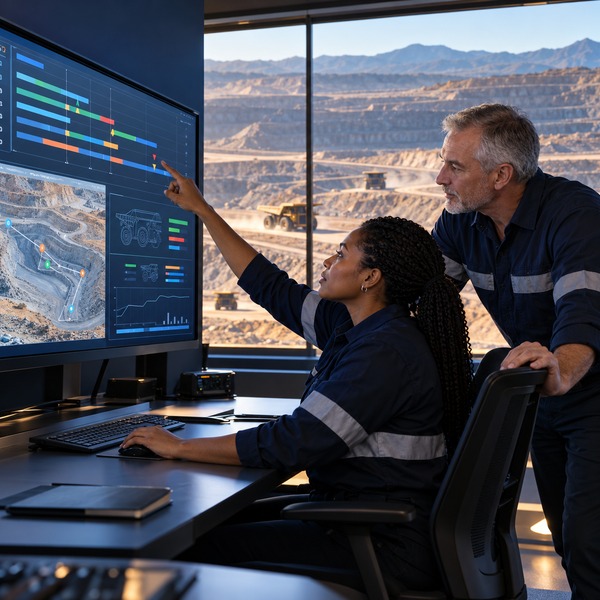
Define who acts, in what sequence, how safe fallback is invoked and how the operation confirms that the capability is restored.

Use incidents and controlled exercises to expose slow handoffs, missing authority and blind spots, then feed them into processes and agreements.
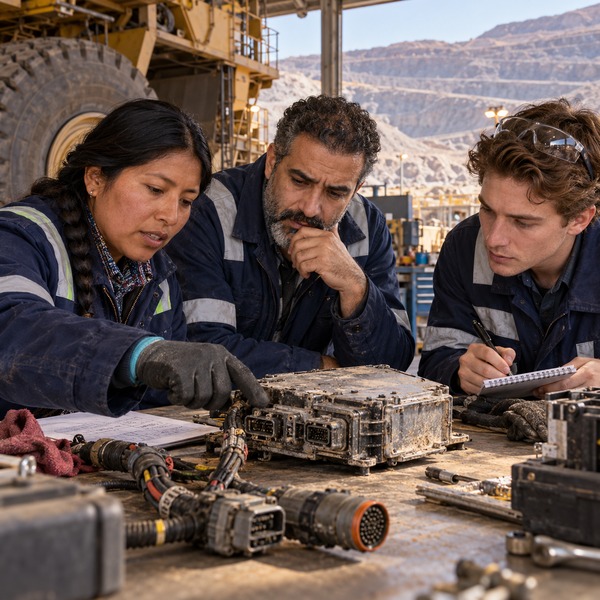
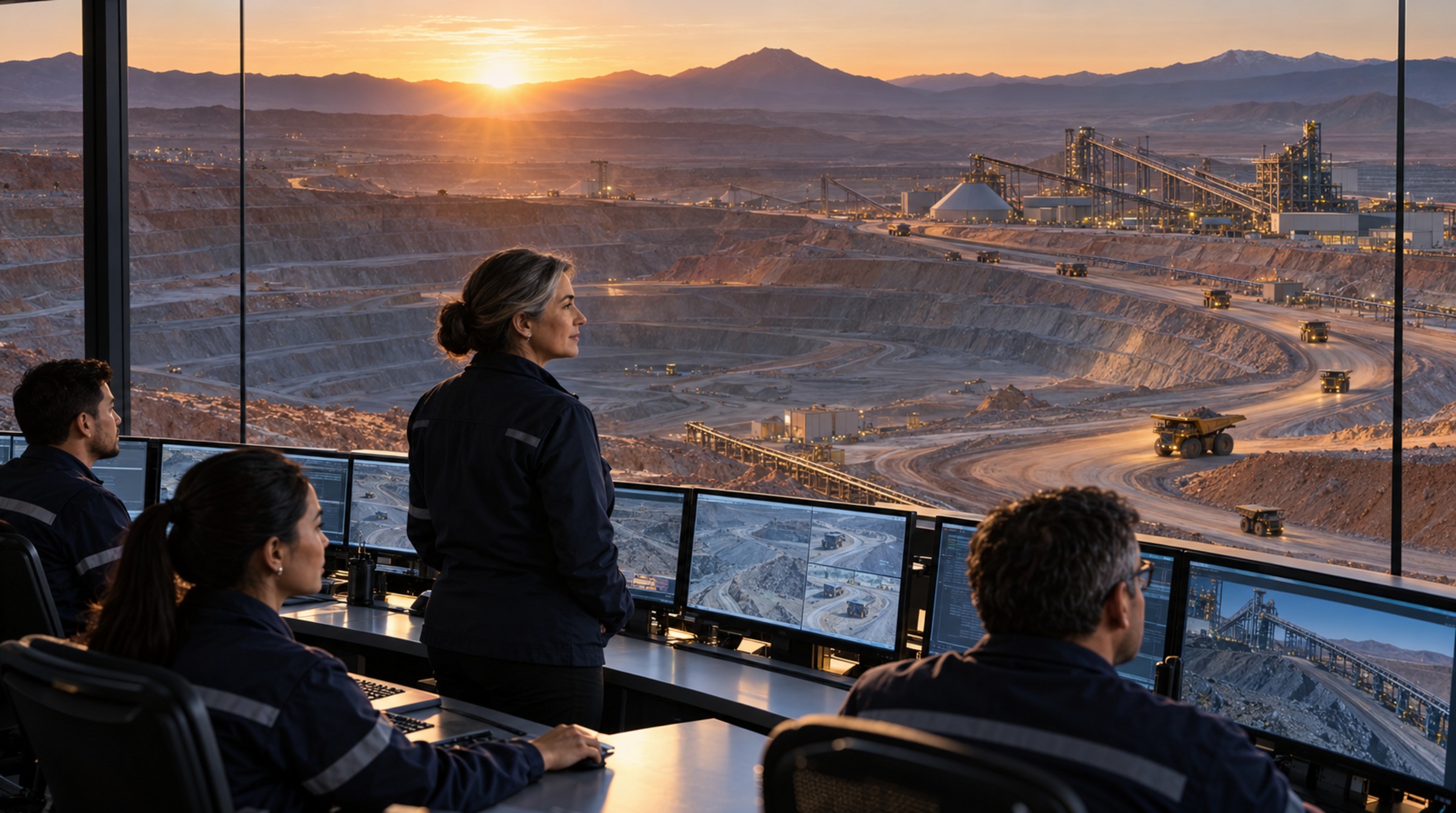
SIAM coordinates delivery, issue resolution and provider relationships through common processes, metrics and integrated toolsets. When suppliers enable one capability, the mine needs one restoration path.
The mine may source technology from many vendors. It still needs one operating path through the incident.
Success is not that every provider eventually closes its ticket. It is that remote operation is restored and trusted again.
The mine knows who owns the incident, what capability is degraded and what operating mode is safe while restoration proceeds.
The suppliers can remain specialized and their contracts separate. The recovery path cannot be fragmented across all of them.
Telemetry, alarms, tickets, changes and operating context are correlated into one chronology so providers work from the same event.
Explore how end-to-end incident ownership can keep vendor boundaries from becoming operating boundaries in remote mining.