Global Asset Management & Maintenance Transformation
When maintenance operates differently across businesses and countries, complexity compounds at every handoff. A multi-country energy group addressed this fragmentation through a common SAP model that aligned maintenance processes, data and reporting across generation businesses while protecting operational continuity.
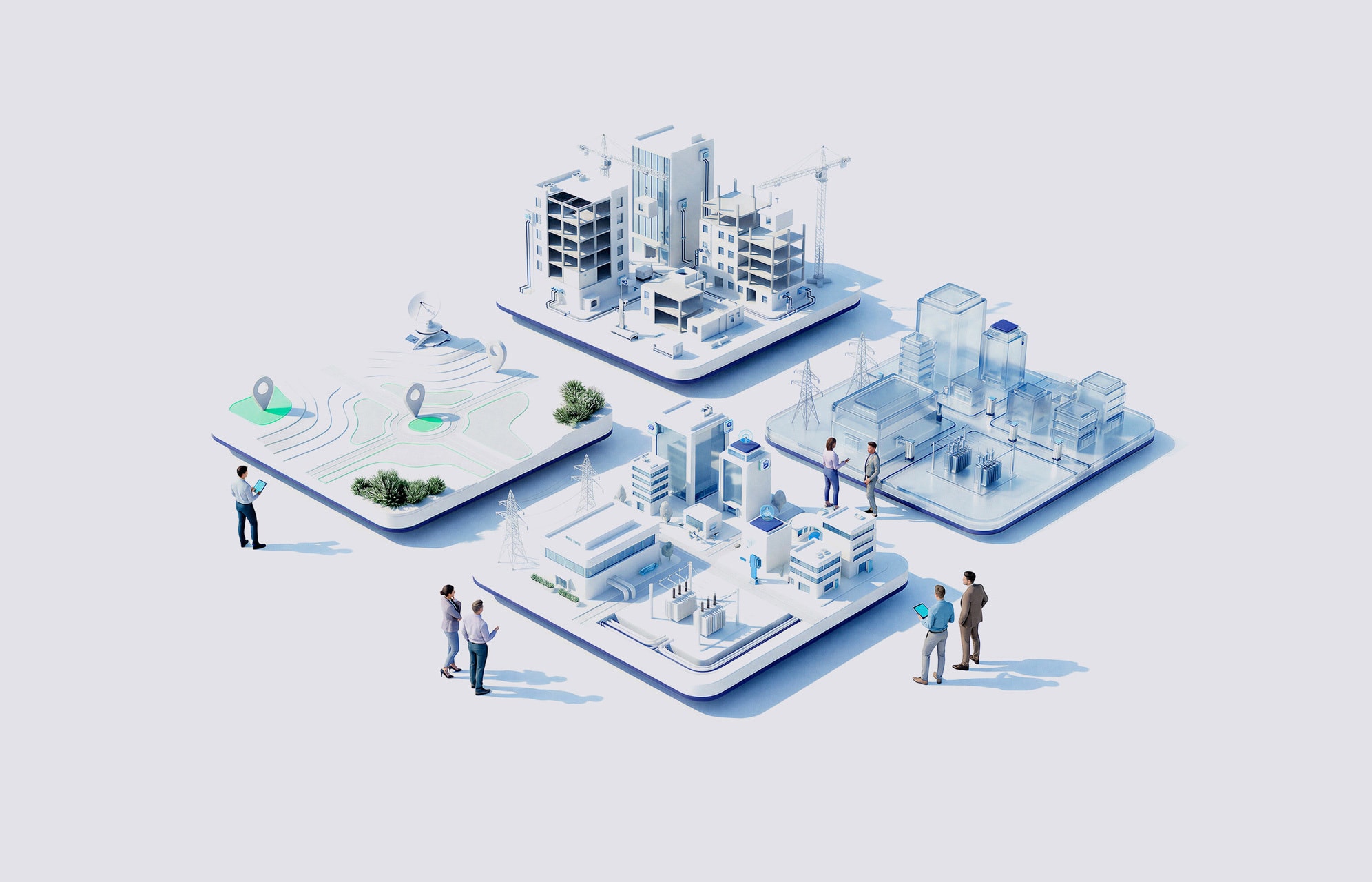
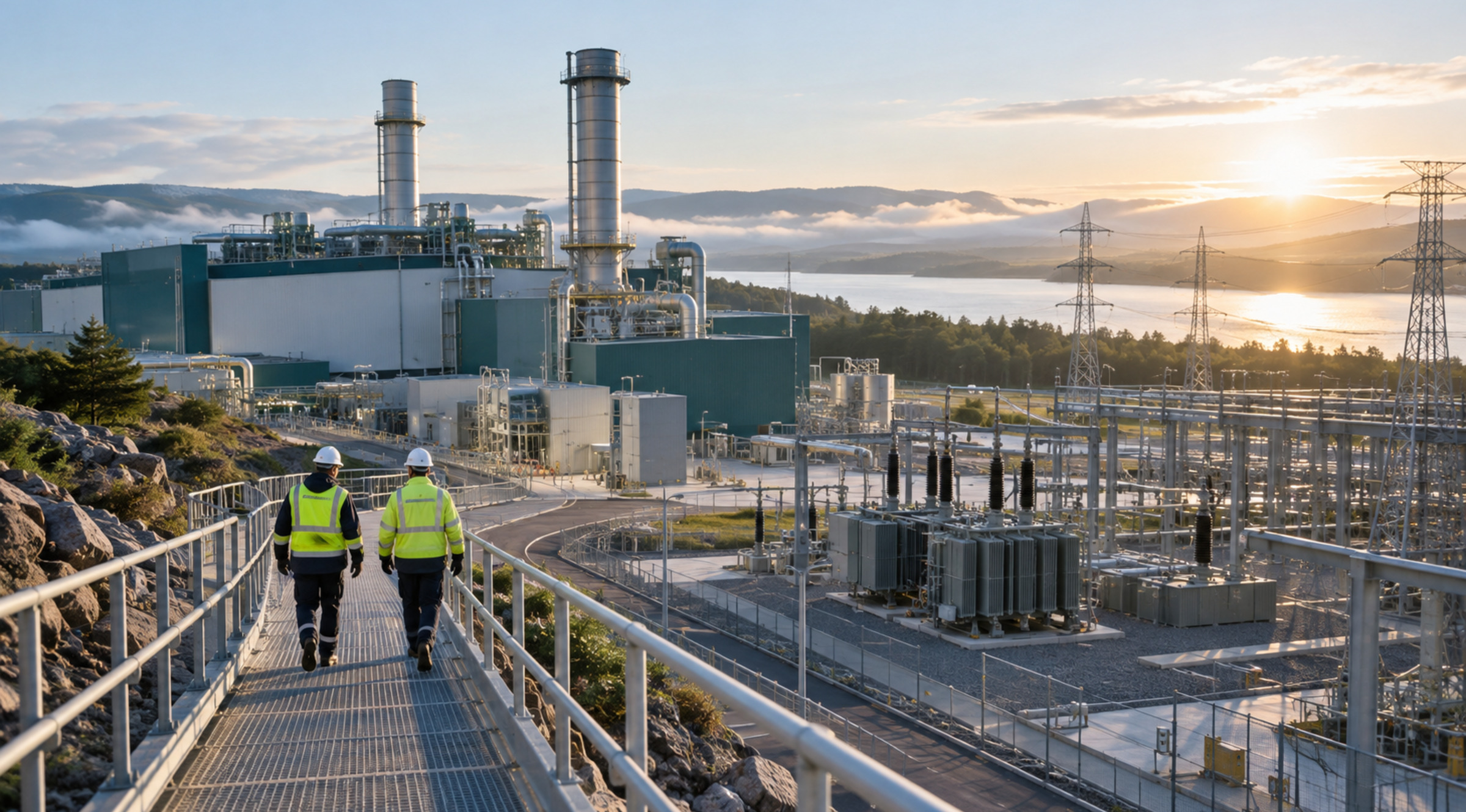
Two maintenance professionals walk through a large power generation campus with transformers, switchyard equipment and transmission lines at sunrise.
18 months
Documented programme duration
55 FTE
Documented programme team
Common process model
Maintenance harmonized across business units
Shared data foundation
Greater reporting consistency and synchronization
Two maintenance professionals walk through a large power generation campus with transformers, switchyard equipment and transmission lines at sunrise.
One maintenance model across a multi-country utility

A common operating and technology foundation brought maintenance processes, asset information and execution into closer alignment across generation businesses and countries.

Fragmented processes and data were limiting a consistent view of maintenance
OBJECTIVE
The programme set out to align local asset-management and maintenance operations with a global model without disrupting day-to-day delivery. Beyond system consolidation, the ambition was to move from fragmented, reactive activity toward maintenance informed by asset condition, criticality, failure signals and work requirements, so scarce resources could be directed to the interventions that matter most.
OPPORTUNITY
By reusing a documented operating and technology pattern across multi-country generation groups, the organization created a path to simpler maintenance landscapes and more consistent decision support. The shared foundation can help connect condition, risk and work information more coherently, enabling future maintenance and investment decisions to be made with clearer traceability.
Turning local variation into a dependable global operating model

Success depended on more than deploying technology. The programme had to reconcile processes, information and interfaces across businesses, while maintaining trust in outputs and continuity in the field.
Key Challenges
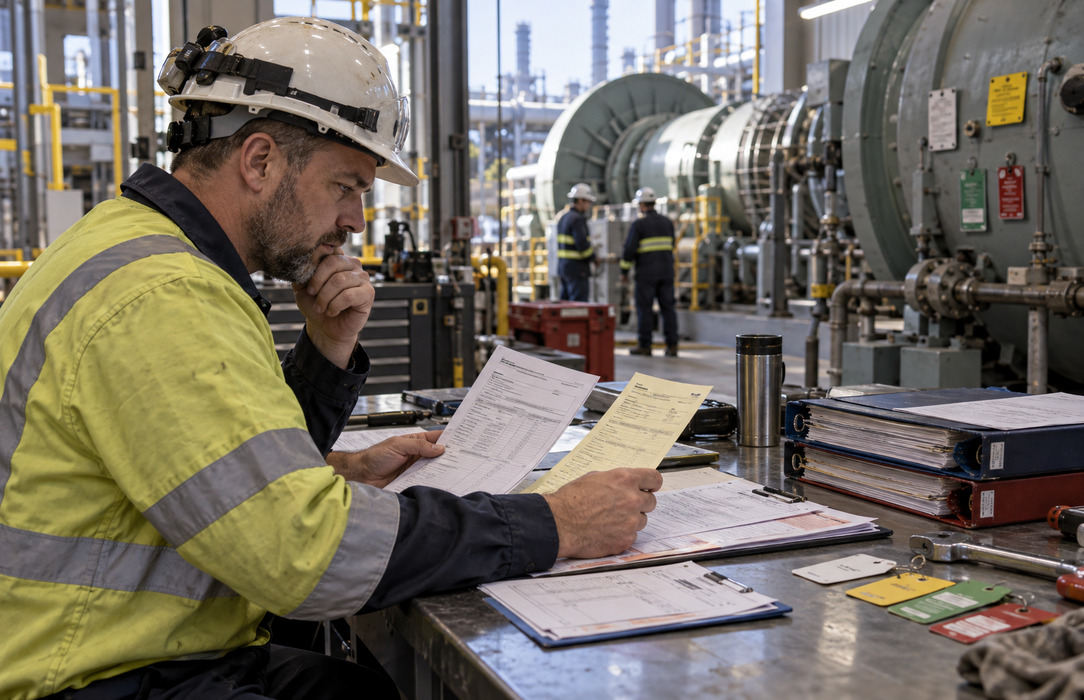
A utility maintenance planner compares inconsistent work orders and records beside generation equipment.
1: Fragmented operating models
Maintenance processes varied across businesses and geographies, making a common approach harder to sustain.
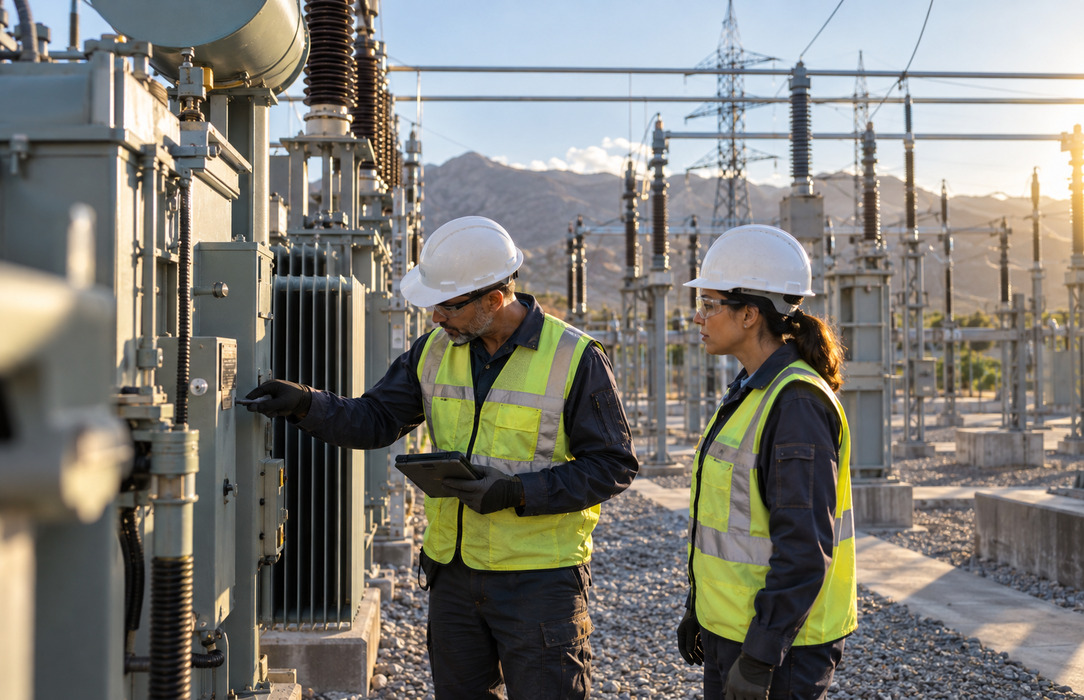
Two utility technicians conduct an equipment walkdown in an active electrical switchyard.
2: Distributed asset information
Asset, condition, maintenance and operational information was spread across different systems, formats and organizational teams.
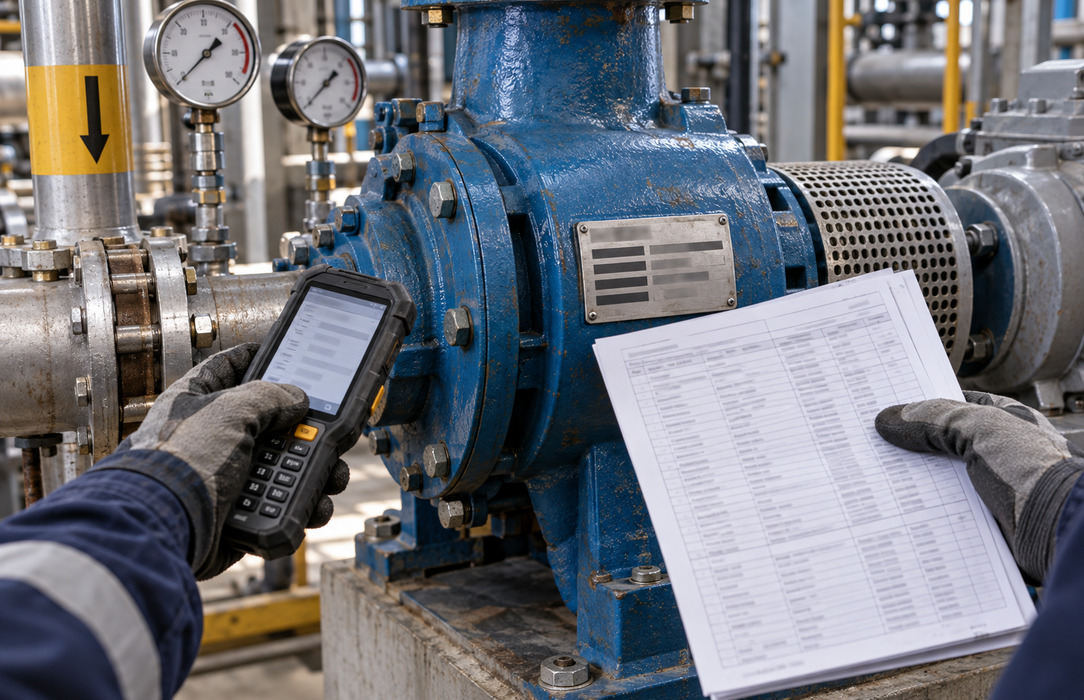
Gloved hands compare a pump nameplate, condition gauges, a handheld scanner and a maintenance record.
3: Coding and interface complexity
Operating-structure coding and interfaces had to be converted and adapted to the target environment without losing traceability.

Maintenance crews complete a shift handover while a power generation plant continues operating in the background.
4: Continuity through change
The global model had to be introduced without interrupting operations, requiring testing, role design, training and a controlled cutover.
Solution
An end-to-end transformation built around a common SAP model

NTT DATA combined process design, data migration, integration and adoption activities to move from information preparation to planning, maintenance execution and operational cutover.

check icon
Common process blueprint

Adapted key maintenance processes to the global operating model, bringing local operations under a shared structure.

check icon
Data migration and asset foundation

Designed and executed master and transactional data migration, integrating relevant asset and operational information into a common workflow.

check icon
Interfaces and decision logic

Converted operating-structure coding, adapted interfaces and applied analytical or rules-based logic to identify priorities and preserve traceability.

check icon
Operational readiness and cutover

Executed end-to-end testing, access-role design and user training, connected insight to planning and execution, and launched migrated maintenance plans at cutover.

Impact
Greater consistency, less structural complexity

The programme harmonized maintenance processes across business units and strengthened global reporting consistency and information synchronization. A common platform also created operational and IT synergies and reduced structural complexity across maintenance systems and processes. The resulting foundation supports more proactive prioritization and better operational visibility, without implying unverified savings or performance gains.

Drag