- All Foundries

- Commodity Management & Trading

- Customer & Marketing Strategy

- Digital Engineering

- Station Studio

- Supply Chain & Industry 5.0
- Sustainability

- Physical AI

- Next-Gen Infrastructure










Renewable Data Strategy & Governance Transformation


The transformation converted a broad ambition into a structured data foundation for renewable assets. By mapping processes, information flows, systems, capabilities and improvement opportunities, the work created a common view of the target state and a sequenced roadmap for execution.
The challenge was not only to connect data sources. The initiative needed to fit the client operating context, make available information consistent, and produce outputs that business, engineering and operational teams could trust and reuse.

Renewable projects generated engineering, construction and asset information across multiple tools and teams, creating a need to reduce fragmentation before later lifecycle reuse could scale.
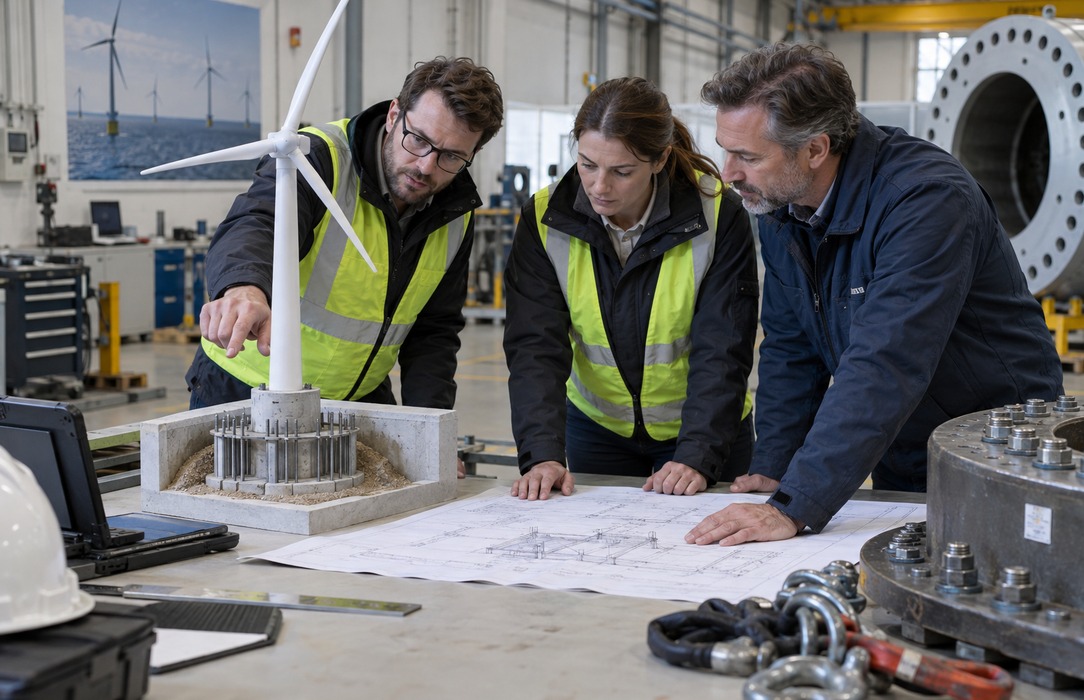
Without an integrated model, information risked becoming disconnected between project development, construction and later operations and maintenance.

Business and technology stakeholders needed a common understanding of current capabilities, pain points, dependencies and priorities.
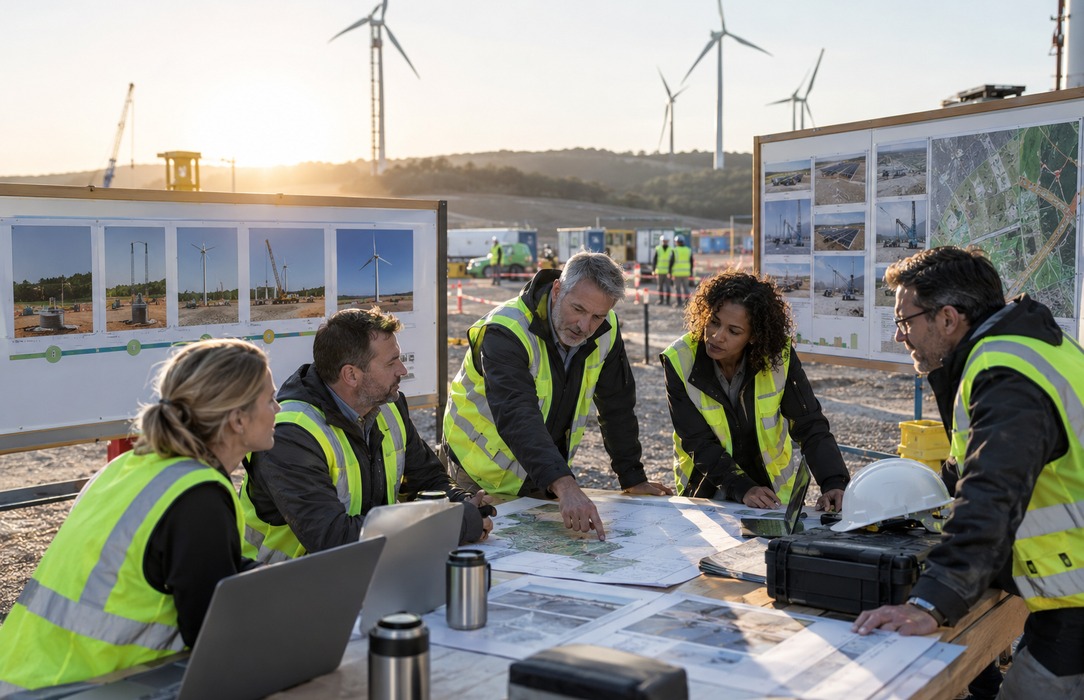
The transformation had to move from a wide data and digital engineering ambition into concrete initiatives with sequencing, ownership and a realistic path from discovery to implementation.
The delivery approach combined data strategy, process discovery, technology capability assessment and roadmap design. Together, these components created an end-to-end chain from information capture and preparation to trusted reuse across the renewable asset lifecycle.

NTT DATA established a Single Data strategy that reinforced BIM implementation and connected BIM information with other project and asset data sources.
The initiative created a common asset data model before operations began, supporting continuity across design, construction, operations and maintenance.
A structured discovery approach mapped processes, information flows, systems, capabilities and improvement opportunities across business and technology stakeholders.
Findings were translated into prioritized initiatives and a roadmap linking business needs with data, technology and operating-model changes, while defining governance foundations for later analytics, AI and digital engineering use cases.
The reference provides decision clarity and lifecycle continuity. Stakeholders gain a common target state, a prioritized transformation backlog and a basis for investment and implementation planning. The work supports reduced fragmentation between engineering, construction and O&M data, improves the conditions for reusing project information after commissioning, and establishes foundations for future digital engineering, analytics and digital-twin capabilities. No project-specific measured operational uplift was published in the reviewed source.
success stories