


- All Foundries

- Commodity Management & Trading

- Customer & Marketing Strategy

- Digital Engineering

- Station Studio

- Supply Chain & Industry 5.0
- Sustainability

- Physical AI

- Next-Gen Infrastructure




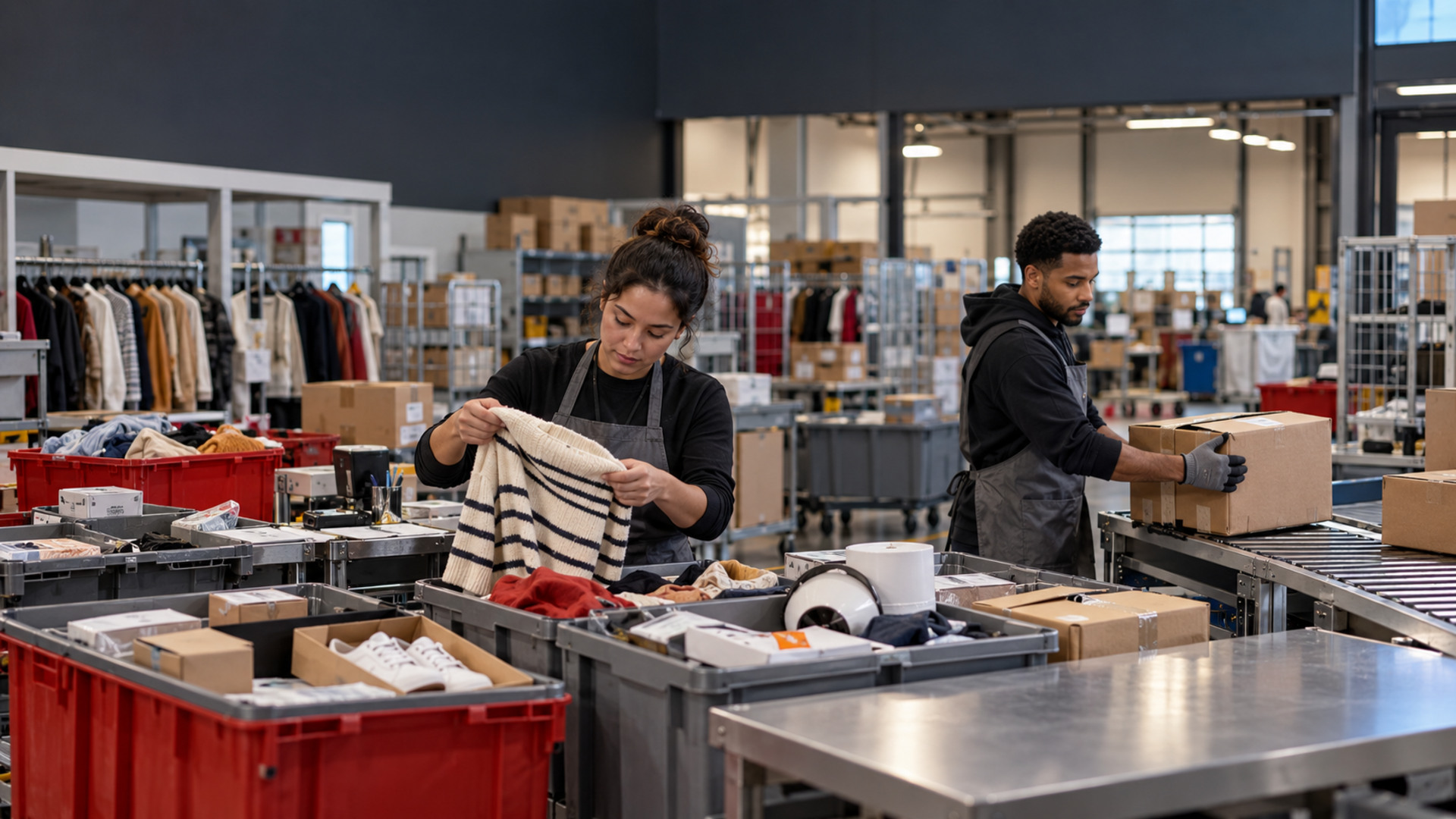
RoboLab: Robotics in Energy Facilities
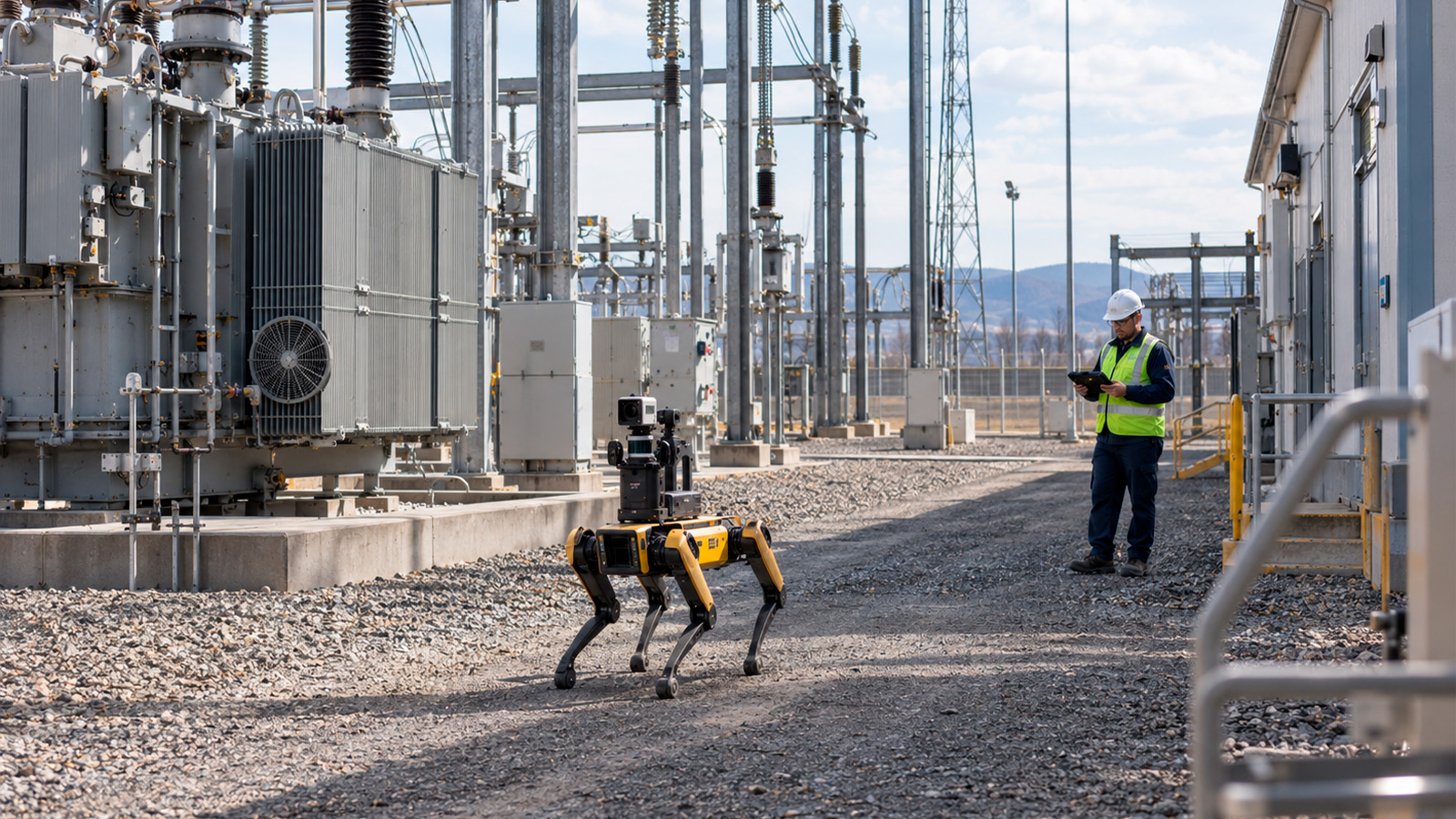
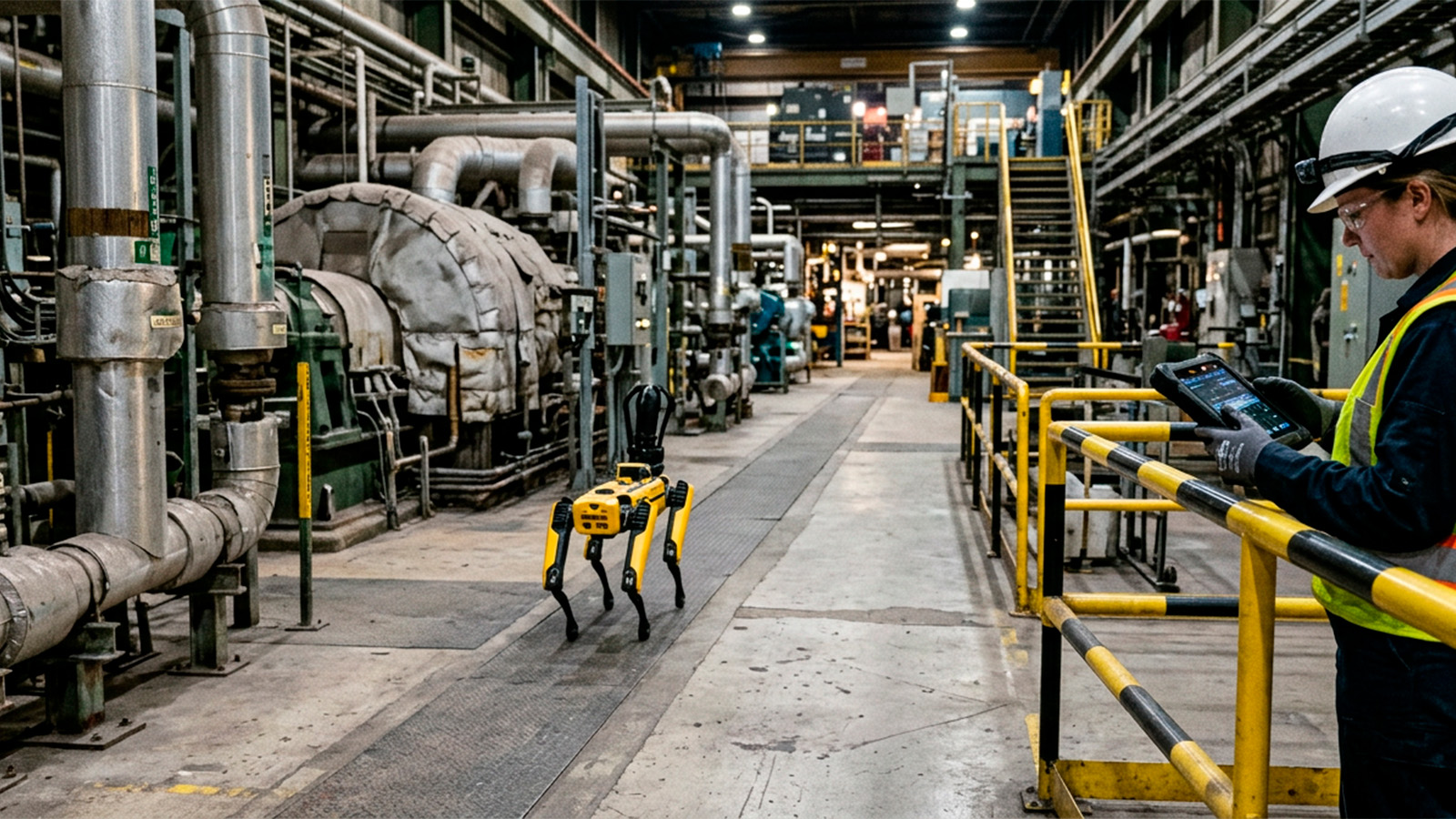
The collaboration connected use-case discovery, technology advisory, scouting, field testing and industrialization in one adoption model. Tunnel inspections and primary-cabin inspections were selected as initial pilots, giving the client concrete environments in which to test robotics against operational needs before preparing successful solutions for broader use.
The programme had to bridge the gap between strategic interest in robotics and repeatable use in complex energy facilities. Different processes and risk profiles required careful use-case selection, specialist field validation and a defined path for integrating successful pilots into normal operations.
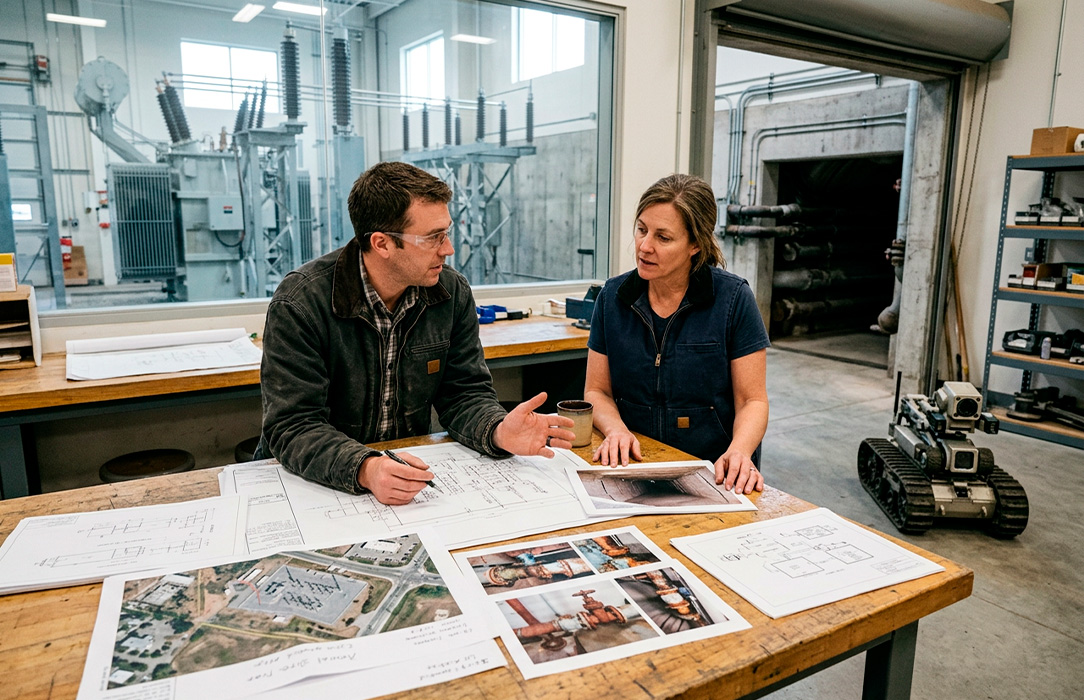
Robotics opportunities spanned different facilities, processes and risk profiles. The client needed a disciplined way to identify applications with enough operational value to justify pilots and further investment.
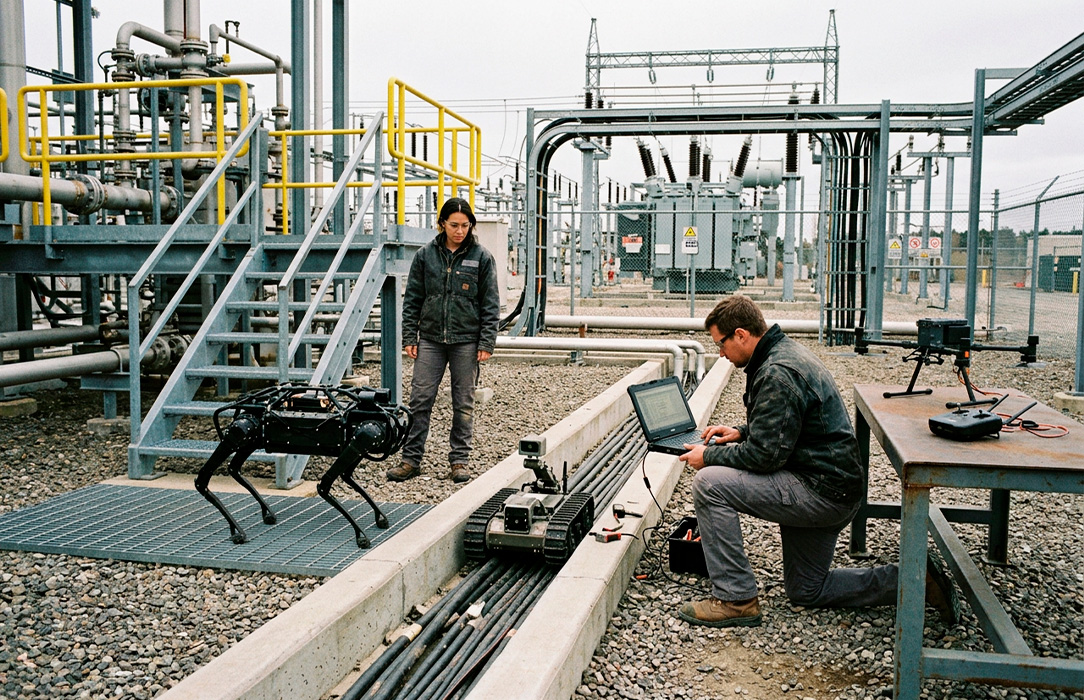
Robotic systems, AI and automation options had to be assessed against the operating environment, not as standalone demonstrations. Technology selection and field validation required specialist robotics and operational expertise.
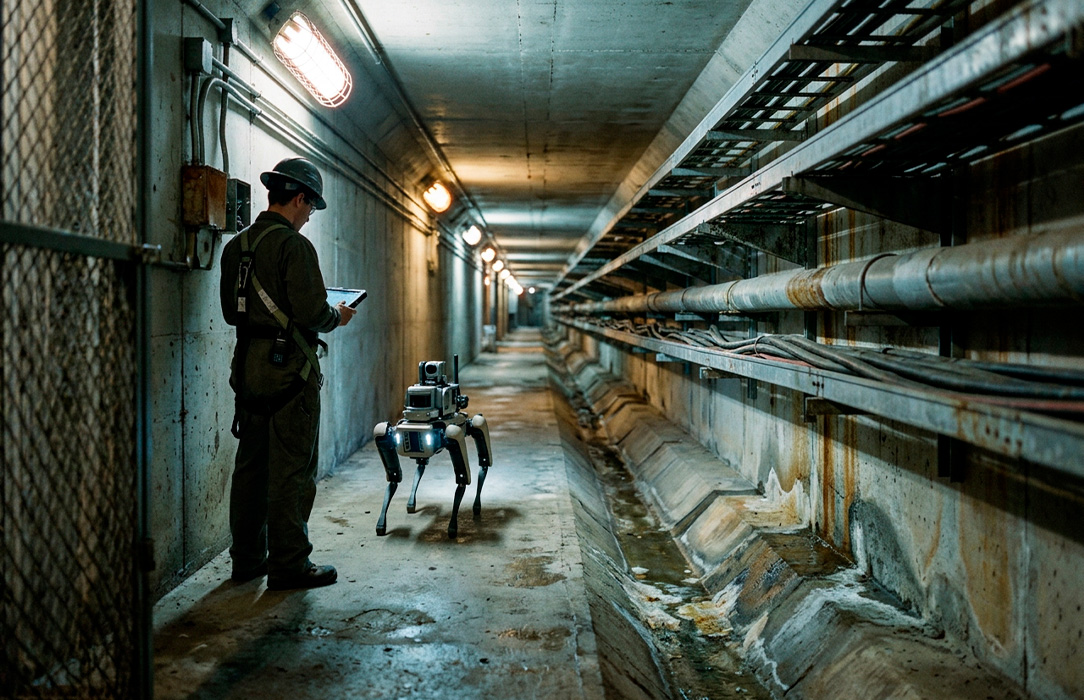
Some inspection and intervention work is slow, difficult to standardize or exposes personnel to operational constraints and safety risk. The programme needed to test where robotics could take on part of that work while remaining connected to existing processes.
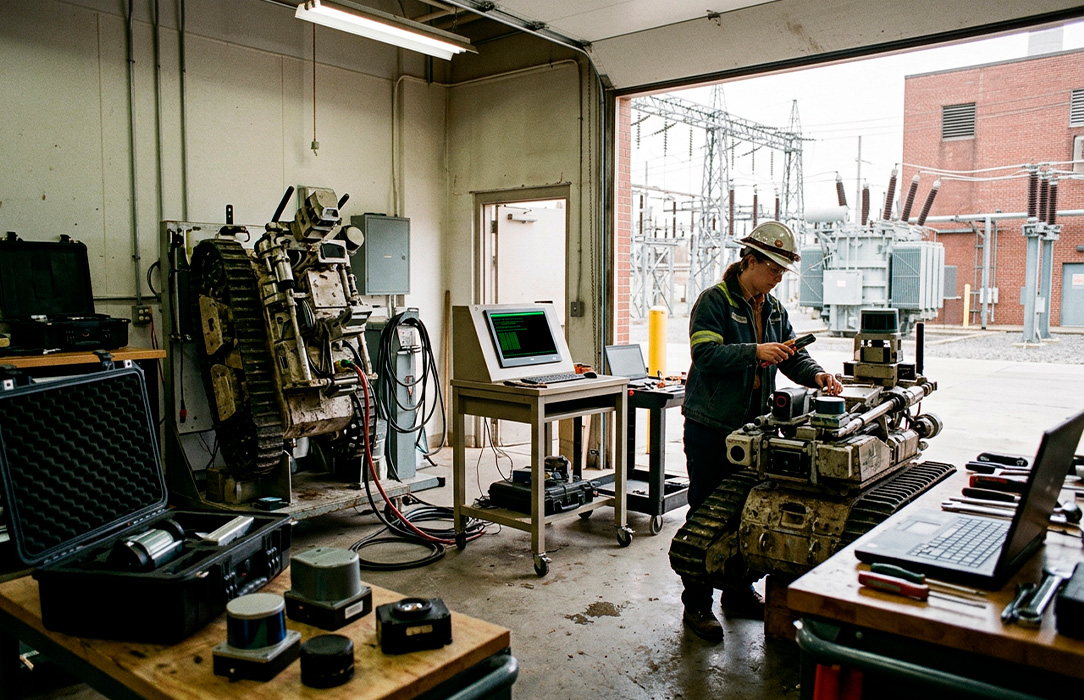
The client needed a repeatable way to move successful trials into longer-term deployment. That meant addressing engineering, compliance requirements, workflow integration and the standardization of robotic missions and procedures.
The delivery combined use-case identification, technology advisory, field experimentation and industrialization in one workflow. Each stage answered a specific operating question: where robotics had value, which technology fit the environment, whether it worked under field conditions and what was required to make the capability repeatable.

Tunnel inspections and primary-cabin inspections were selected as initial pilot areas, creating concrete starting points for evaluating robotics against operational needs.
The programme assessed robotic solutions, technology options and implementation approaches, supported by scouting and benchmarking to compare alternatives and define a practical path forward.
Experimentation and field trials tested robotics with AI and automation where relevant. The work provided evidence on how the solution performed in the target environment and what needed to be adjusted before broader operational use.
Validated solutions were engineered for compliance requirements and integration into operational workflows. Repeatable missions and procedures were defined so robotics could move beyond isolated demonstrations and support scalable use.
The programme established a repeatable way to move robotics from use-case selection through field validation and industrialization. The source reports increased inspection frequency and operational efficiency, reduced worker exposure to risk, fewer failures, improved standardization of robotic processes and stronger internal robotics adoption. It also reports scalable long-term deployment.
success stories
