Virtual Reality Wind Turbine Training

Field readiness does not have to begin at the foot of a turbine. A renewable power generation business created a virtual-reality experience based on a real wind farm and turbine, allowing teams to explore the asset, rehearse work scenarios and build familiarity before entering the physical environment. The approach brings immersive learning closer to operational reality while reducing reliance on some physical visits during training.
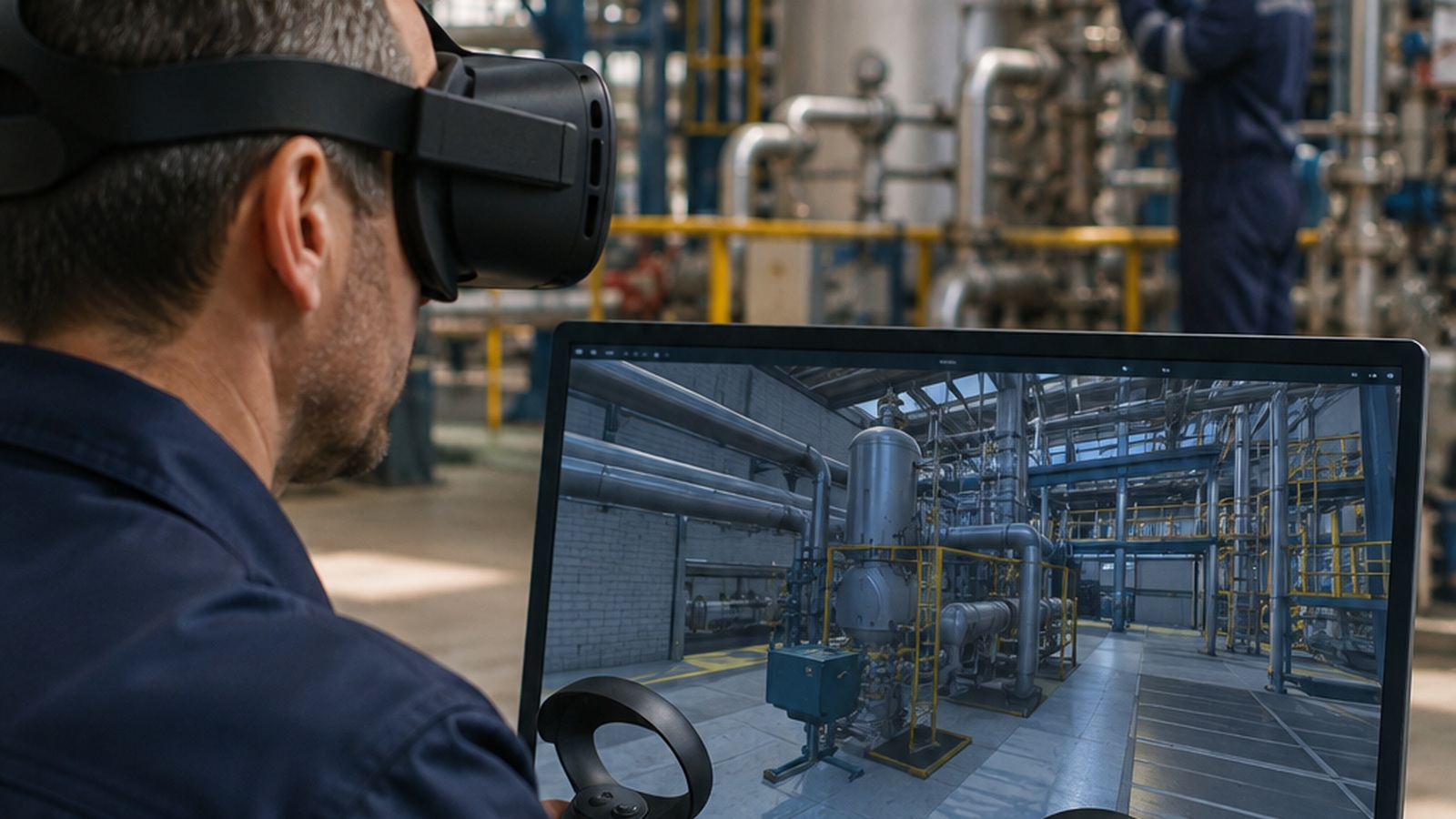
Technician using a virtual reality headset and controllers in an industrial training environment while a simulated plant scene is displayed on a monitor.
Pre-Field Readiness
Safer training before field execution
Learning Visits
Reduced need for some physical visits
Asset Understanding
Improved user experience and asset understanding
Immersive Rehearsal
Potential to shorten work preparation
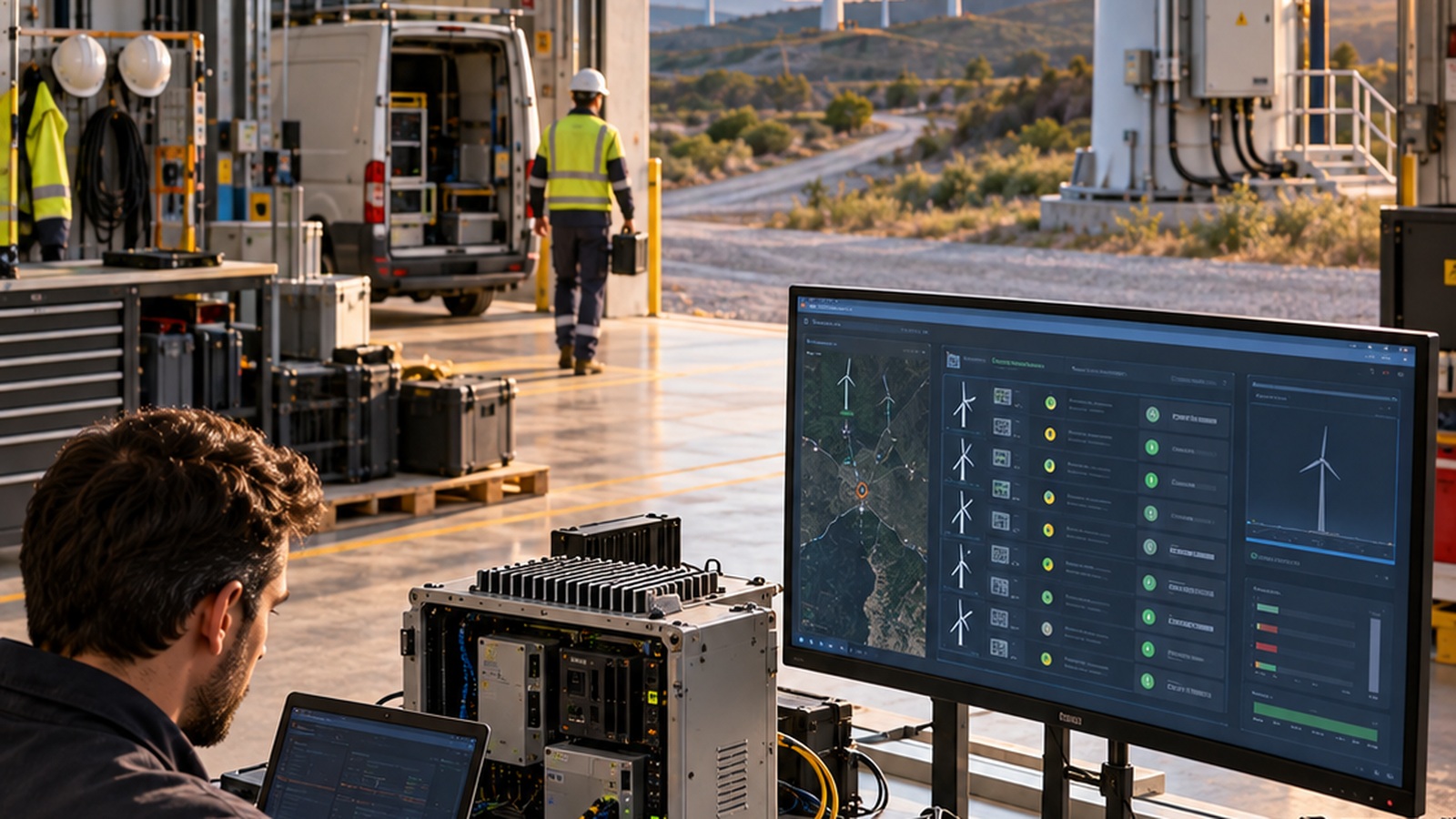
Wind energy engineering workspace overlooking operating turbines, with a technician preparing equipment and field activity from a maintenance facility.
Immersive Wind Turbine Training for Safer Field Readiness

The solution uses imagery from a real wind farm to recreate the turbine exterior and interior in virtual reality. Guided exploration and simulated work scenarios give teams a practical way to become familiar with the asset before field activity, while supporting safety and maintenance preparation.

Wind-turbine readiness can require travel, asset access and exposure to operational safety constraints before the work itself begins.
Objectives
Establish a practical virtual training capability that lets teams understand the wind-farm environment, explore the turbine exterior and interior, and rehearse work scenarios before on-site execution. The ambition was to make training and familiarization safer and less dependent on physical asset access while keeping the learning experience anchored in a real operating environment.
Opportunity
Extend the approach across wind-turbine training and remote workforce onboarding, using immersive rehearsal as a complementary step before safety and maintenance activities. As adoption expands, the model has the potential to shorten work preparation by giving teams more opportunities to practice before reaching the physical asset.
Building field confidence before physical asset access

The business needed more than a compelling VR demonstration. The experience had to reflect the real wind-turbine environment closely enough to support meaningful preparation, while fitting safety, workforce and operational needs.
Key Challenges
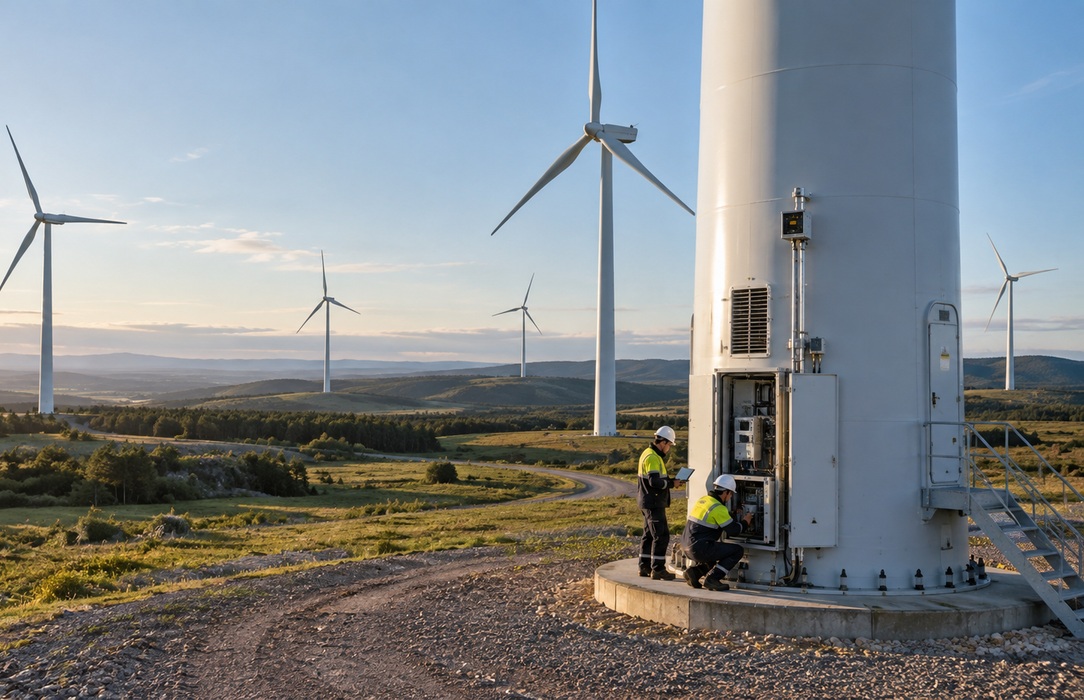
Two wind farm technicians working at the base of an operating wind turbine in a remote service area, illustrating the travel and asset access required for field familiarization.
1: Training tied to physical access
Wind-turbine familiarization can require travel and asset access, exposing learning activities to operational safety constraints before field work begins.
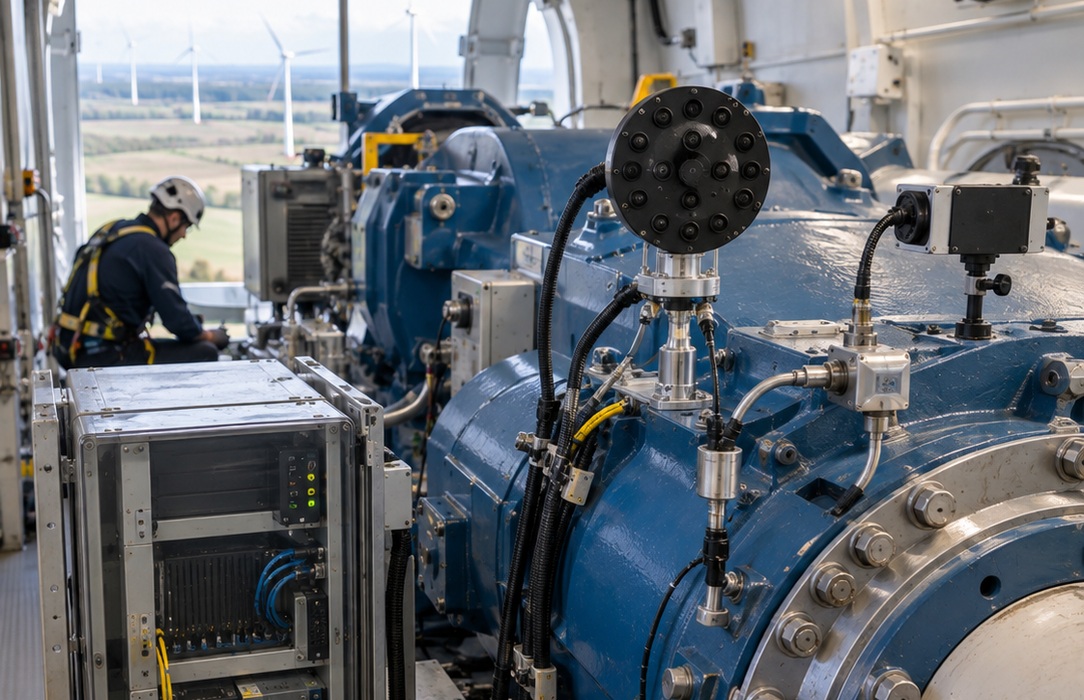
Interior of a wind turbine nacelle with drivetrain equipment, sensors and a technician working inside the confined mechanical environment.
2: Limited pre-field rehearsal
Teams needed a way to understand the asset environment and rehearse procedures before carrying out work on the turbine.
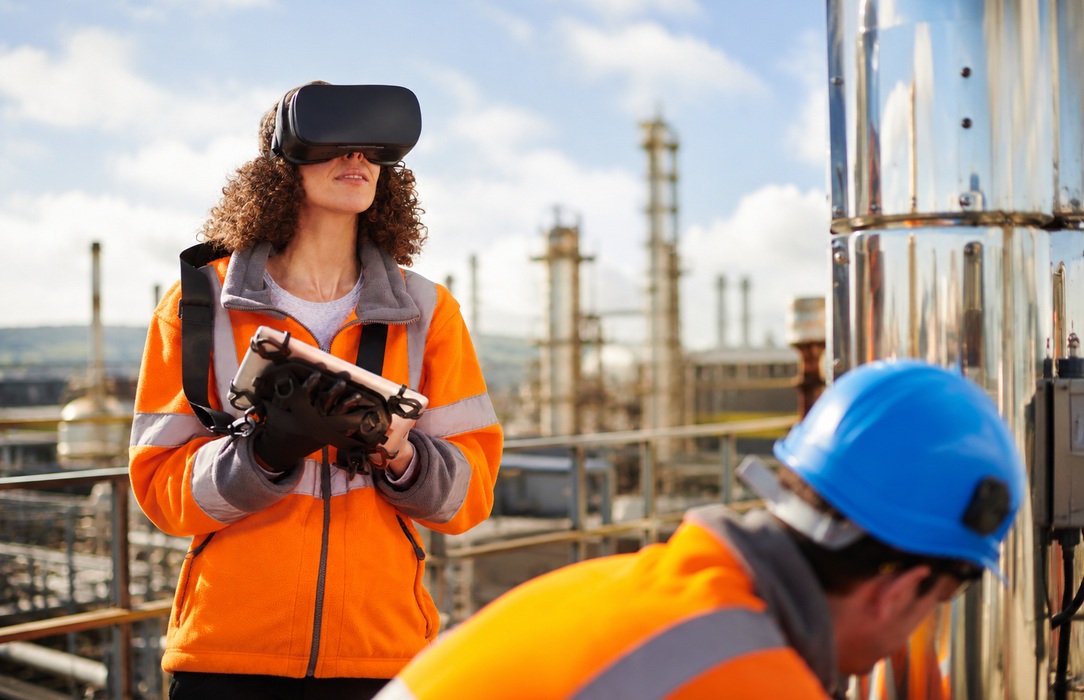
Engineer wearing a virtual reality headset and holding a rugged device in an industrial facility, representing immersive rehearsal before hands-on work.
3: Repeatable learning across scenarios
The initiative needed training experiences that could support repeatable procedures and scenarios rather than remain an isolated immersive demonstration.
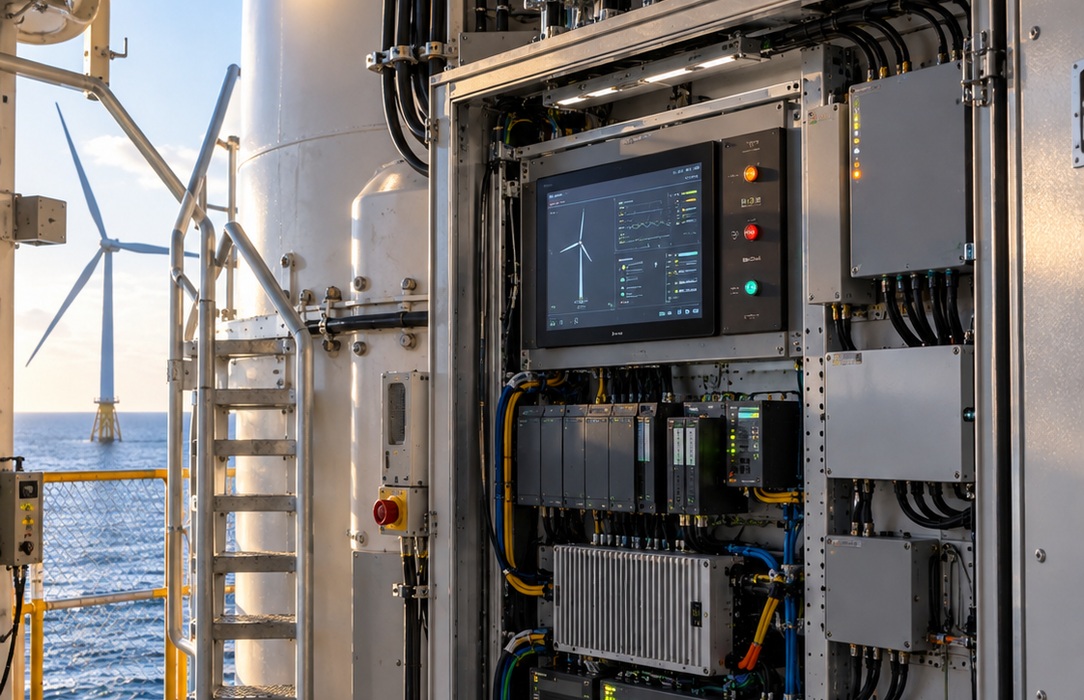
Wind turbine electrical and control equipment inside an offshore asset, with the sea and another turbine visible through the access opening.
4: Operationally relevant digital representation
The virtual experience had to translate real-world imagery and asset context into a trusted, reusable environment for training, safety and maintenance preparation.
Solution
A real-asset VR experience designed for practical preparation

The delivery connected a realistic digital representation of the wind farm and turbine with guided exploration, scenario simulation and repeatable training logic so immersive technology could support real workforce preparation.

check icon
Build from the real wind farm

An immersive environment was created from imagery captured at a real wind farm, giving the training experience a recognizable physical context rather than a generic simulation.

check icon
Recreate the turbine for guided rehearsal

The turbine exterior and interior were recreated for guided exploration, enabling teams to simulate work and training scenarios before field execution.

check icon
Design repeatable training procedures

The experience was structured around repeatable missions or procedures so the capability could move beyond a one-off demonstration and support broader operational use.

check icon
Connect VR to field preparation

Virtual reality was positioned as a complementary tool for safety and maintenance preparation, connecting immersive learning with the wider operational workflow.

Impact
Safer familiarization before field execution

The initiative provided a safer way for users to become familiar with wind-turbine environments before field execution, reduced the need for some physical visits during learning activities, and improved user experience and asset understanding. The approach also has the potential to shorten work preparation through immersive rehearsal as it is extended across training activities.

Drag