- Commodity Management & Trading

- Customer & Marketing Strategy

- Digital Engineering

- Station Studio

- Supply Chain & Industry 5.0
- Sustainability




Advanced Distribution Automation
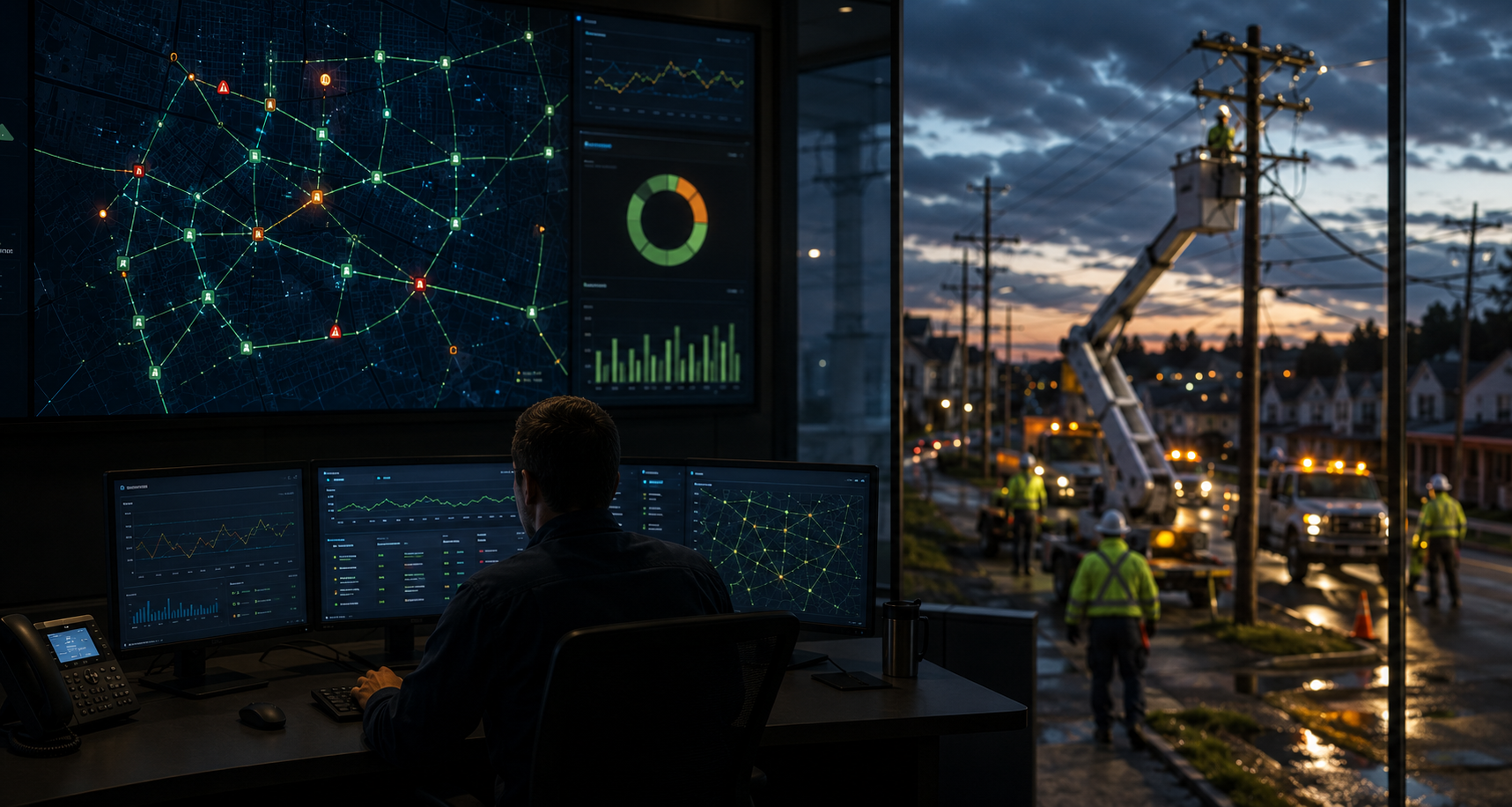
Distribution grids were once designed around centralized generation, predictable flows, and manual field intervention. Today, renewable generation, battery storage, electric vehicles, demand response, smart meters, and grid-edge devices are making the network more dynamic, dense, and operationally complex. The challenge is no longer just monitoring the grid — it is enabling faster, more autonomous decisions while protecting reliability, resilience, and stability
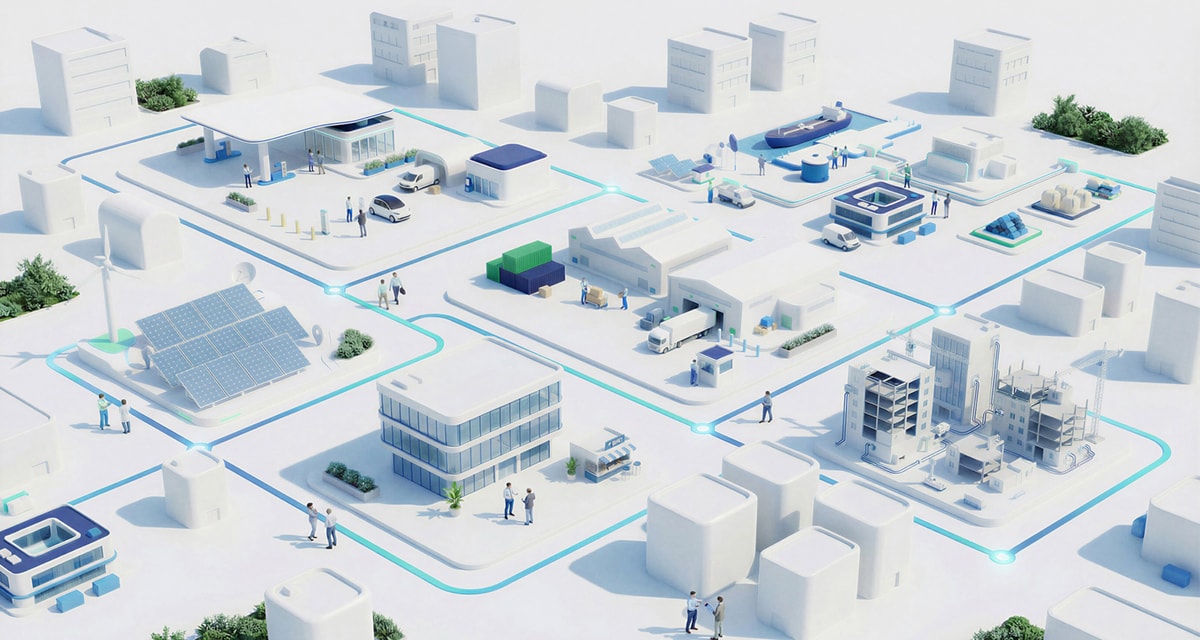
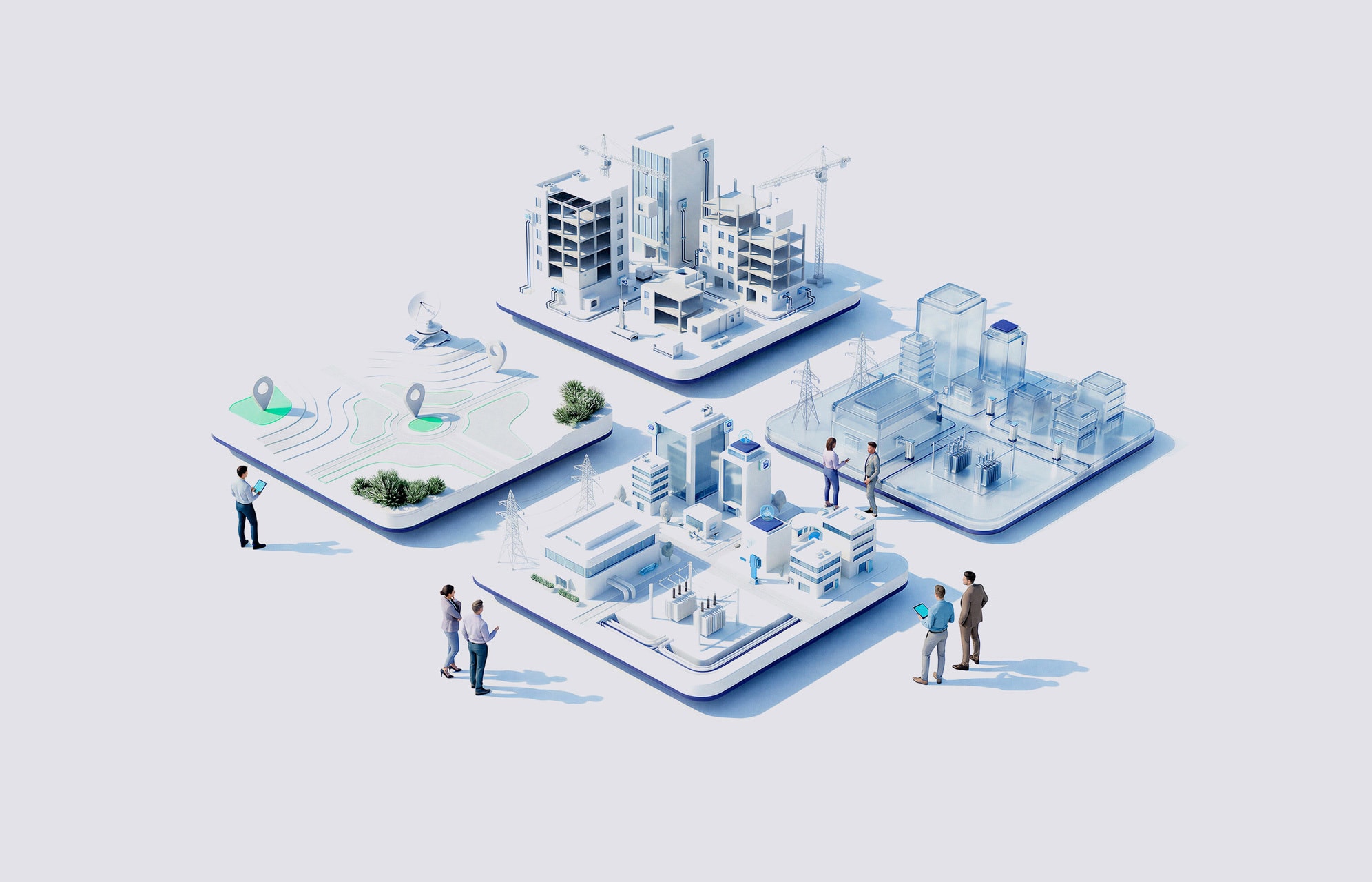
Advanced Distribution Automation connects intelligent field devices, management platforms, analytics, edge computing, and private LTE/5G networks — turning the distribution grid into a more adaptive operational platform

Automated sensing, switching, and isolation help utilities respond faster to network events
Self-healing capabilities reduce dependence on manual intervention and shorten outage duration
Automation helps manage renewables, storage, electric vehicle charging, and demand response across the network
Continuous data exchange improves visibility across substations, smart meters, field devices, and grid-edge assets
How NTT DATA helps
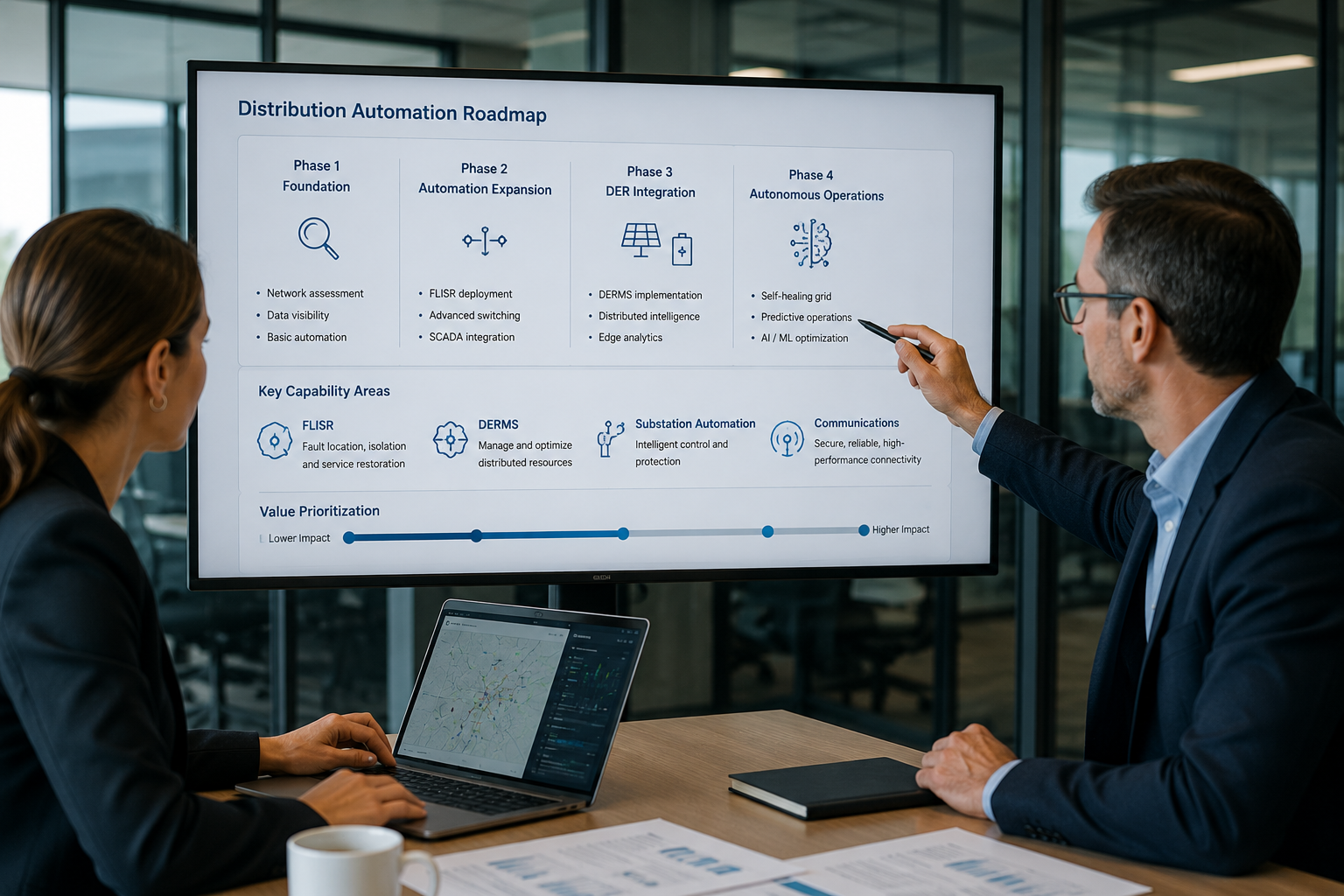
NTT DATA helps utilities identify where automation, FLISR, DERMS, substation automation, and modern communications create the highest operational value
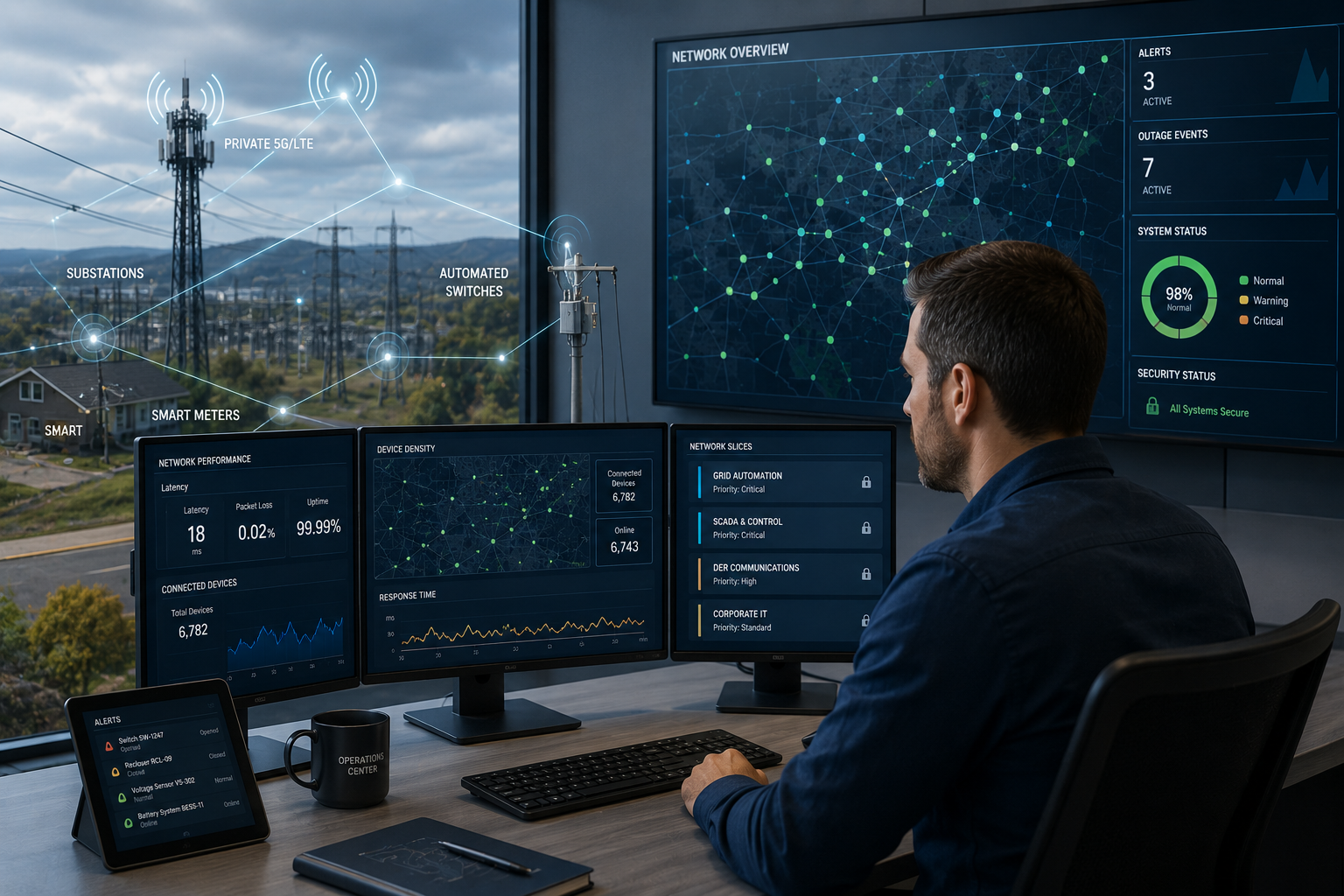
Private LTE and 5G networks can support high device density, secure segmentation, low response times, and reliable coordination across distributed assets
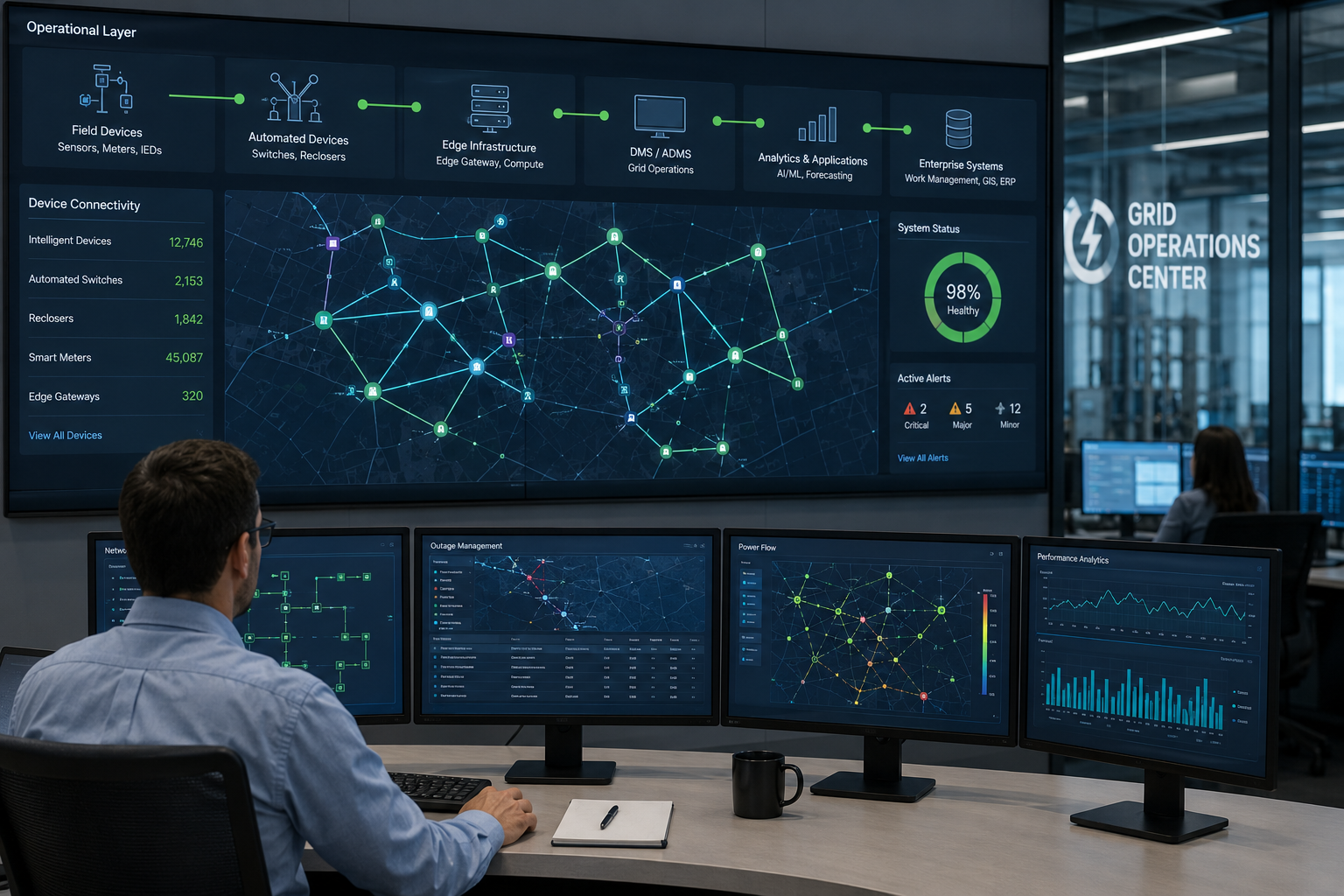
We help connect intelligent devices, automated switches, reclosers, distribution management systems, analytics, and edge infrastructure into a coordinated grid platform
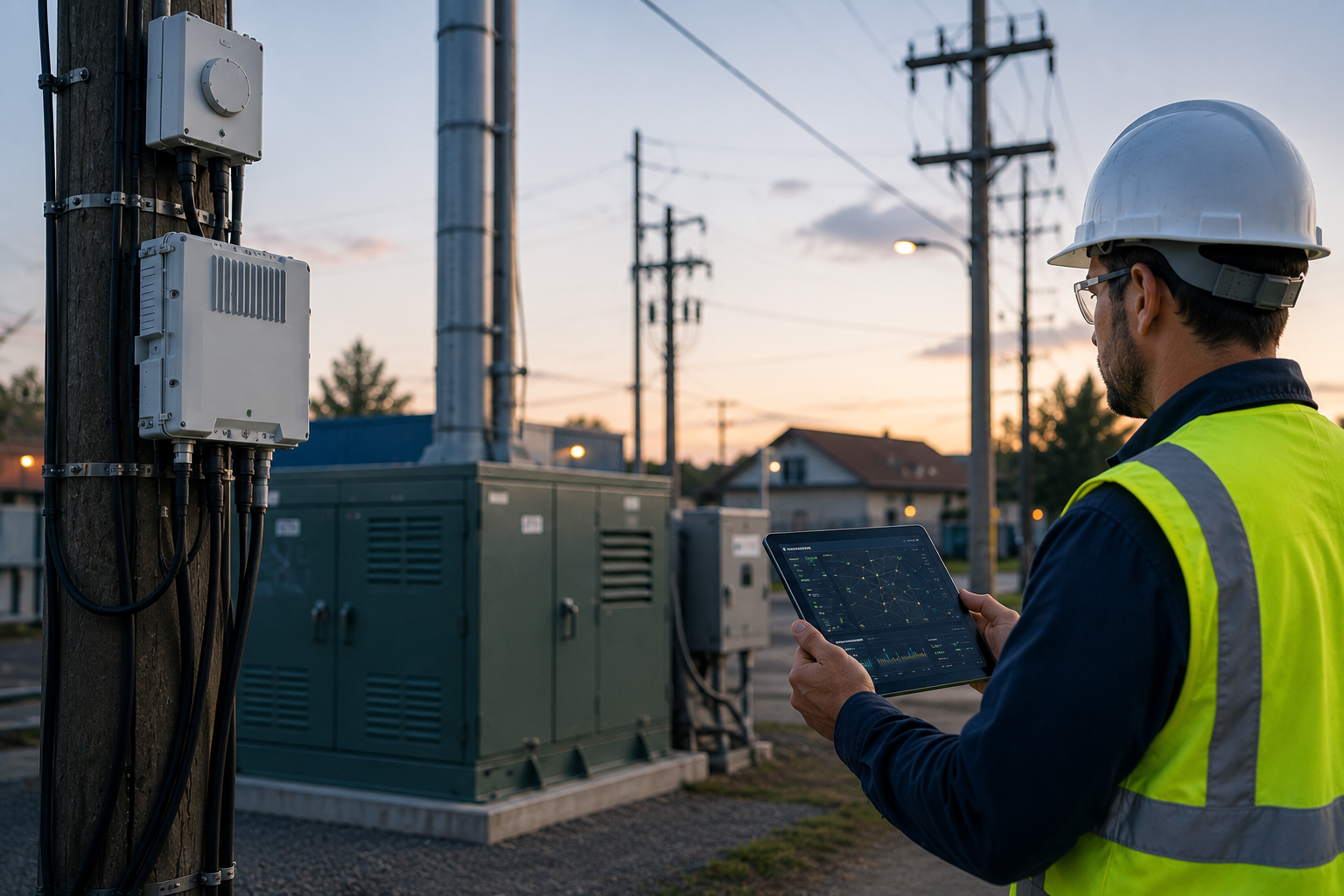
Edge computing and high-performance communications support faster local decisions, helping utilities move toward self-healing and autonomous operations
We don’t add connectivity as an afterthought. We design communications, visibility, and control around the operational discipline utilities need to trust automation

Fault Detection Time: 20–50% reduction
Restoration Time: 20–60% reduction and MTTR: 20–50% reduction
SAIDI: 15–40% reduction and SAIFI: 10–30% reduction
Renewable Hosting Capacity: 20–50% increase, Operational Efficiency: 15–30% improvement, and Field Dispatches: 15–40% reduction
Scale grid automation with confidence