- All Foundries

- Commodity Management & Trading

- Customer & Marketing Strategy

- Digital Engineering

- Station Studio

- Supply Chain & Industry 5.0
- Sustainability

- Physical AI

- Next-Gen Infrastructure













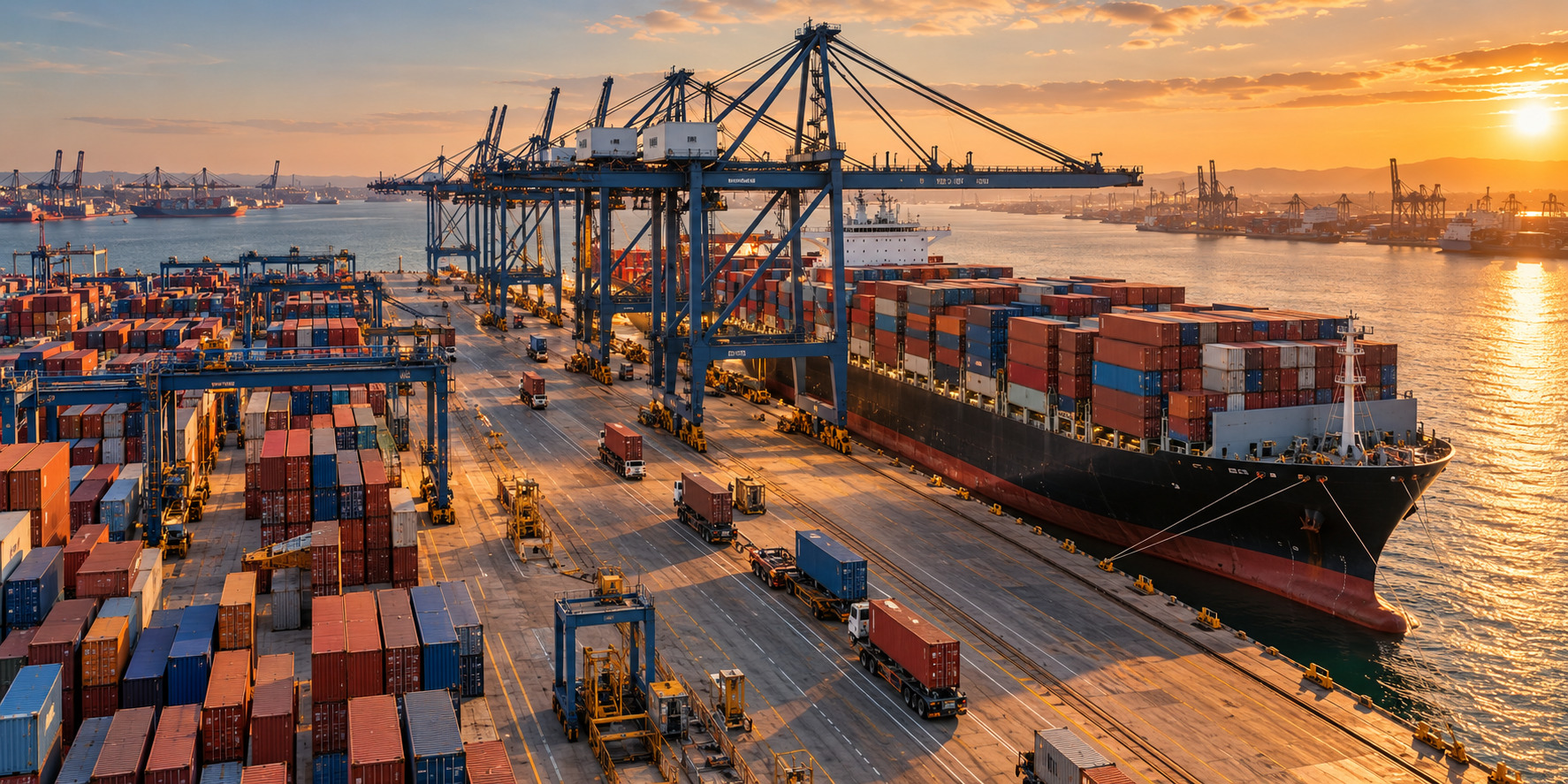
AI for Maritime Operations
With that foundation in place, computer vision can support monitoring, predictive models can identify emerging asset conditions and optimization can help teams prepare operational choices. People remain accountable for decisions that affect safety, security, service continuity and performance.

Combine authorized data and visual signals to identify anomalies and emerging risks sooner.
Use condition and maintenance information to support earlier intervention and better planning.
Give teams a more consistent view of activity, constraints and priorities across the terminal.
Apply data quality, access, monitoring and human-validation rules from pilot through production.
How NTT DATA helps
Assess operational pain points, data readiness and value potential to select use cases with a clear owner, baseline and success measure.

Connect the authorized equipment, maintenance, visual and enterprise information required for each use case, with shared definitions, quality controls, security and traceability.

Apply computer vision and video analytics to defined monitoring scenarios, with thresholds, review workflows and human validation appropriate to the operational context.
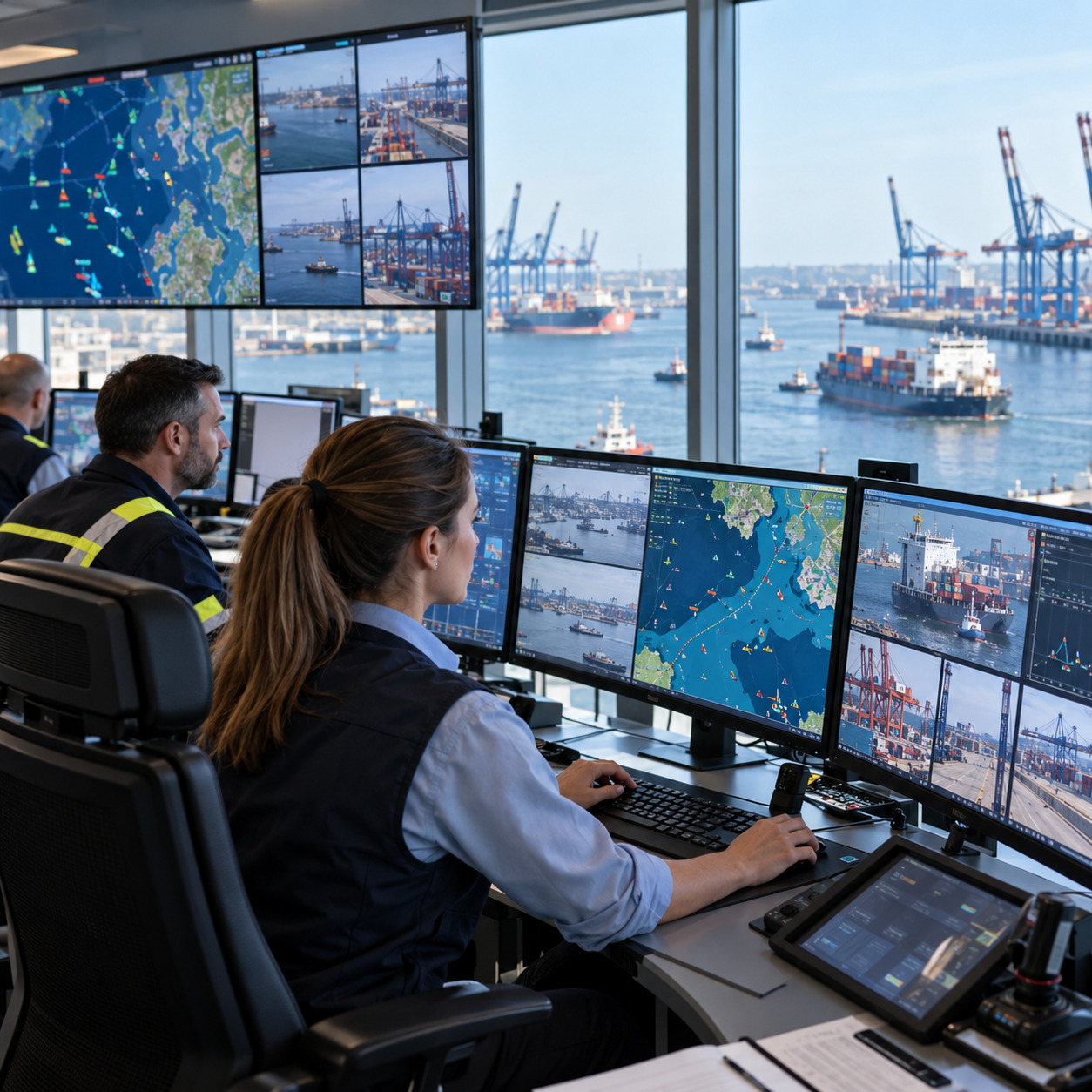
Use predictive analytics and optimization to identify emerging patterns, support maintenance planning and prepare better-informed operational choices.

Track data quality, model behavior, operational outcomes and adoption so the capability can be refined and extended with control.


AI creates value when it changes the performance of a real maritime workflow. Establish the baseline before implementation and agree the target range, measurement period and accountable data owner for each selected use case.
Faster identification, review and response for the selected event type.
Lower disruption for the equipment and maintenance scope included in the use case.
Improvement against the approved maintenance baseline or forecast measure.
Faster coordination or flow for the selected terminal process.
Connect priority use cases, trusted data and port and terminal workflows in a practical roadmap for AI at scale, with measurable outcomes and human oversight built in from the start.