- Commodity Management & Trading

- Customer & Marketing Strategy

- Digital Engineering

- Station Studio

- Supply Chain & Industry 5.0
- Sustainability






BIM Methodology for Planning, Designing & Building Assets

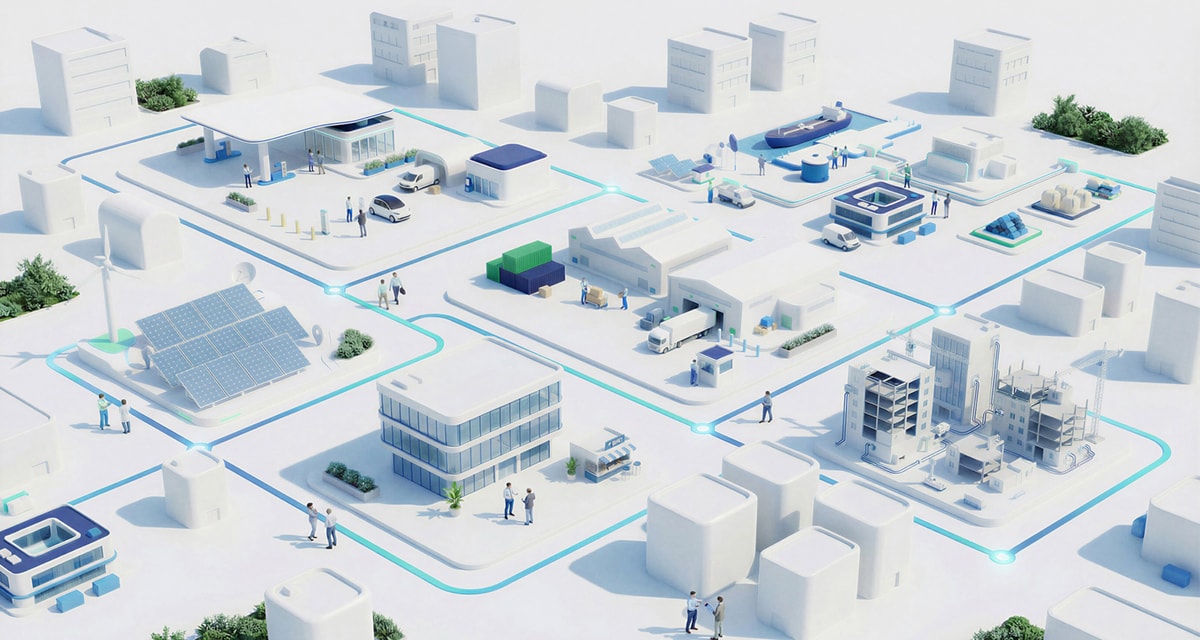
Creation of a shared digital representation of the asset, combining geometry and structured data. This ensures that all stakeholders work with consistent and up-to-date information throughout the project lifecycle
Definition of standardized workflows across engineering and construction teams, enabling coordinated work between disciplines and contractors.
This reduces inconsistencies and improves alignment during project execution
Application of BIM models to planning (4D) and cost management (5D), enabling better control of timelines, resources and budgets
Implementation of standardized data structures and processes to ensure traceability, quality and reliability of information across the project lifecycle
How NTT DATA helps
Engineering, civil, electrical and construction teams work on a shared model, reducing misalignments and improving consistency across disciplines

Clashes and inconsistencies are identified during design phases, minimizing costly corrections during construction

Integration of planning and cost data enables more accurate forecasting and control of project performance

Structured data models ensure that information is organized, traceable and reusable across project phases

All actors work with the same data, improving communication and reducing coordination gaps

Information generated during design and construction can be reused in operation and maintenance phases


Access to consistent, real-time information
Clearer standards and better coordination
Better planning and reduced uncertainty
Structured and usable data for operations
Make BIM part of your project delivery model →