- All Foundries

- Commodity Management & Trading

- Customer & Marketing Strategy

- Digital Engineering

- Station Studio

- Supply Chain & Industry 5.0
- Sustainability

- Physical AI

- Next-Gen Infrastructure














Digital Ticketing for Ports, Ferries and Cruises
The design must also reflect the operating context. Ferry services may involve frequent travellers, vehicles, routes and multimodal connections, while cruise-terminal journeys may involve scheduled embarkation, large passenger volumes and multiple service partners. The final scope should be validated for each operation rather than presented as one universal model.

Connect approved booking, payment, ticket and service interactions across relevant digital channels.
Provide valid digital credentials and clear exception handling for the selected boarding process.
Define responsibilities, rules and integrations across carriers, terminals, ports and service providers.
Monitor adoption, validations, exceptions and support demand using governed passenger and transaction data.
How NTT DATA helps
Identify the routes, terminals, passenger groups, sales channels and boarding stages in scope. Clarify the experience and operational outcome for each selected journey.
Define credentials, booking and ticket status, payment journeys, changes, refunds, entitlements, exceptions and customer-service ownership for the approved scope.

Establish the required APIs, data definitions, integration patterns and governance across reservation, payment, validation, boarding and support platforms.

Implement approved access, privacy, payment, auditability, reconciliation and exception-management controls appropriate to the market and journey.

Pilot defined services, monitor passenger and operational indicators, resolve recurring exceptions and expand only when the evidence supports the next phase.


Digital ticketing creates value when it improves a defined passenger journey and the terminal, carrier and support processes behind it. Agree the baseline, route or terminal scope, passenger population and measurement period before implementation.
Provide an approved digital flow from reservation and payment confirmation to a passenger ticket or travel credential.
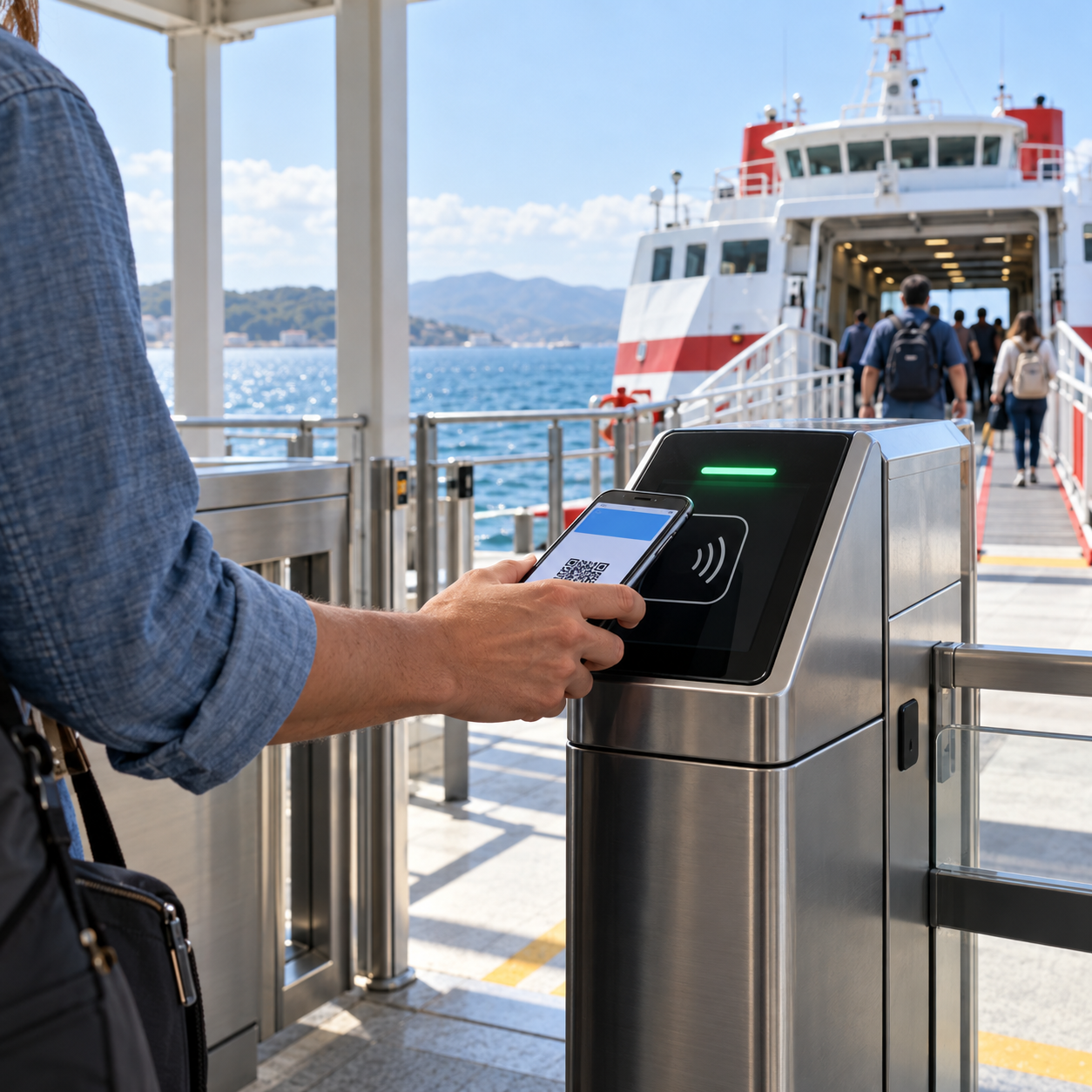
Validate eligible credentials at the selected terminal or boarding point and route exceptions to an accountable process.
Connect approved ticket status, service changes, notifications and support information across relevant channels.
Monitor failed or disputed transactions and apply the approved refund, correction and reconciliation process.
Digital ticketing creates value when it improves a defined passenger journey and the terminal, carrier and support processes behind it. Agree the baseline, route or terminal scope, passenger population and measurement period before implementation.