- All Foundries

- Commodity Management & Trading

- Customer & Marketing Strategy

- Digital Engineering

- Station Studio

- Supply Chain & Industry 5.0
- Sustainability

- Physical AI

- Next-Gen Infrastructure



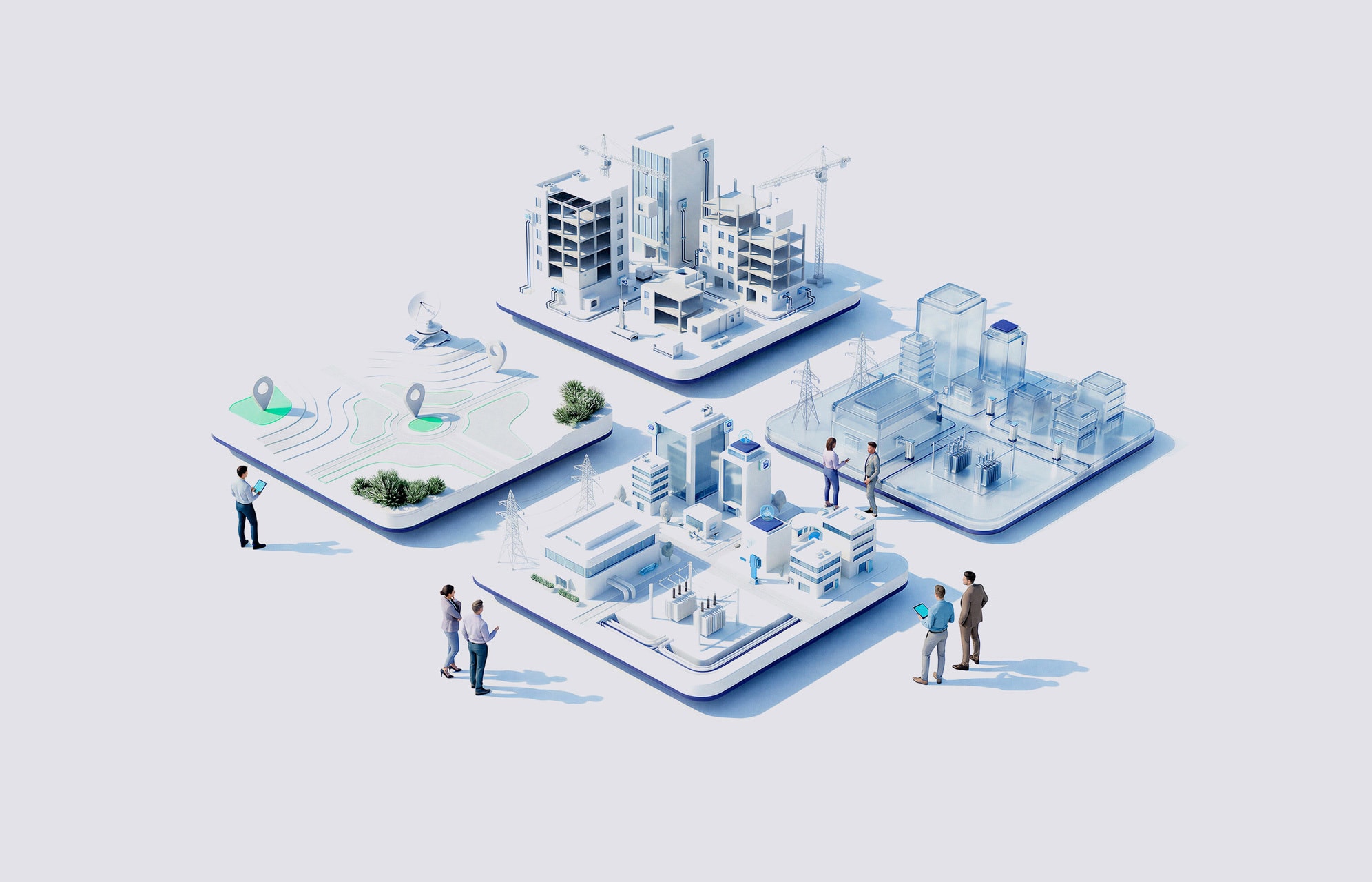


Geospatial Risk Intelligence for Infrastructure
Disconnected systems, incomplete asset inventories, and inconsistent processes limit the ability to detect vulnerabilities and ensure resilient operations.
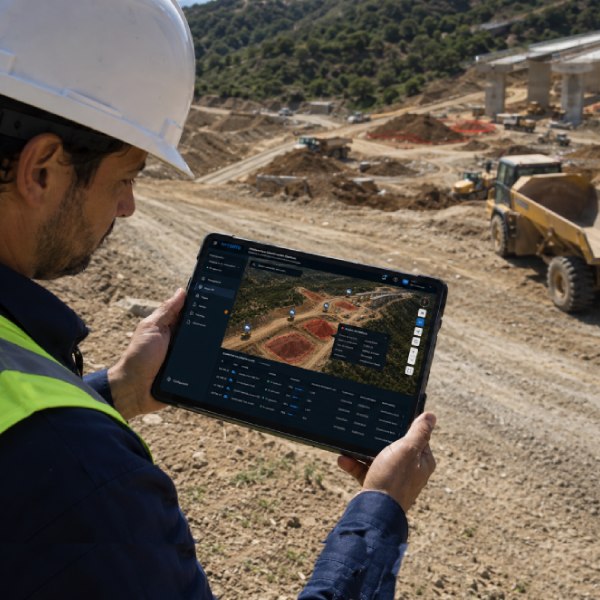
By combining high-resolution Earth observation, geospatial analytics, and advanced monitoring technologies, organizations gain continuous visibility of changing site conditions and can identify risks long before they disrupt construction or operations.
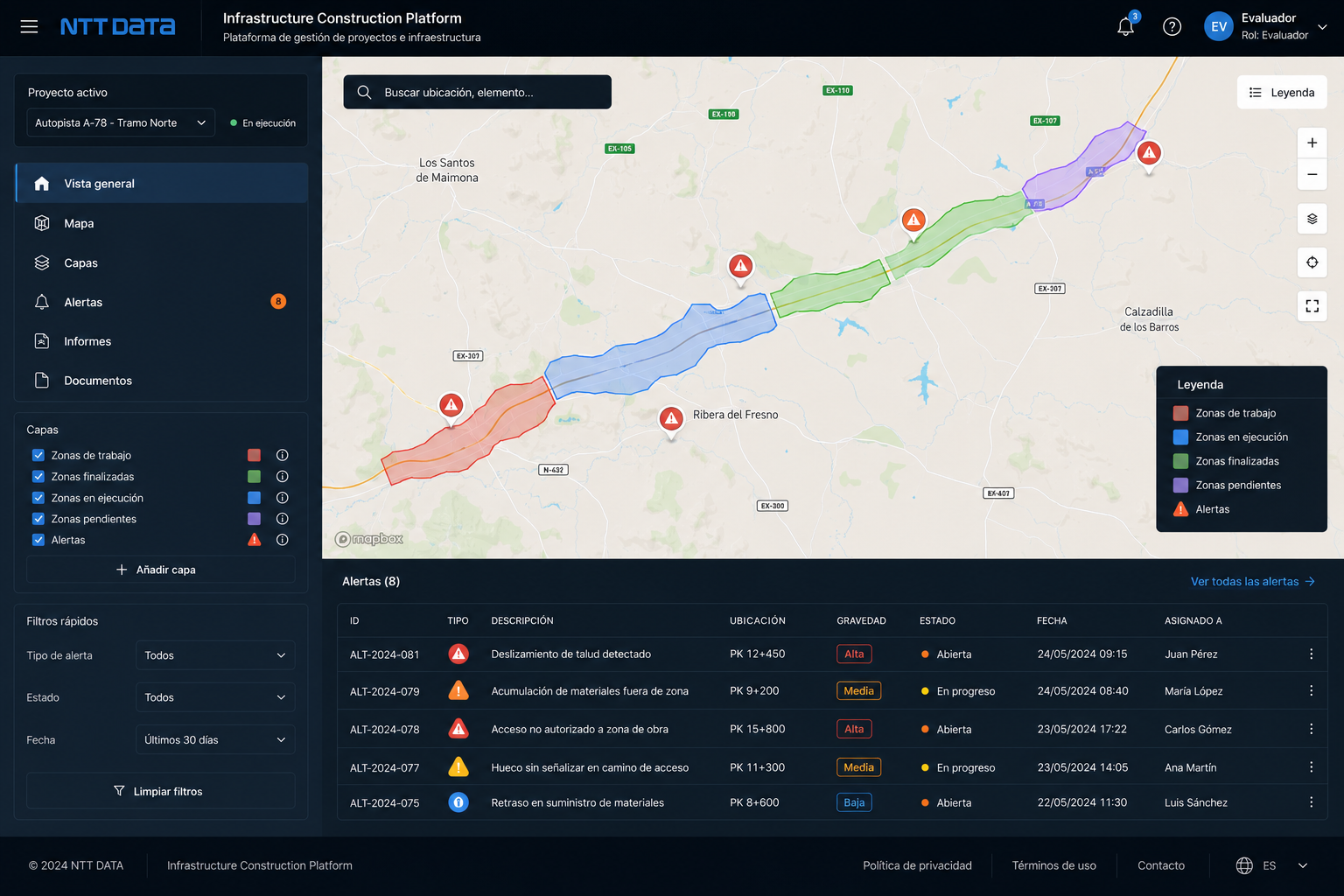
Accurate geospatial intelligence creates a common operational picture across the entire project lifecycle, helping engineering, construction, and asset teams make better decisions with greater confidence.

Monitor large and remote infrastructure environments without relying exclusively on field inspections or local instrumentation
Detect terrain displacement, slope instability, subsidence, and deformation patterns before visible signs appear
Continuously monitor slope conditions, vegetation growth, erosion, and land-use evolution to identify early signals that could affect construction progress or long-term asset performance.
Integrate geospatial intelligence with GIS, digital twins, IoT, and operational platforms for coordinated decisions
How NTT DATA helps
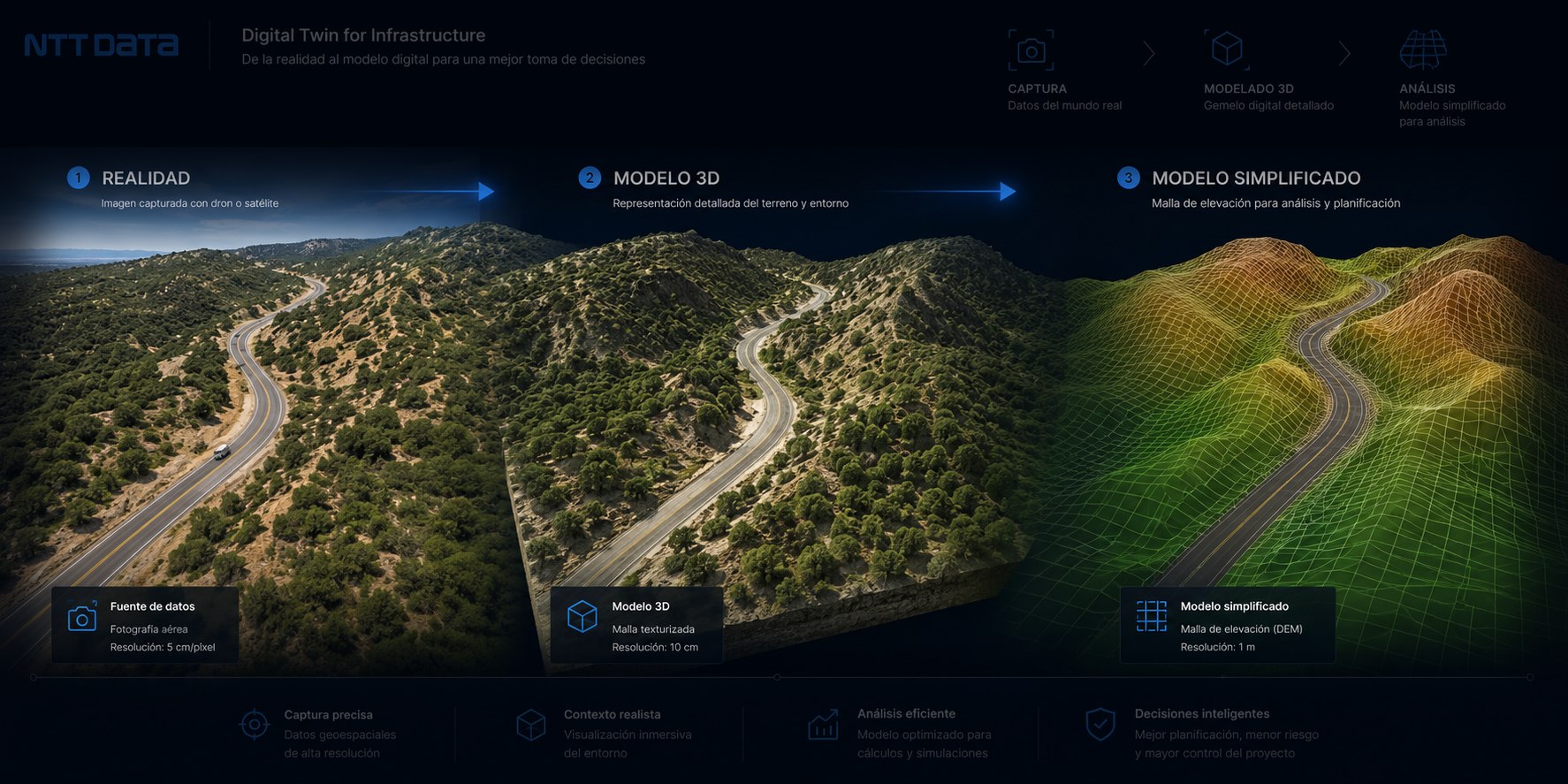
We combine Earth Observation, GIS, AI and terrain analytsis to create continuously updated digital representations of infrastructure environments. These models capture terrain elevation, slope geometry, vegetation, surrounding assets and environmental changes over time, providing the foundation for continuous risk monitoring.
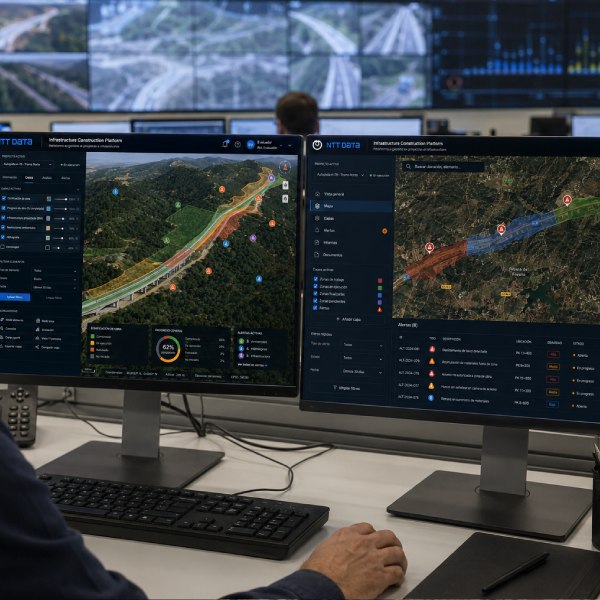
We enrich geospatial intelligence with high-resolution 3D terrain models, digital elevation models, orthophotos, and detailed representations of buildings and vegetation generated from satellite, aerial, and drone imagery.
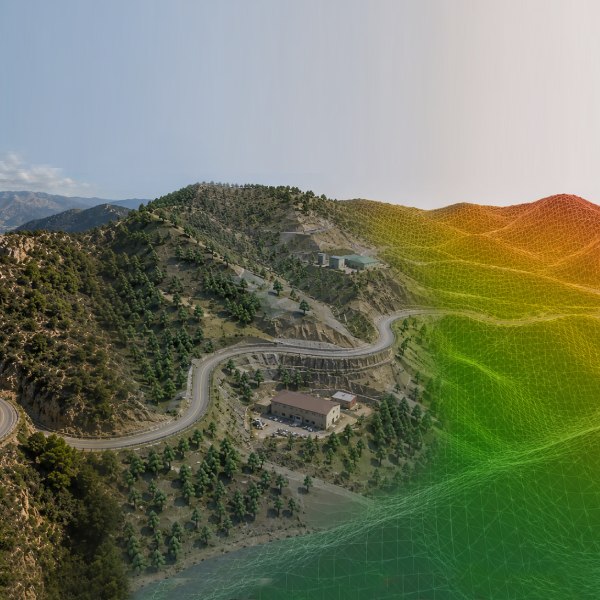
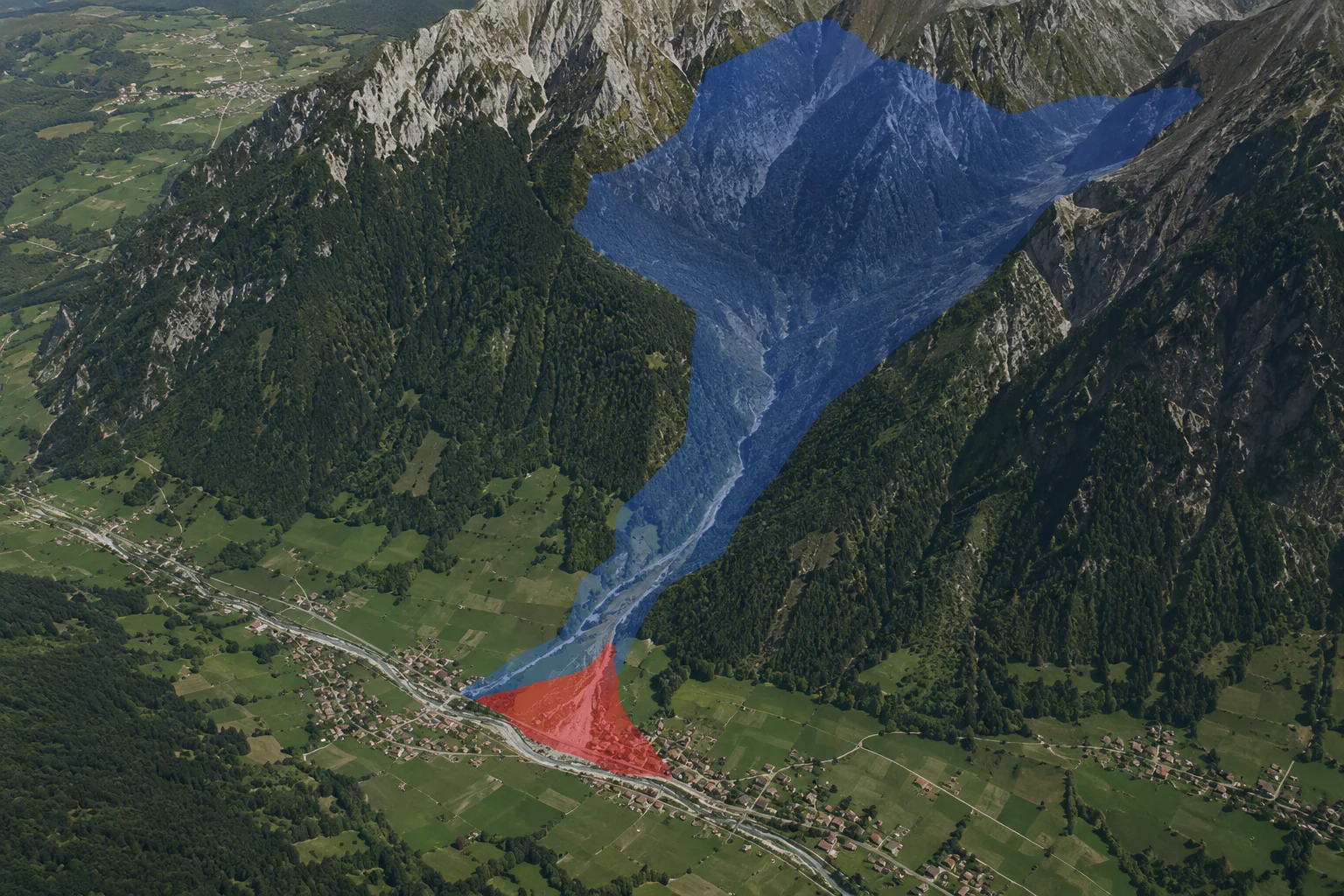
Multi-temporal analytics identify anomalies, risk levels and critical areas before field impact
We integrate geospatial outputs with GIS, digital twins, IoT and operational platforms
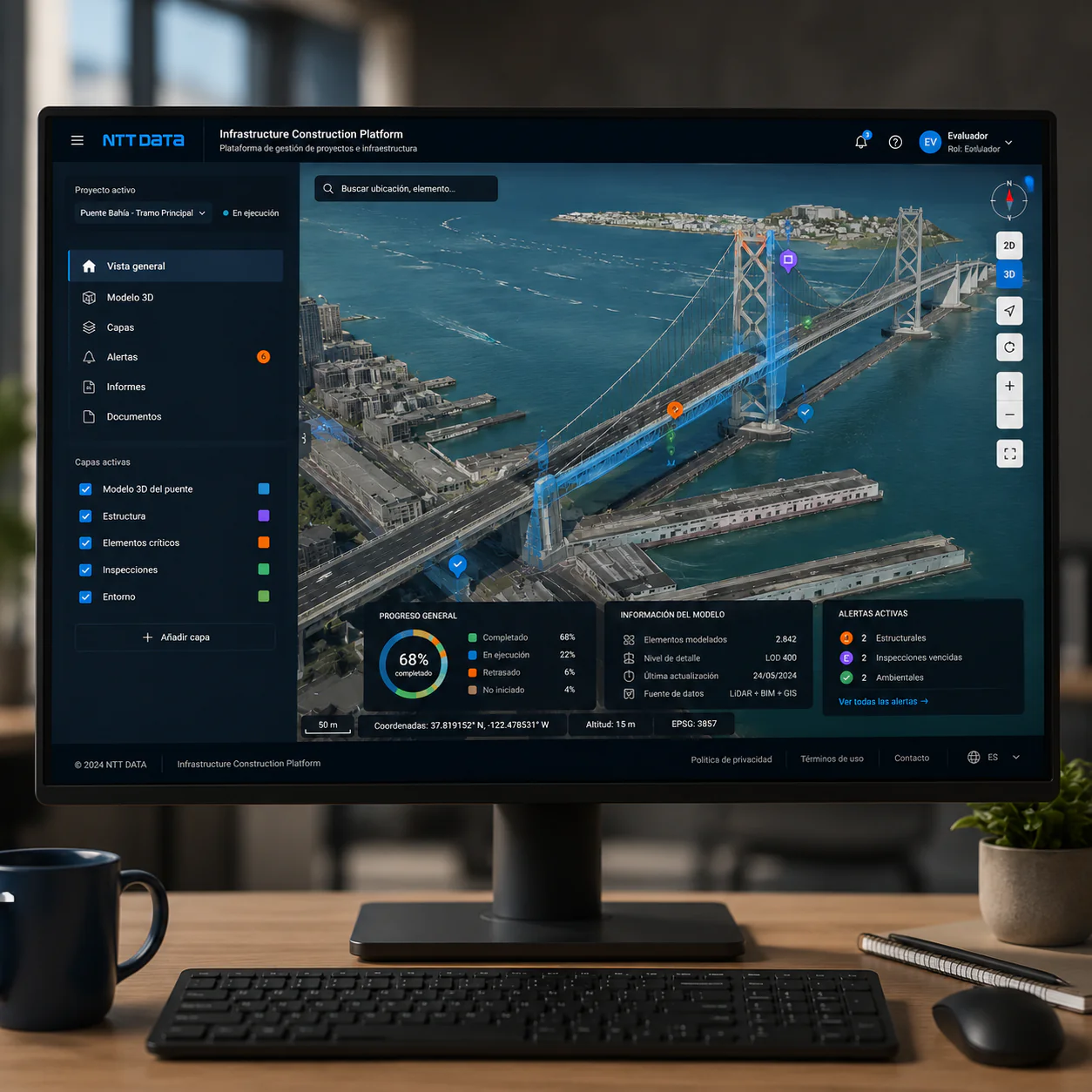
We don’t replace inspections with imagery. We guide teams to the areas showing highest risk
Early detection of threats, terrain instability, subsidence, and deformation patterns.
Optimized field operations and reduced dependence on manual surveys
Better visibility of terrain evolution, slope conditions and surrounding environmental changes throughout the project lifecycle
Centralized intelligence across roads, railways, utilities, industrial facilities, renewable energy sites, and construction projects
Transform monitoring into infrastructure intelligence