- Commodity Management & Trading

- Customer & Marketing Strategy

- Digital Engineering

- Station Studio

- Supply Chain & Industry 5.0
- Sustainability


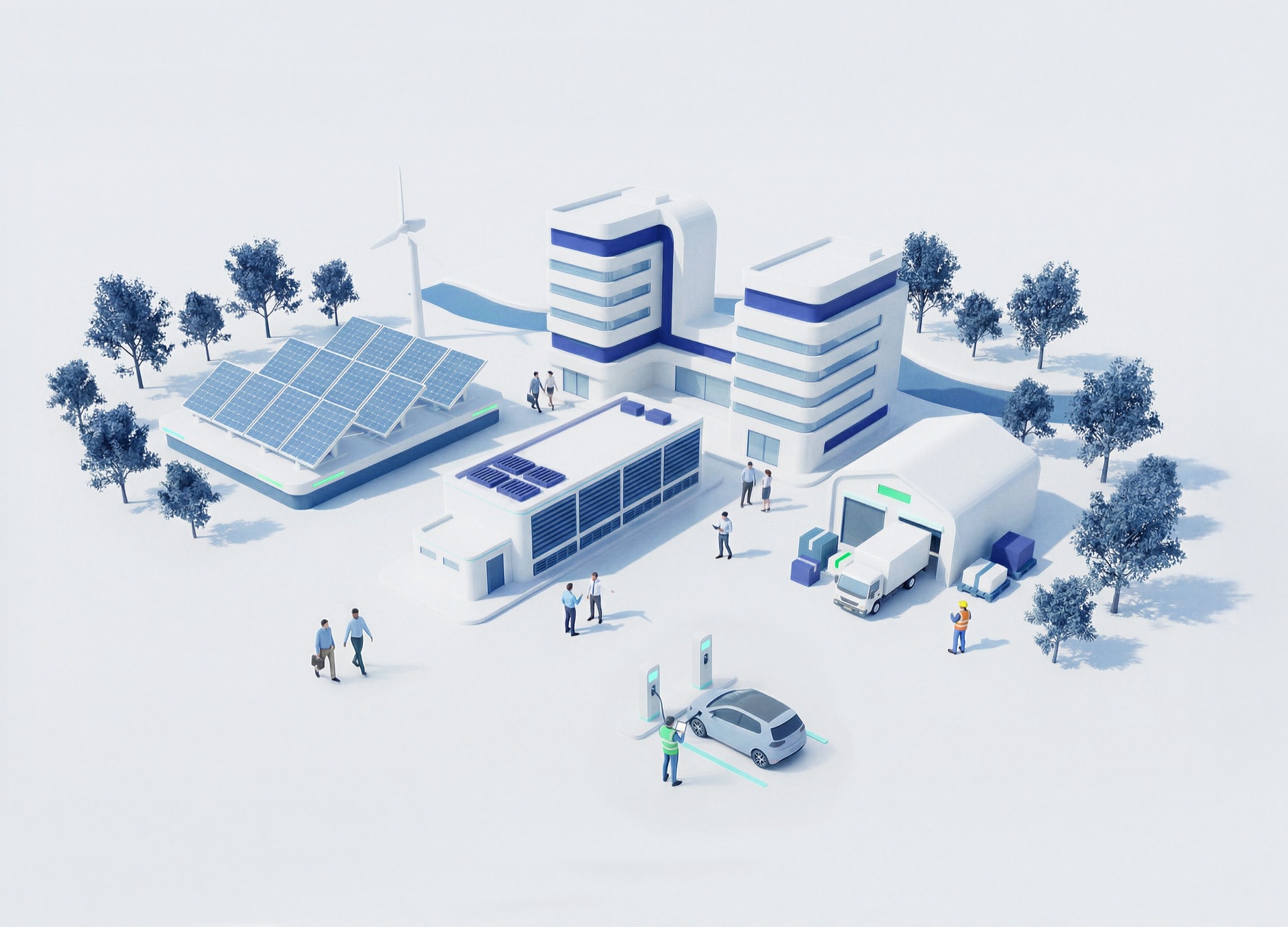



Mass Integration of Renewable Energy and Energy Storage
Utilities are moving from centralized generation and one-way power flows to dynamic networks where renewable generation, battery storage, electric vehicles, prosumers, and distributed resources continuously inject, consume, and store energy. As these assets scale into the thousands — and eventually millions — visibility, coordination, and communications become critical to maintaining grid stability, reliability, and operational efficiency. Without new orchestration models, renewable integration can increase congestion, affect power quality, and drive costly grid reinforcement
Mass renewable integration depends on making distributed resources visible, coordinated, and flexible — so utilities can increase clean energy penetration without increasing operational complexity

Monitor renewable assets in near real time and coordinate them as part of a unified operating system
Dynamically orchestrate battery energy storage systems to support balancing, congestion management, and flexibility
Coordinate electric vehicles, flexible loads, and demand response programs to reduce peaks and stabilize operations
Increase hosting capacity by combining DERMS, VPPs, ADMS, smart inverters, edge computing, and private LTE/5G networks
How NTT DATA helps
NTT DATA helps utilities connect DERMS, battery storage, VPP platforms, ADMS, smart inverters, and grid-edge devices into one coordinated ecosystem

Private LTE and 5G networks support massive device density, continuous data exchange, low-latency coordination, and secure critical-energy operations
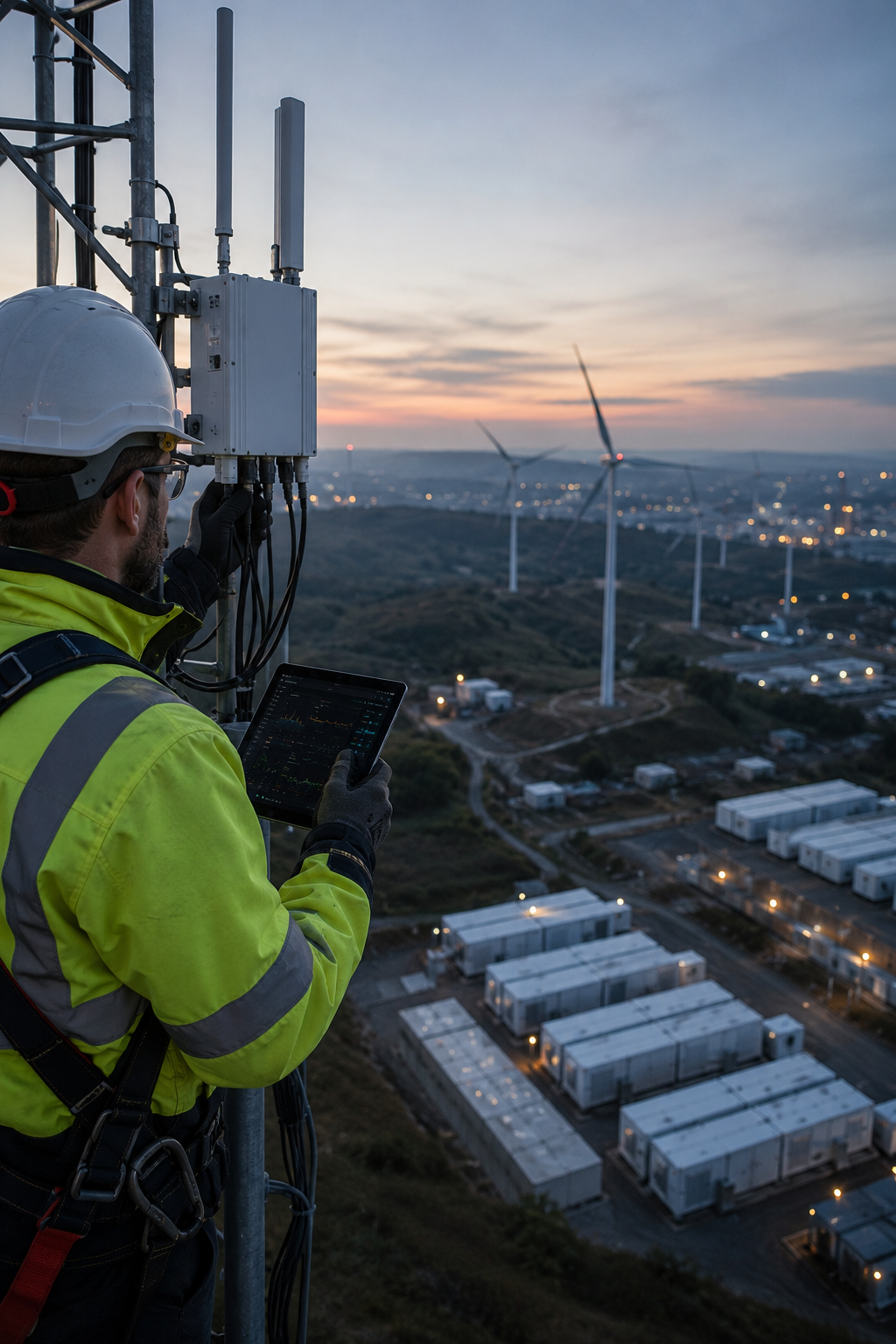
Edge computing enables faster local coordination across renewable generation, storage, electric vehicles, microgrids, and flexible demand
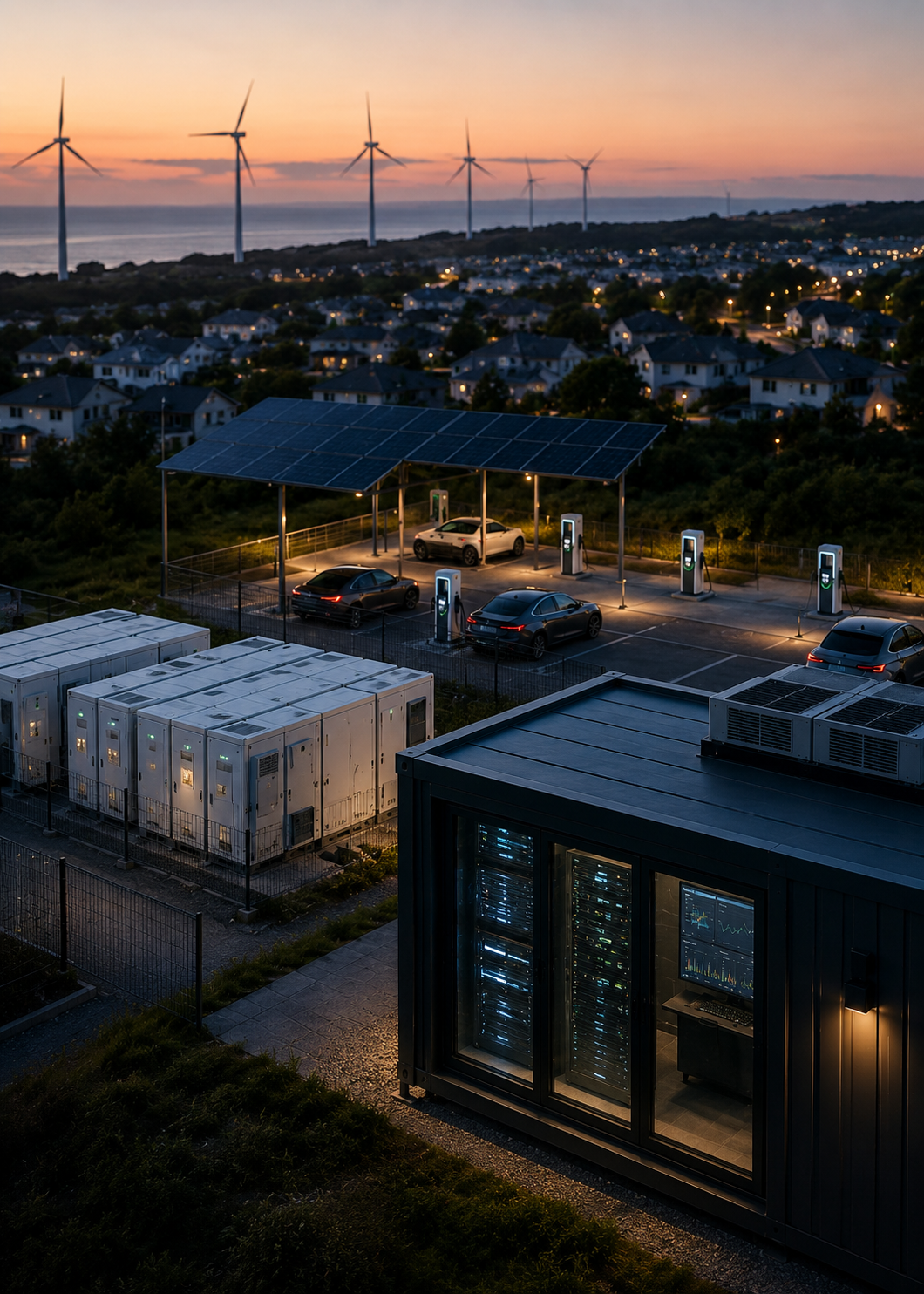
We help utilities use distributed resources to improve voltage management, reduce congestion, balance supply and demand, and support flexibility programs

We don’t treat 5G as the destination. We use it to scale renewable orchestration without proportionally increasing operational complexity

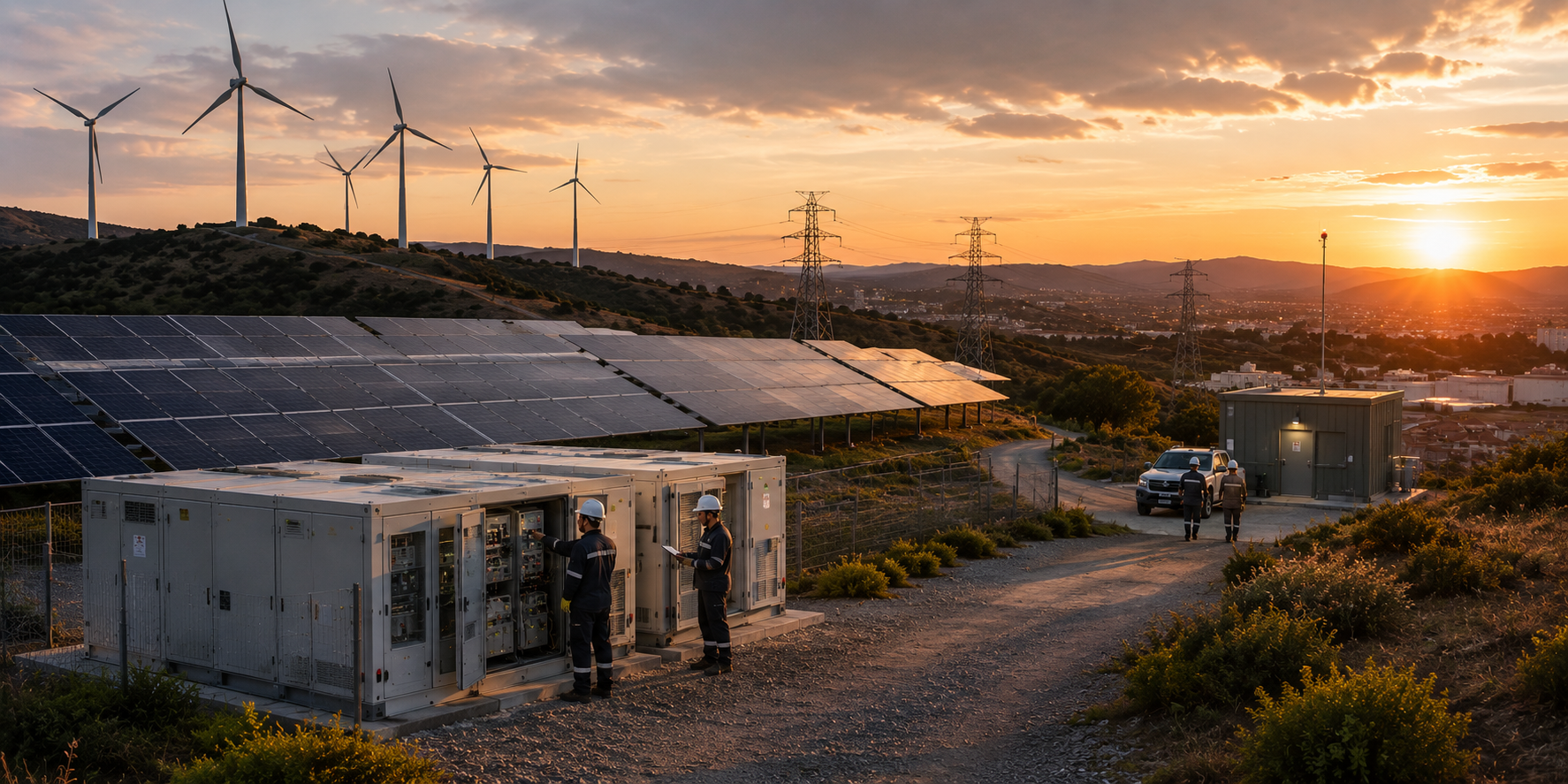
Renewable Hosting Capacity: 20–100% increase
Renewable Curtailment: 20–60% reduction
Grid Balancing Costs: 10–30% reduction and Network Congestion Events: 15–40% reduction
Battery Utilization: 15–40% improvement, Infrastructure Reinforcement Requirements: 10–30% reduction, and Flexibility Market Revenues: 5–15% increase
Scale renewable orchestration with confidence