- All Foundries

- Commodity Management & Trading

- Customer & Marketing Strategy

- Digital Engineering

- Station Studio

- Supply Chain & Industry 5.0
- Sustainability

- Physical AI

- Next-Gen Infrastructure







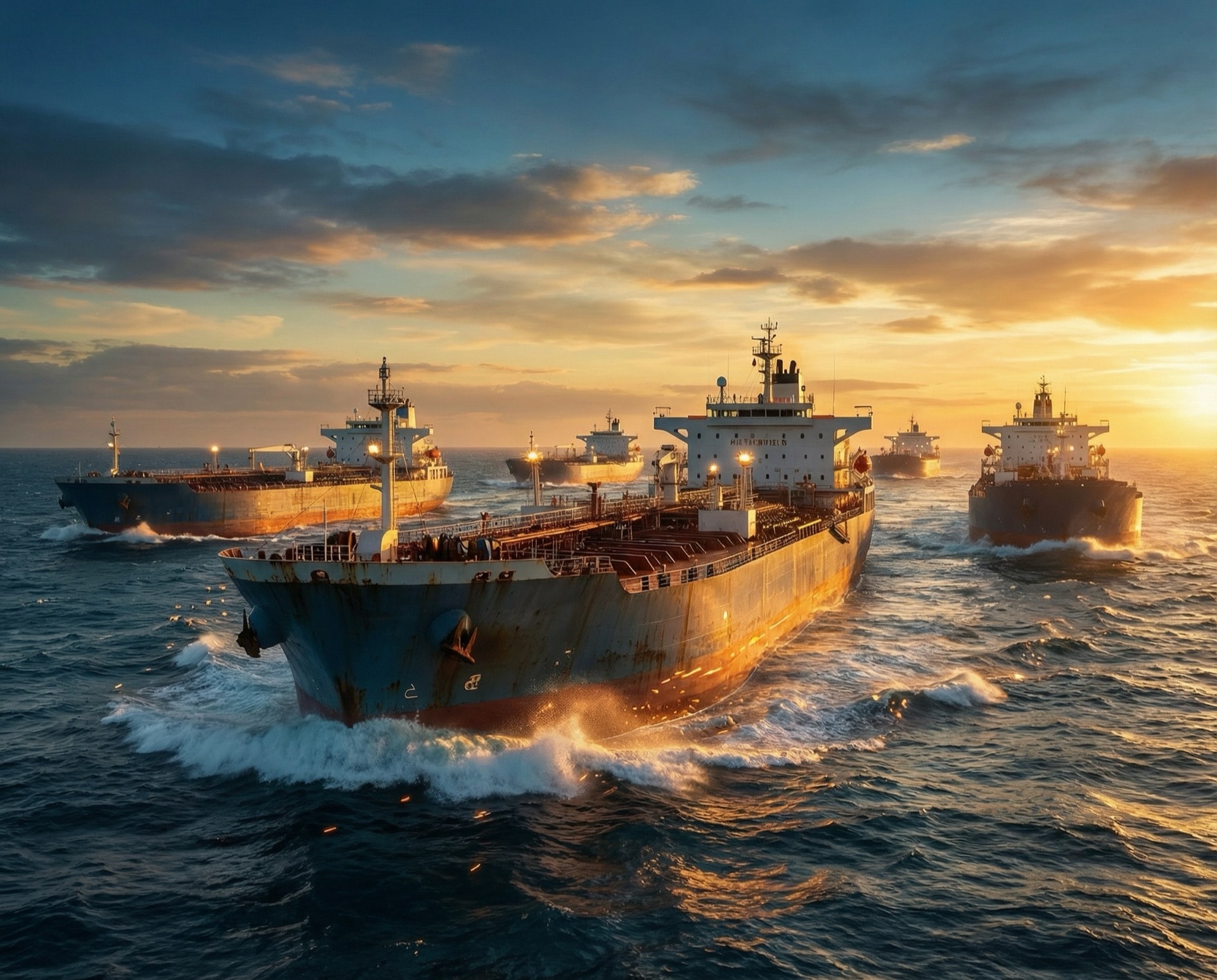
Oil and products waterborne operations
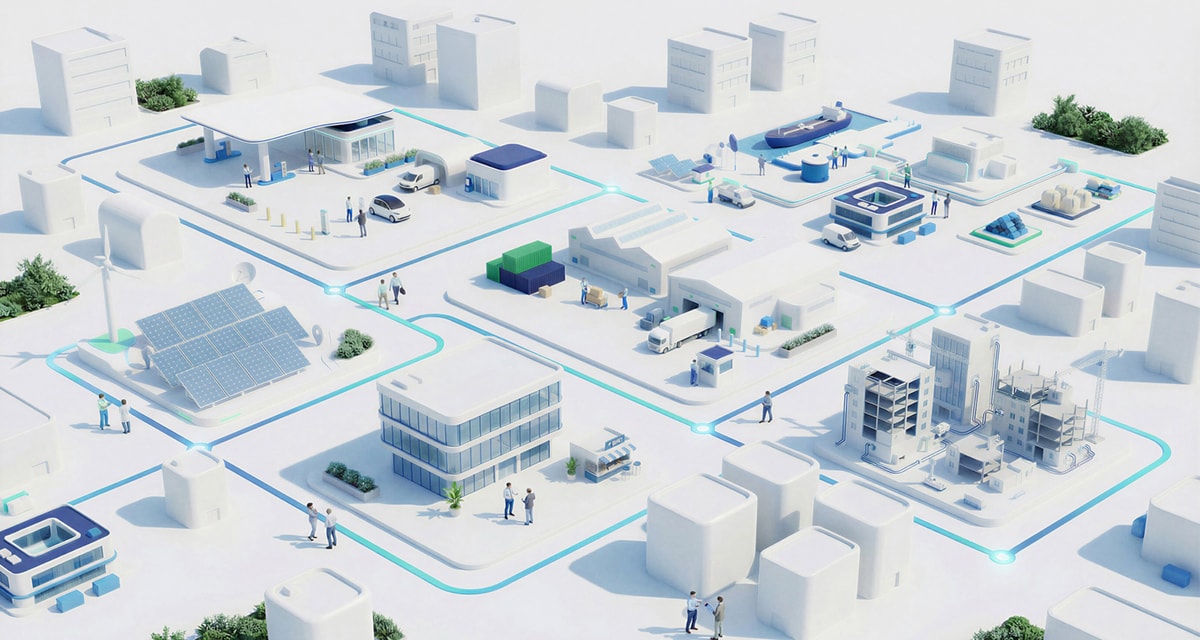
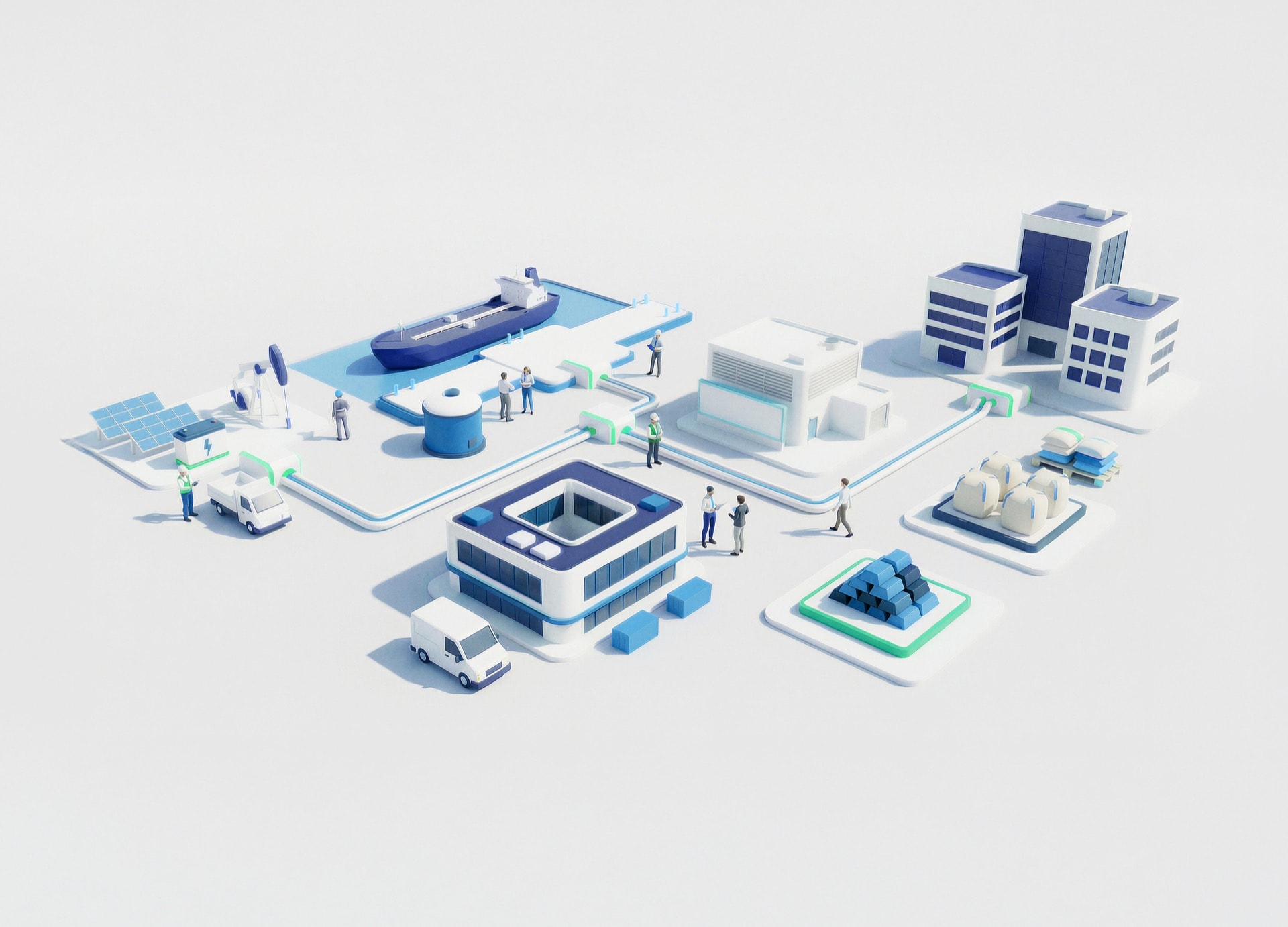
Enabling real-time adaptation to geopolitical, regulatory, and demand changes allows traders to secure reliable deliveries while optimizing costs, reducing risks, and maintaining operational performance across complex waterborne logistics.

Full traceability and observability of vessel variables (route, speed, manoeuvre), providing clarity on ETA, cost forecasting, and generating historical data for model training.
Fully automated workflow, reducing errors and enabling tighter laycan windows in congested terminals.
Full control of the cargo, from initial agreement to final invoice, with a 360º transaction view. Enables in-route decision-making to optimize portfolio and P&L.
Simulate and forecast all direct and indirect costs for your strategy and reconcile them with actuals.
How NTT DATA helps
Improve your market intelligence by tracking each vessel’s position, anticipating routes, and monitoring floating storage. Digitalize the communication with the captain to retrieve near real-time position, bunker consumption and Estimated Time of Arrival (ETA).
Satellite communications were expensive and provided very low bandwidth but recent progress is providing more competitive options to get real-time tracking.
The use of satellite images and low-orbit images allows to guess tank levels, demand pressure and get a negotiation advantage.

Allows to track historical position and routes from vessels. This can be used to identify who is the charterer, supply contracts and flexibilities, weather conditions and other risks. They can also be used for vetting (regarding SIRE inspections) and compliance to avoid any connection with sanctioned countries/companies.

They will host the AI-models that will enable new business models (new trip-wise services), reconciliate captain values against digital twins for ETA and bunkering consumption, automate port, terminal and captain workflows and deliver faster and with higher quality.

These platforms will manage companies’ portfolio for physical cargos and chartering, will include allocation processes between cargos and fleet, will track all secondary costs, support with operations and back-office tasks (recaps, contracts, quality and quantity statements, Bill-of-lading, settlements and invoicing.
Working together with the CTRM, agents will take the control of emails, regulatory reporting, information exchange with third parties (ports, terminals, counterparties…) updating the best-available information into the CTRM for the decision making process.

Up to +50% more cargos managed per operator.
20% reduction in inefficiencies and demurrage costs
Full digital companies enable remote working and conciliation