- All Foundries

- Commodity Management & Trading

- Customer & Marketing Strategy

- Digital Engineering

- Station Studio

- Supply Chain & Industry 5.0
- Sustainability

- Physical AI

- Next-Gen Infrastructure












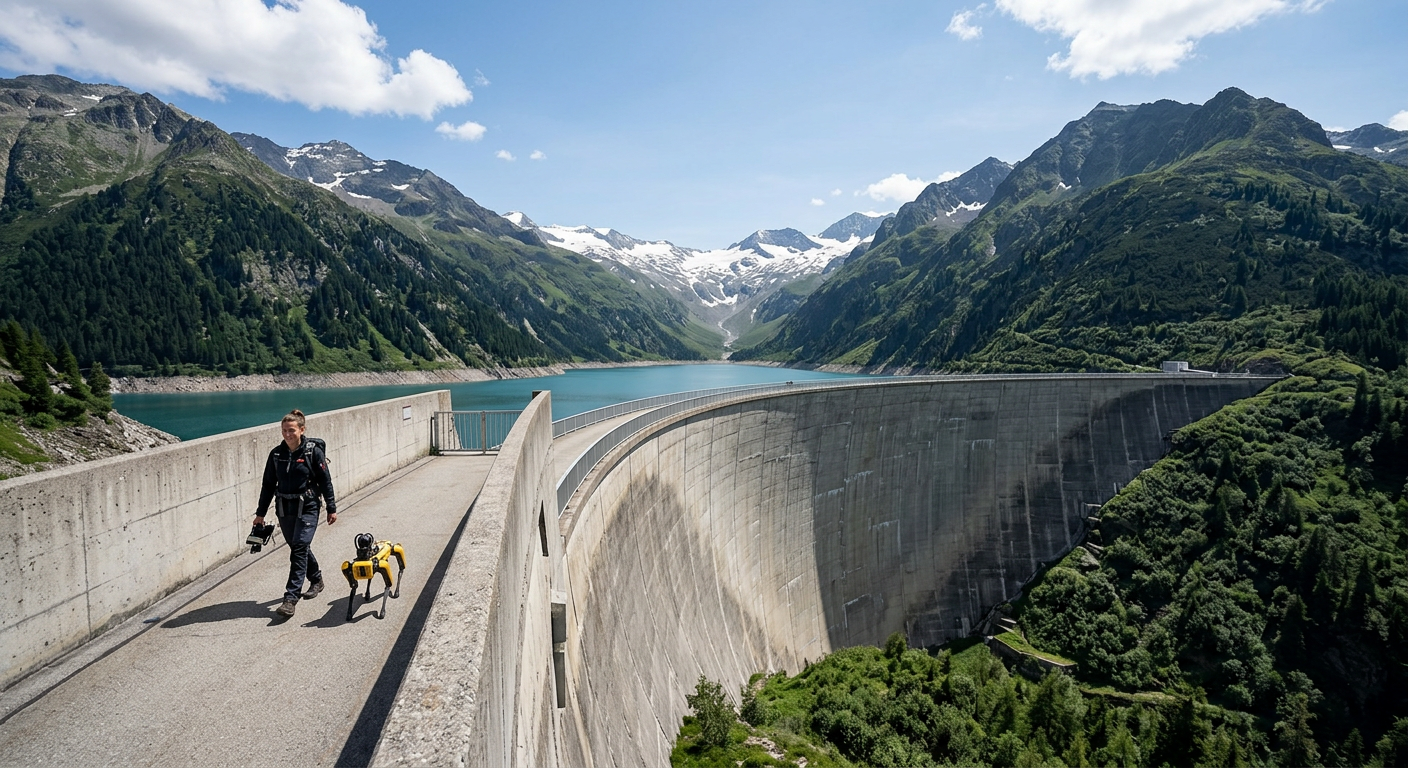
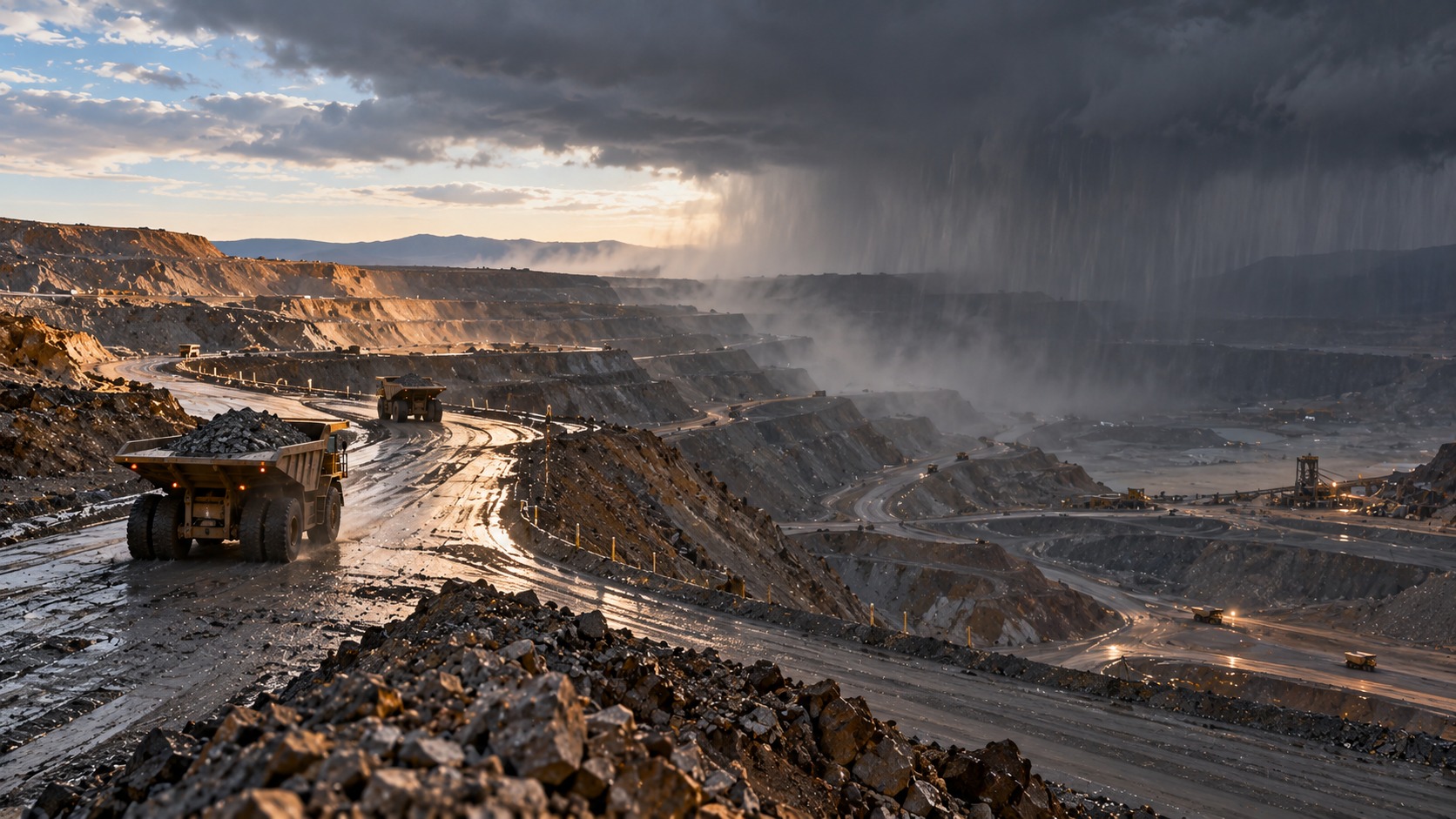
Operational climate resilience for mining shifts
An external condition has rewritten the operating problem during the shift. Climate risk stops being a line in a risk register. It acquires an operator, a deadline and a decision.
Translating external conditions into operating decisions gives the mine more time to act.

Translating external conditions into operating decisions gives the mine more time to protect continuity, water and production.
Pipeline platforms, water-management systems and access routes can be protected before the event removes the remaining alternatives
It prevents forecasts from remaining isolated in specialist functions, connecting them with thresholds that change what the shift evaluates.
Comparing forecast, decision, physical response and outcome lets thresholds and contingency logic improve with each experience.
How NTT DATA helps
Identify the water, temperature, weather, access, energy or infrastructure conditions that materially alter an operating decision.
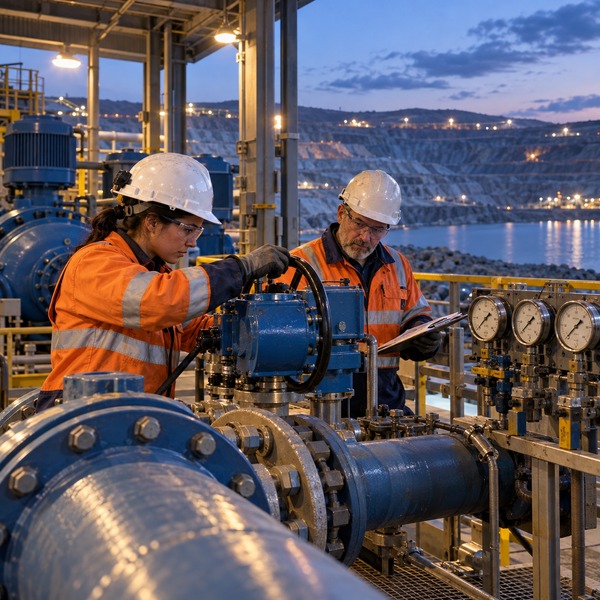
Connect sensing and forecasting with thresholds that change what the shift must evaluate, rather than producing another dashboard.

Make visible which production rates, routes, sequences, inventories or operating modes remain possible under the new constraint.
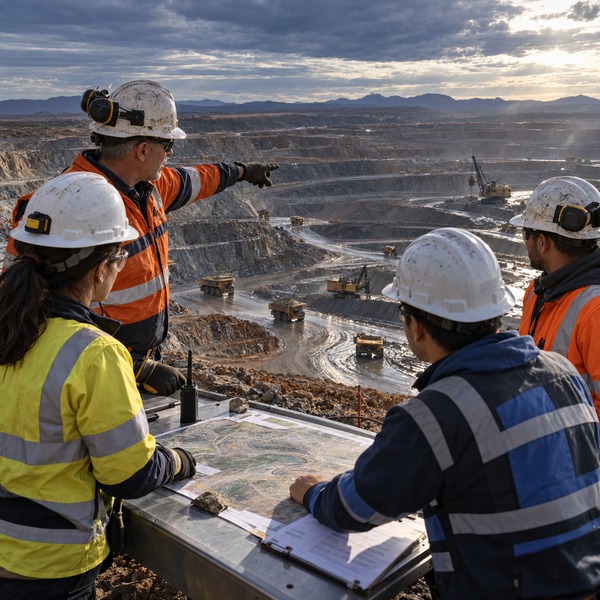
When water, production, maintenance, logistics or safety objectives conflict, define who can commit the chain response.
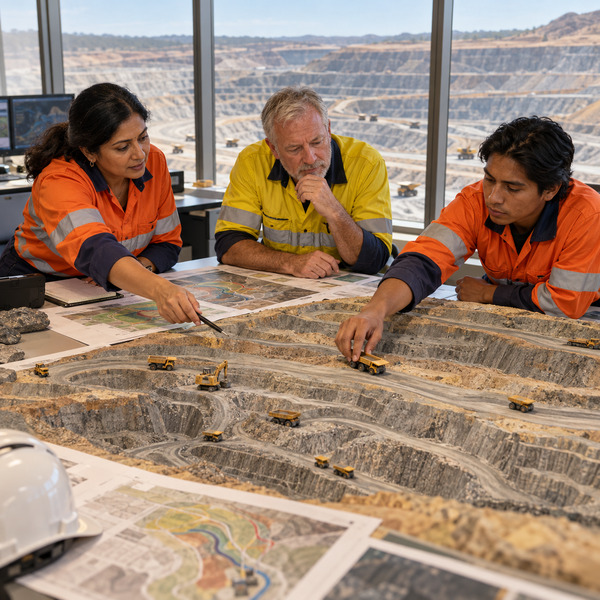
Use workflows and integration to carry the new operating commitment into planning, control and field execution before the opportunity window closes.

Compare forecast, decision, physical response and outcome so thresholds and contingency logic improve with experience.
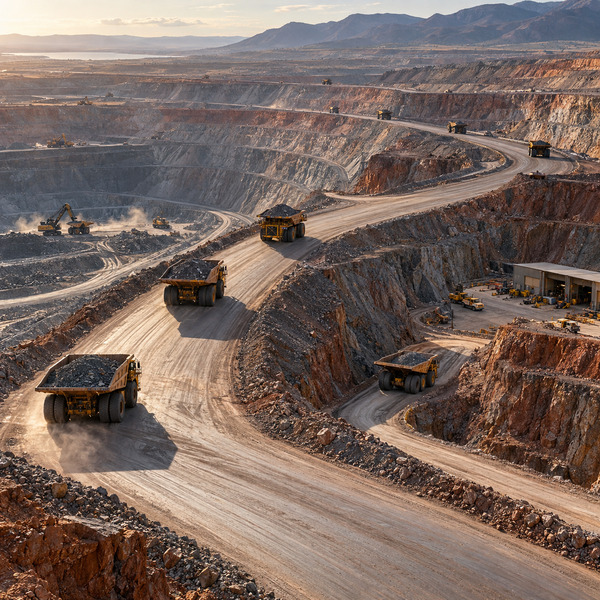
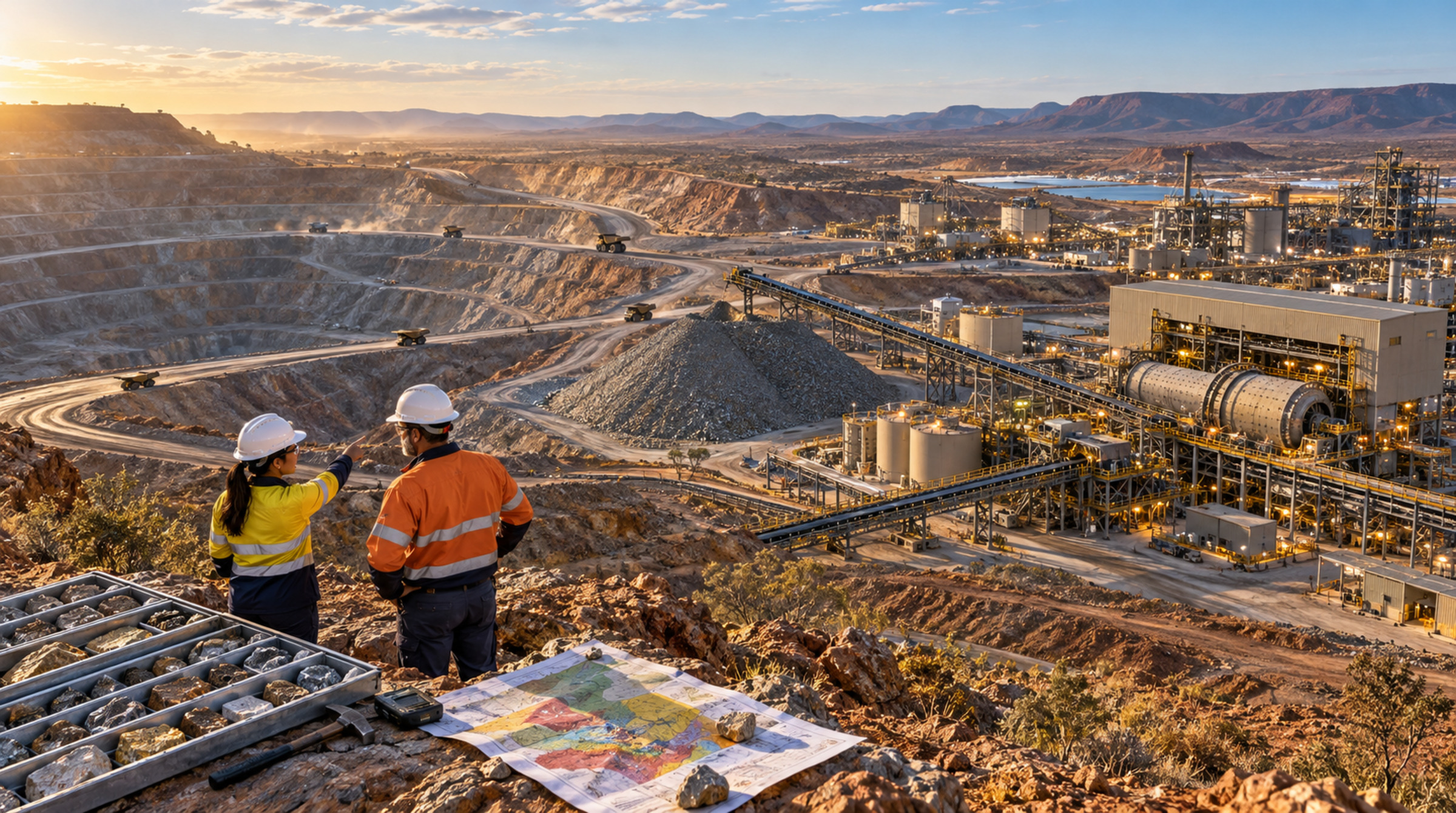
Operations ramped up as conditions permitted. The IEA reports much Chilean copper is in water-stressed areas. A warning becomes useful when it changes a decision while alternatives are still available.
Climate resilience is often described in years. The mine experiences it in much shorter units.
A storm arrives. A road closes. Equipment conditions narrow. Someone has to decide what the operation does now, with a clear mandate.
Treatment rates, water sources, routes and plant priorities are recalculated as soon as the external condition changes the plan.
The same logic applies when extreme heat, flooding, wildfire or weather interrupts equipment, access, energy or logistics.
Workflows carry the new commitment into planning, control and field execution before the opportunity window closes for the mine.
Explore how turning forecasts into operating triggers and decisions can protect mining continuity when conditions change.