- All Foundries

- Commodity Management & Trading

- Customer & Marketing Strategy

- Digital Engineering

- Station Studio

- Supply Chain & Industry 5.0
- Sustainability

- Physical AI

- Next-Gen Infrastructure












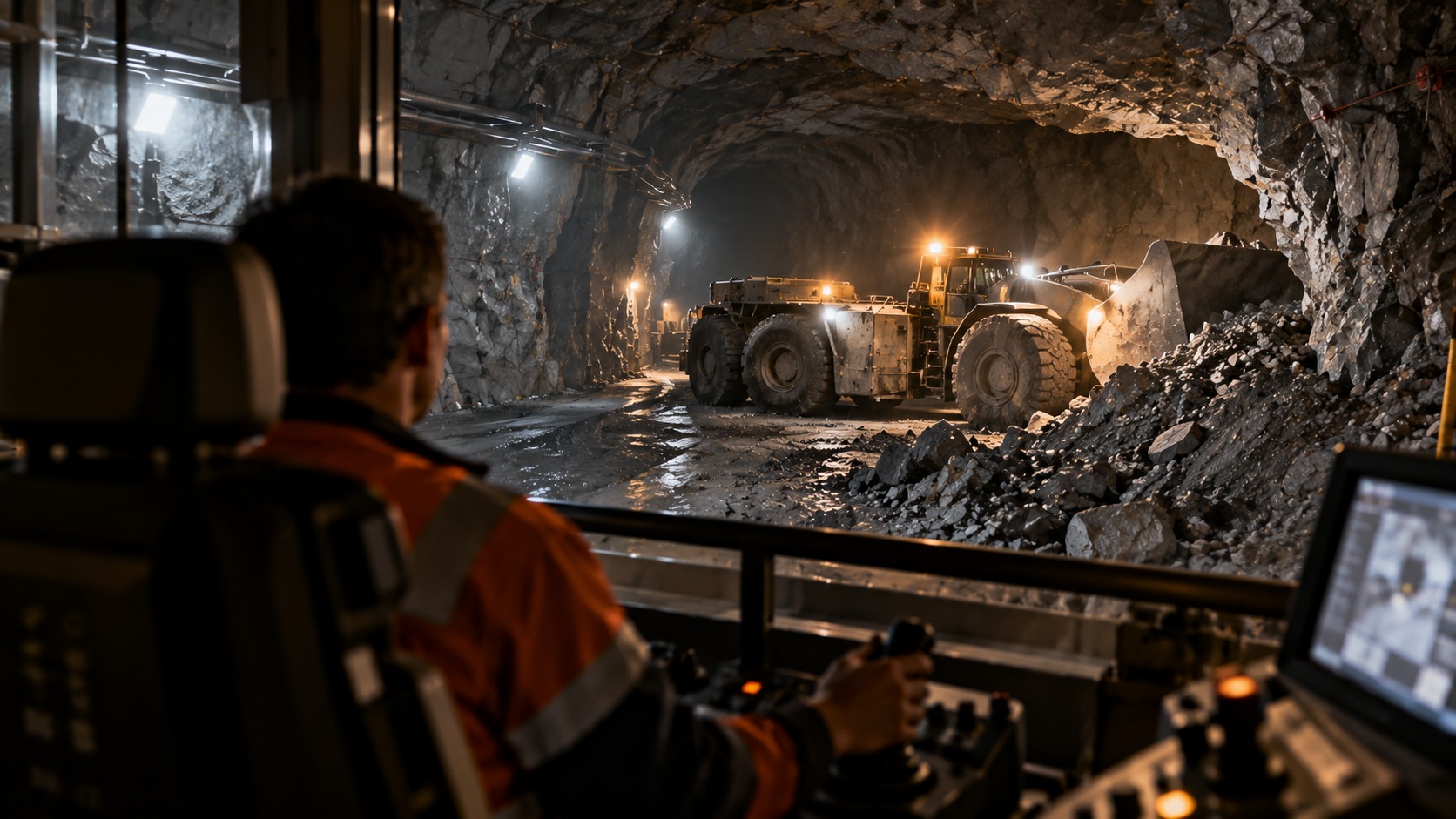
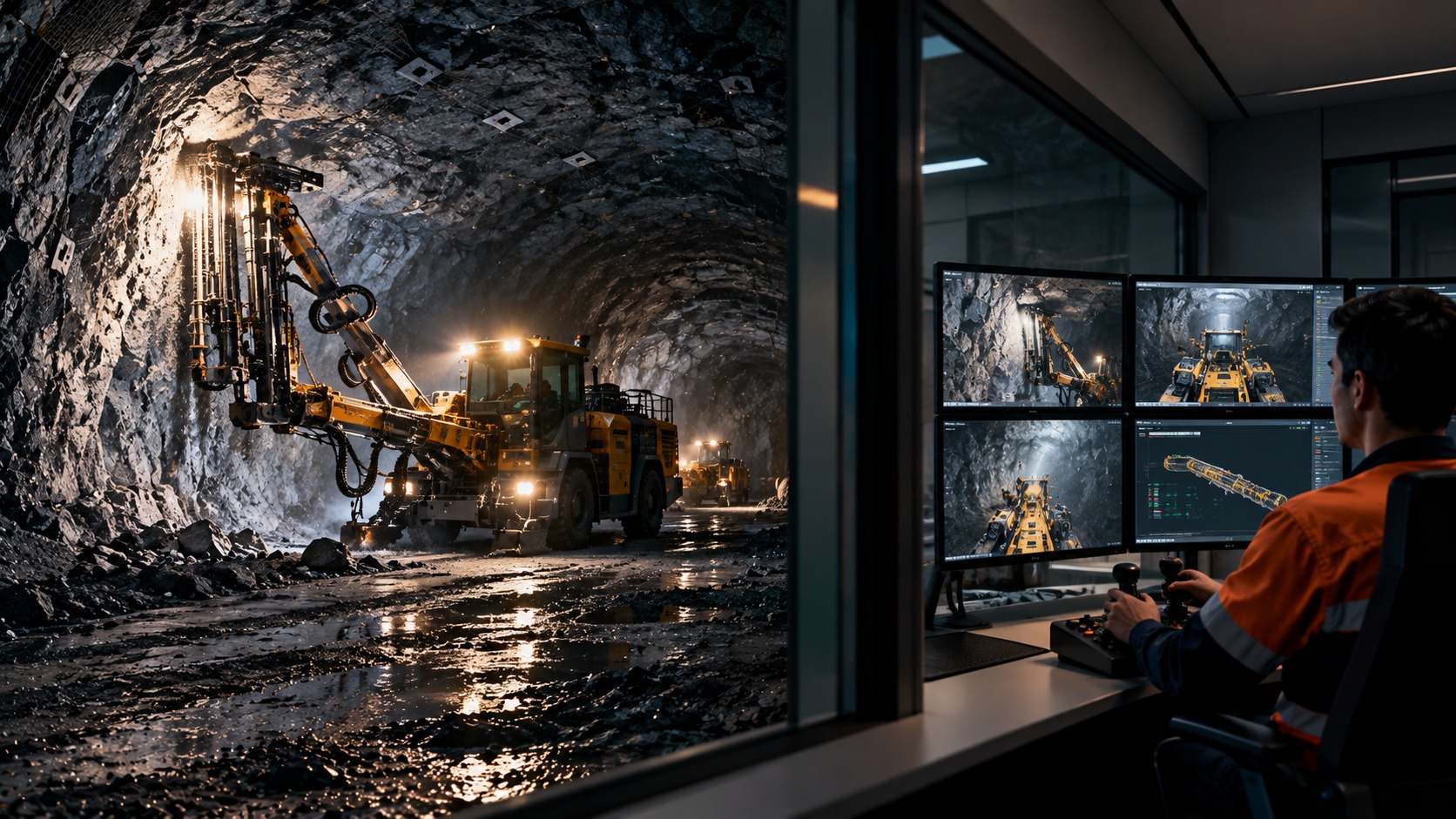
Human handover in mining automation: return control safely
An alarm? A camera feed? Or the situation the machine was resolving: its intent, what changed, what it still trusts, what is approaching and how long alternatives stay safe?
A designed handover reduces the time a person spends reconstructing what the automated system already knew.

A designed handover reduces the time a person spends reconstructing what the automated system already knew about the situation.
The human can understand the exception quickly enough to make the next safe decision while trucks accumulate behind the stopped unit.
A human who understands the exception can recover the movement, constrain it, reroute traffic or keep the equipment safely stopped.
Automation can grow without turning human intervention into an improvised emergency procedure every time the envelope is exceeded.
How NTT DATA helps
Specify the conditions – degraded sensing, conflicting information, uncertain localization, unavailable infrastructure – that stop autonomous decisions.

Present intent, current state, triggering uncertainty, remaining constraints and the relevant surrounding operating situation.
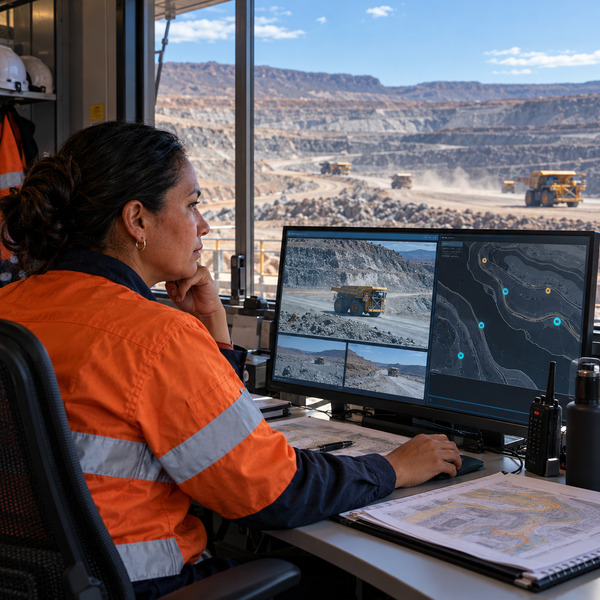
Show what is still moving and which alternatives disappear if intervention is delayed: nearby traffic, haulage queues or downstream feed.

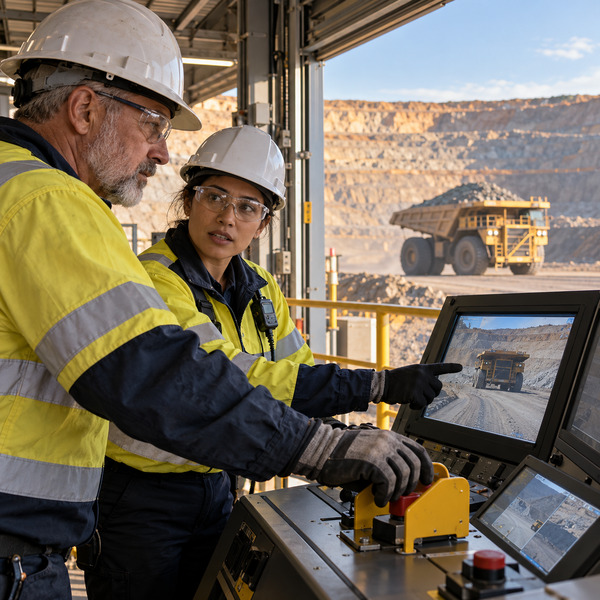
Define what the supervisor can command, what remains inhibited and when responsibility has formally transferred.
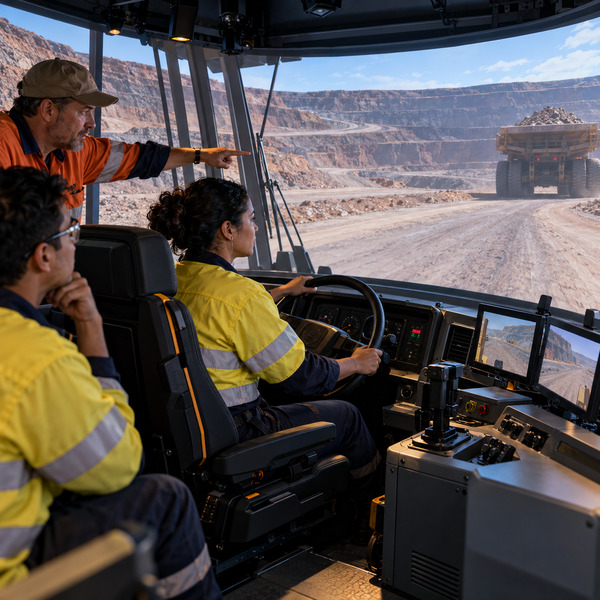
Use simulation and event replay to expose operators to rare handovers before they encounter them under production pressure.
Event histories and observability can reveal why the system exited its operating envelope and whether that exception can later be handled reliably.

It covers autonomous machinery with associated systems, software and infrastructure. ISO work on supervisory interfaces shows the boundary between automated execution and supervision is part of making autonomy operable.
The measure of a good handover is not whether the human can move the truck.
It is whether the human can understand the exception quickly enough to make the next safe decision for the truck and the traffic.
As automation expands, people touch fewer routine decisions, which makes the decisions returned to them harder, not easier.
The handover has an opportunity window too: shovel capacity, crusher feed and queues keep changing while the decision is pending.
Event histories reveal why the system exited its envelope and whether that exception can later be handled reliably by automation.
Explore how transferring context, time and authority can make the return from automation to human control safe in mining.