- All Foundries

- Commodity Management & Trading

- Customer & Marketing Strategy

- Digital Engineering

- Station Studio

- Supply Chain & Industry 5.0
- Sustainability

- Physical AI

- Next-Gen Infrastructure














Robotics, Edge & Autonomous Operations for Ports and Vessels
This delivers autonomous maritime operations at scale, turning data into safer, faster and more resilient decisions.
Apply IoT, Edge Computing, robotics, autonomous systems and AI-driven monitoring to improve inspection processes, increase operational awareness and reduce risk exposure across ports, terminals and maritime assets. Enable faster decision-making, broader asset coverage and safer operations while maintaining control and compliance.

Reduce reliance on manual inspections in hazardous, remote or difficult-to-access environments through drones, robotics and edge-enabled monitoring capabilities.
Combine sensors, computer vision and edge analytics to identify abnormal conditions in real time and accelerate response actions.
Integrate autonomous technologies with operational platforms, maintenance solutions and port management environments while leveraging existing investments.
Deploy robotics, drones and autonomous technologies within secure operational frameworks that support governance, safety requirements and compliance obligations.
How NTT DATA helps
Identify the port and vessel processes where connected monitoring, remote inspection or automation can address a clear operational need. Define the baseline, expected outcome, risk boundaries and roadmap before selecting technology.
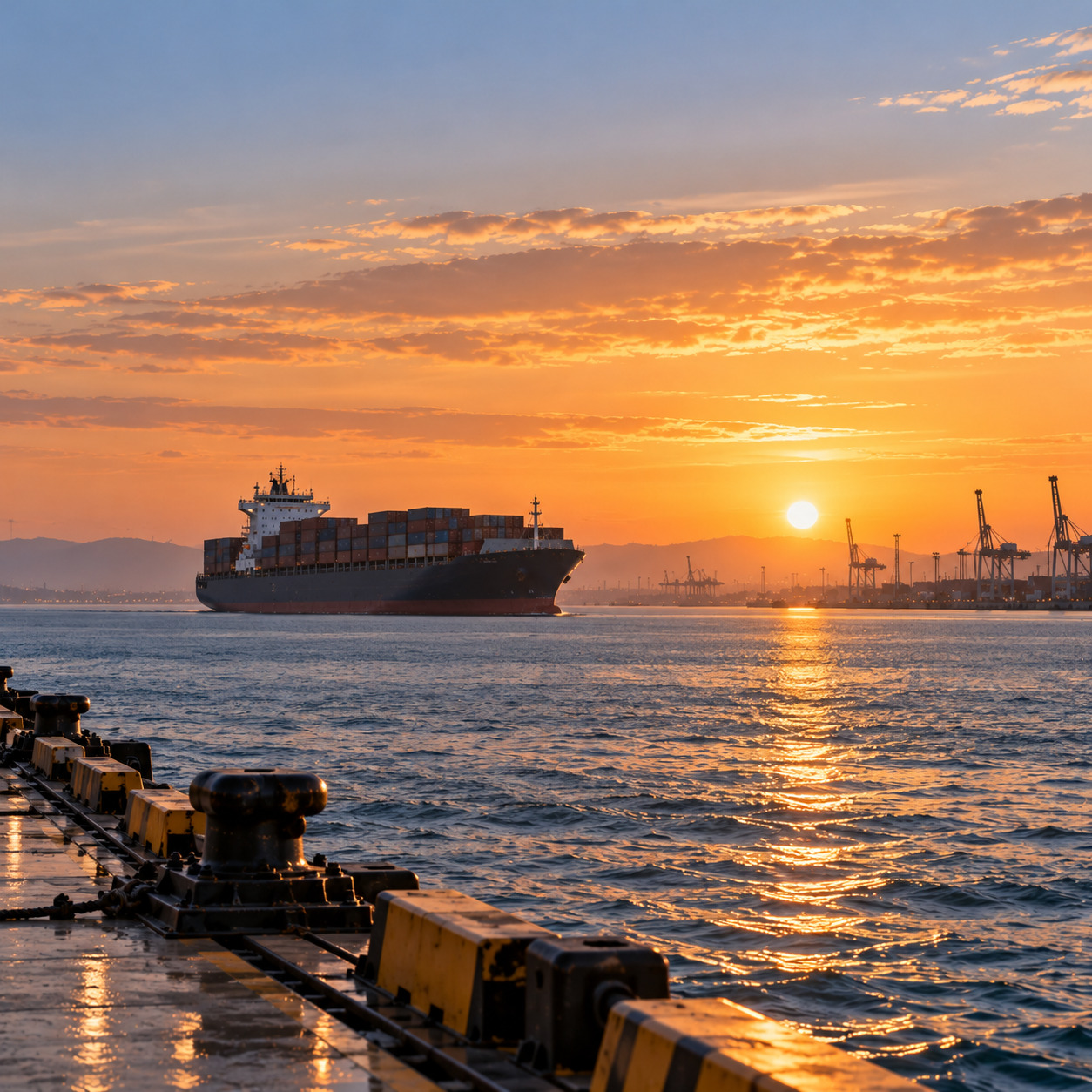
Deploy distributed sensing and edge computing capabilities that bring intelligence closer to maritime assets, reducing latency and improving operational responsiveness.

Introduce drones, robotic crawlers and autonomous inspection technologies to improve visibility, access difficult locations and reduce manual intervention.
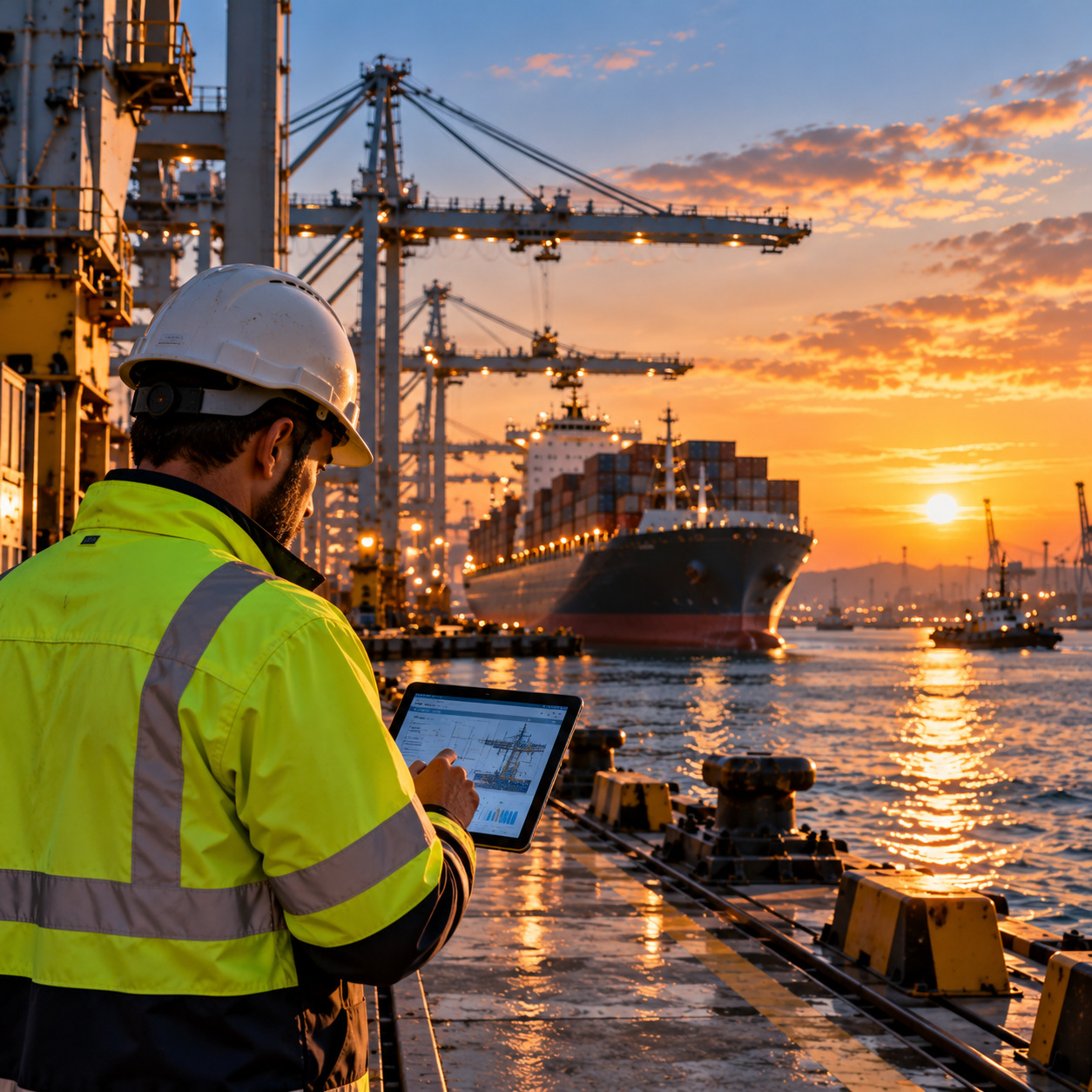
Apply computer vision and advanced analytics to identify anomalies, automate inspections and improve monitoring coverage across maritime infrastructure.
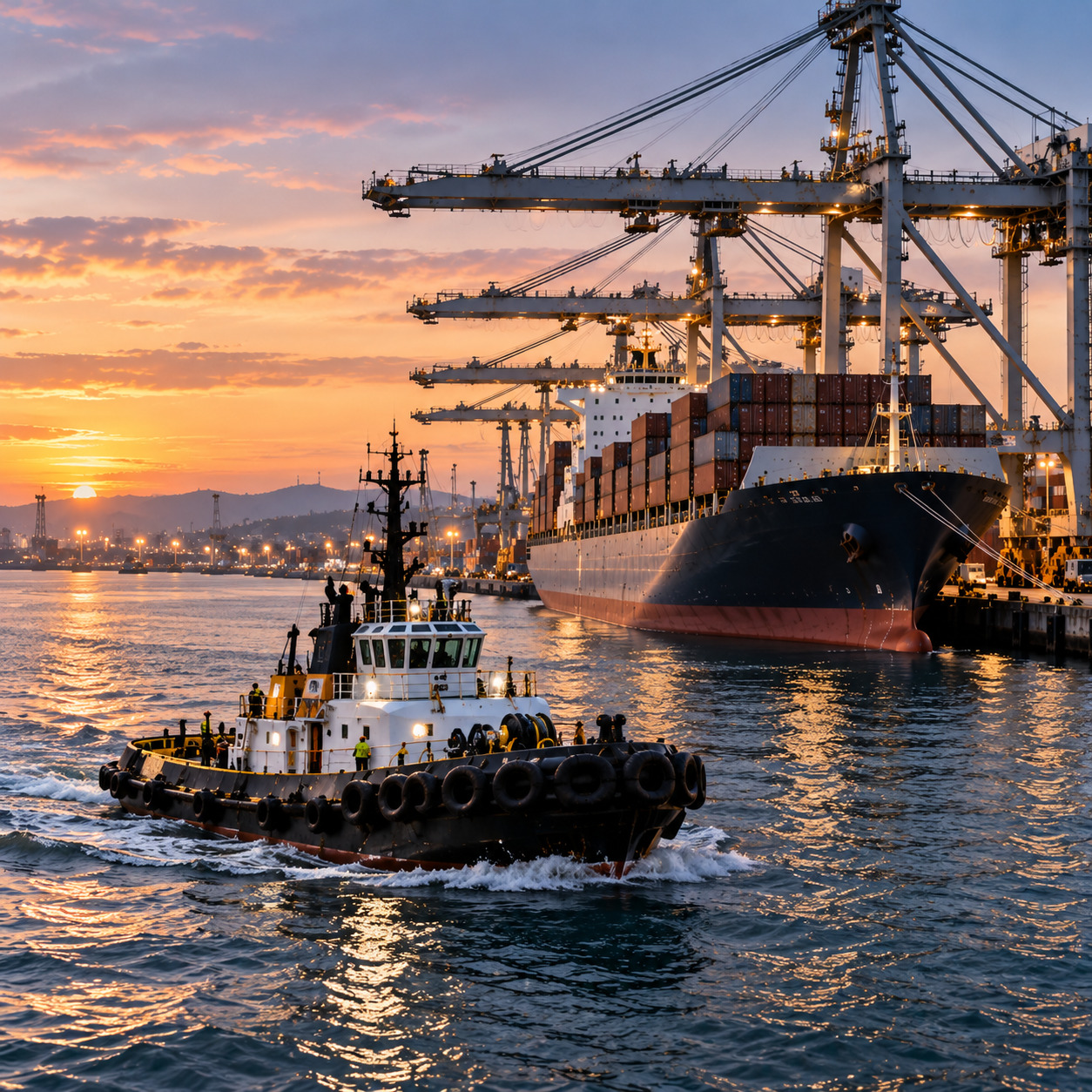
Connect autonomous solutions to operational environments while ensuring cybersecurity, governance and safe interaction between systems, assets and teams.
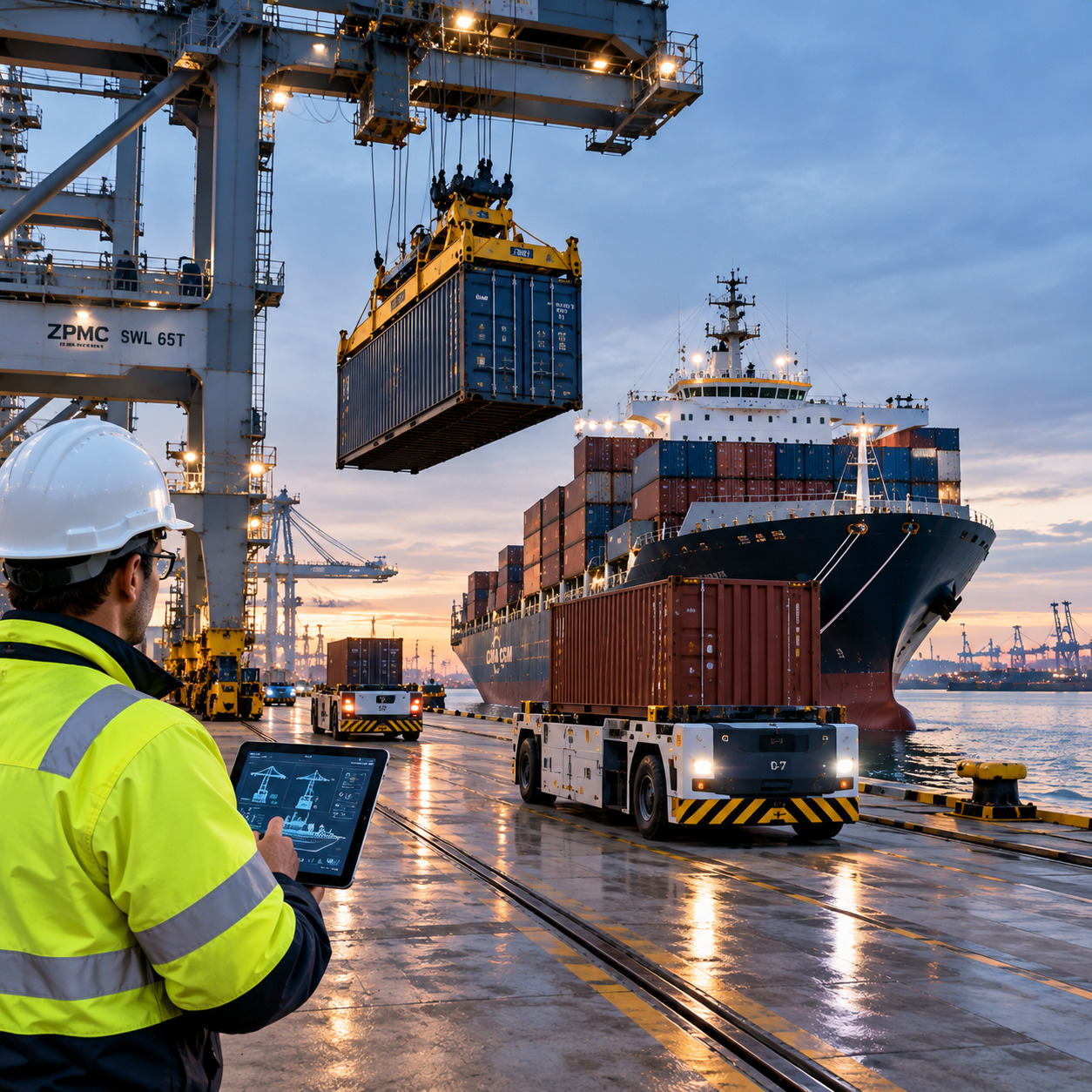
Move from pilots to enterprise-scale deployment through operating models, governance frameworks, performance monitoring and continuous improvement processes.

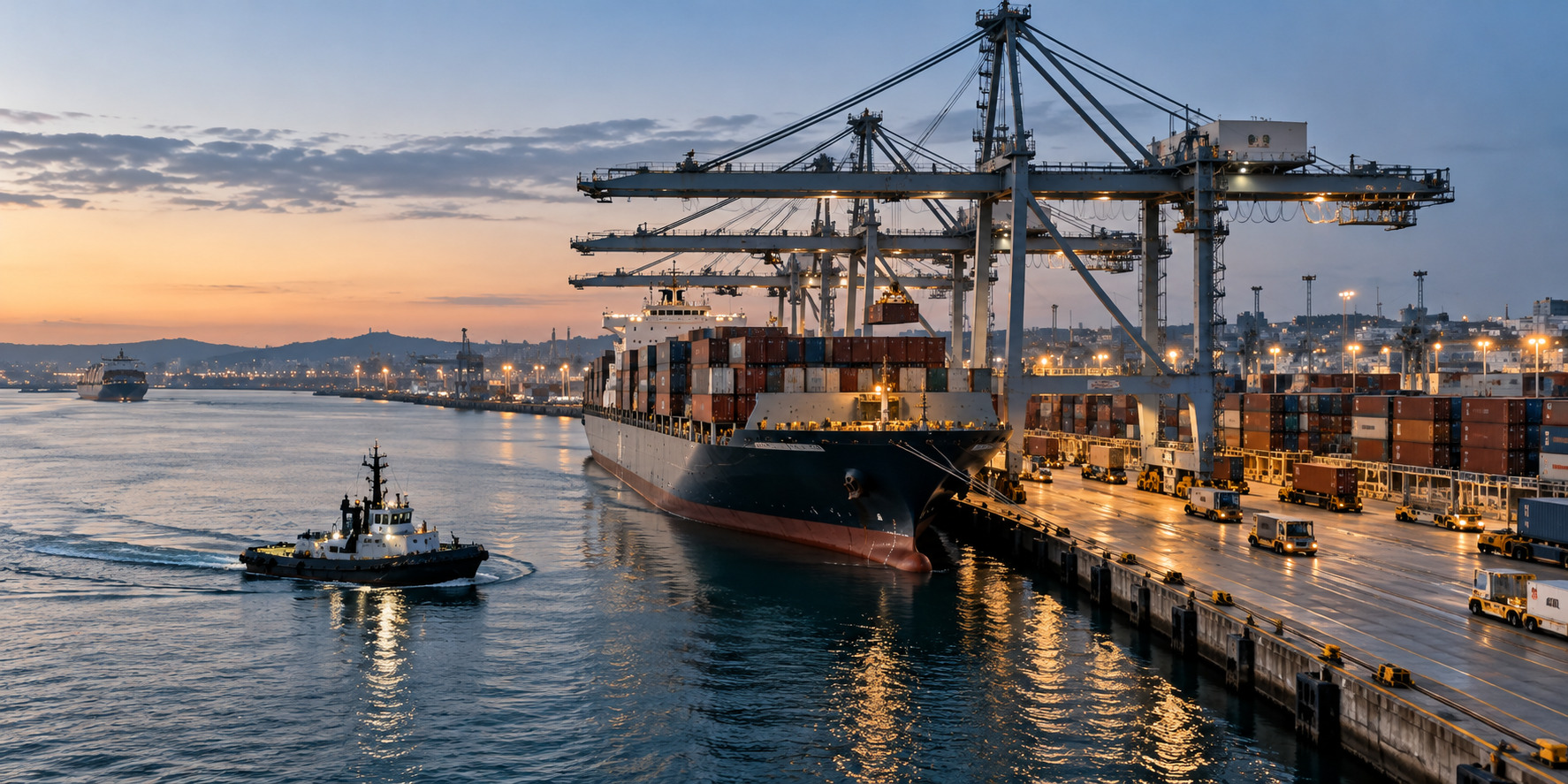
Disruptive technologies create value when assets, infrastructure and operations can be monitored more safely, more frequently and with greater accuracy. Establish operational baselines before deployment and measure improvements in inspection efficiency, operational coverage, risk exposure and response effectiveness across the selected operational scope.
Maritime organizations create measurable value when autonomous technologies help teams inspect assets more efficiently, detect risks earlier and maintain continuous visibility across operations.
Monitor a larger share of priority assets and areas with traceable evidence.
Reduce the time required to identify, verify and act on relevant operational events.
Reduce the time people spend in hazardous or hard-to-reach inspection environments.
Increase the proportion of alerts and findings connected to accountable maintenance, security or operational actions.
Build a practical roadmap that combines IoT, Edge Computing, robotics, computer vision and autonomous systems to improve inspection, monitoring, safety and operational performance across ports and vessels.