- Commodity Management & Trading

- Customer & Marketing Strategy

- Digital Engineering

- Station Studio

- Supply Chain & Industry 5.0
- Sustainability







Route Optimization for Offshore Maintenance
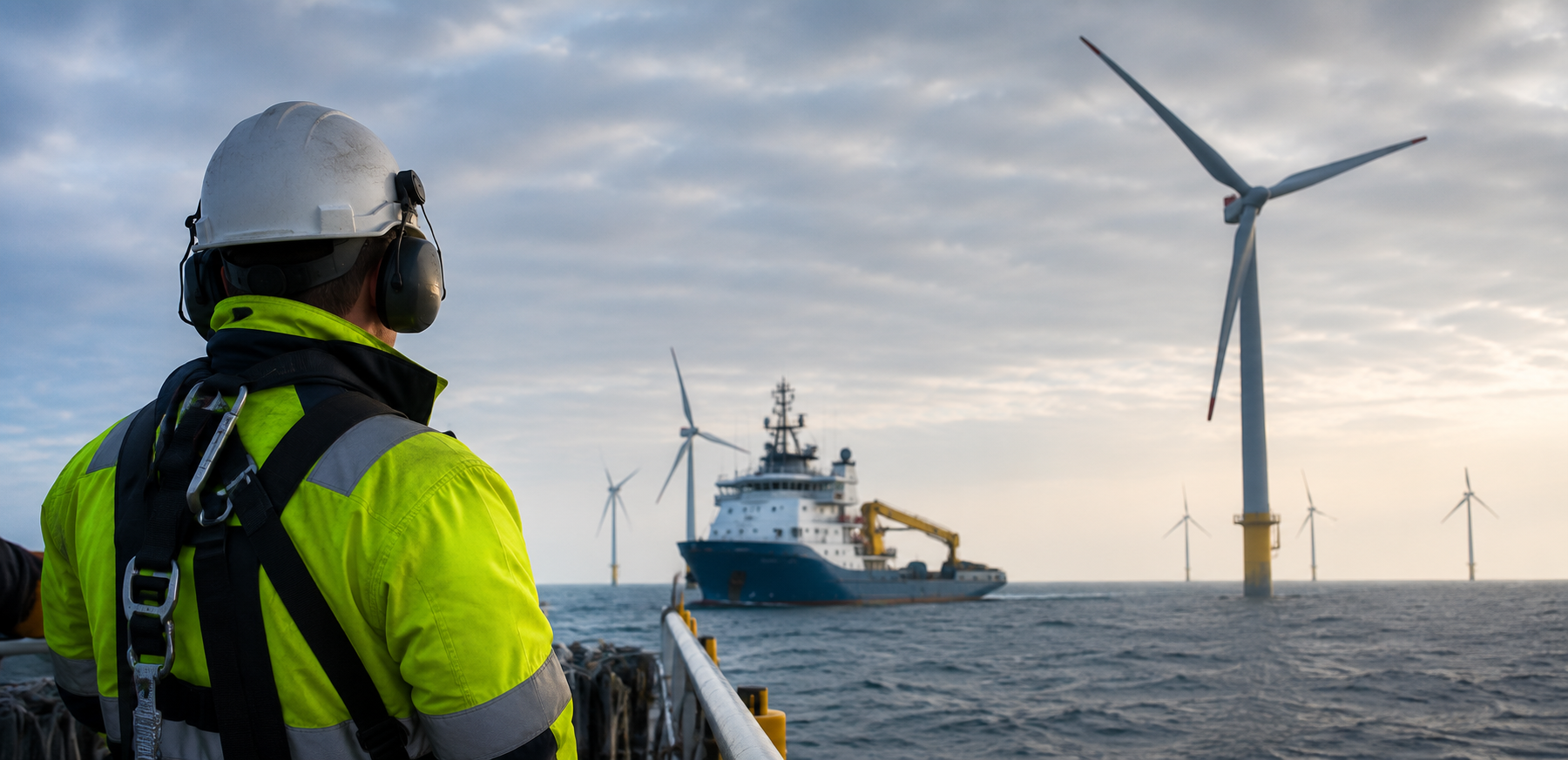
Offshore wind maintenance is shaped by vessel availability, crew hours, weather windows, harbor constraints, asset priority, task duration, and turbine accessibility. Manual planning can struggle to balance all of these variables fast enough when alarms, downtime events, and sea conditions change. The opportunity is to make routing decisions based on operational value — not just proximity — so teams can reduce fuel use, improve vessel productivity, and bring the right turbines back online sooner
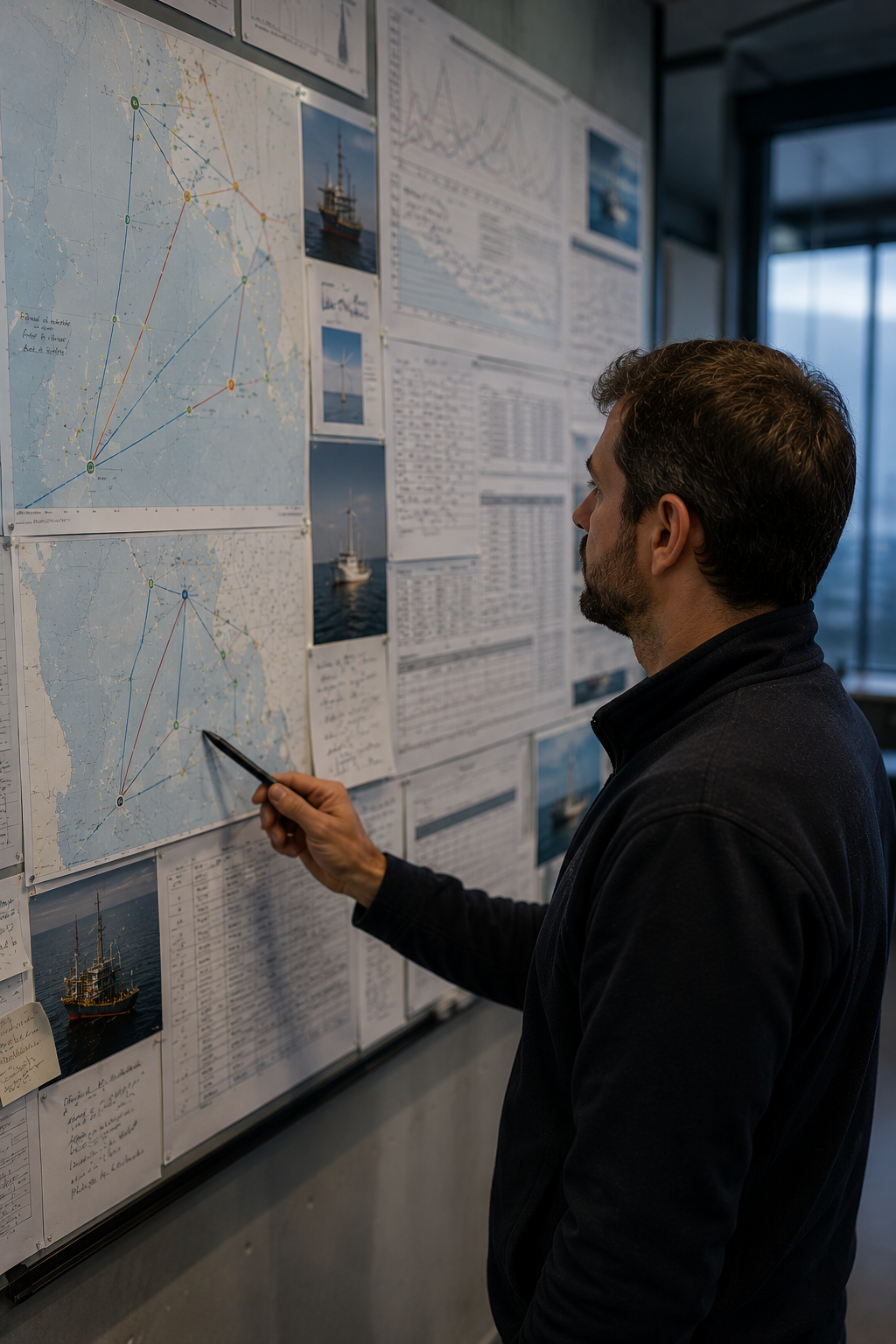
An intelligent routing engine turns daily maintenance demand into optimized vessel itineraries — aligning distance, cost, safety, and turbine reactivation value in one planning view

Consolidate turbine alarms, downtime events, criticality, task duration, skills, and accessibility into a structured daily backlog
Optimize vessel routes to reduce distance and fuel consumption while prioritizing interventions with the highest production impact
Factor in crew working hours, harbor return rules, vessel capacity, task dependencies, and weather or sea-state restrictions
Interactive scenarios let planners adjust priorities, resources, or conditions and re-run optimization when operations shift
How NTT DATA helps
NTT DATA helps structure daily intervention demand from turbine status, alarms, downtime, preventive work, corrective tasks, skills, and access constraints
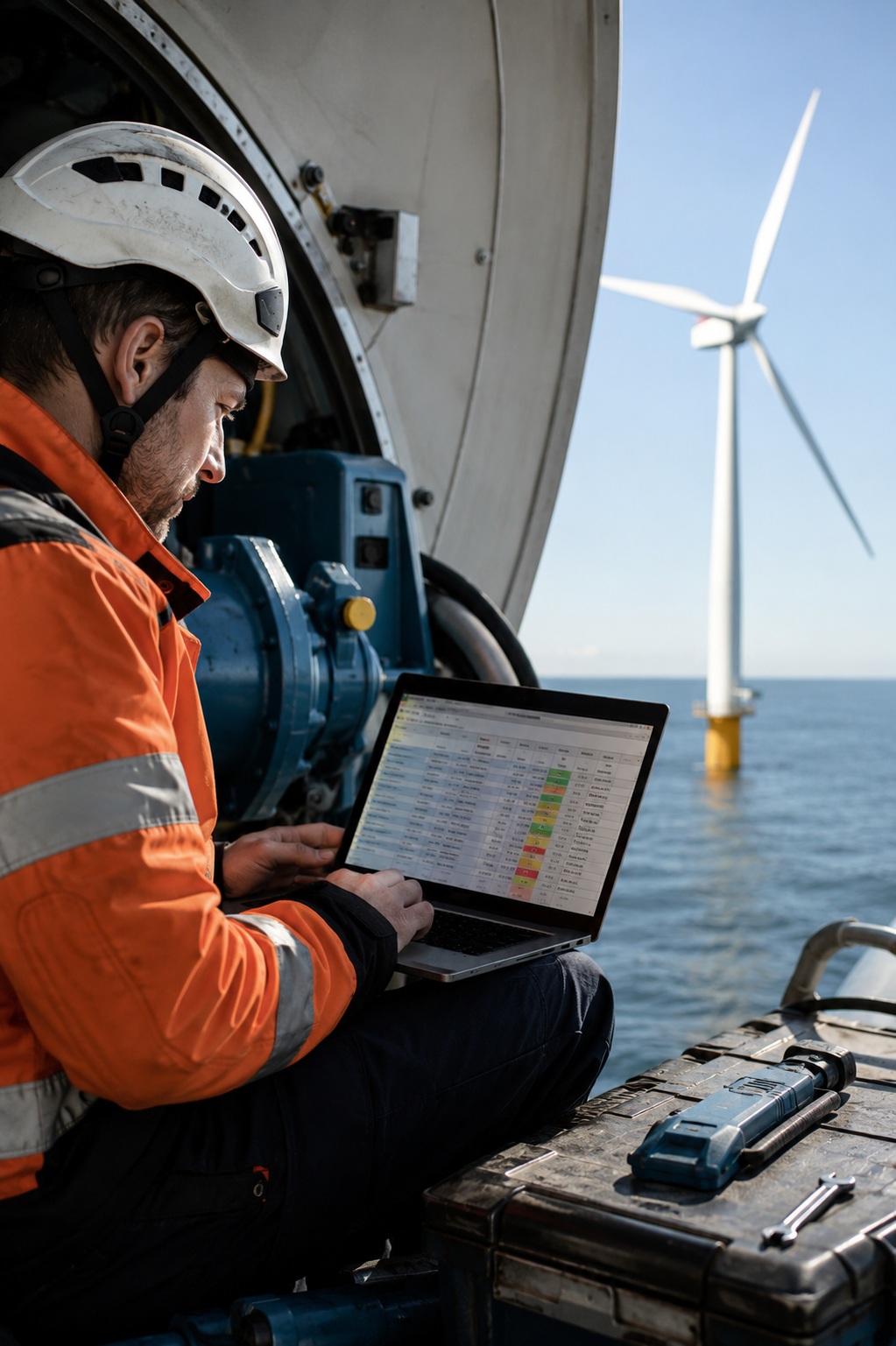
Optimization models determine the best sequence of turbine visits for each vessel, balancing distance, fuel, priority, and execution feasibility

Real-time asset status, maintenance history, vessel tracking, fuel data, forecasts, production metrics, and downtime costs feed better routing decisions
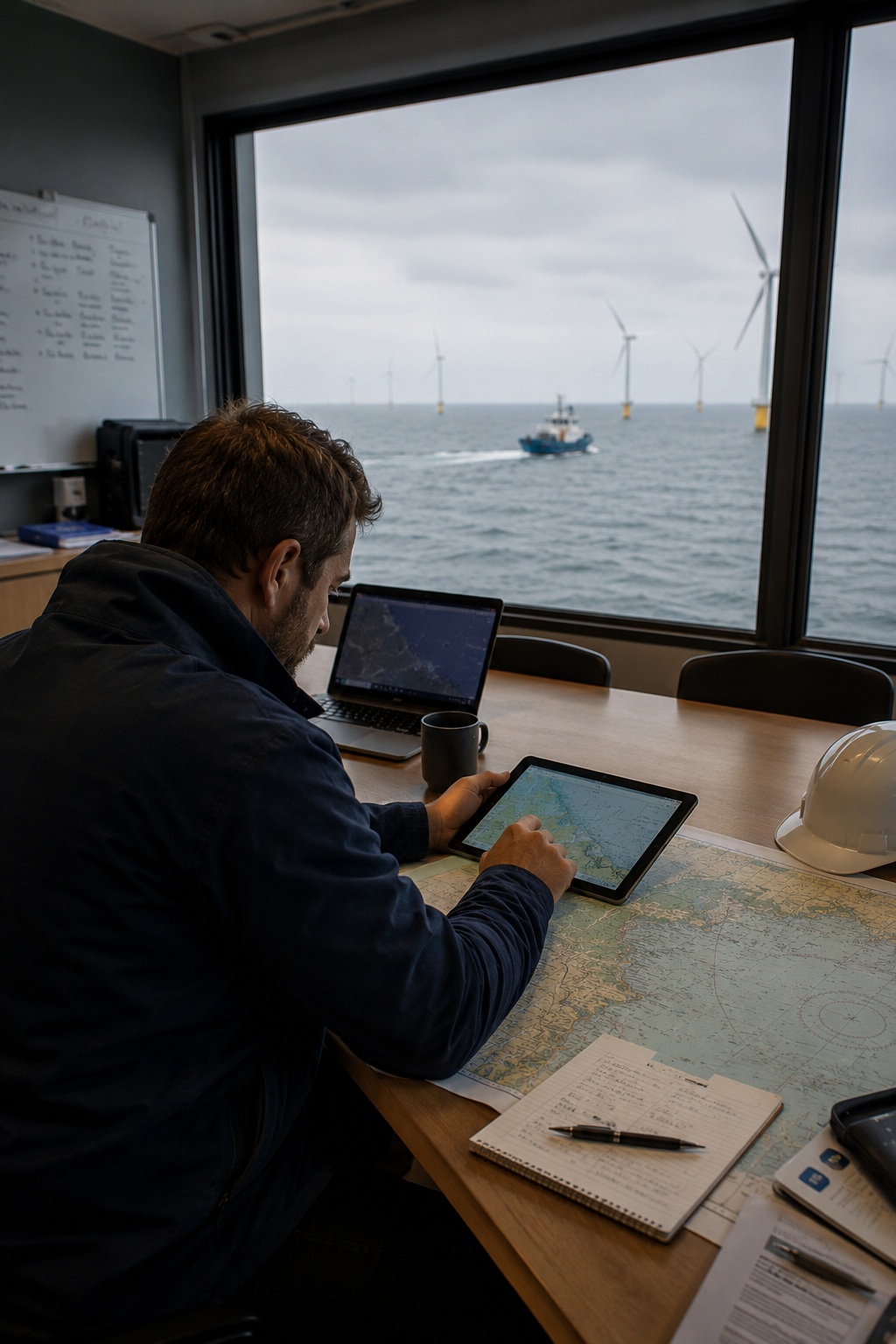
Interactive planning views help teams compare itineraries, simulate constraints, adjust availability, and respond faster to changing offshore conditions

Route decisions become traceable, repeatable, and value-led — giving maintenance teams a consistent method across sites, vessels, and crews
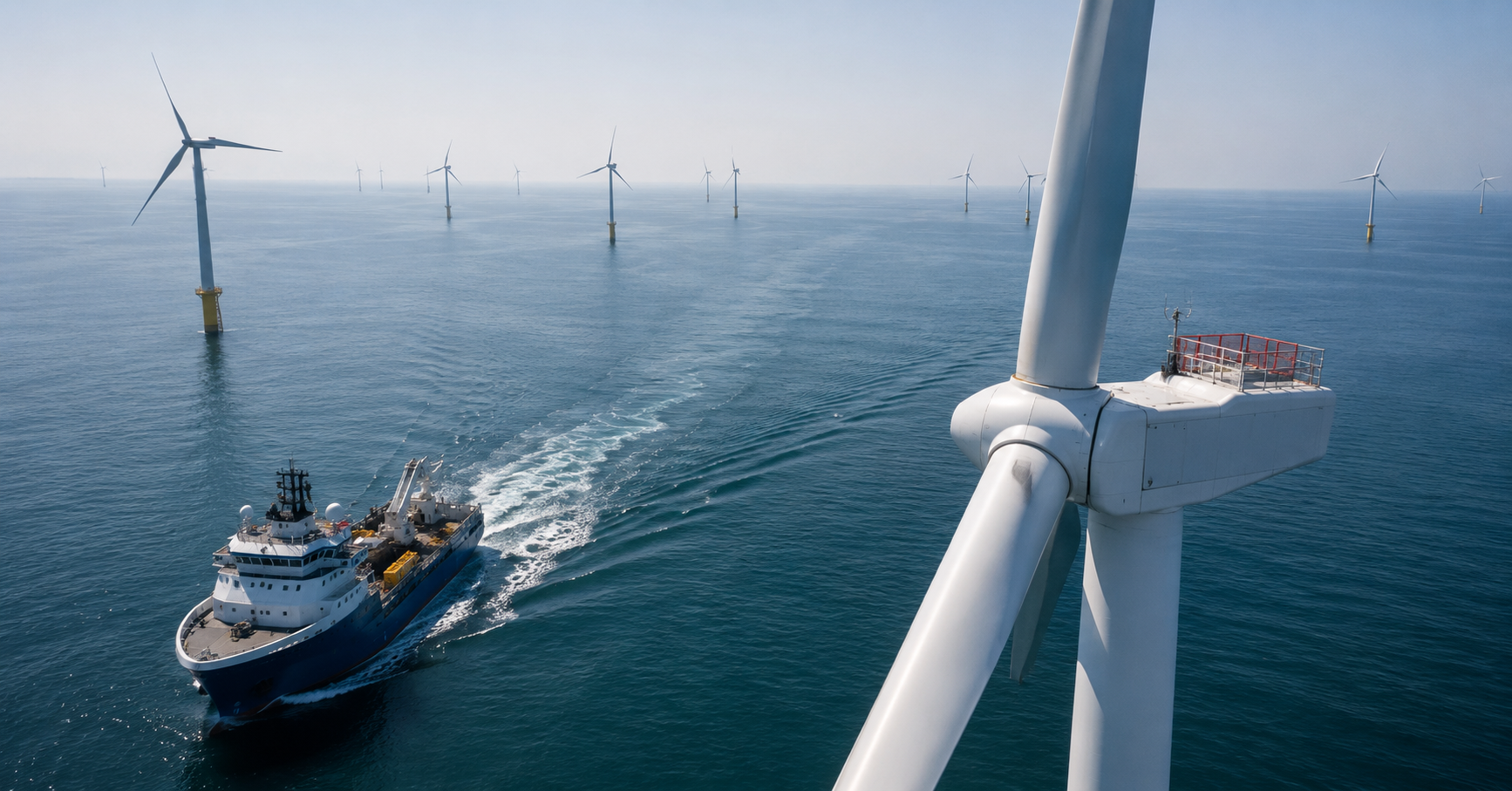
Shorter, more efficient vessel routes help lower fuel consumption and associated costs
High-impact maintenance tasks are prioritized to accelerate reactivation of stopped or degraded assets
Automated route generation replaces fragmented planning with data-driven recommendations
Route sequencing improves resource utilization while respecting operational, safety, and weather constraints
Optimize wind maintenance routes with intelligence →