- Commodity Management & Trading

- Customer & Marketing Strategy

- Digital Engineering

- Station Studio

- Supply Chain & Industry 5.0
- Sustainability









Scaling Predictive Maintenance for the Intelligent Utility
The issue is no longer proving predictive maintenance works
Utilities already monitor transformers, breakers, substations, turbines, and lines to reduce failures and extend asset life. Renewables, storage, and grid-edge devices are now creating a larger, more distributed asset landscape to manage

Detect degradation sooner across distributed assets before faults become failures
Expand monitoring coverage while reducing reactive interventions and costly field disruption
Use edge AI, computer vision, thermal imaging and acoustic monitoring to accelerate operational response
Improve asset utilization, workforce productivity and lifecycle decisions with continuous operational visibility
How NTT DATA helps
Moving from isolated monitoring initiatives to scalable digital asset management models that match the future grid

Predictive analytics, digital twins, edge computing, and operational data connect so asset decisions happen closer to real conditions

Communications architectures handle massive sensor density, high-frequency data, video inspections, and mobile monitoring platforms

Drones, computer vision, thermal imaging, and acoustic monitoring integrate into practical workflows for field and asset teams

Beyond connecting more sensors, asset data turns into maintenance decisions, planning discipline, and measurable operational value

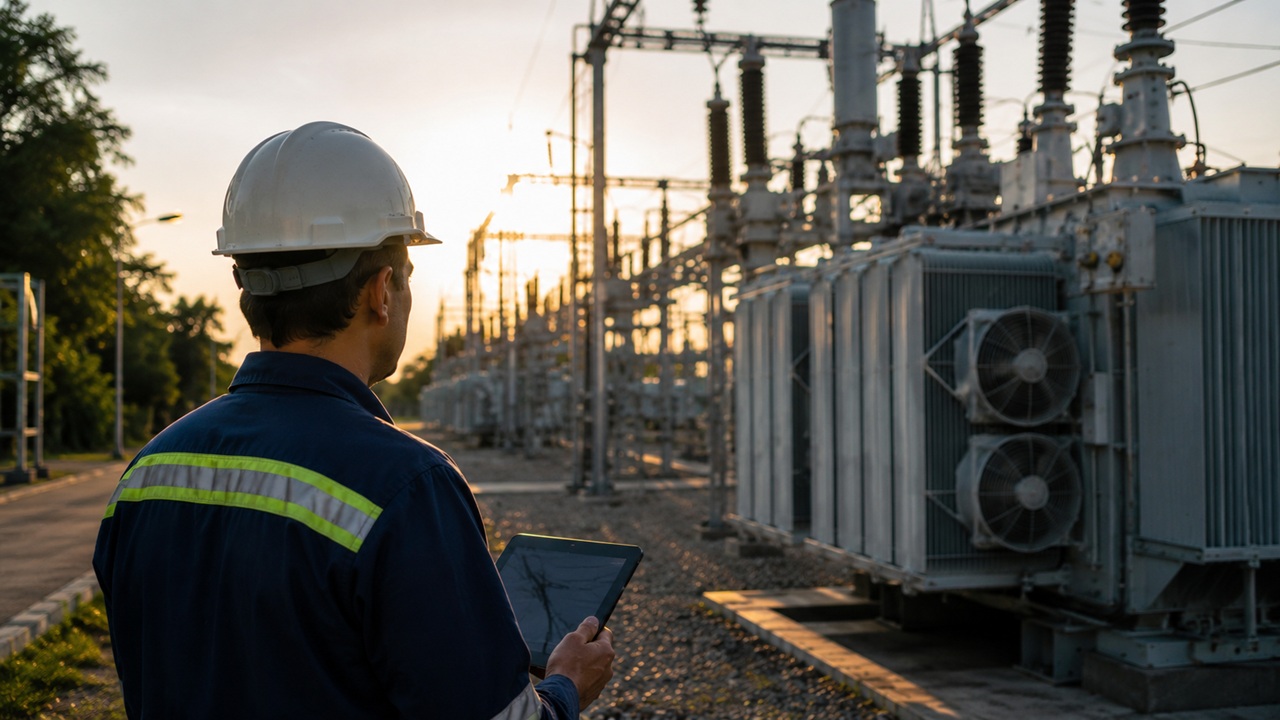
Longer asset life follows when predictive maintenance scales with the grid instead of trailing behind it
20–40% reduction
10–25% reduction in maintenance costs
10–20% extension in asset lifetime
15–35% reduction in inspection costs
Shape the conversation that scales asset intelligence across the future grid →