- All Foundries

- Commodity Management & Trading

- Customer & Marketing Strategy

- Digital Engineering

- Station Studio

- Supply Chain & Industry 5.0
- Sustainability

- Physical AI

- Next-Gen Infrastructure














Smart Operations, Decided by AI
Operational decisions are often slow, siloed, and reactive, limiting productivity and increasing variability. Smart operations bring intelligence closer to execution — connecting operational and enterprise data so AI can help dispatch, optimize, balance, and respond in real time.
AI-driven operations close the distance between what is happening and what happens next; stabilizing processes while allowing people to focus on the decisions that require judgment.

AI agents respond to operational conditions in real time, accelerating routine decisions and reducing decision latency.
Continuous optimization helps stabilize processes and reduce the operational losses created by inconsistent execution.
Integrating IT and OT data gives decision models the context they need to optimize across workflows rather than isolated systems.
Governance frameworks establish how AI-driven decisions are managed, helping organizations scale autonomy with greater oversight.
How NTT DATA helps
Embed intelligent agents into operational workflows to evaluate events, coordinate responses, and move routine decisions closer to autonomous execution.
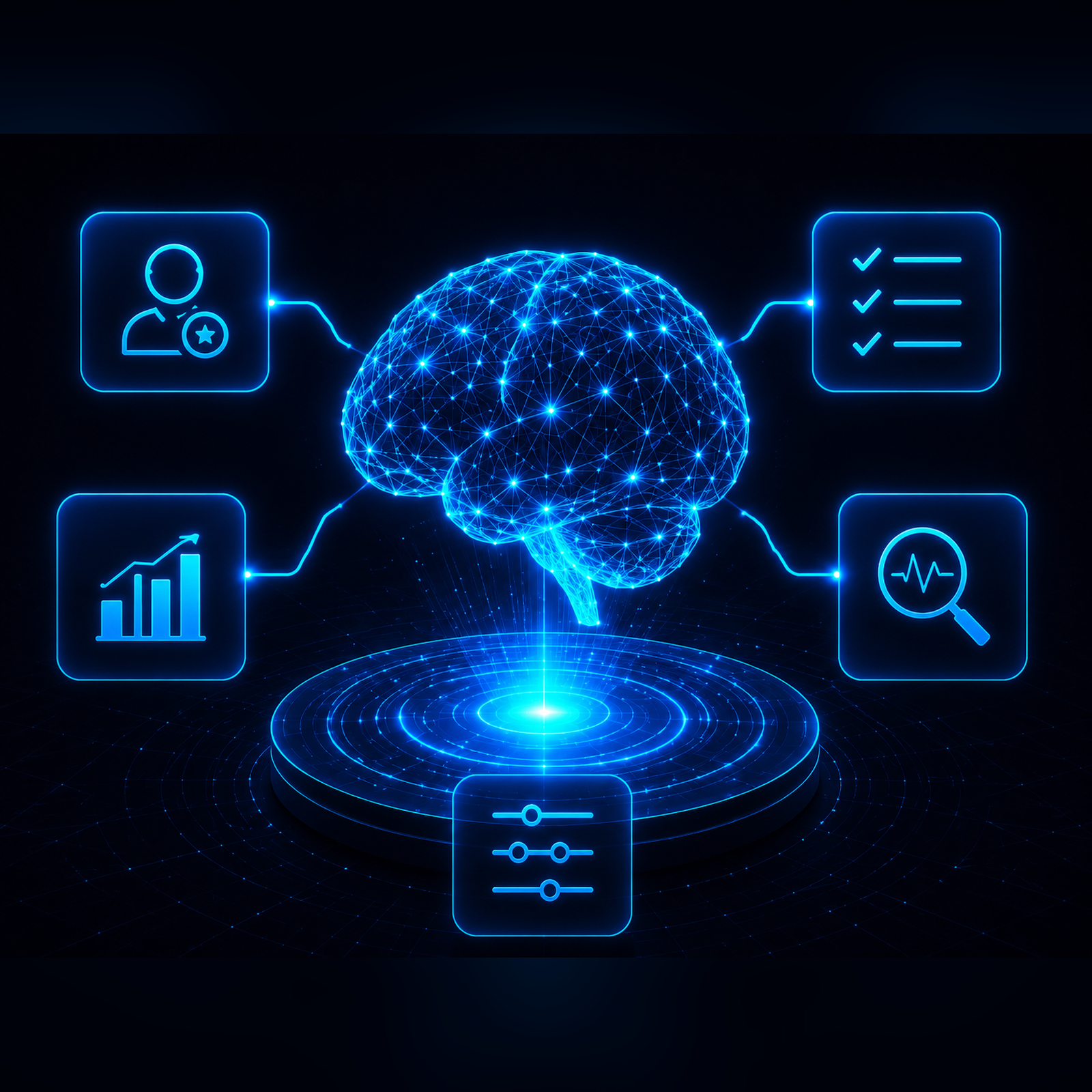
Model operational scenarios before acting in the physical environment — giving teams a safer, data-driven way to test changes and optimize performance.
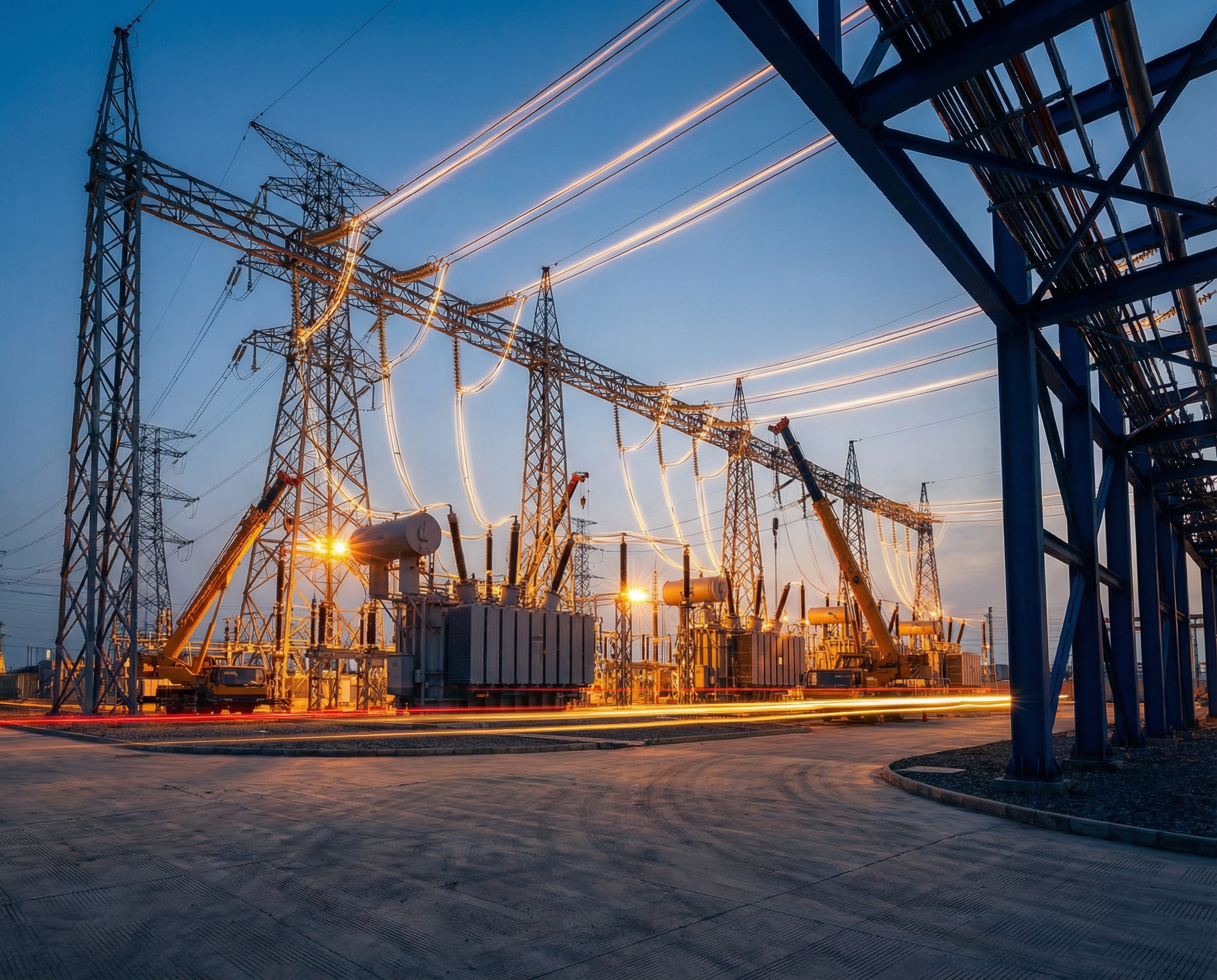
Turn operational data into forward-looking intelligence that helps teams anticipate conditions, identify patterns, and act before disruption becomes downtime.

Connect operational signals with enterprise context so decisions are informed by the wider business rather than made inside isolated systems.

We don’t treat autonomy as removing people from operations. We create governance around AI-driven decisions so organizations can define where machines act, where people intervene, and how decisions remain controlled.


AI-driven operations turn real-time data into coordinated action, helping teams anticipate disruption, optimize performance, and make every operational response more consistent.
When intelligence becomes part of day-to-day operations, the impact shows where it matters most: equipment performance, uptime, energy efficiency, and decision speed.
Improve OEE by using operational intelligence to support more consistent asset and process performance.
Use predictive insight and faster responses to identify and address operational issues earlier.
Continuously optimize operating conditions to reduce unnecessary consumption while maintaining performance.
Move routine decisions from manual escalation toward real-time, AI-assisted or autonomous response.
Let AI run the routine decisions