- All Foundries

- Commodity Management & Trading

- Customer & Marketing Strategy

- Digital Engineering

- Station Studio

- Supply Chain & Industry 5.0
- Sustainability

- Physical AI

- Next-Gen Infrastructure














Streamlined Entry-Exit Systems
Ports and terminals need secure flows that can handle identity capture, verification and reporting without adding friction at every checkpoint. Streamlined entry–exit systems digitize these steps, helping teams improve throughput, strengthen controls and create faster, more reliable border operations.
Digital entry–exit systems help maritime operators balance passenger flow, regulatory readiness and operational control — without making security feel slower.

Digital identity flows help reduce queues and improve terminal throughput.
Biometric and identity platforms support stronger checks at critical control points.
Integration with border authorities helps reporting, verification and compliance work as one process.
Governance and privacy-by-design keep sensitive identity data controlled, secure and auditable.
How NTT DATA helps
We support digital identity capture, verification and secure passenger registration.

Connect port workflows with national systems for smoother reporting and control.
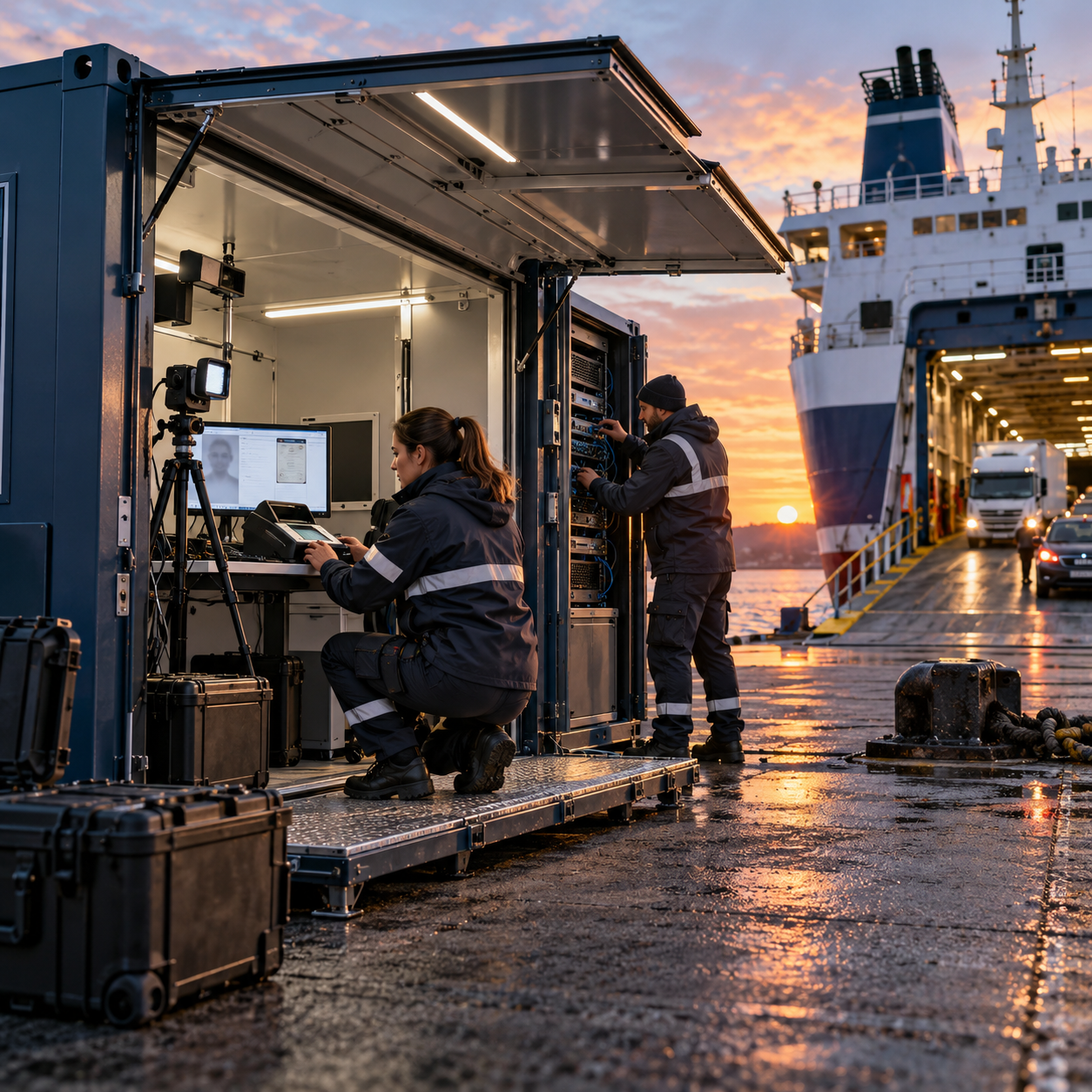
Replace manual steps with digital processes that improve speed and reliability.

We don’t treat privacy as an add-on. We build governance into the system from day one.

Help teams launch, operate and improve entry–exit processes across terminals.


A successful Entry-Exit implementation must perform under real terminal conditions, not only pass a technical demonstration. Establish an approved baseline for the selected location and measure data quality, processing flow, exceptions, availability and recovery throughout testing and live operation. Report regulatory and operational indicators separately so improvements in speed never conceal incomplete checks or lower-quality capture.
Streamlined entry–exit systems improve the moments where passenger movement, security and compliance meet.
fewer queues through digital identity and workflow automation.
stronger detection through connected verification and automated controls.
certified processes supported by secure reporting and governance.
more consistent port control across teams, systems and checkpoints.
Modernize entry–exit operations.