- All Foundries

- Commodity Management & Trading

- Customer & Marketing Strategy

- Digital Engineering

- Station Studio

- Supply Chain & Industry 5.0
- Sustainability

- Physical AI

- Next-Gen Infrastructure














The Telco AI Grid: Turning Distributed Infrastructure into Sovereign AI Services
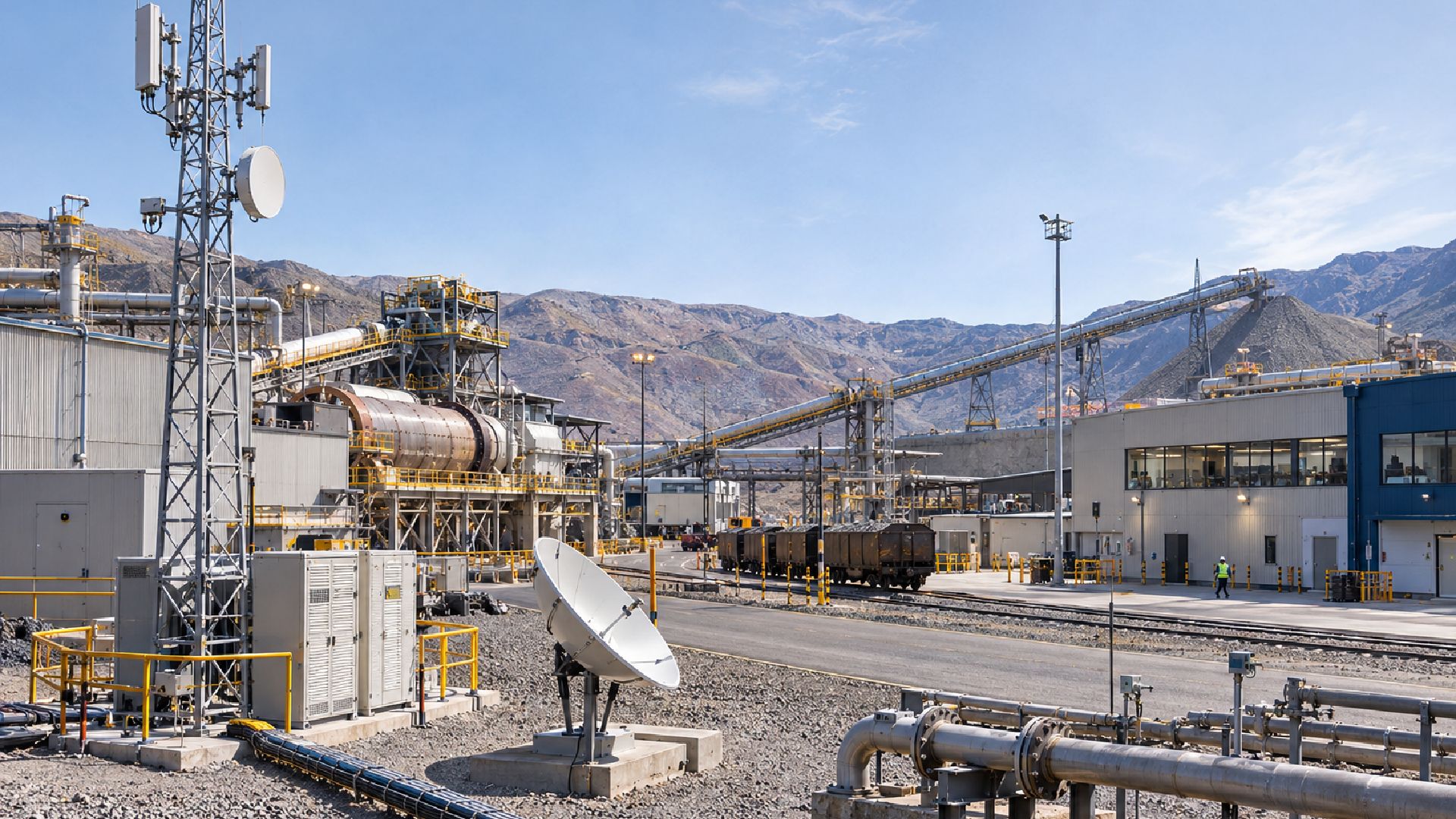
AI inference, agentic services and industrial workloads increasingly need local execution, predictable latency and control over where data and models run. Telcos can combine distributed infrastructure, network intelligence and sovereignty capabilities to host, route and govern AI workloads closer to demand.
A distributed AI model connects edge, metro, core, connectivity and governance as one fabric, supporting internal autonomy and new AI services for enterprises, public-sector organizations and ecosystem partners.

Offer sovereign inference, reserved capacity, managed AI endpoints and usage-based services for regulated and latency-sensitive workloads.
Control data residency, model execution and response time across country, metro and customer locations.
Use AIOps, closed-loop assurance, energy optimization and OSS simplification to create an internal-first business case.
Host partner models, provide overflow capacity and connect hyperscalers, model providers and enterprises through distributed infrastructure.
How NTT DATA helps
Prioritize demand segments, workloads, locations and economics across internal automation, sovereign AI, enterprise AI and wholesale capacity.

Use AIOps, assurance, energy optimization, field and care copilots and OSS simplification to validate value and fund the platform.

Connect edge inference nodes, private AI environments, metro AI factories, model routing and cognitive observability.

Govern data residency, model execution, security, identity, auditability and workload placement across the distributed environment.

Define service tiers, capacity and pricing, expose network APIs and scale through model providers, hyperscalers and cross-operator federation.
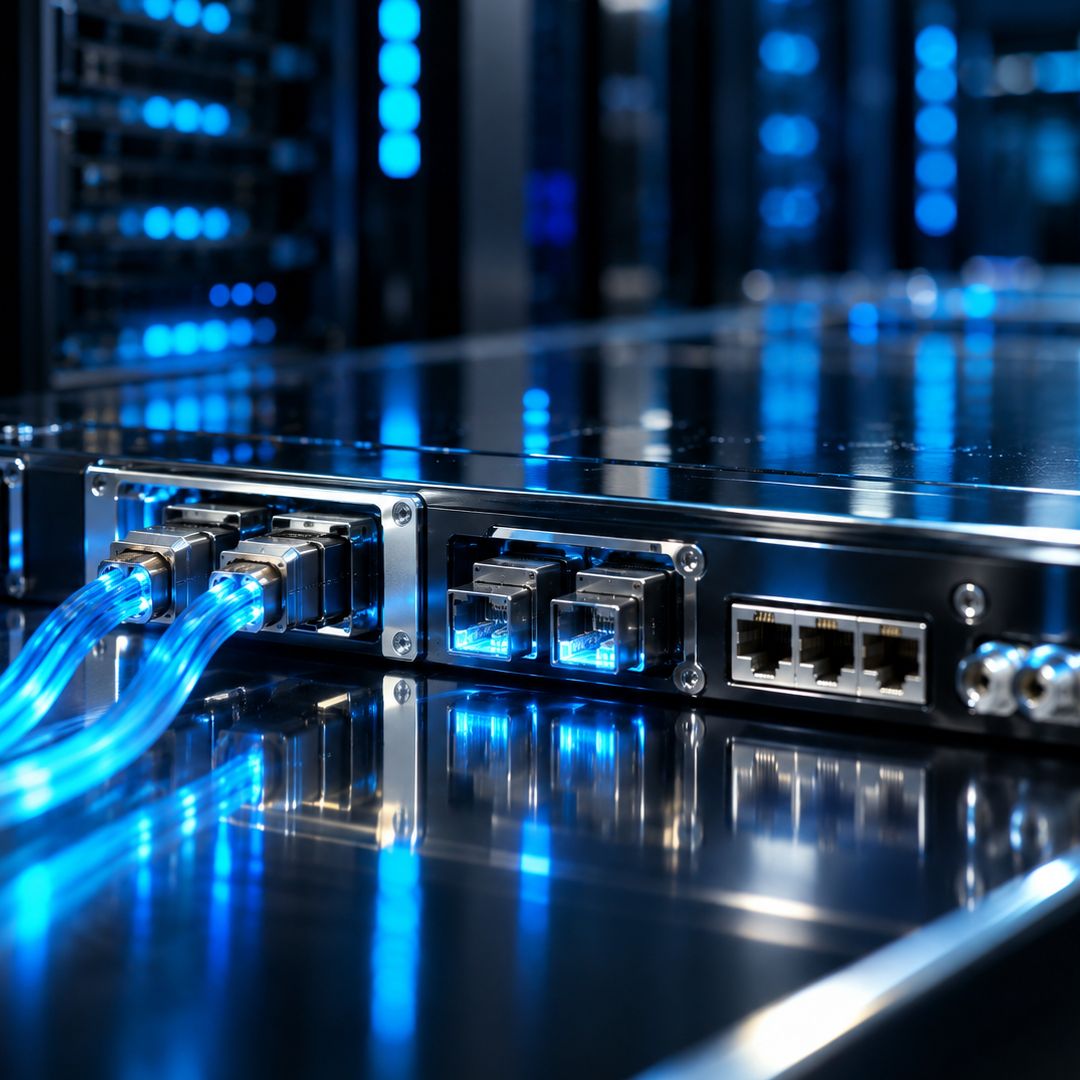
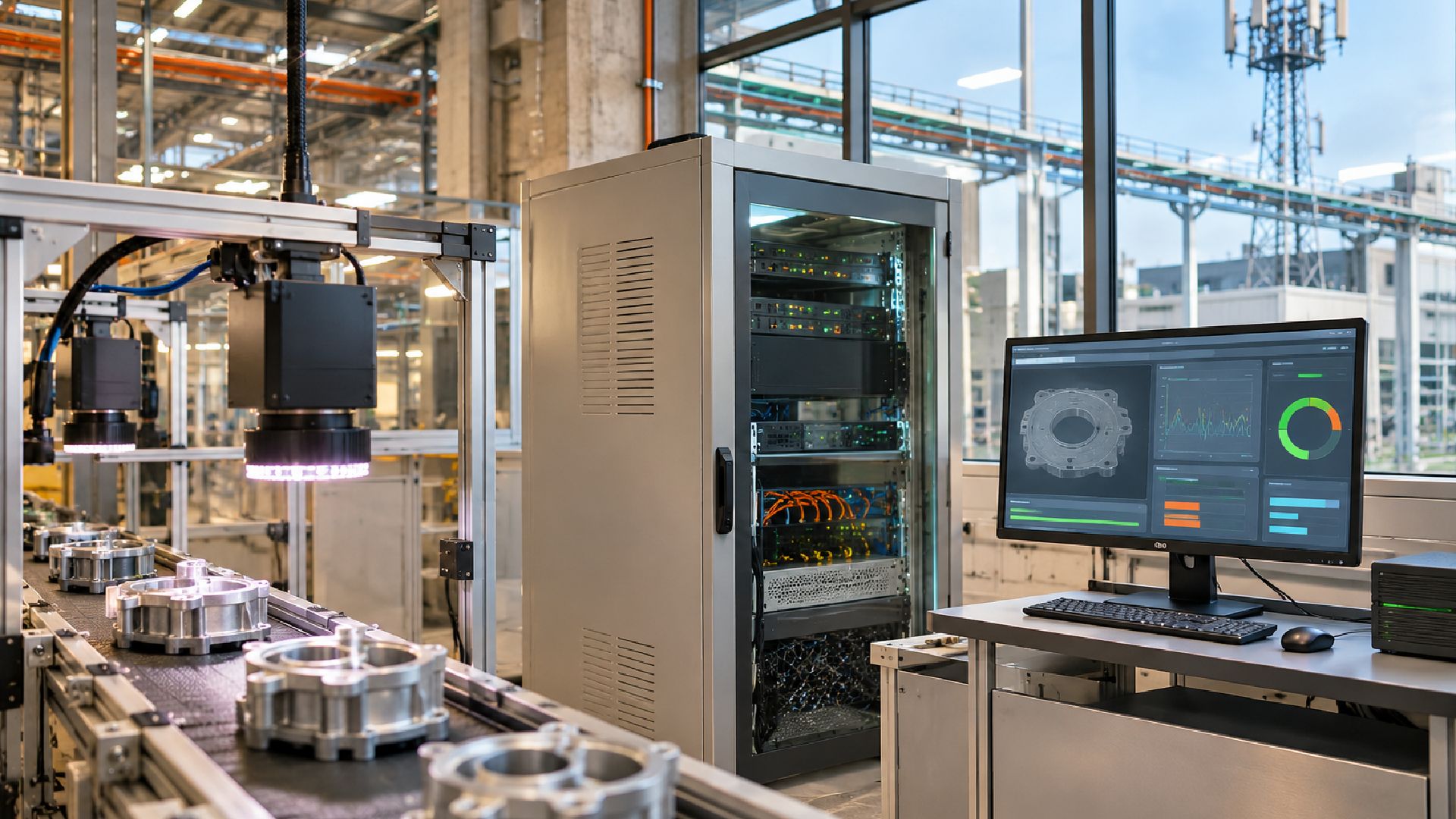
Network value expands when connectivity, compute, governance and workload orchestration are packaged as one service fabric.
New B2B revenue, stronger sovereign differentiation, internal automation and a credible role in the AI infrastructure ecosystem.
Monetize inference, reserved capacity, managed endpoints and premium sovereignty through flexible service models.
Serve regulated and latency-sensitive workloads with clear data residency, control and performance.
Reuse the same data, compute and orchestration foundations for assurance, planning, energy and field operations.
Connect enterprises, public-sector demand, model providers and hyperscalers through distributed infrastructure.
The opportunity is to connect network reach, local compute and governed AI into a service platform that supports internal autonomy and new enterprise demand.