


- All Foundries

- Commodity Management & Trading

- Customer & Marketing Strategy

- Digital Engineering

- Station Studio

- Supply Chain & Industry 5.0
- Sustainability

- Physical AI

- Next-Gen Infrastructure










Fraport Case Study NTT
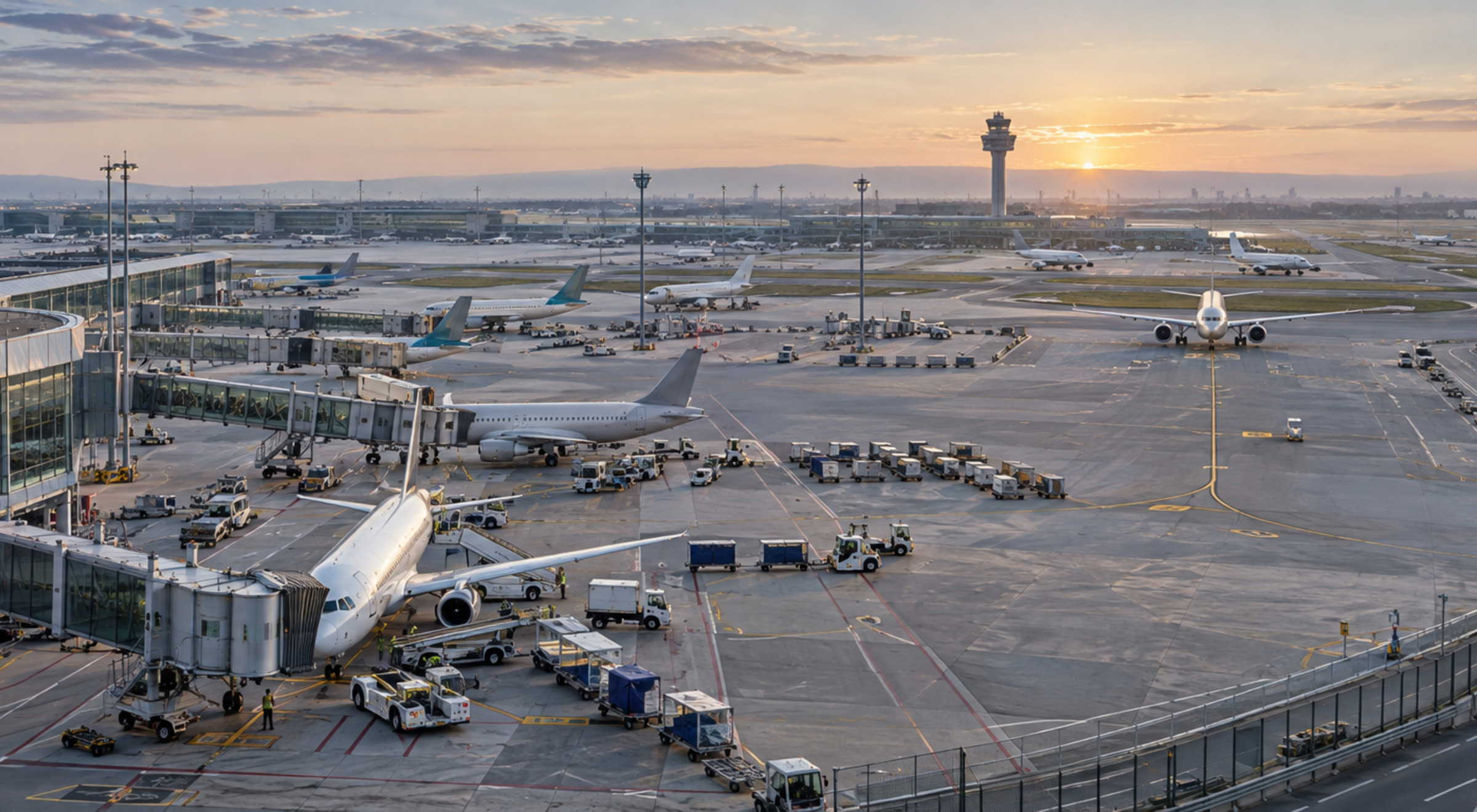
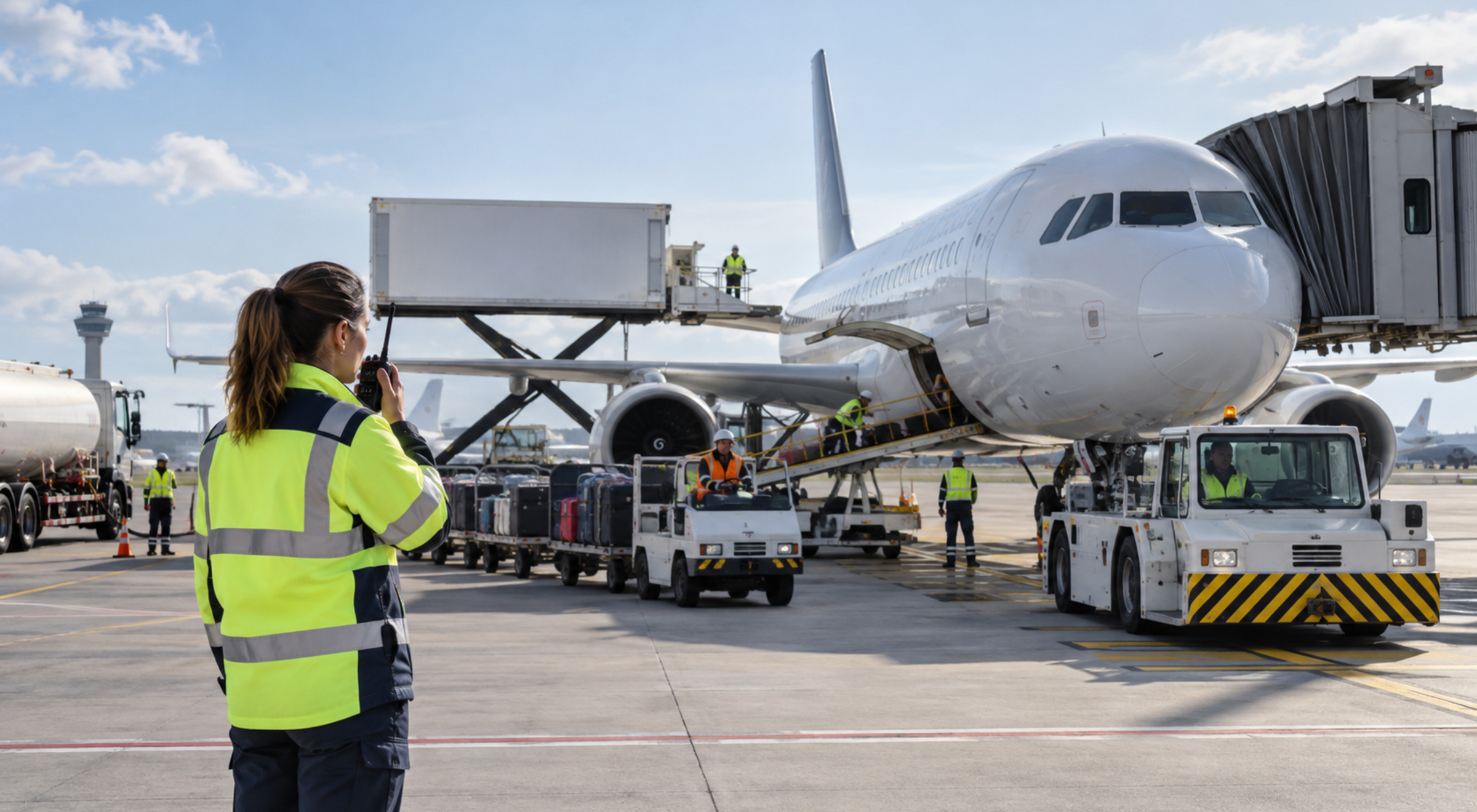
A secure, high-bandwidth private 5G network connects the airport’s airside environment and creates a controlled foundation for AI, IoT and automation.
Frankfurt Airport brings together airlines, air traffic control, police authorities, the airport fire department, ground handlers and many other operators across a large, safety-critical site. The initiative had to extend secure connectivity beyond buildings, carry growing volumes of operational data and remain reliable around aircraft, vehicles and equipment.
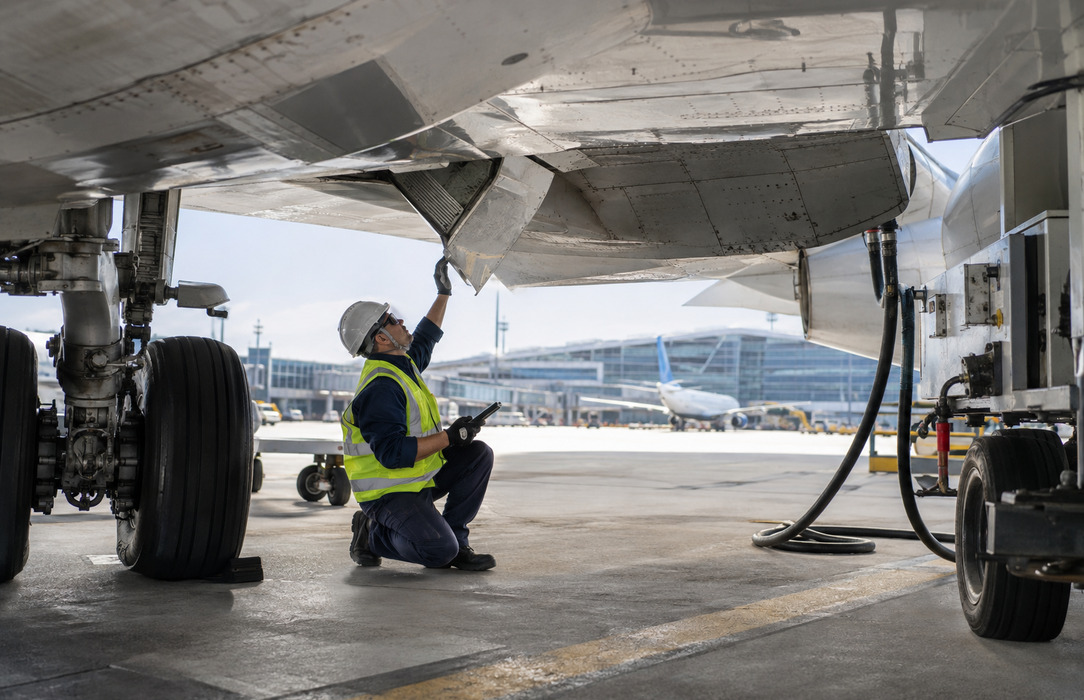
The network needed to cover 2,500 hectares, including apron, runway and perimeter areas. Aircraft structures can block Wi-Fi, leaving technicians beneath the wings with unreliable connectivity.

Fraport needed to keep the complete data flow within a secure environment and meet the European data safety requirements referenced in the source.
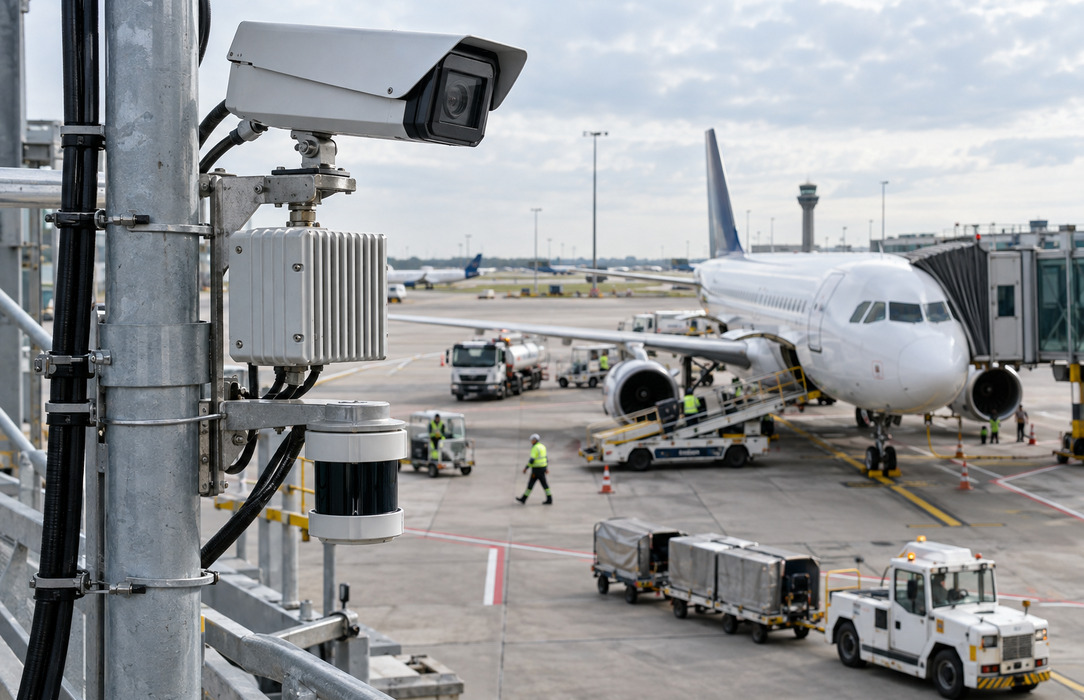
IoT devices and operational use cases can generate large data volumes that must move in real time. Extending wired connectivity across the airfield would have been expensive and impractical.

Multiple organizations must exchange accurate, current information to keep airport activity safe and smooth, while vehicles and other equipment continue to move across the site.
NTT DATA supported Fraport from site and building surveys through architecture design and the implementation of the required software and hardware infrastructure. The resulting private 5G environment combines broad coverage, controlled data flows, low latency, high bandwidth and mobility for operational assets.

Surveyed airport buildings and outdoor operational areas, then designed and implemented a private 5G architecture that covers the full airport, including zones beneath aircraft wings.
Established a secure network that keeps Fraport in control of its data flow. The source states that the implemented network meets European data safety requirements.
Implemented the software and hardware foundation required to transmit large volumes of data in real time, with the reliability associated with a cabled network and without extensive airfield cabling.
Enabled connectivity for people, vehicles and airport equipment in motion, creating a network base for current operational communication and future AI and IoT use cases.
Private 5G now provides coverage across the airport, including beneath aircraft wings where Wi-Fi could not reliably reach. The network can transmit large data volumes in real time and connect moving vehicles and equipment, giving Fraport and its airport partners a stronger communications base for reacting to operational situations. It also provides the secure, low-latency and high-bandwidth foundation needed to explore further optimization and automation. The source does not quantify improvements in processing time, cost, safety performance or operational throughput.
success stories
