- All Foundries

- Commodity Management & Trading

- Customer & Marketing Strategy

- Digital Engineering

- Station Studio

- Supply Chain & Industry 5.0
- Sustainability

- Physical AI

- Next-Gen Infrastructure











Integrated mining foresight: turn the next 33 hours into action
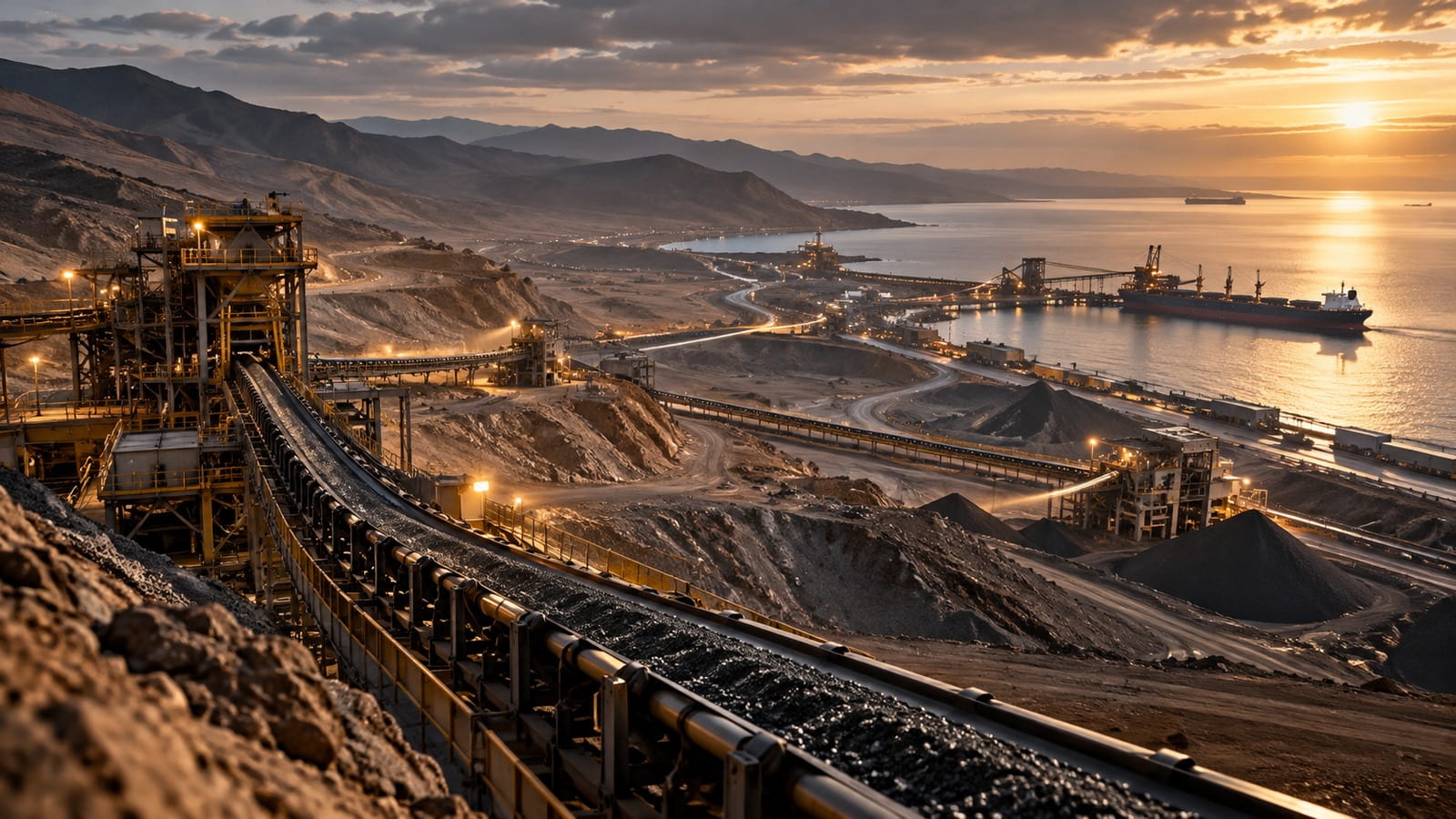
Those who see the consequence may not control its cause. By the time material reaches the port, much of its operational history is already written upstream.
A downstream signal can trigger upstream intervention while alternatives are still physically available.

A downstream signal can trigger upstream intervention, protecting chain value rather than optimizing one process in isolation.
Operators can spend less effort reconstructing the situation and more deciding what can change before material reaches the port.
Repeatable, verifiable decisions also become candidates for higher levels of automation as the operation learns its recurring patterns.
The business case can quantify recurring situations, their frequency, value exposed and benefit from acting earlier in the chain.
How NTT DATA helps
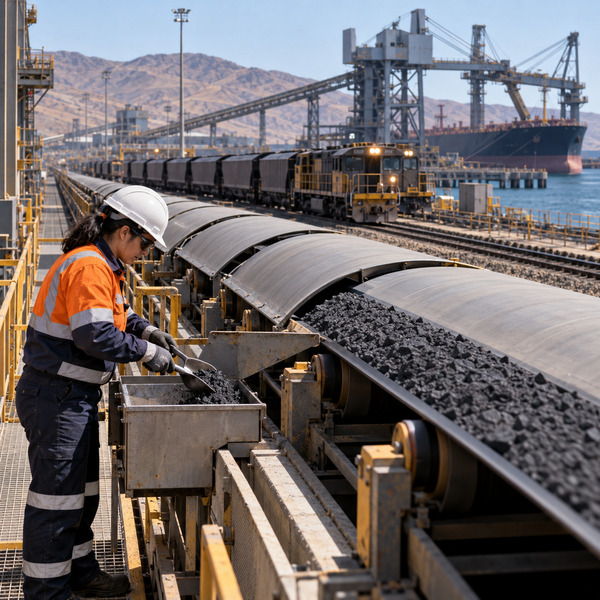
Find situations where an emerging condition can affect another part of the mining chain, and determine when intervention remains possible.
Make explicit the signal, consequence, remaining alternatives, competing objectives, authority and operational levers.

Streaming integration and contextual material models can connect concentrate quality, plant conditions, inventory, shipment commitments and upstream process state.
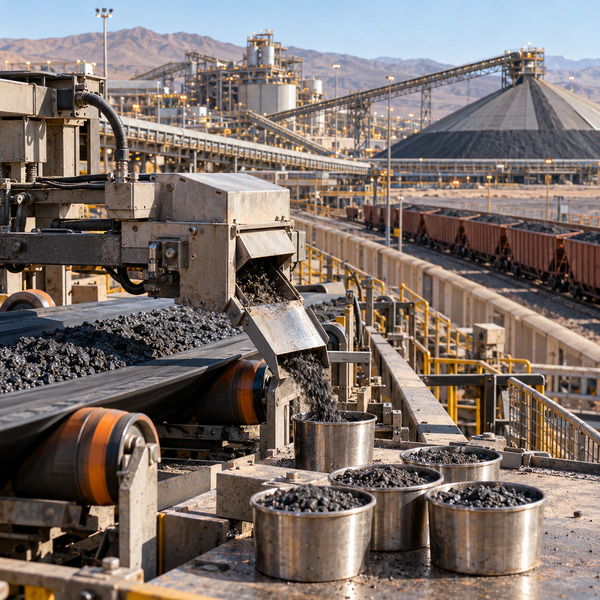
Event-driven decision orchestration can carry a downstream signal and its remaining alternatives to the upstream roles and systems that still hold a useful lever.
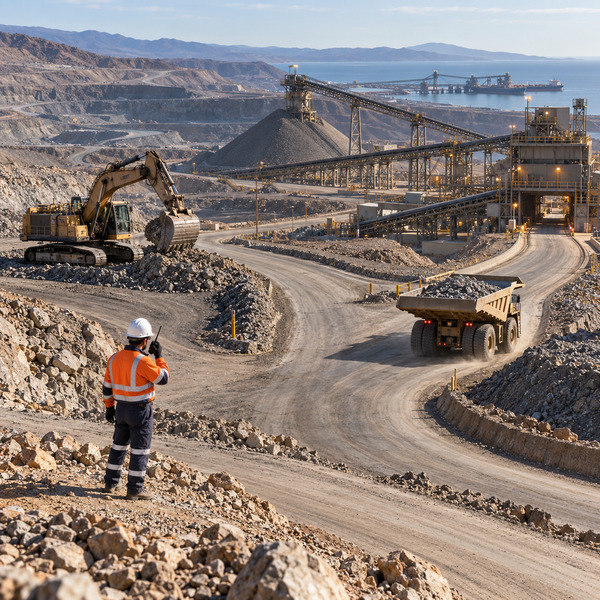
Integration with planning, process control and OT can translate the committed response into blend, operating, inventory or logistics action.
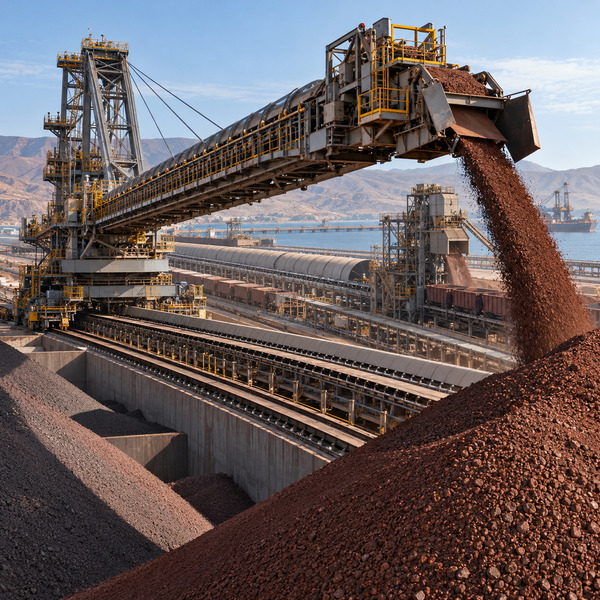
Analytics and AI can move selected responses from human analysis to recommendation and supervised execution while exceptions remain visible to people.
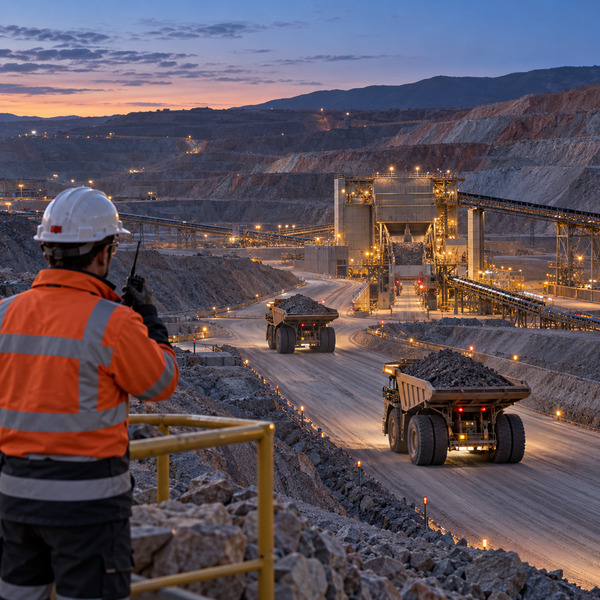
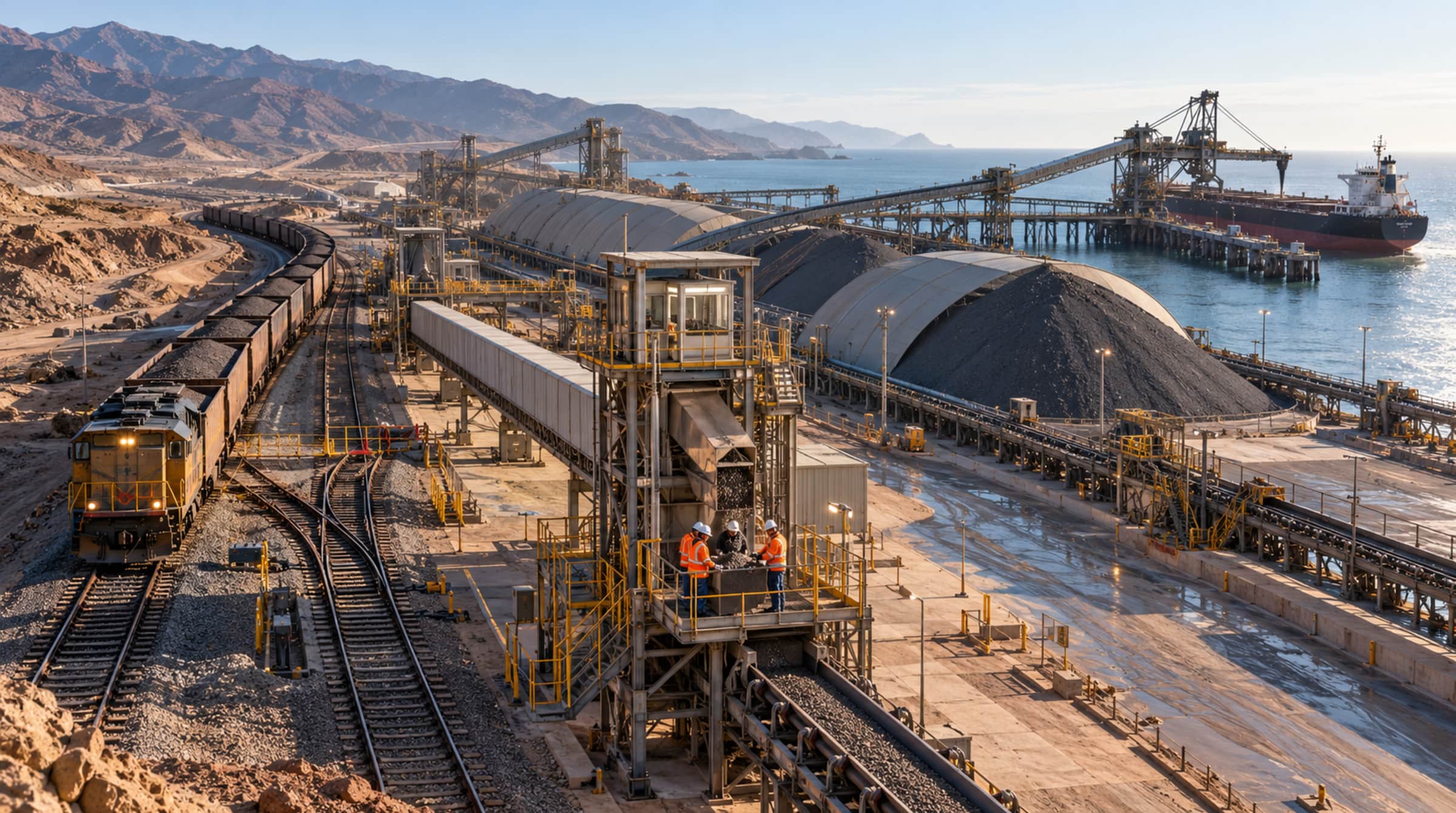
The value of anticipation depends on whether the signal can reach the right decision, authority and operational lever while meaningful alternatives are still available.
See earlier. Understand together. Decide while options remain. Act across interfaces. Verify the outcome. Learn the exception.
An integrated operation turns foresight into intervention. An autonomous one learns which interventions it can eventually execute by itself.
It expands decision by decision as the operation learns which situations it can resolve reliably within known boundaries.
Information, decisions and physical action stay connected across the value chain as the system expands the situations it can resolve.
That is what the next 33 hours can become: not more time to watch the future arrive, but more time to change it upstream.
Explore how a connected decision can turn downstream foresight into upstream intervention across integrated mining operations