- All Foundries

- Commodity Management & Trading

- Customer & Marketing Strategy

- Digital Engineering

- Station Studio

- Supply Chain & Industry 5.0
- Sustainability

- Physical AI

- Next-Gen Infrastructure












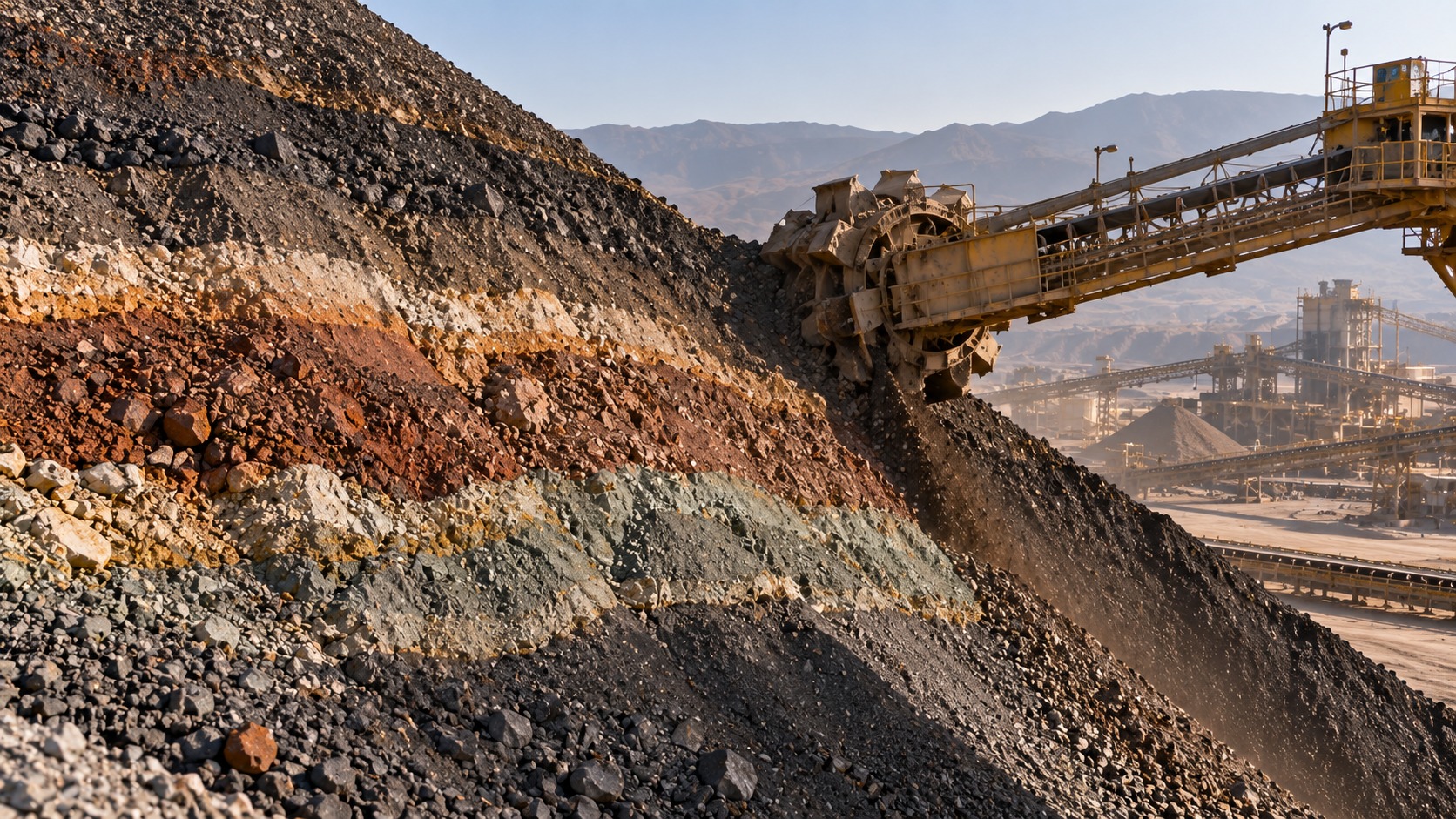
Material provenance for decision-ready mining operations
If the operation can reconstruct where the material came from, the same event gains context. The question becomes: what material is the plant doing it to?
Provenance is the connection between a downstream observation and the upstream history that may explain it.

If the likely source mix of the next feed is known, ore characteristics can travel into blending, routing and plant preparation.
After processing, observed grinding or metallurgical response can travel back to the source and improve the next prediction.
Provenance may be parcel-based, time-windowed or probabilistic. What matters is enough lineage for the decision the operation must make.
Connecting material history to plant behavior does not eliminate uncertainty in a mixing system. It makes that uncertainty learnable.
How NTT DATA helps
Identify where knowing source can change an action: blend selection, routing, plant preparation, reconciliation, root-cause analysis or model updating.
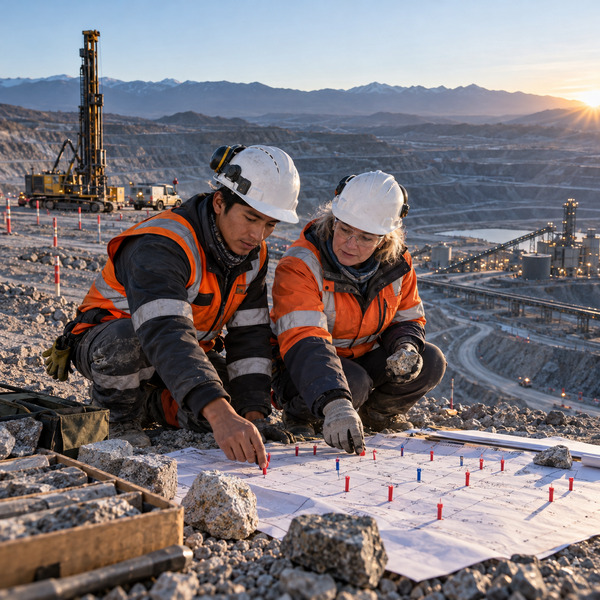
Connect blocks, blasts, truck movements, stockpile zones, conveyor flows or parcels at the level of lineage each decision actually requires.
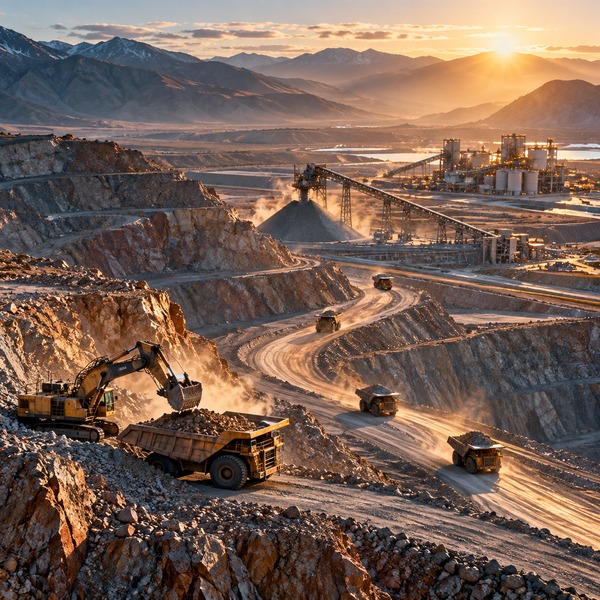
Combine dispatch events, location data, inventory models, mass balance and material-flow logic so source context survives custody changes.
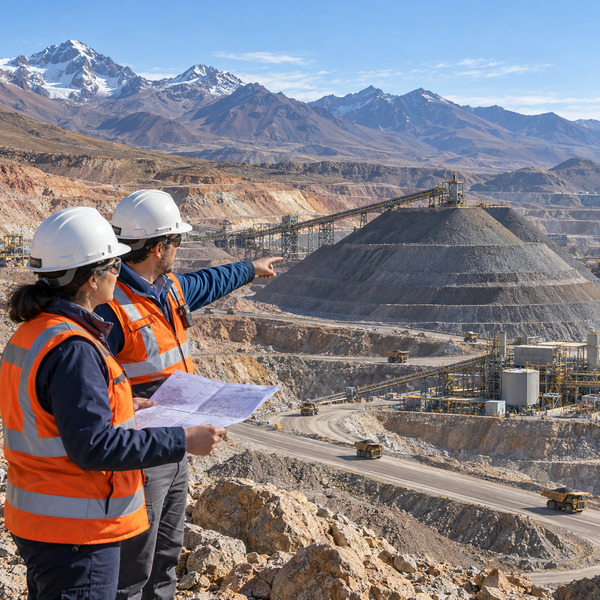
Carry relevant geological and geometallurgical attributes with the lineage so downstream teams receive an expected processing context.

Connect the expected material mix with process conditions so operators can tell a changing ore condition from an equipment or control problem.
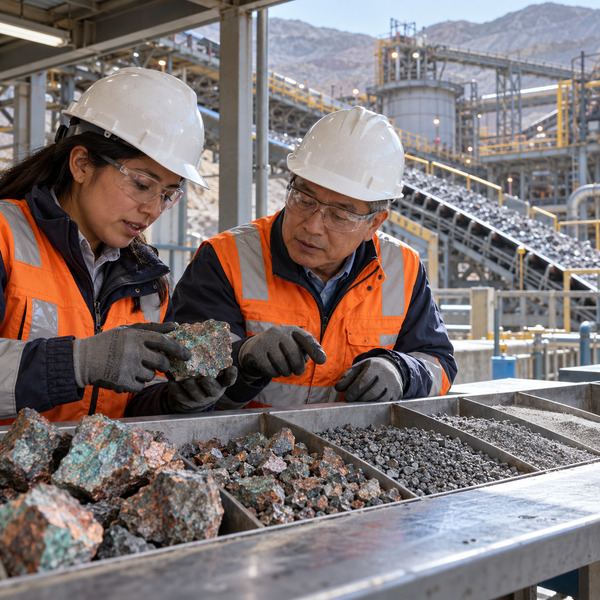
Reconcile plant performance with the material that produced it, then feed the learning back into models, planning assumptions and decisions.

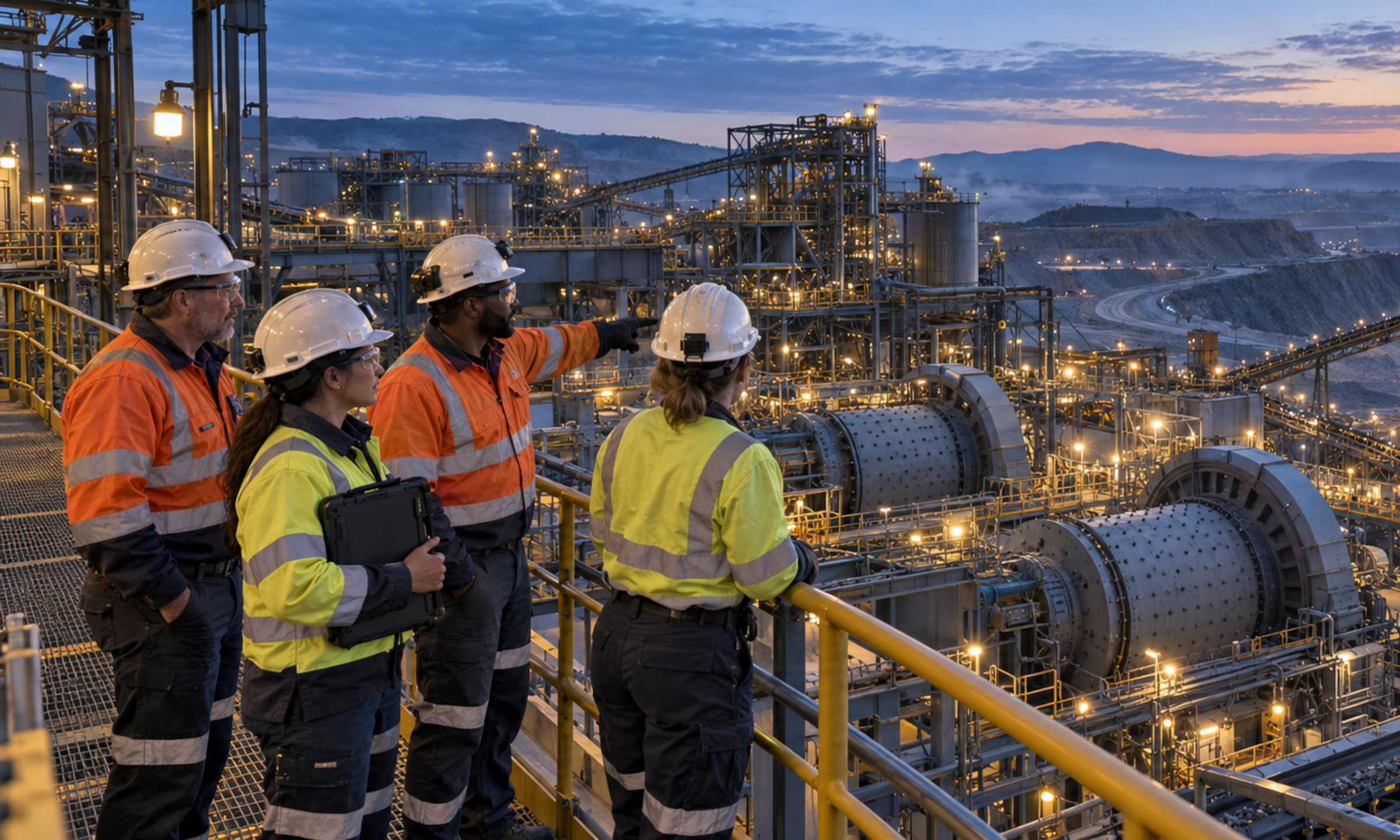
Actual mill performance updated spatial Work Index estimates for future material. Bergquist notes traceability supports quality and process improvement, while intermixed batches make it harder to preserve.
Material provenance is not a record of where the rock has been. It is context for deciding what it will do next.
Geology, ore type, blast, route, stockpile residence and prior expectations can become part of the explanation of a feed change.
A mill deviation can be connected back to the ore that created it, distinguishing ore behavior from equipment or control issues.
A geometallurgical expectation can be tested against reality rather than disappearing once the block leaves the pit and is mixed.
Plant performance reconciled with its source material feeds back into geometallurgical models, planning assumptions and decisions.
Explore how material provenance can connect plant behavior to its source and improve decisions across the mine-to-plant chain.