- All Foundries

- Commodity Management & Trading

- Customer & Marketing Strategy

- Digital Engineering

- Station Studio

- Supply Chain & Industry 5.0
- Sustainability

- Physical AI

- Next-Gen Infrastructure











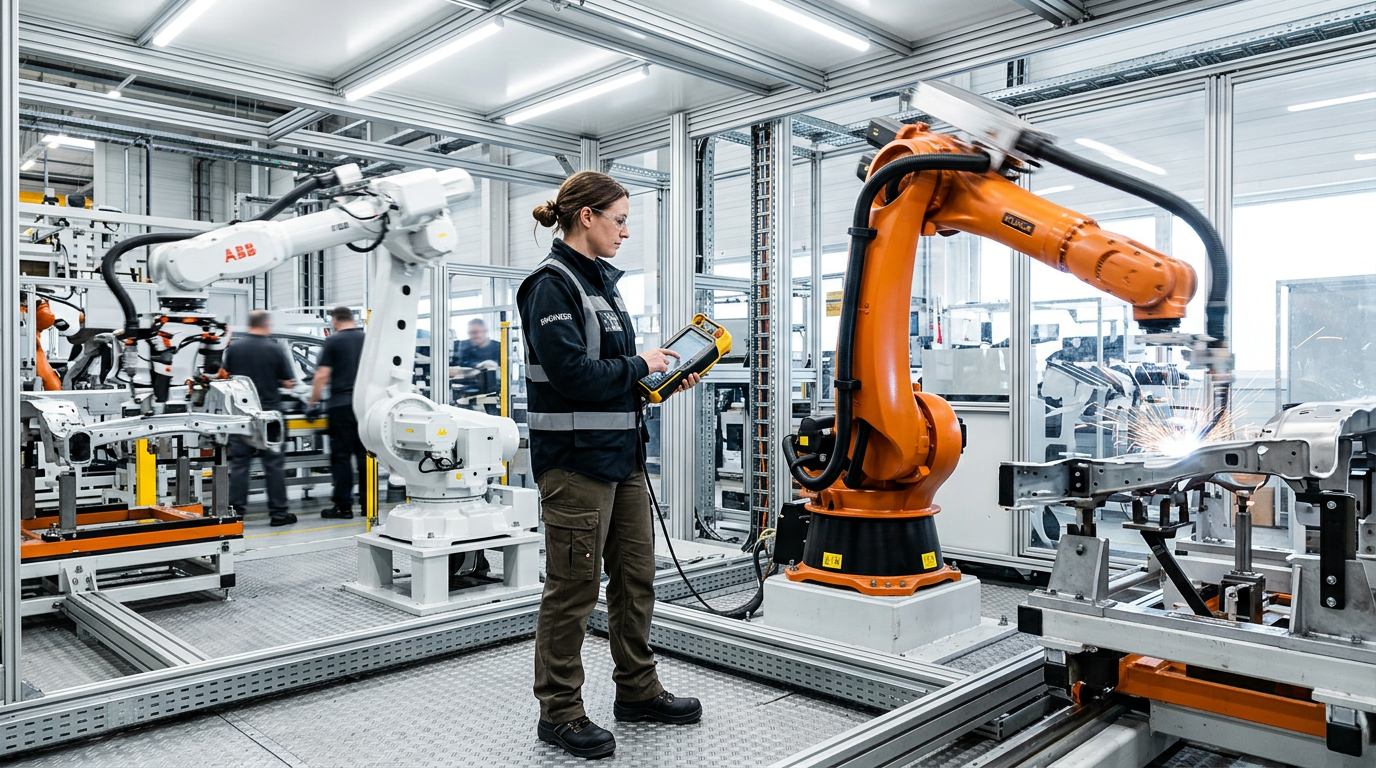

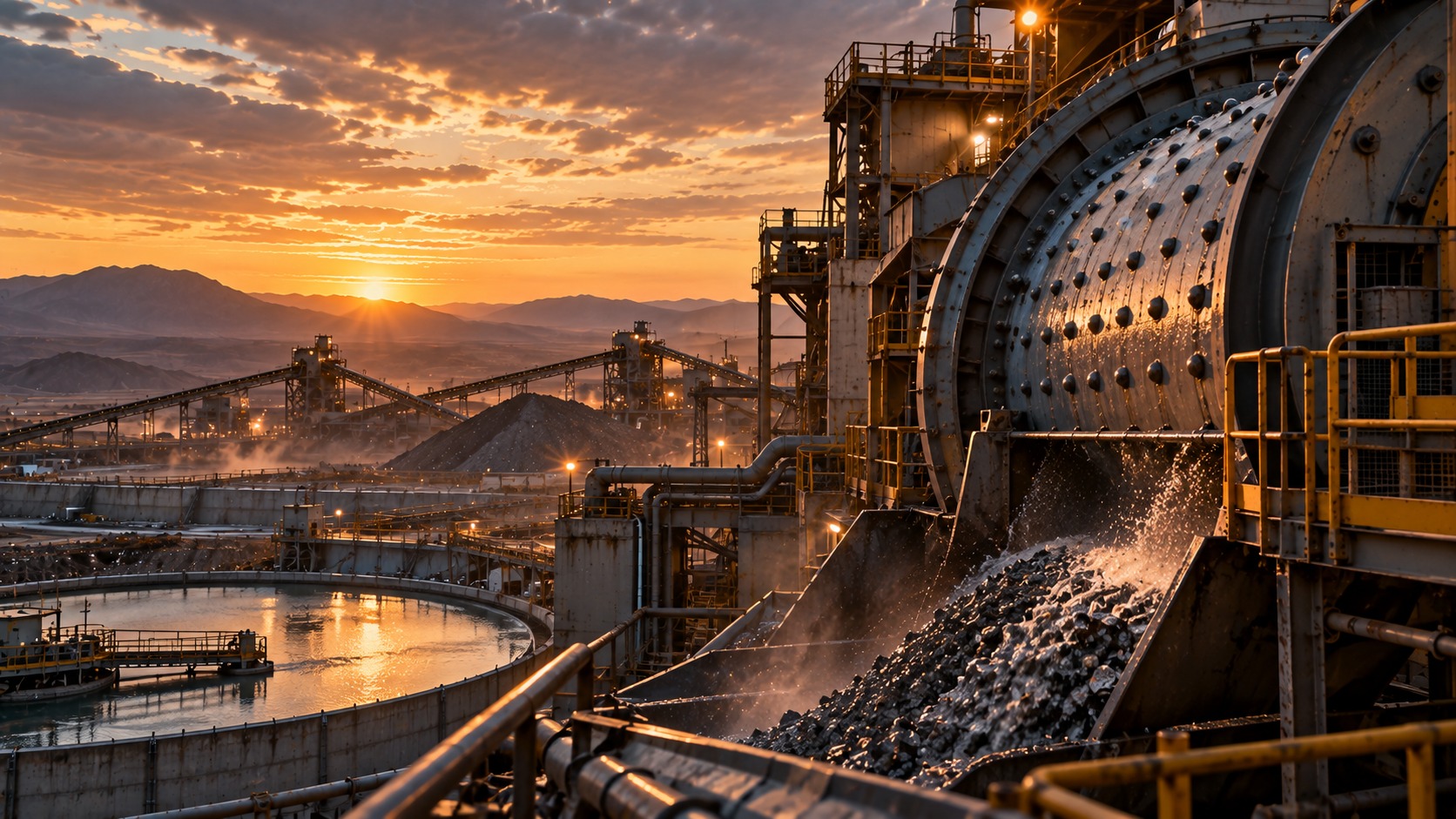
Predictive asset decisions: know when mining equipment must stop
Stopping immediately may surrender capacity in a critical period. Waiting may preserve tonnes but narrow the maintenance window or leave the operation exposed if the condition accelerates.
A predictive signal creates value when it opens a window in which the mine still has several acceptable choices.

The mine can keep the truck in service for a defined period, move it to less critical work or rotate another unit into the haul plan.
Maintenance can be brought forward with the component and labor staged, aligned with a production window that reduces disruption.
The objective is not to keep a degrading asset running as long as possible. Nor is it to stop every asset at the first warning.
Foresight is used while there is still time to choose the least damaging intervention for the operation, within safety limits.
How NTT DATA helps
Combine condition monitoring, historian data and asset-health models to show how the component condition is changing, not only whether an alarm fired.

Connect the emerging condition to dispatch, fleet availability, haulage commitments and the work the truck is expected to carry before the likely intervention.
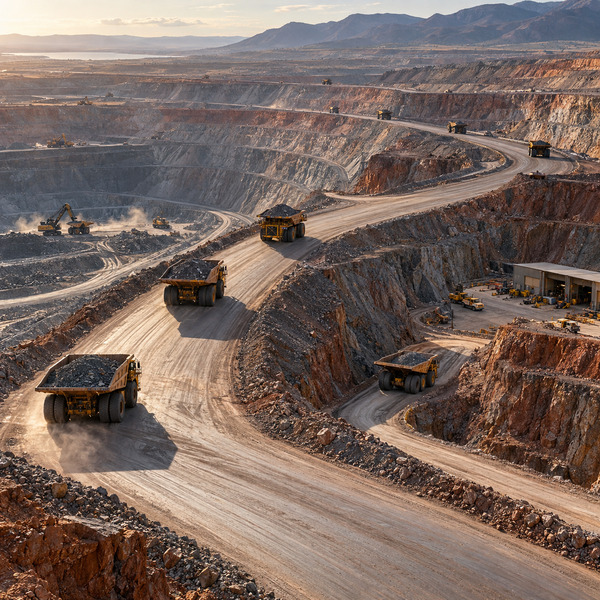
Bring together engineering limits, production exposure, fleet redundancy, spares, labor and workshop capacity to find when intervention is feasible.
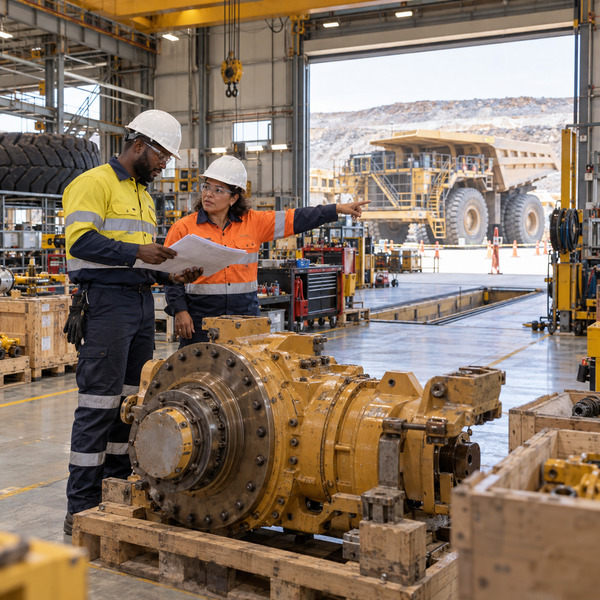
Simulation, optimization or decision support can compare continuing, rotating the asset, changing its duty or bringing maintenance forward.
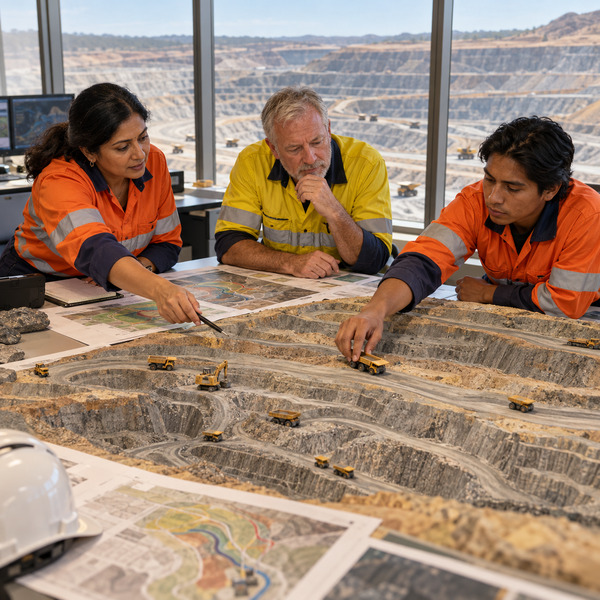
Once the timing is chosen, propagate the decision into dispatch, maintenance planning, inventory and execution workflows so the mine acts on one coordinated plan.
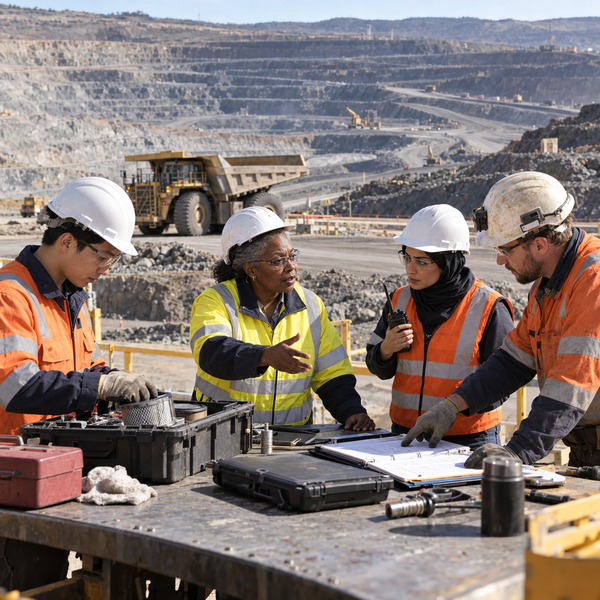
Compare predicted degradation with the condition found in maintenance, the timing chosen and the production consequence, then refine the logic.


The mechanism is broader than prediction accuracy. The mine also needs the decision architecture that connects asset condition to production commitments, maintenance readiness and remaining alternatives.
A mature predictive capability should not be judged only by how many failures it anticipates.
Assets are taken out of service at a moment the operation has deliberately chosen, before the asset chooses the moment instead.
The emerging condition is connected to dispatch, fleet availability, haulage commitments and the work the truck is expected to carry.
Once timing is chosen, the decision reaches dispatch, maintenance planning, inventory and execution so the mine acts on one plan.
Comparing prediction with what maintenance found improves both the model and the intervention logic for the next degrading asset.
Explore how connecting asset health to production, fleet and workshop context can turn predictions into well-timed interventions.