- All Foundries

- Commodity Management & Trading

- Customer & Marketing Strategy

- Digital Engineering

- Station Studio

- Supply Chain & Industry 5.0
- Sustainability

- Physical AI

- Next-Gen Infrastructure











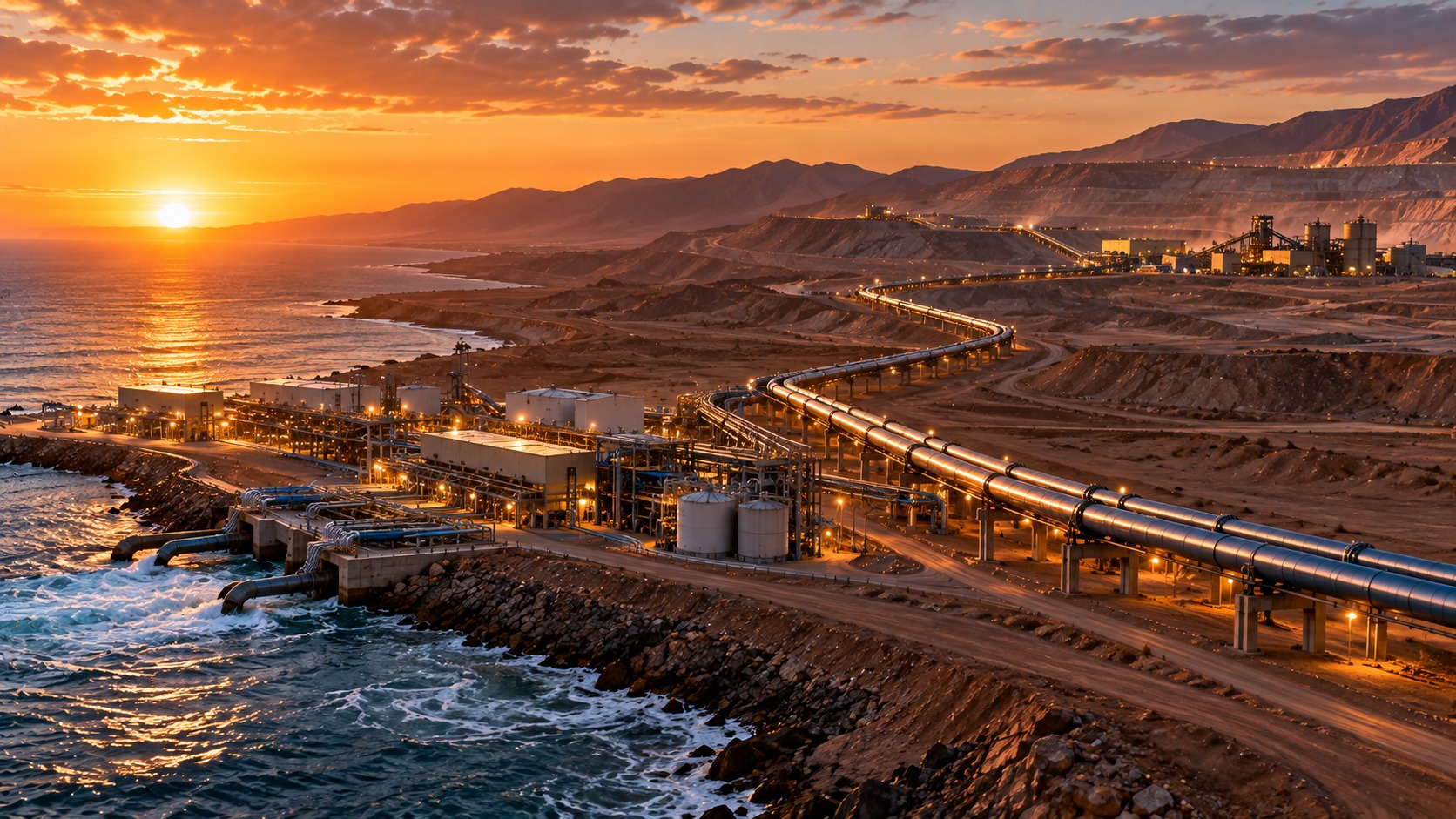
Desalination and concentrator decisions in integrated mining
If the plant keeps its rate, the water margin may disappear. If it cuts production too early, it may surrender tonnes a different water response could have protected.
The operation can manage water margin, not simply current water flow.

The operation sees how much flexibility remains, how quickly it is changing and which actions are still available before throughput.
Intake, desalination, pumping, pipelines, storage and reclaim are managed as part of the production system the concentrator depends on.
Seeing the trajectory early can avoid cutting production too soon, surrendering tonnes a different water response could have protected.
The important clock starts when the condition first becomes knowable – and stops when the last meaningful alternative disappears.
How NTT DATA helps
Connect intake, desalination, pumping, storage, reclaim and concentrator demand to the production commitments that depend on them.
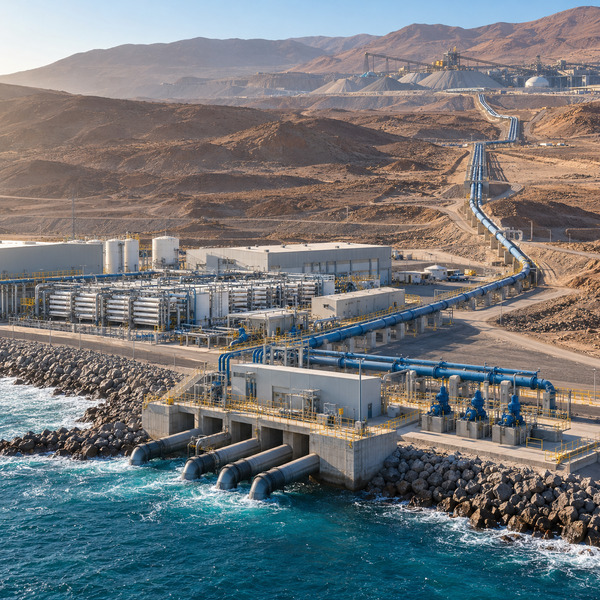
Combine flows, storage levels, equipment availability, expected demand and operating constraints in a shared water-to-production model.
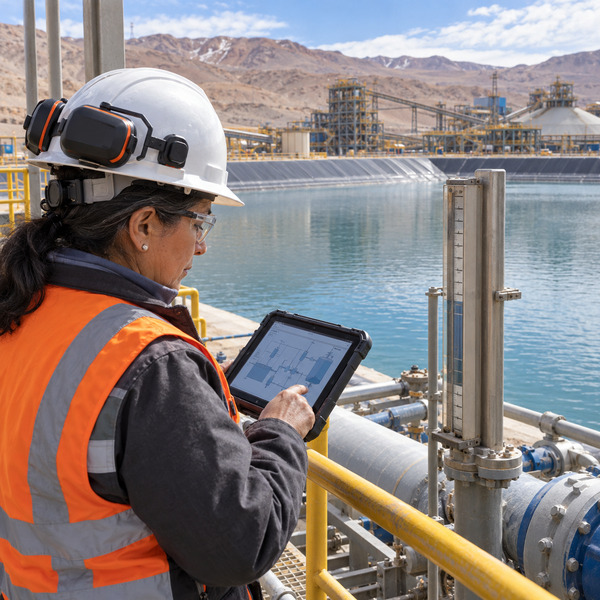
Use forecasting, network models or digital twins to estimate when a coastal or pumping deviation could become a plant constraint.

Make explicit when water, process, energy, maintenance and production must compare alternatives, who can commit a response and the safe limits.
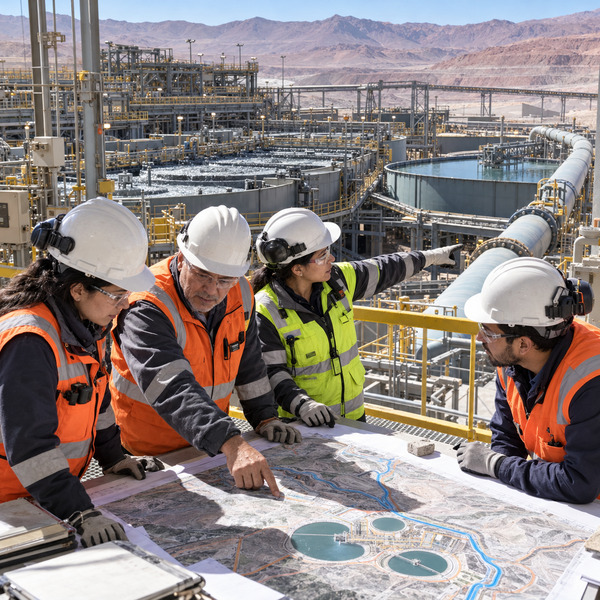
Propagate the selected response into operating workflows, observe whether the expected water margin was preserved and improve the next decision from the result.
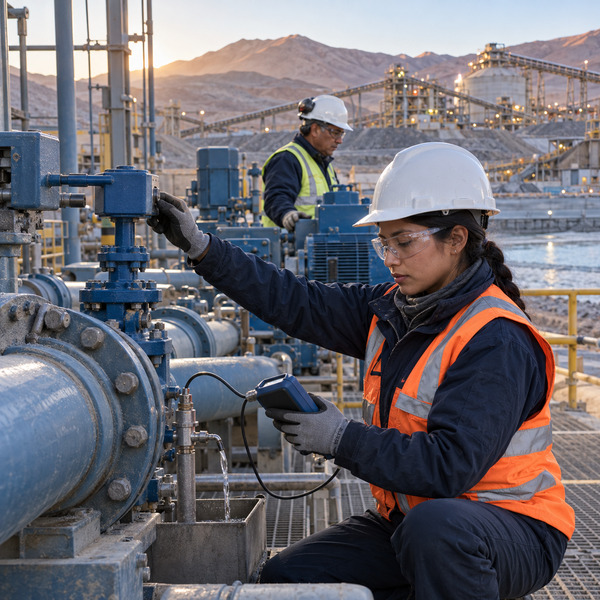
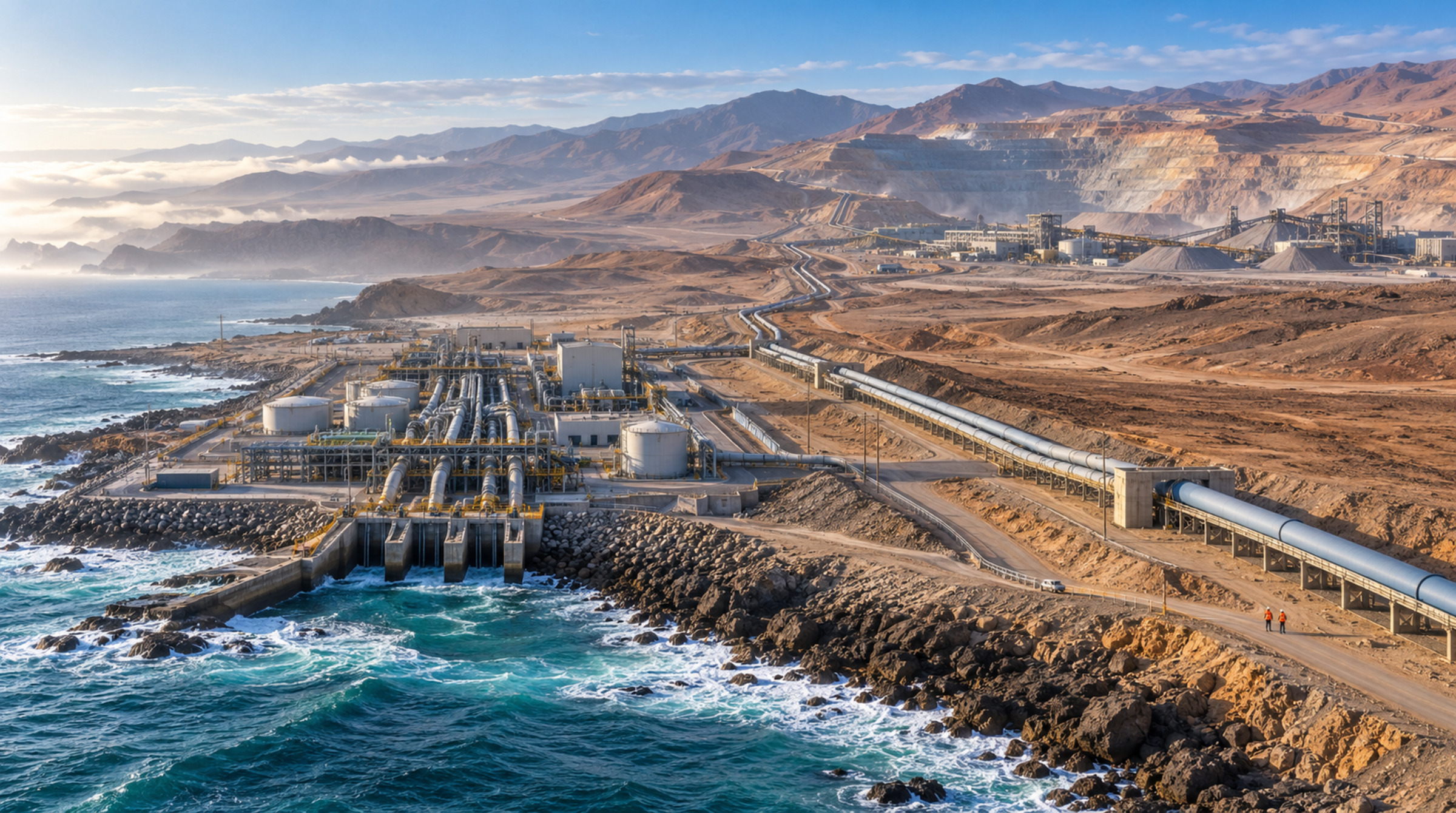
The shift is linked to desalination plants and seawater pumping systems. It does not prove a specific production gain, but the path from the sea to the process is becoming production infrastructure.
A modern concentrator should not discover a water constraint only when a tank reaches its limit.
The operation can see the constraint forming along the water chain before water availability becomes a hard production limit.
The concentrator understands how much production flexibility remains and how quickly the water margin is changing over time.
Water supply, storage, pumping and plant demand responses are coordinated while alternatives are still open to the operation.
The plant fence may be an organizational boundary, but the production boundary now reaches from the intake to the process.
Explore how connecting desalination, pumping and storage to production can protect concentrator throughput in integrated mining.