- All Foundries

- Commodity Management & Trading

- Customer & Marketing Strategy

- Digital Engineering

- Station Studio

- Supply Chain & Industry 5.0
- Sustainability

- Physical AI

- Next-Gen Infrastructure











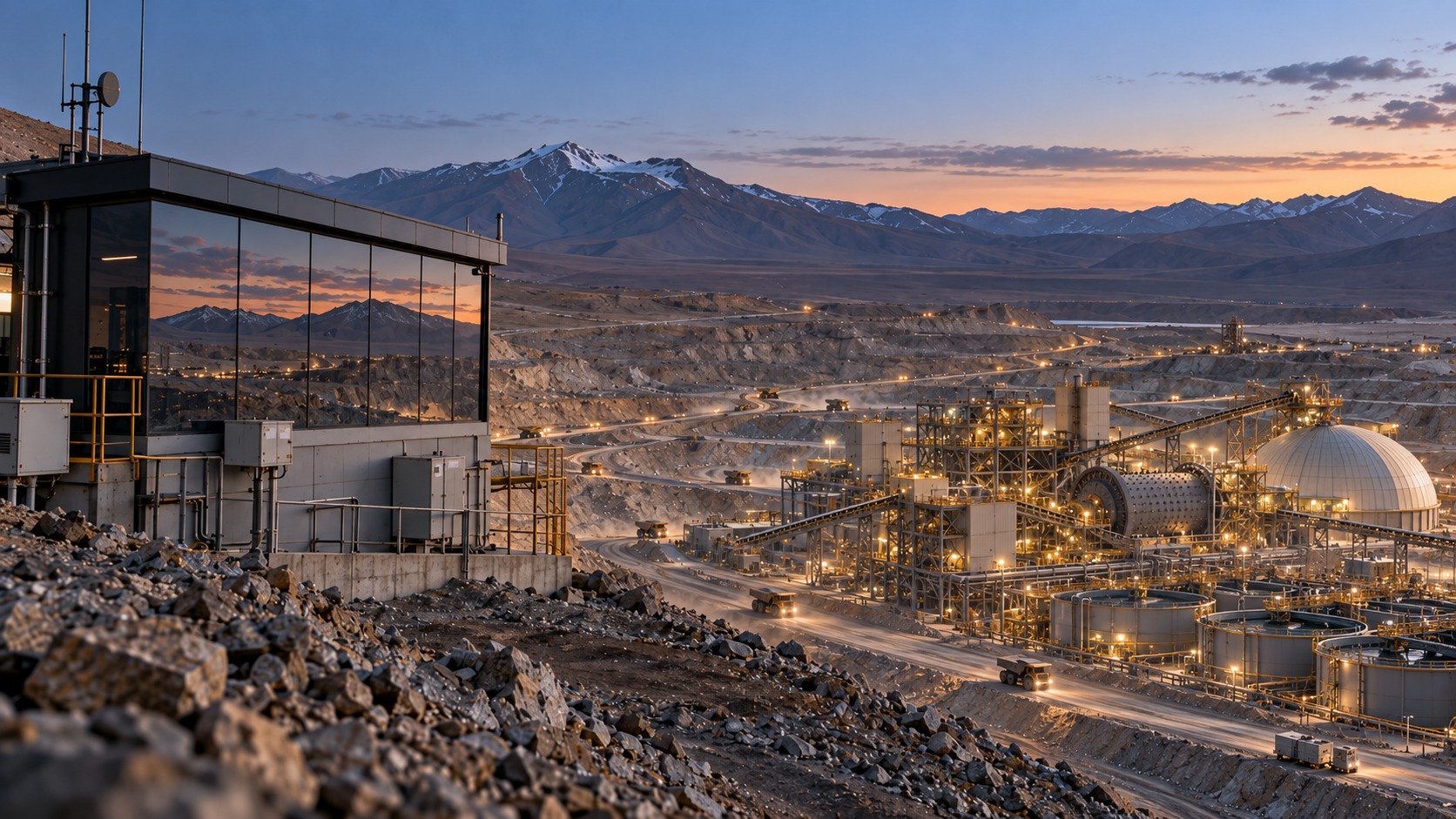
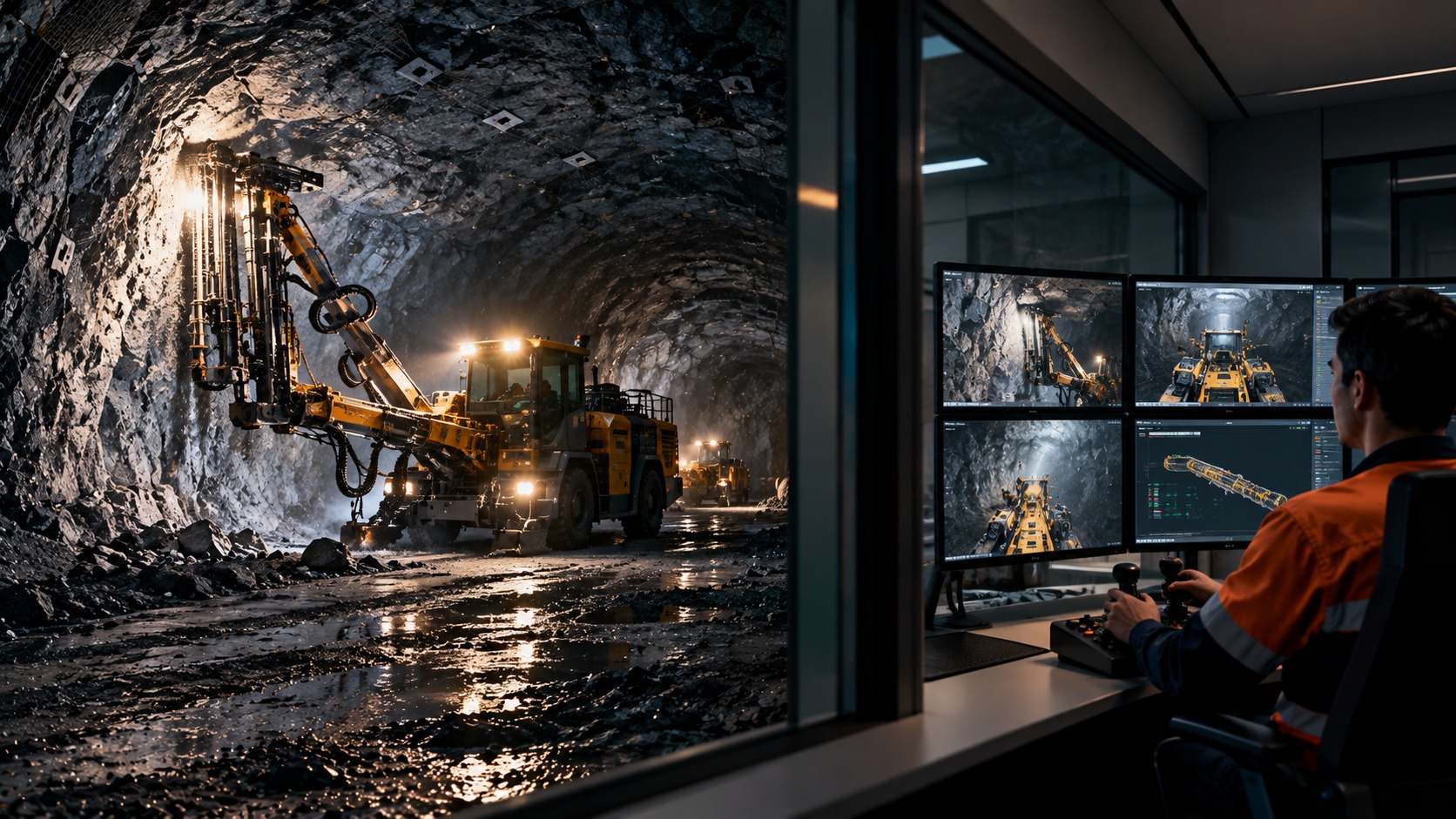
Remote mining control systems beyond the mine site
The answer is not all or nothing. Some functions may still belong beside the equipment; supervisory or analytical ones may move if resilience, cybersecurity and fallback are engineered.
People, applications and compute no longer need to share the mine’s geography simply because the process does.

The shift can reduce specialized infrastructure in harsh or remote environments where maintaining compute is difficult and costly.
Resilient compute capacity becomes easier to pool, and selected applications can run from facilities designed for redundancy.
Remote operations become simpler: people, applications and compute no longer need to share the mine’s geography with the process.
The value exists only if the mine knows what happens when the connection degrades; credible local failure behavior is designed in.
How NTT DATA helps
Map what directly protects equipment or process stability, what supervises the process, and what supports interpretation or optimization.
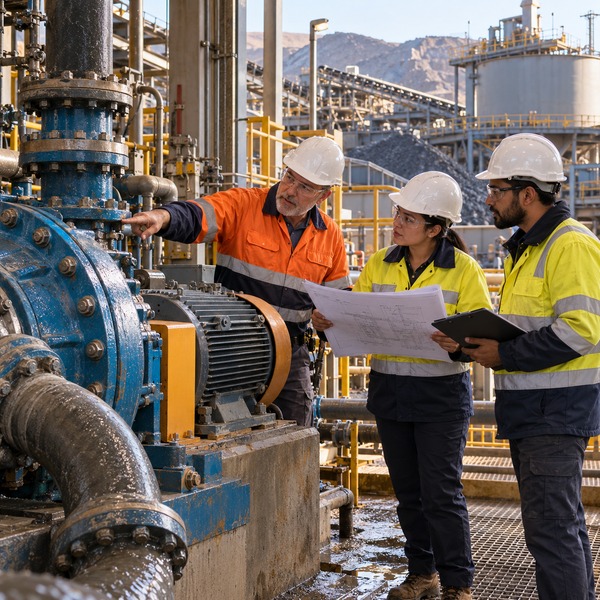
Keep functions local when timing, safety or fallback demands it; identify where remote execution is a credible option.
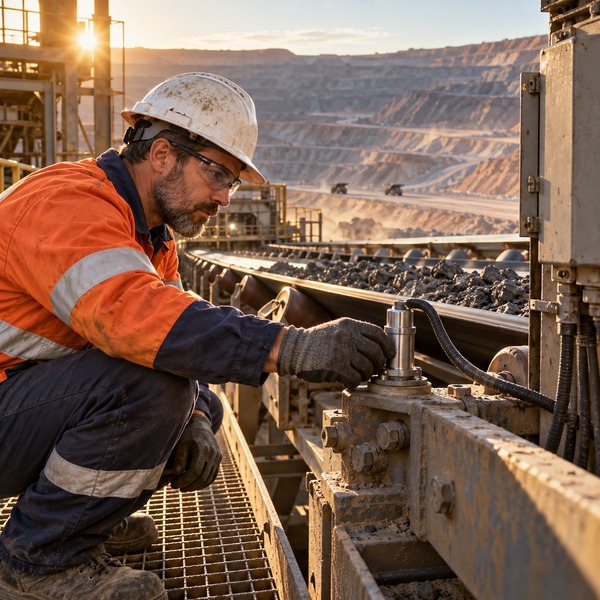
Design connectivity, redundancy and compute placement around the response the process requires, not an abstract network-speed target.
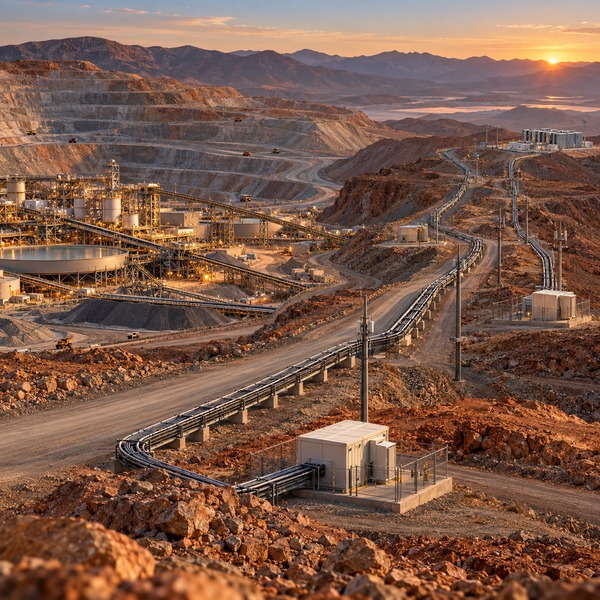
Define what happens when latency rises, a path is lost or remote compute is unavailable: stay local, degrade, transfer authority or go to a safe state.
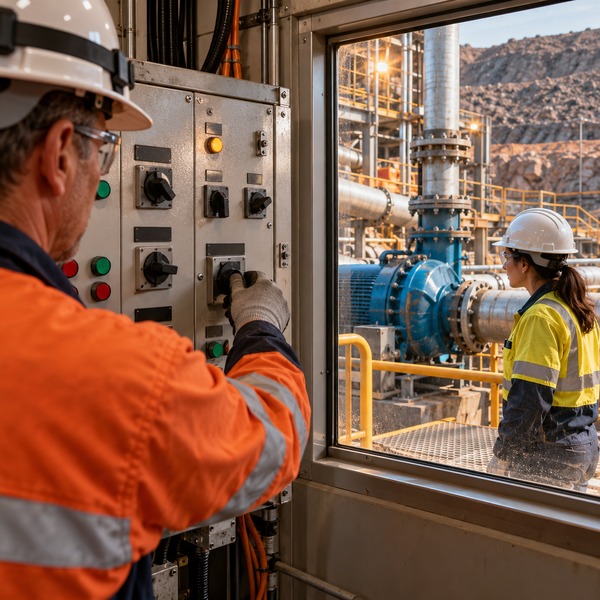
Align segmentation, identity, privileged access and operational ownership with an architecture where users, compute and process may sit in different locations.
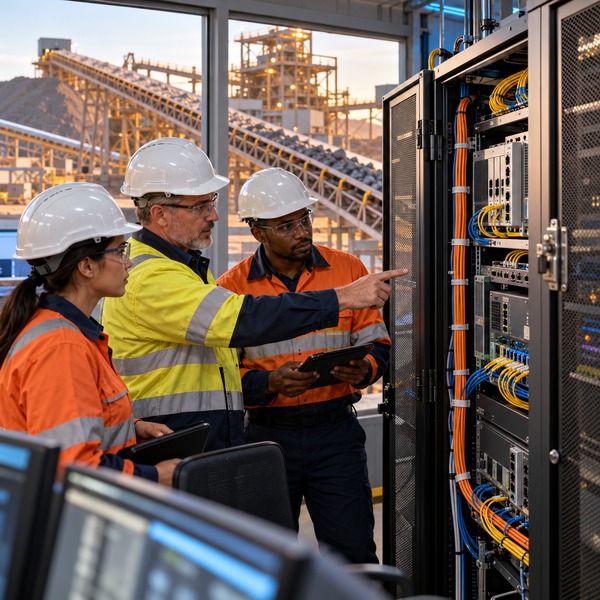
Measure the complete path from process signal to remote compute and back to the user or control layer, then validate failover under realistic conditions.
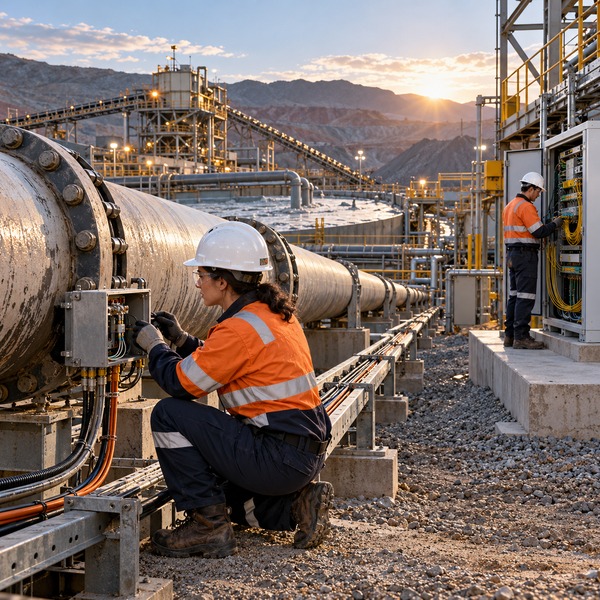
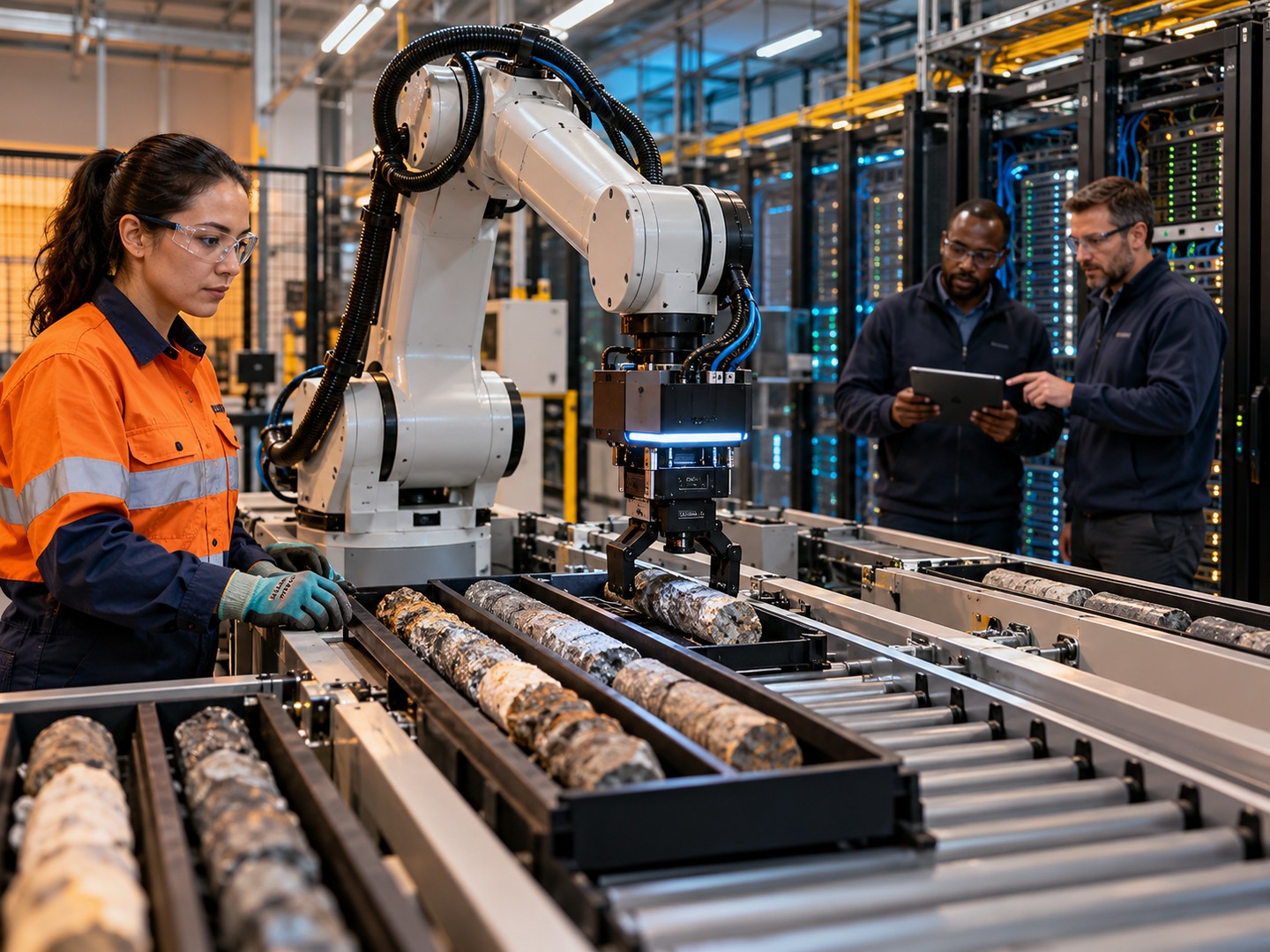
IOWN APN demonstrations connected separated data centers for distributed workloads. They do not show a mine should centralize its DCS, only that process and compute location can be decoupled for selected workloads.
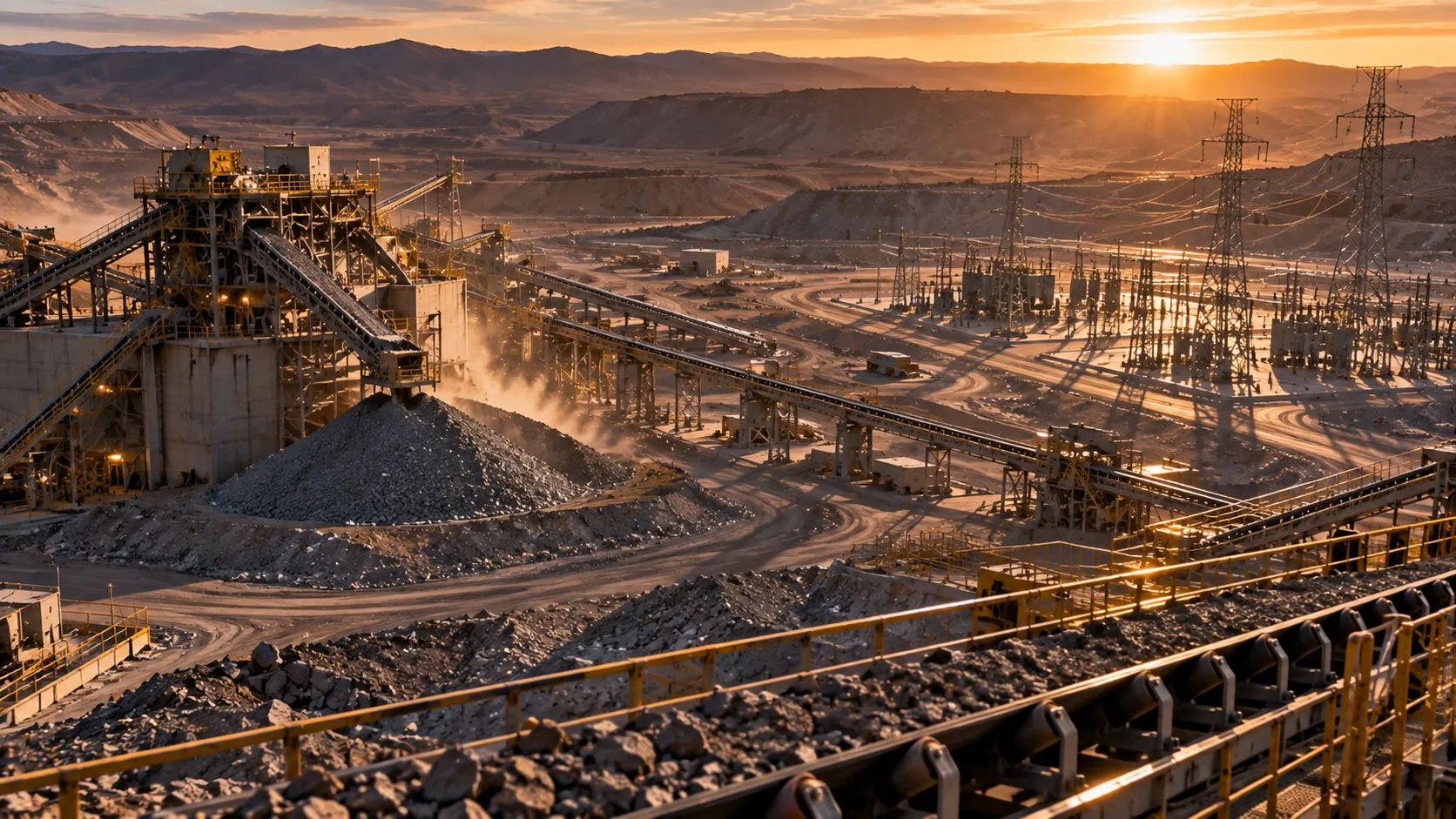
The ore still has to be crushed where the ore is. Pumps, drives, instruments and protection still belong to the process.
The digital infrastructure around those decisions does not have to inherit every kilometer of the mine’s geography or harsh site conditions.
Functions whose timing, safety or fallback behavior demand local execution stay beside the equipment they protect and stabilize.
Segmentation, identity, privileged access and ownership are aligned with users, compute and process sitting in different places.
The complete path from process signal to remote compute and back is measured, and failover is validated under realistic conditions.
Explore how engineering compute placement, resilience and fallback can extend mining control systems beyond the mine site.