- All Foundries

- Commodity Management & Trading

- Customer & Marketing Strategy

- Digital Engineering

- Station Studio

- Supply Chain & Industry 5.0
- Sustainability

- Physical AI

- Next-Gen Infrastructure











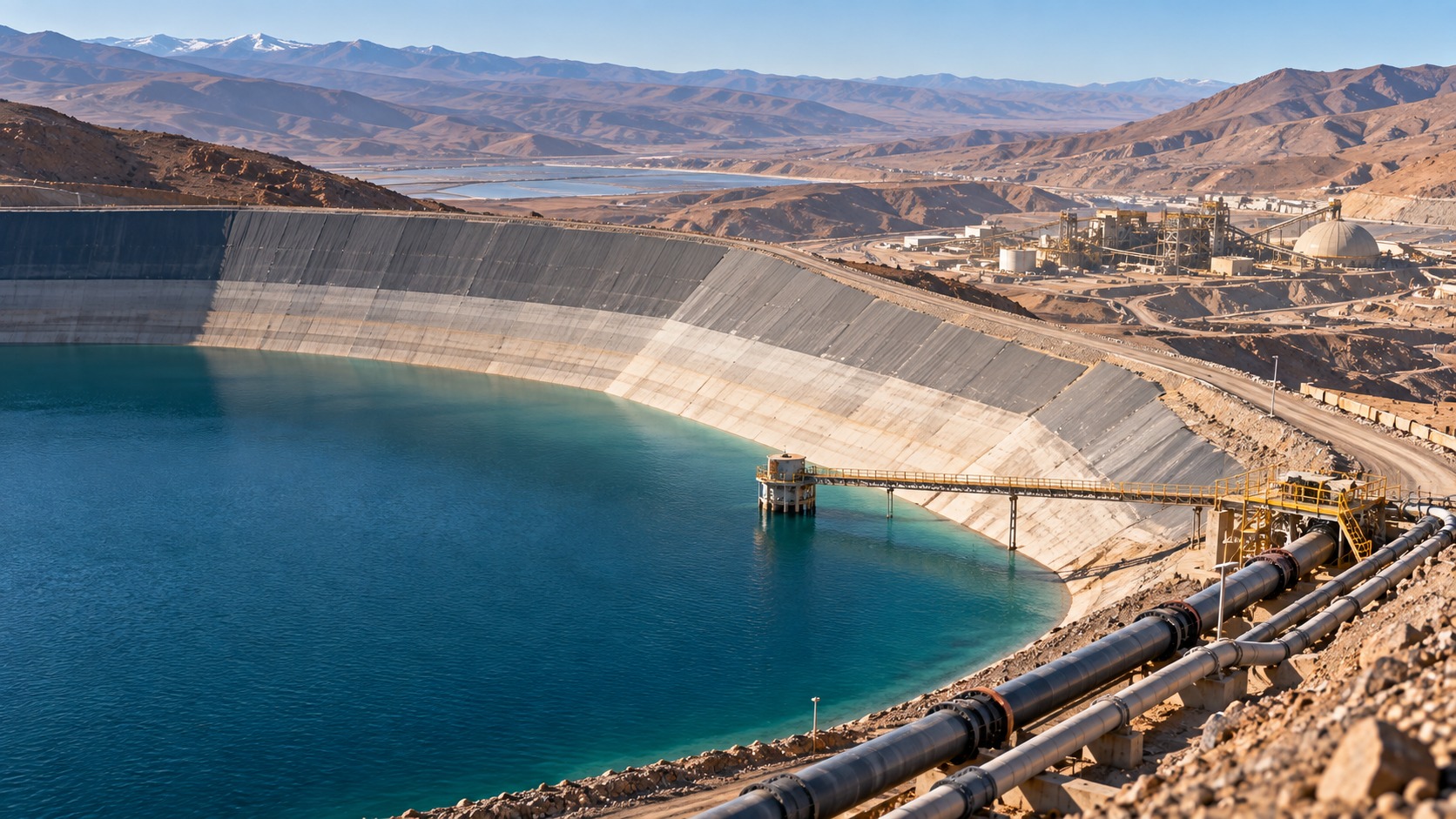
Mine water storage as production optionality
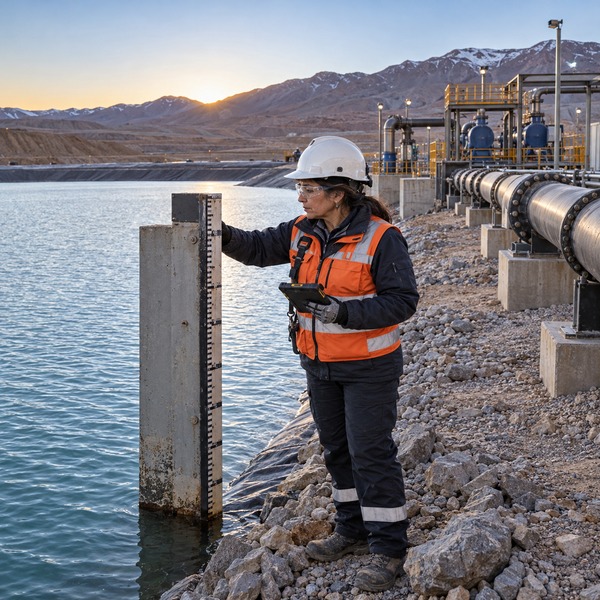
The question changes from how much water is in the reservoir to: what production choices does that water level still keep open?
The value mechanism is time: storage preserves a window to choose among responses.

The mine can pre-position water before planned pump maintenance, so the concentrator is not exposed when a pumping train is out.
Storage can preserve throughput through a temporary supply deviation in desalination or pumping before it becomes production loss.
The operation can defer a production cut while recovery remains credible, instead of accepting the first consequence imposed.
Storage can be drawn intentionally when another operating constraint, such as an electrical window, makes pumping less attractive.
How NTT DATA helps
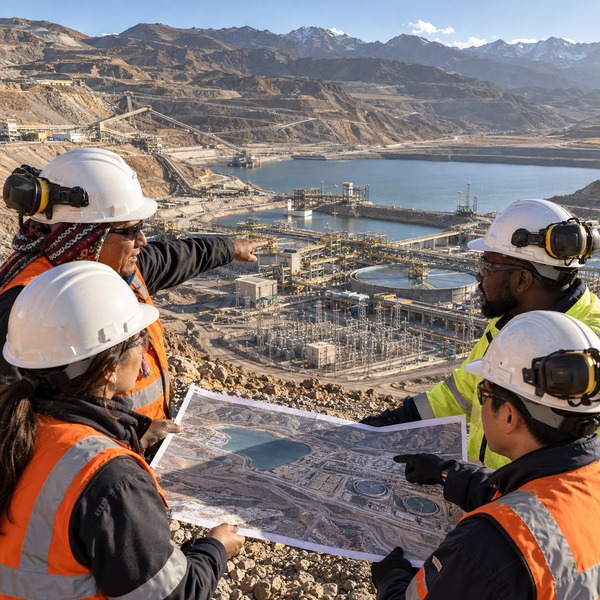
Map which production commitments depend on each reservoir or tank, the supply paths that replenish it and the operating limits not to cross.
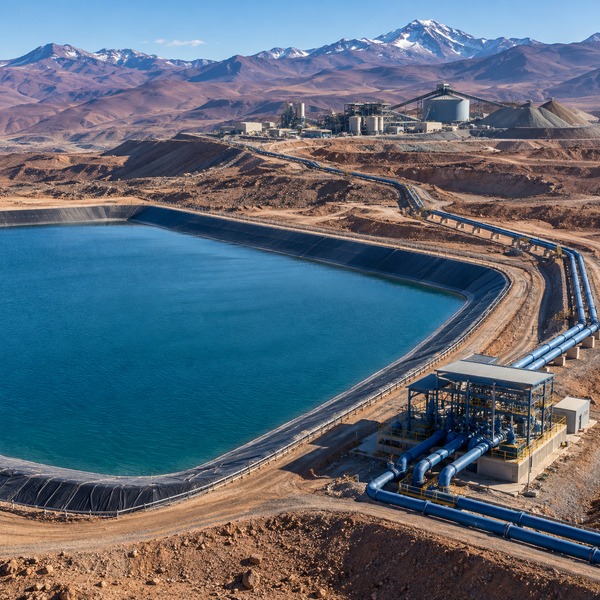
Combine storage, inflow, pumping availability, process demand and minimum reserves to show how long meaningful alternatives remain open.
Make visible whether the operation can restore pumping, pre-fill, draw storage, change recirculation or adjust plant demand in time.
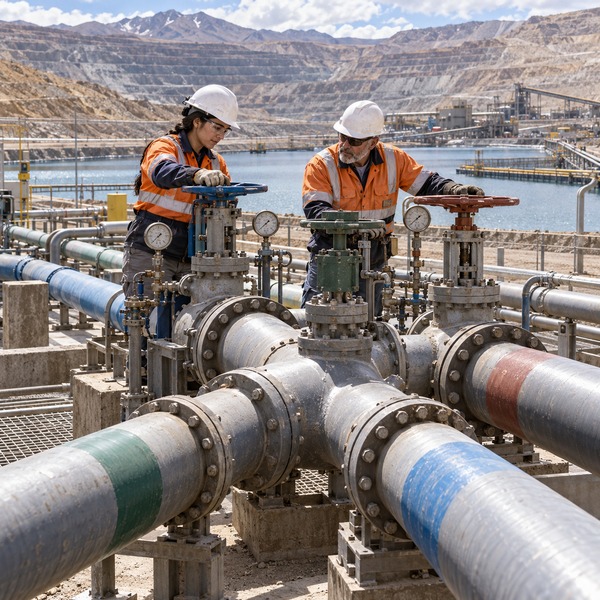
Define when Water, Concentrator, Energy, Maintenance and Planning must act together, what triggers escalation and who can commit the response.
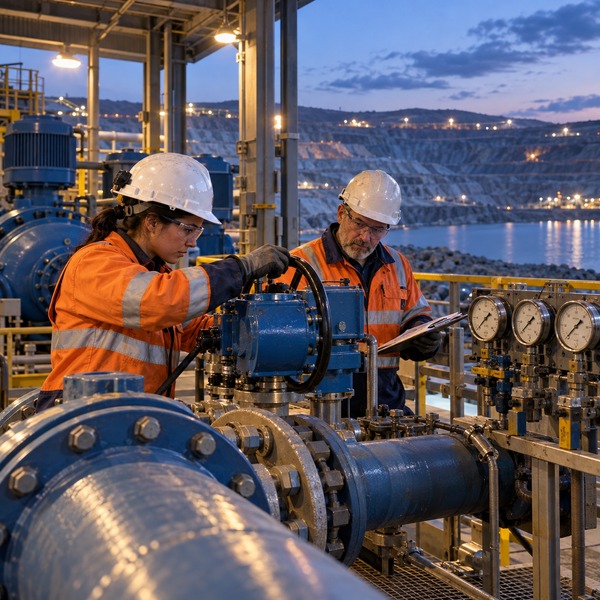
Use water-network models, forecasting and workflows to execute the chosen trajectory, verify the buffer behaved as expected and improve.
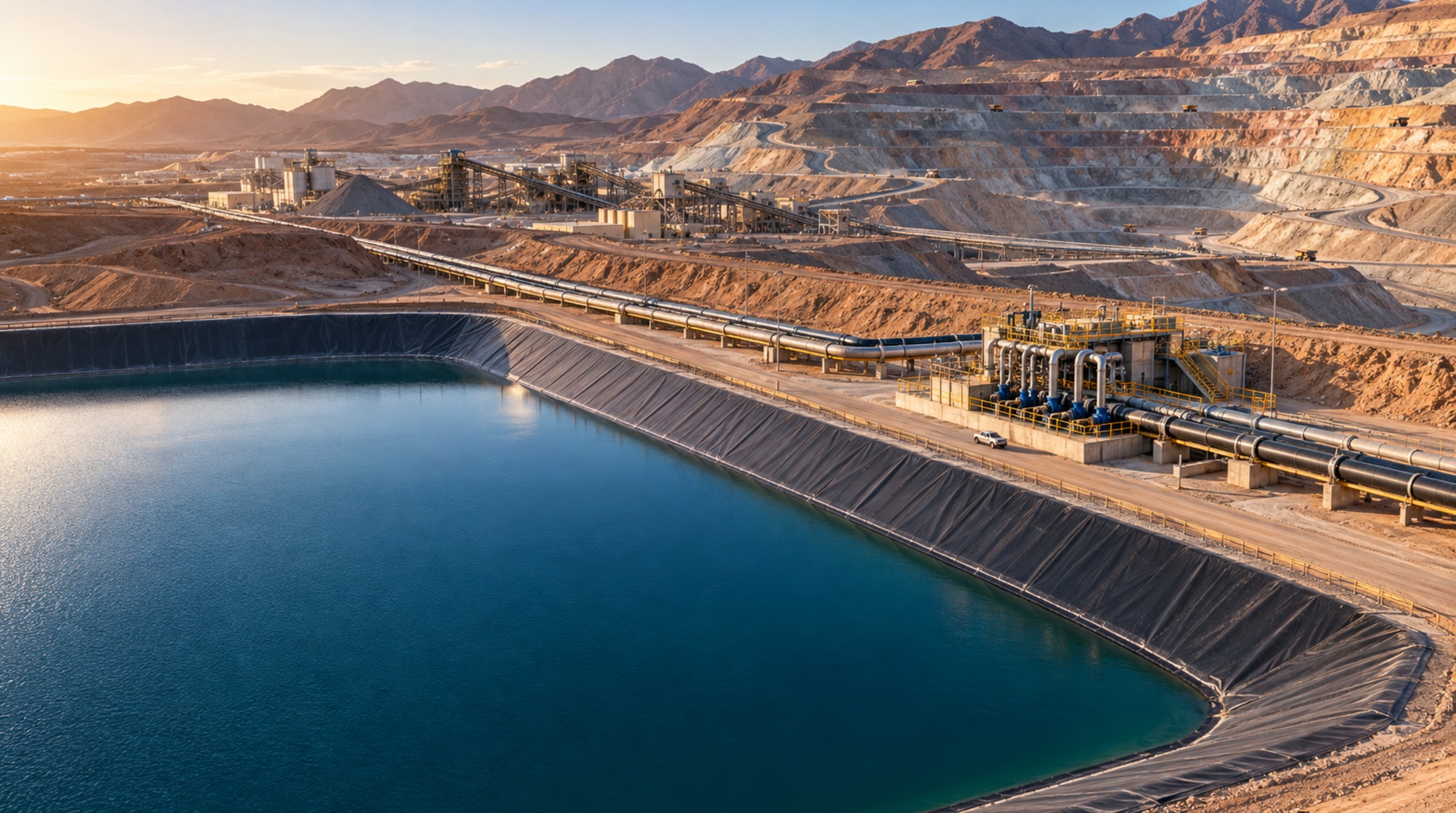
Cochilco projects seawater rising to 67.6% of Chilean copper water consumption by 2034. Sources do not quantify storage value, but storage sits between variable supply and production demand.
A modern mine should not see a reservoir only as cubic metres available.
The mine knows what disturbance the buffer can absorb before variability in desalination, pumping or power becomes production loss.
Level becomes time-to-constraint: how quickly the margin is changing and how long meaningful alternatives still remain open.
The operation knows which decisions remain possible before production must move, from restoring pumping to adjusting demand.
The objective is not to maximize stored volume, but to manage the buffer against the situations the operation may need to survive.
Explore how turning reservoir levels into time-to-constraint can preserve production choices across integrated mining.