- All Foundries

- Commodity Management & Trading

- Customer & Marketing Strategy

- Digital Engineering

- Station Studio

- Supply Chain & Industry 5.0
- Sustainability

- Physical AI

- Next-Gen Infrastructure












The Network Behind Industrial Autonomy: Turning Telco Capabilities into Cross-Industry Value
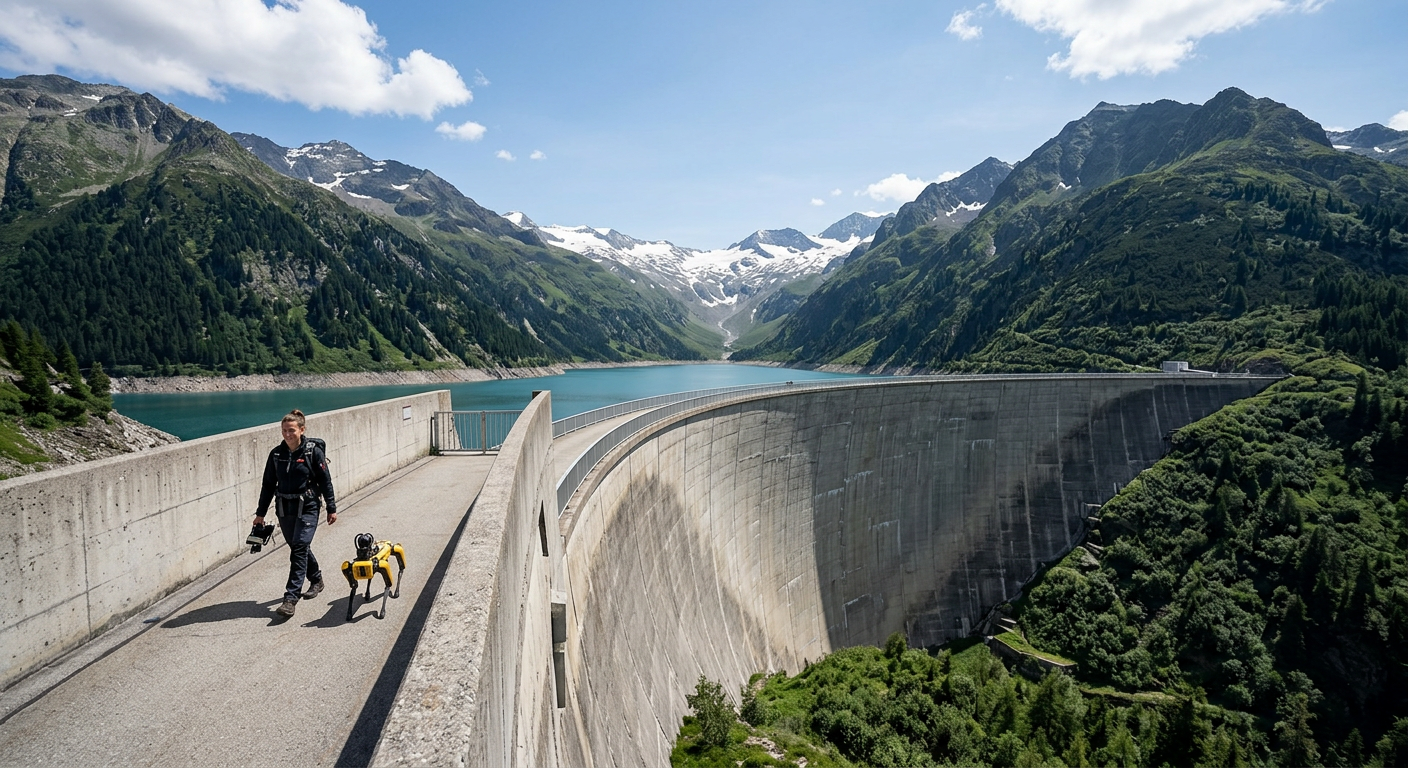
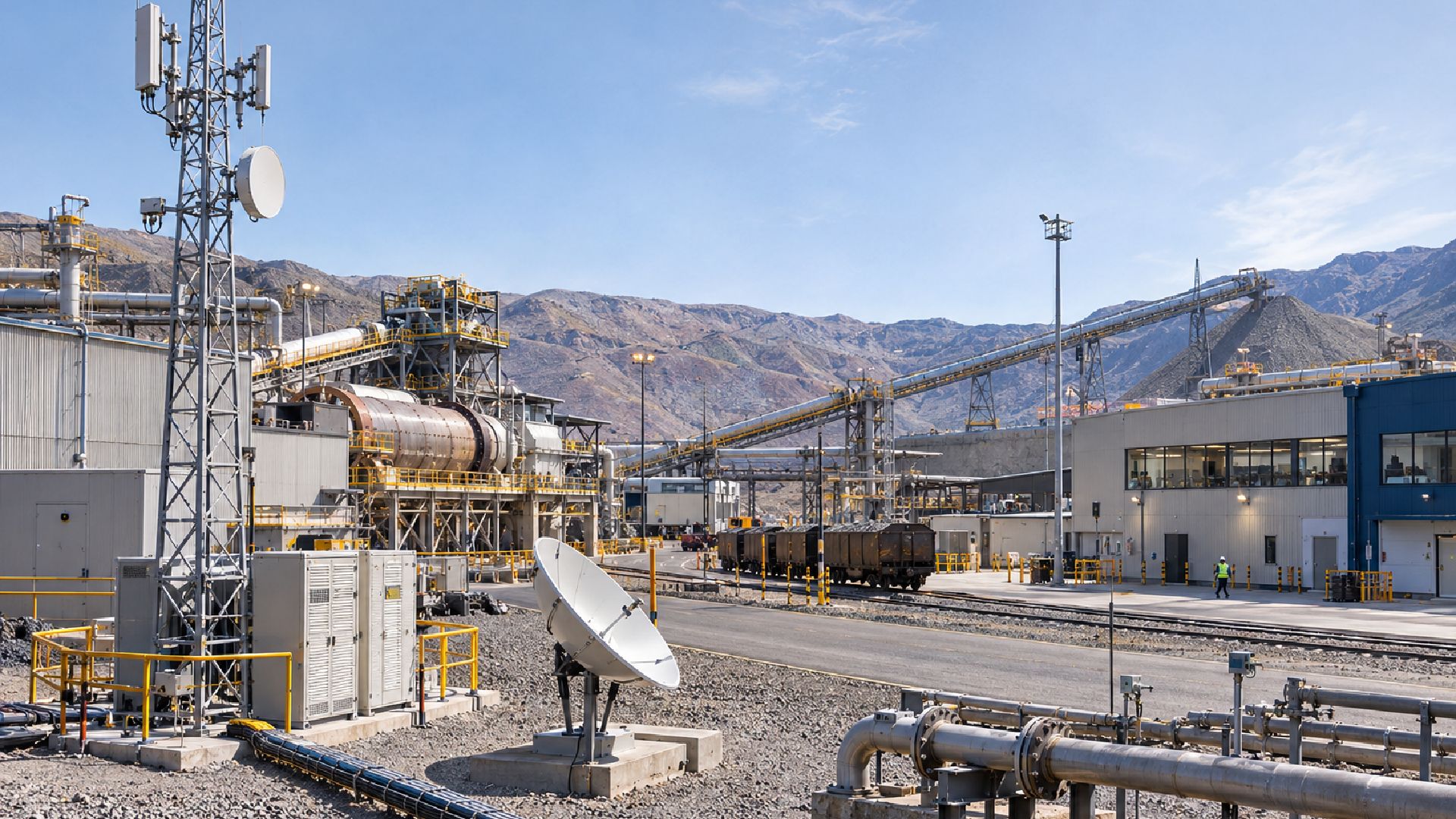
Mining, utilities, ports, rail and other critical industries operate across distributed, remote and safety-sensitive environments. Resilient communications, real-time control, Edge intelligence and a service model that protects continuity provide the foundation for that transformation. The network becomes the operating backbone connecting people, assets, machines and decisions.
A connected operating backbone brings critical connectivity, Edge, data, AI and managed operations together around the industrial outcome, helping telco capabilities support new ways of running the physical business.

Design resilient communications and operational controls for environments where downtime, latency or coverage gaps affect physical operations.
Use Edge processing and real-time data to detect, decide and act where assets, workers and machines are operating.
Connect control centers, field teams, drones, robotics and industrial systems through secure, low-latency services.
Package network, Edge, AI and managed operations into propositions that can be adapted across asset-intensive sectors.
How NTT DATA helps
Define the continuity, safety, productivity or autonomy objective before selecting the connectivity and technology model.
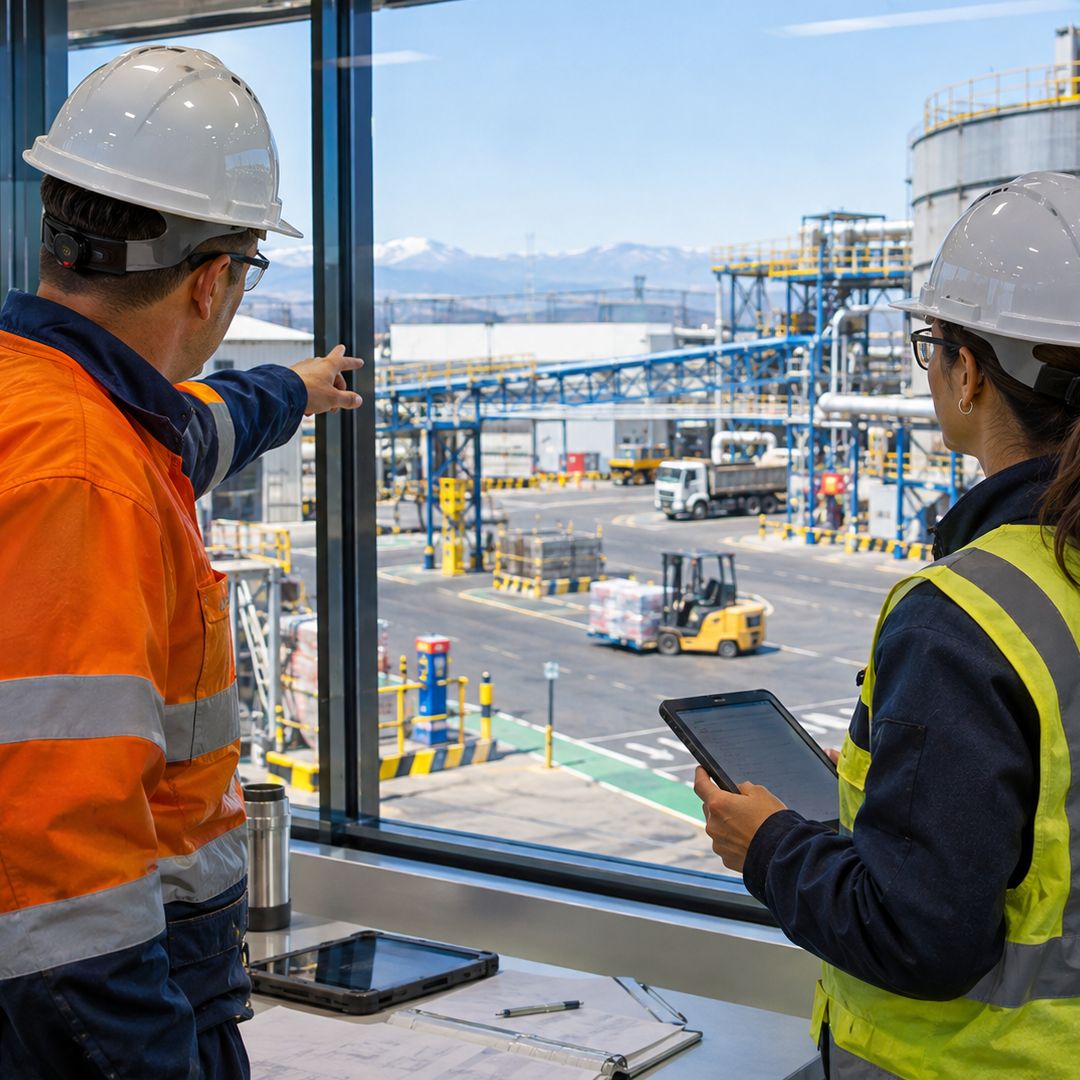
Combine private networks, fibre, satellite, Wi-Fi and critical communications according to coverage, latency, sovereignty and availability needs.
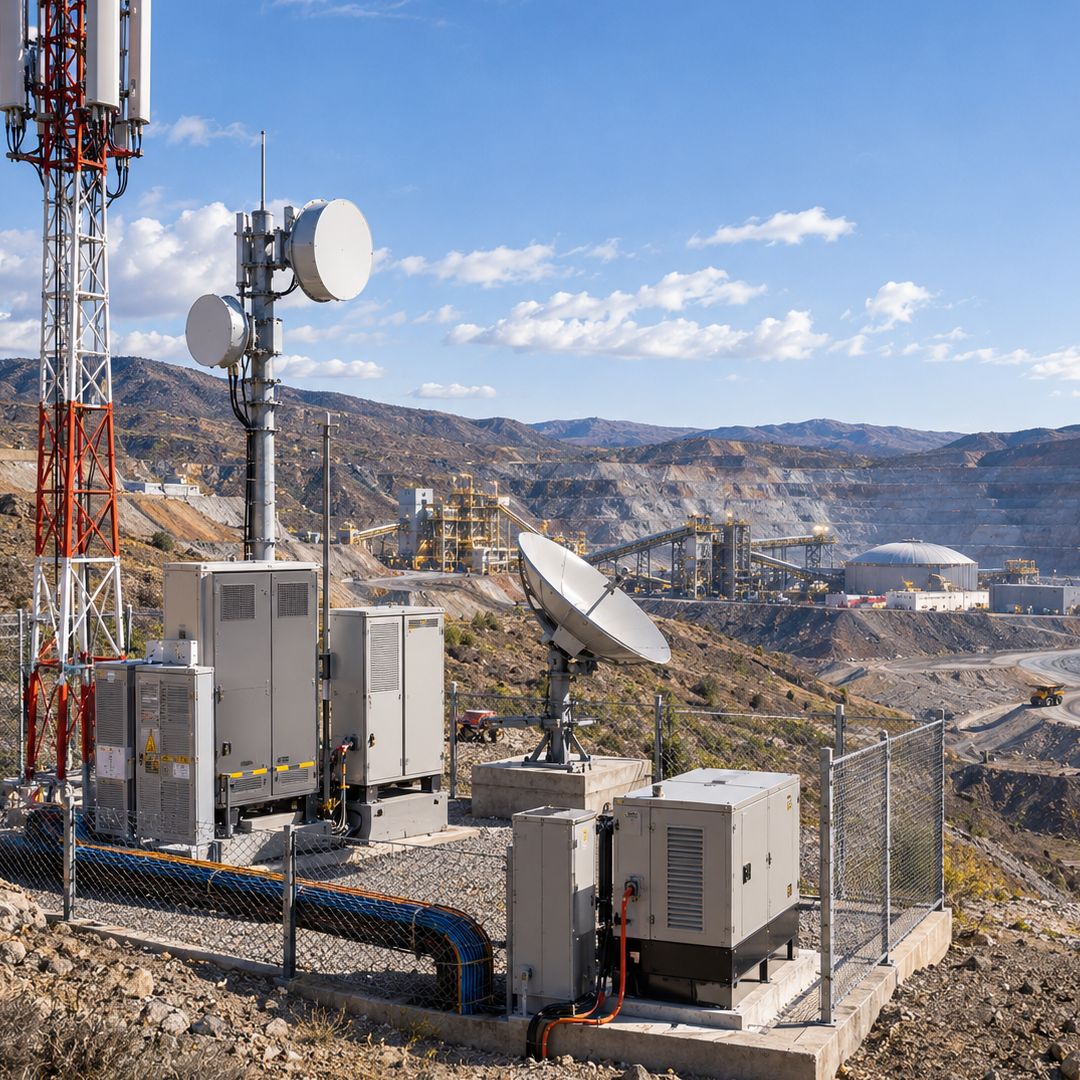
Integrate sensors, video, OT platforms, control systems and real-time intelligence close to the operational environment.
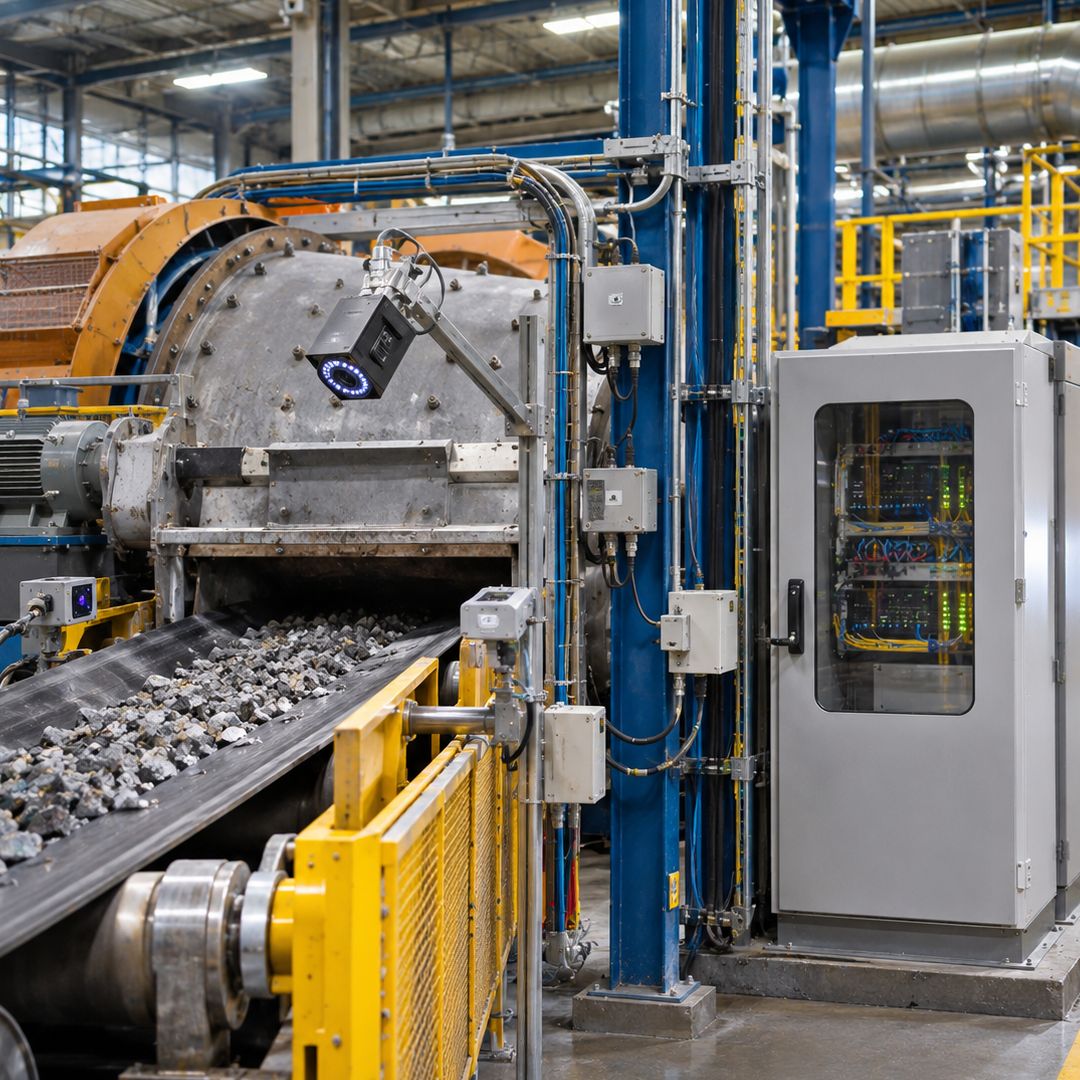
Support remote operation, predictive insight, digital twins, drones, robotics and frontline assistance through a governed architecture.
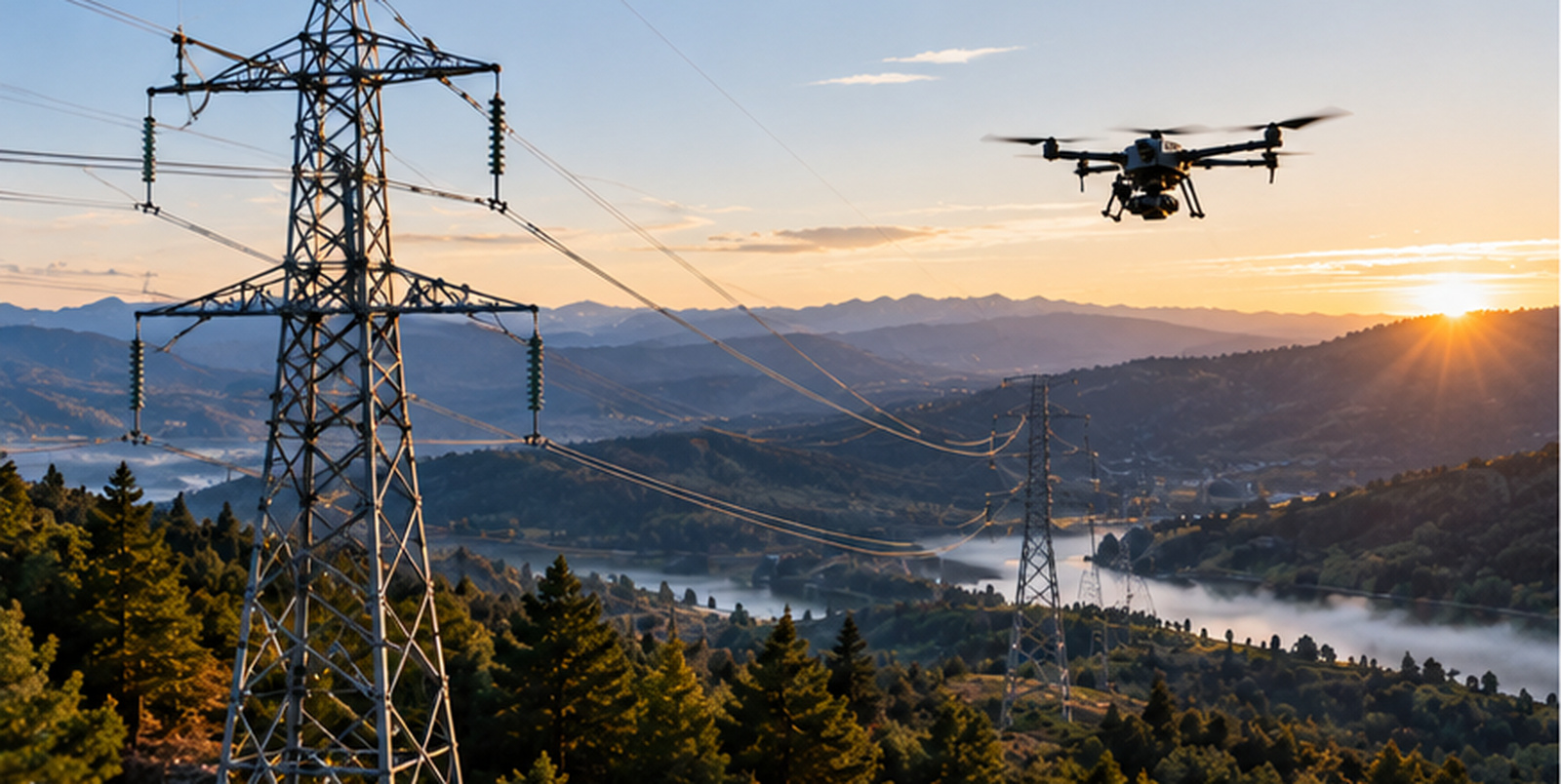
Bring engineering, monitoring, service assurance, field operations and continuous improvement into one lifecycle model.

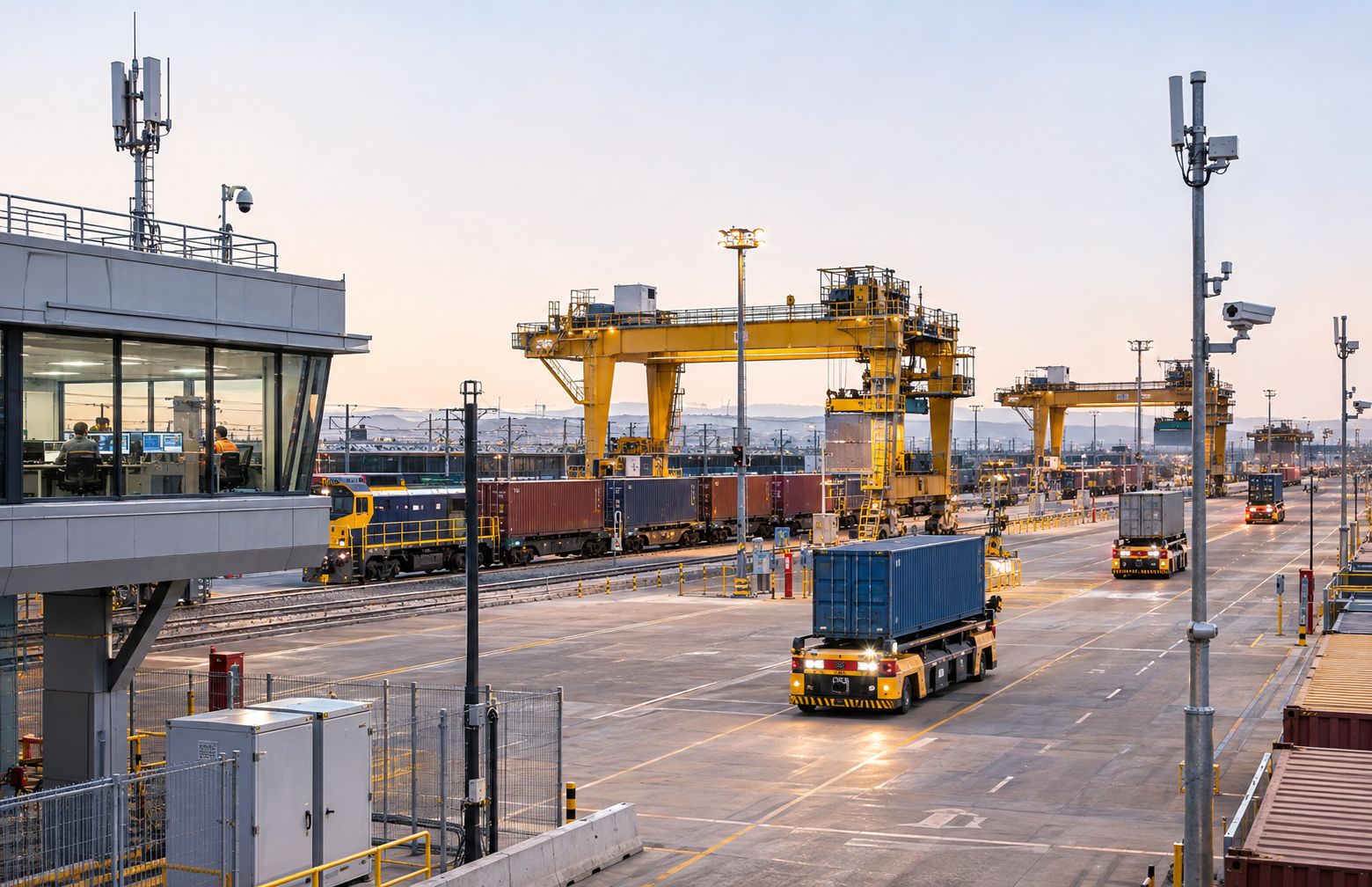
The network evolves from an infrastructure layer into the resilient, intelligent operating backbone that connects real-time data, control and action across the physical business.
Critical industries can protect continuity, act on real-time insight, extend remote operations and create a more scalable path toward industrial autonomy.
Use resilient communications and real-time awareness to support people, assets and essential processes.
Process and contextualize data closer to the source so teams and systems can respond in real time.
Coordinate sites, machinery and field activity through connected control and assistance capabilities.
Turn telco, Edge and AI capabilities into repeatable vertical propositions and managed-service models.
Resilient communications, real-time intelligence and integration with the operational environment create the foundation for the next generation of physical operations. That is where telco capabilities become cross-industry value.