- All Foundries

- Commodity Management & Trading

- Customer & Marketing Strategy

- Digital Engineering

- Station Studio

- Supply Chain & Industry 5.0

- Sustainability

- Physical AI

- Next-Gen Infrastructure












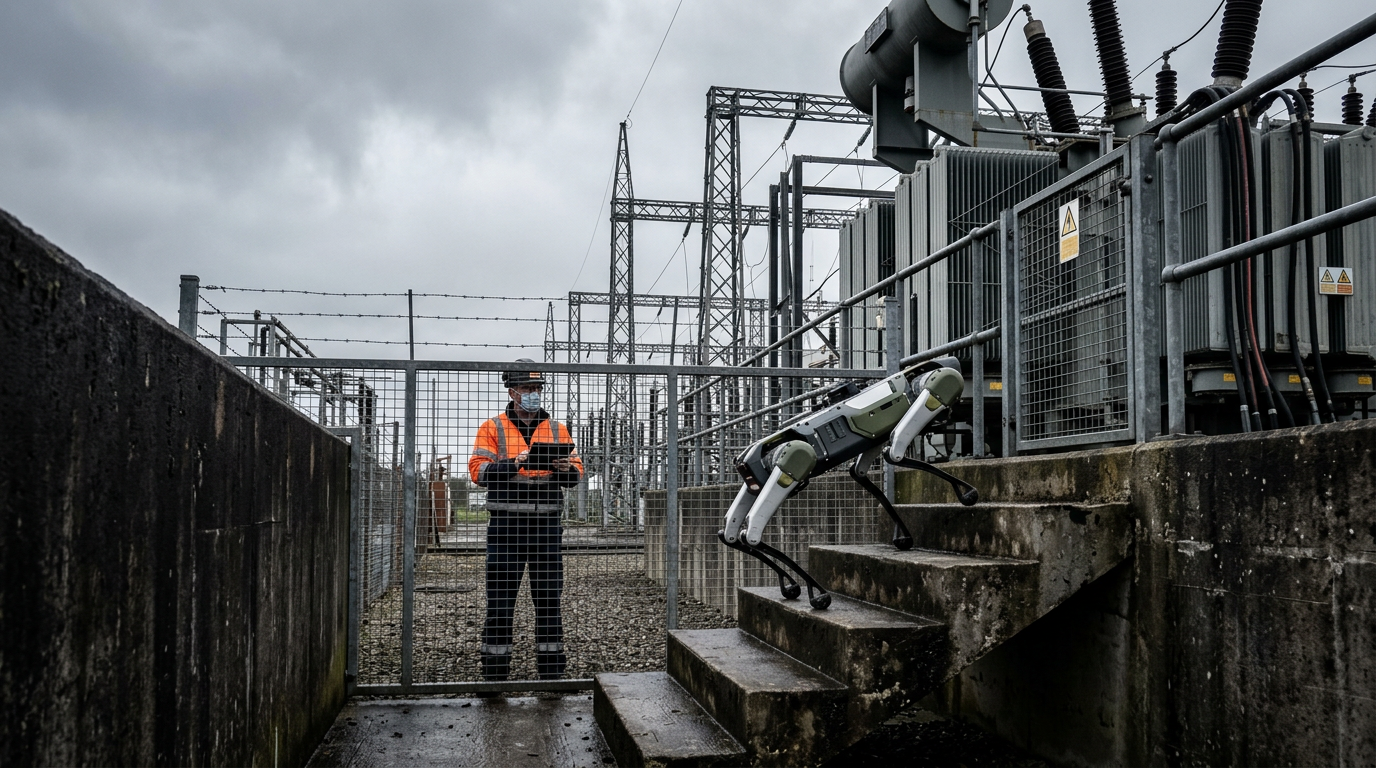
Leading substation robotics toward safer inspection rounds
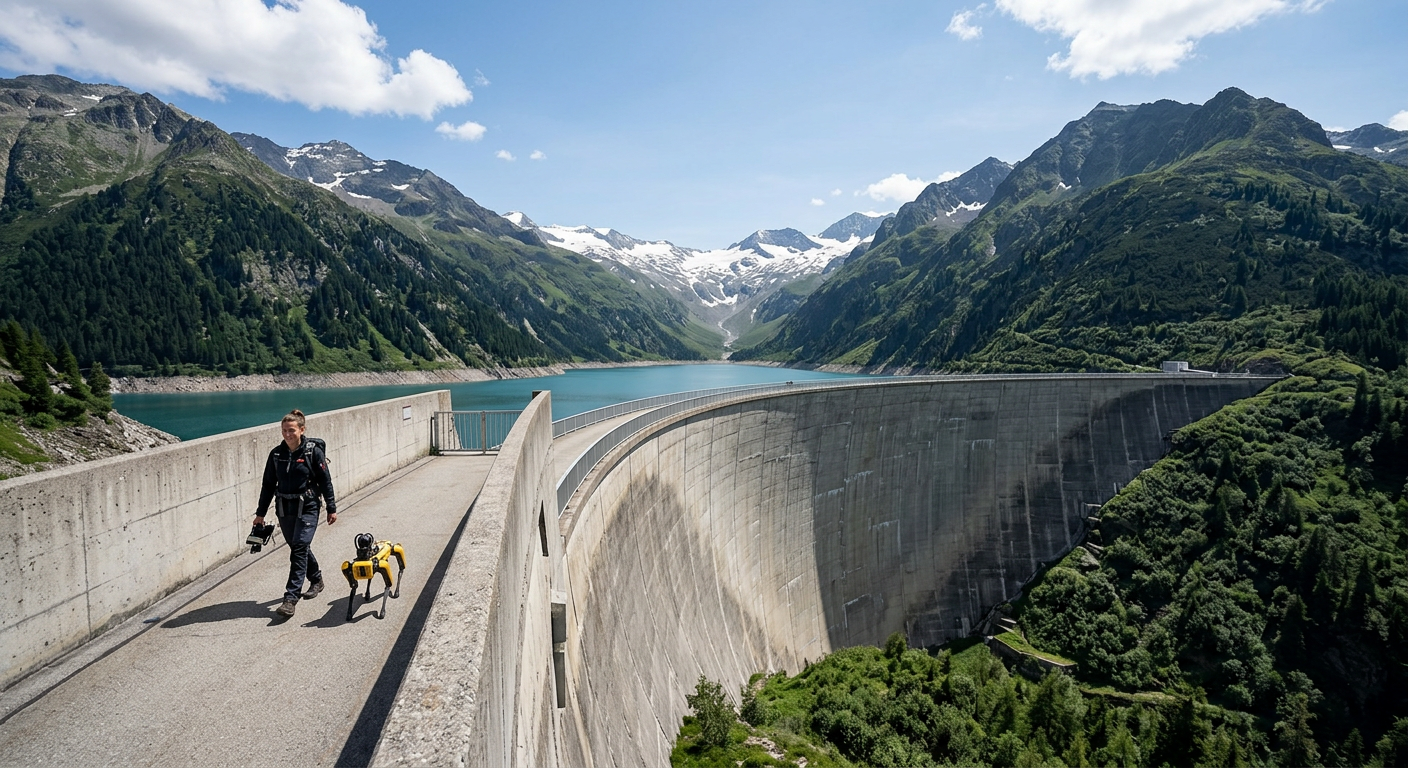
Sites sit far apart, links drop, and weather and terrain keep changing. A mobile robot needs reliable connectivity, asset context and a safe state to fall back on when the connection is lost.
Robots handle the repetitive inspection work, and your crews go out when a physical fix is needed.

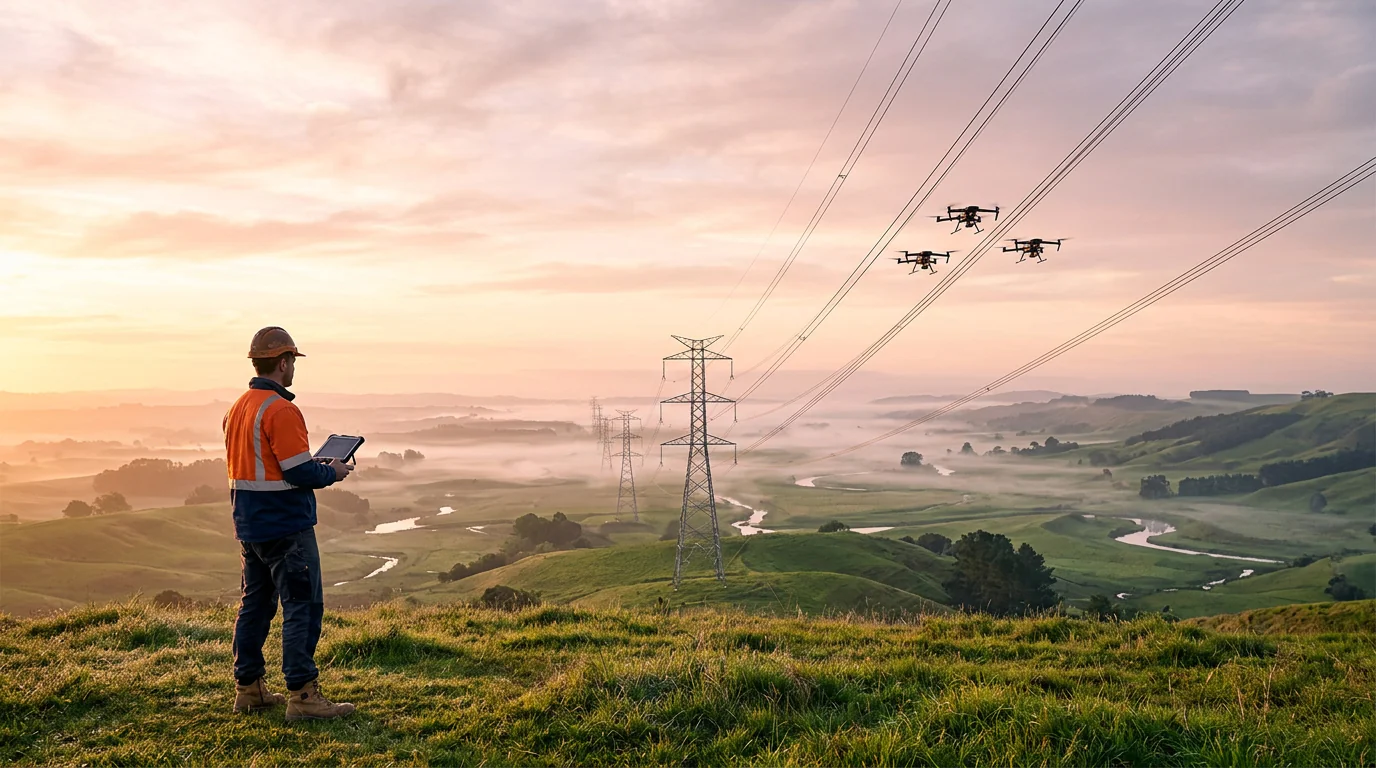
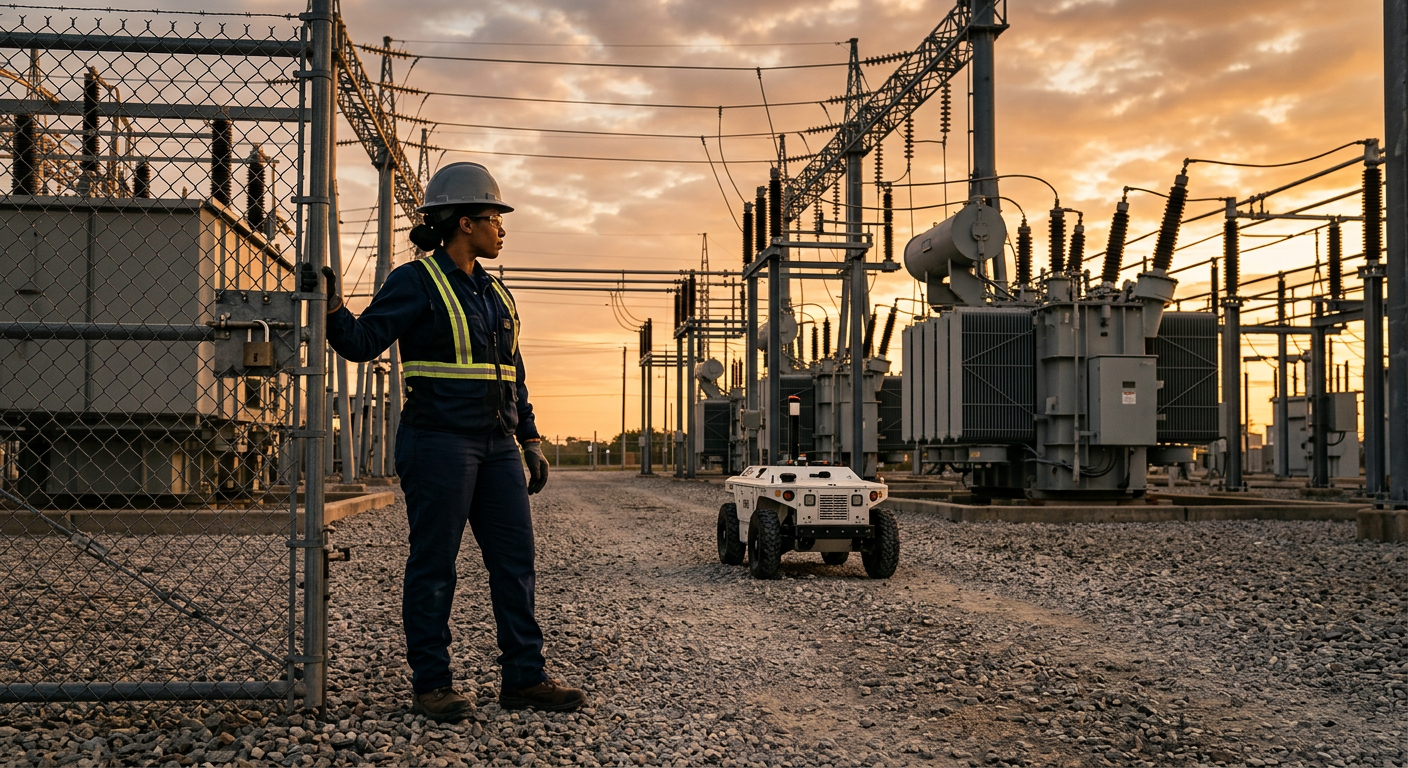
Robots run the routine rounds near energized equipment, so your technicians enter only for repair work.
Missions run on a set schedule or on demand, and findings reach the team the same day instead of after the next visit.
One specialist supervises several robots remotely and reviews readings from more substations each week.
Start with remote assistance on one route, then expand autonomy task by task as safety evidence builds.
How NTT DATA helps
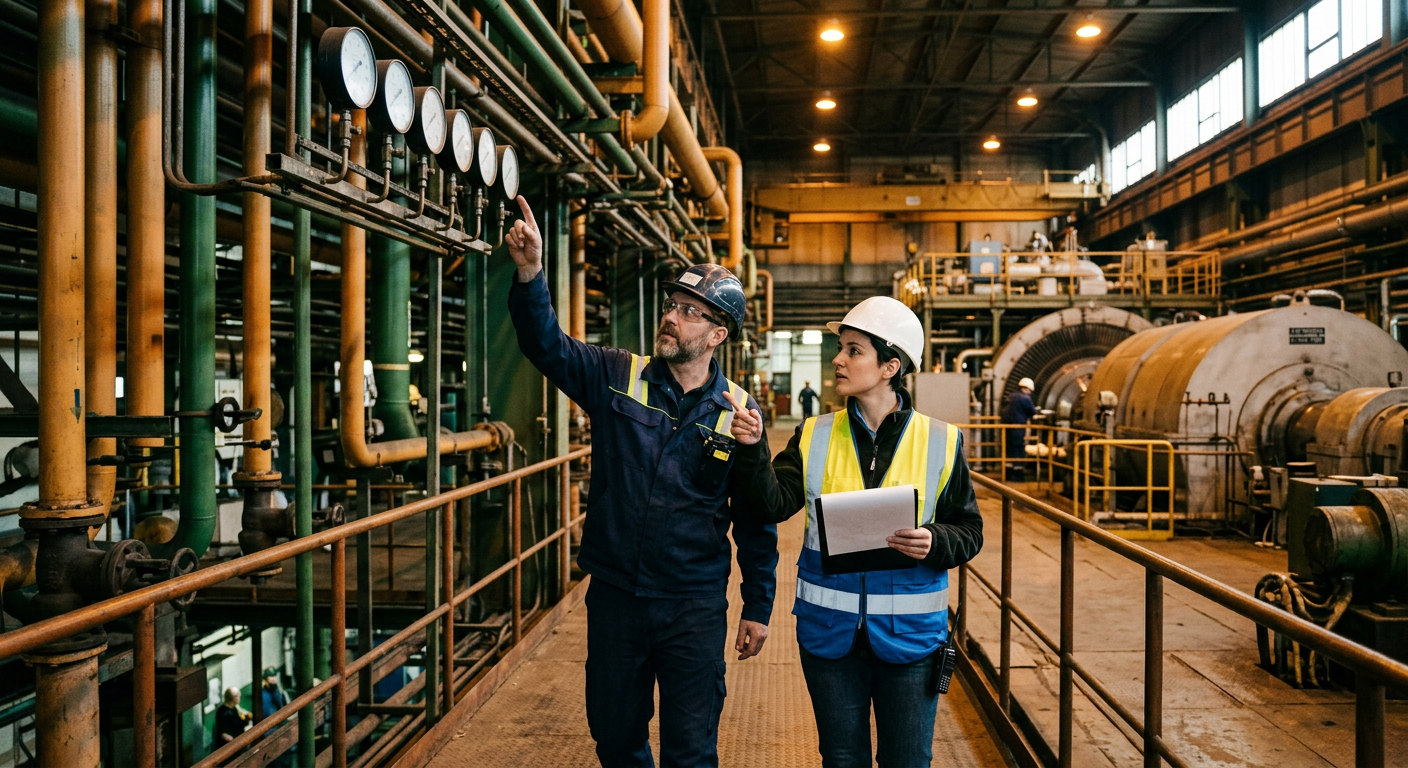
NTT DATA ranks your inspection tasks by hazard and repetition, and picks the routes where a robot returns value first.
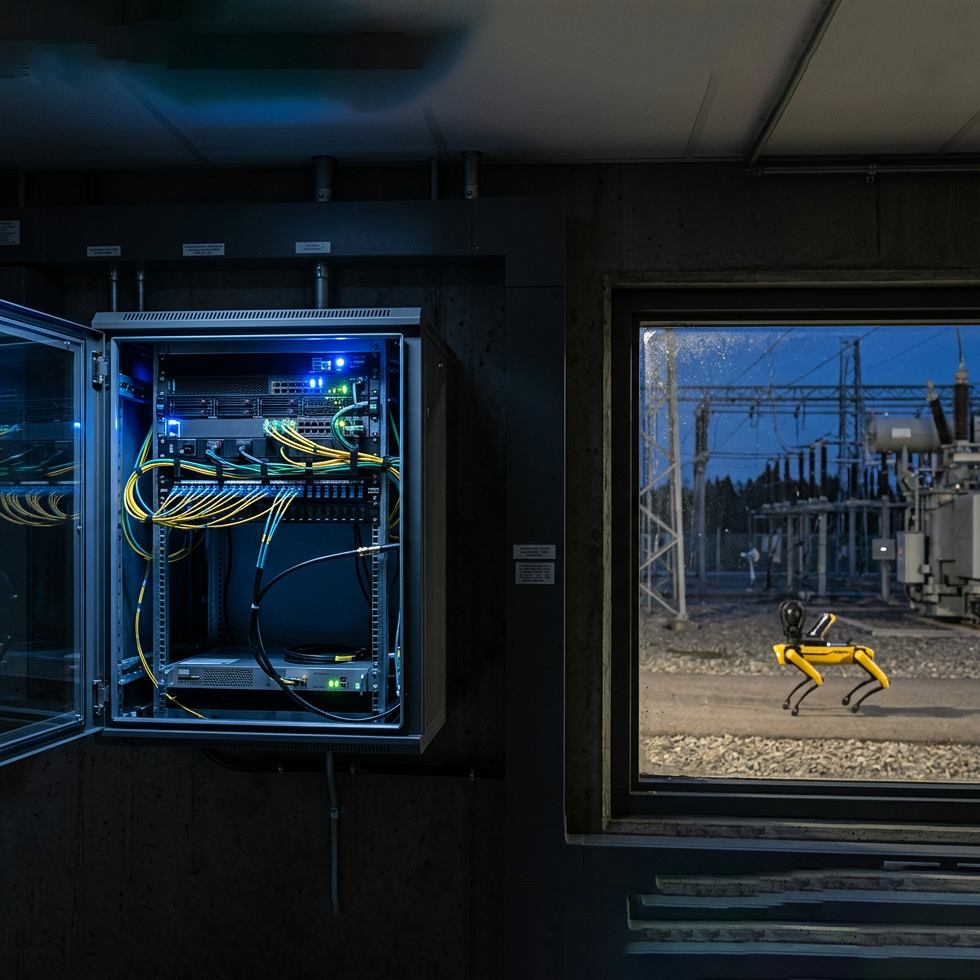
Robots link to edge compute and your operational platforms, so missions keep running and data keeps flowing when the backhaul weakens.
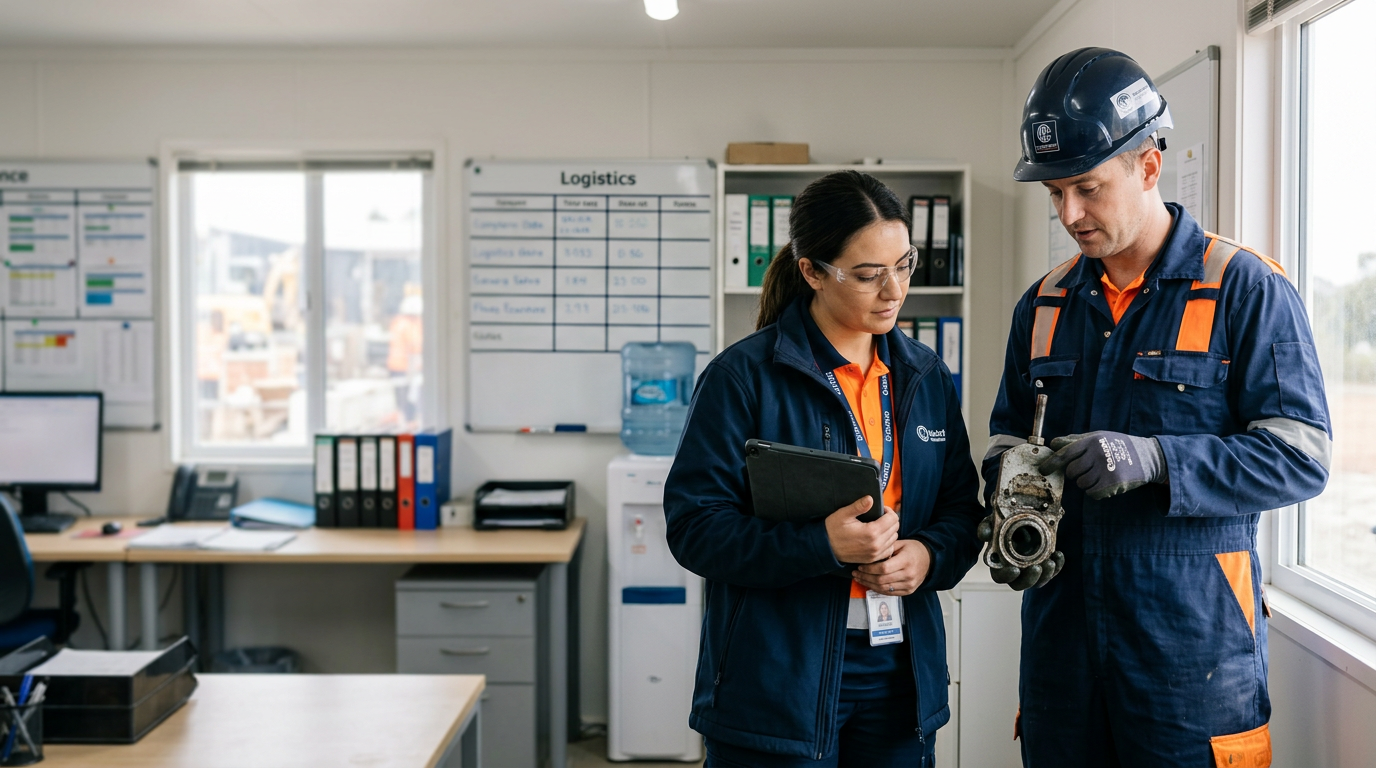
Each mission pulls asset context from your EAM system and raises or updates work orders automatically when a reading falls out of range.
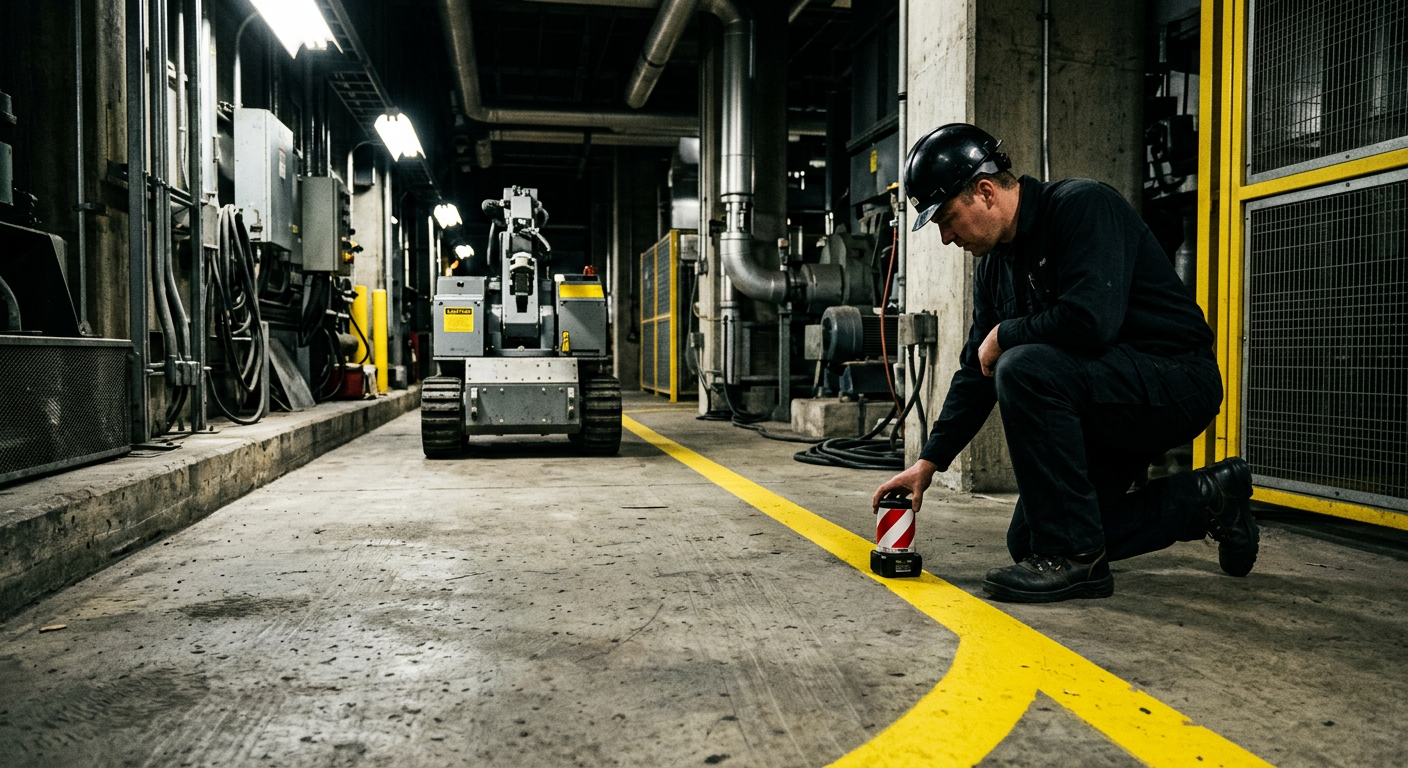
NTT DATA defines speed, zone and fallback rules plus remote supervision, so each robot reaches a safe state when the link drops.
Your teams get training, new procedures and managed support, so robotics becomes a normal part of operations across substations and plants.
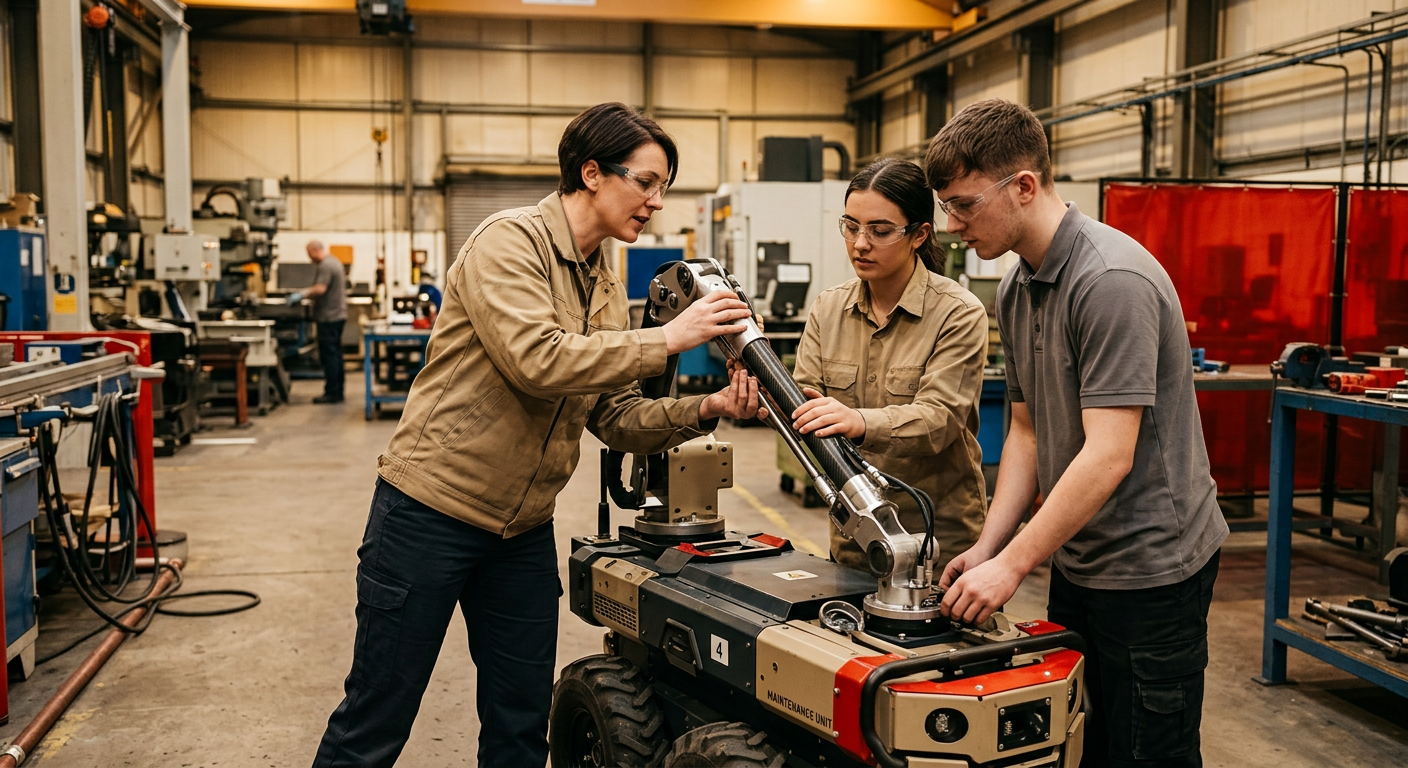
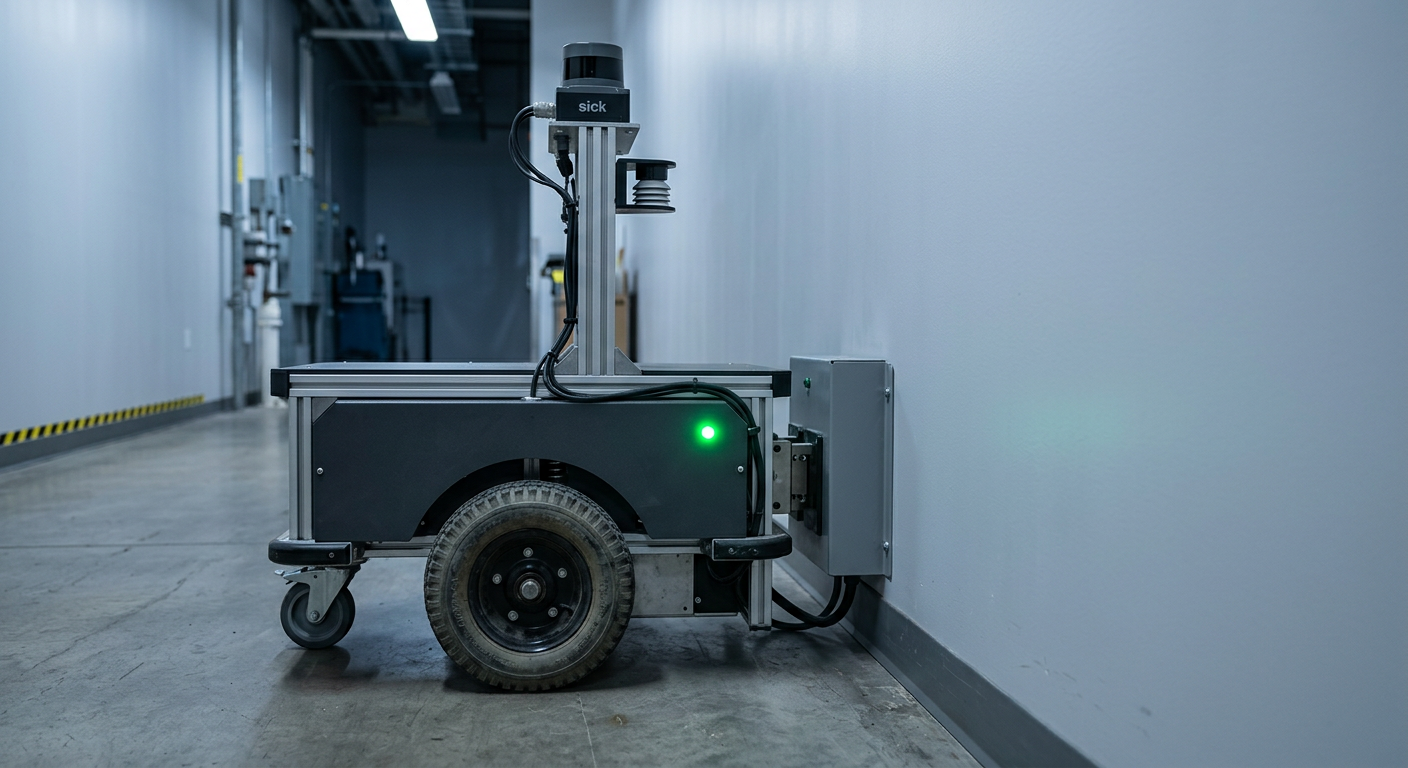
Robots cover the routine checks, and your crews spend their site time on repairs and on the decisions people make best.
Targets depend on your baseline, site layout and connectivity, and are tracked from the first controlled route onward.
Fewer entries into energized yards and hot plant areas for routine readings and visual checks.
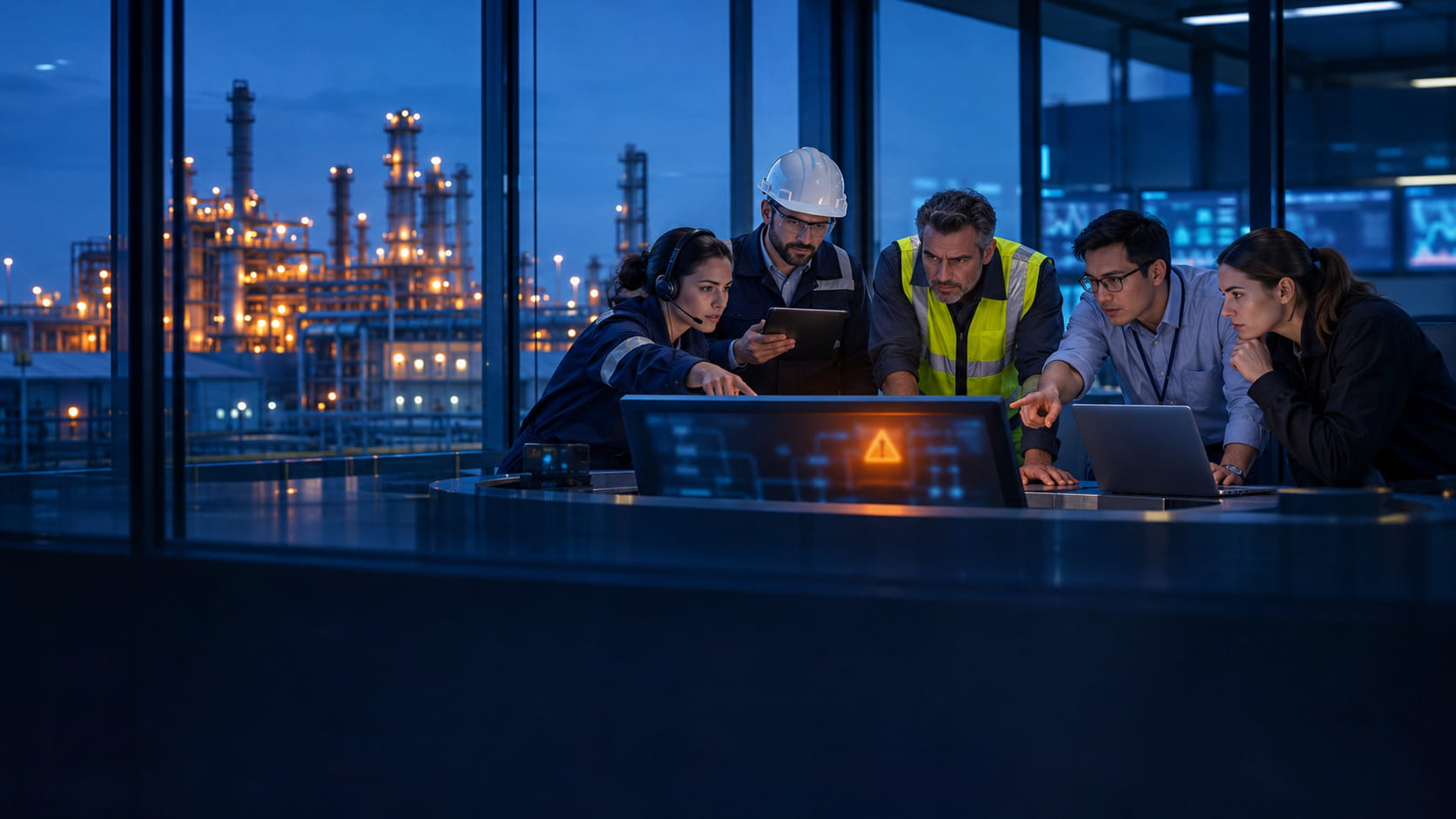
Operators see anomalies during the mission, days ahead of the next scheduled visit.
Remote supervision spreads scarce specialist time across more substations and plants.
Each route moves from remote assistance toward selective autonomy as safety data accumulates.
Lead the conversation that moves routine inspection in your substations and plants to autonomous robots.