- All Foundries

- Commodity Management & Trading

- Customer & Marketing Strategy

- Digital Engineering

- Station Studio

- Supply Chain & Industry 5.0

- Sustainability

- Physical AI

- Next-Gen Infrastructure











Who Can Reach Your Plant? Governing Third-Party and Remote Access in OT
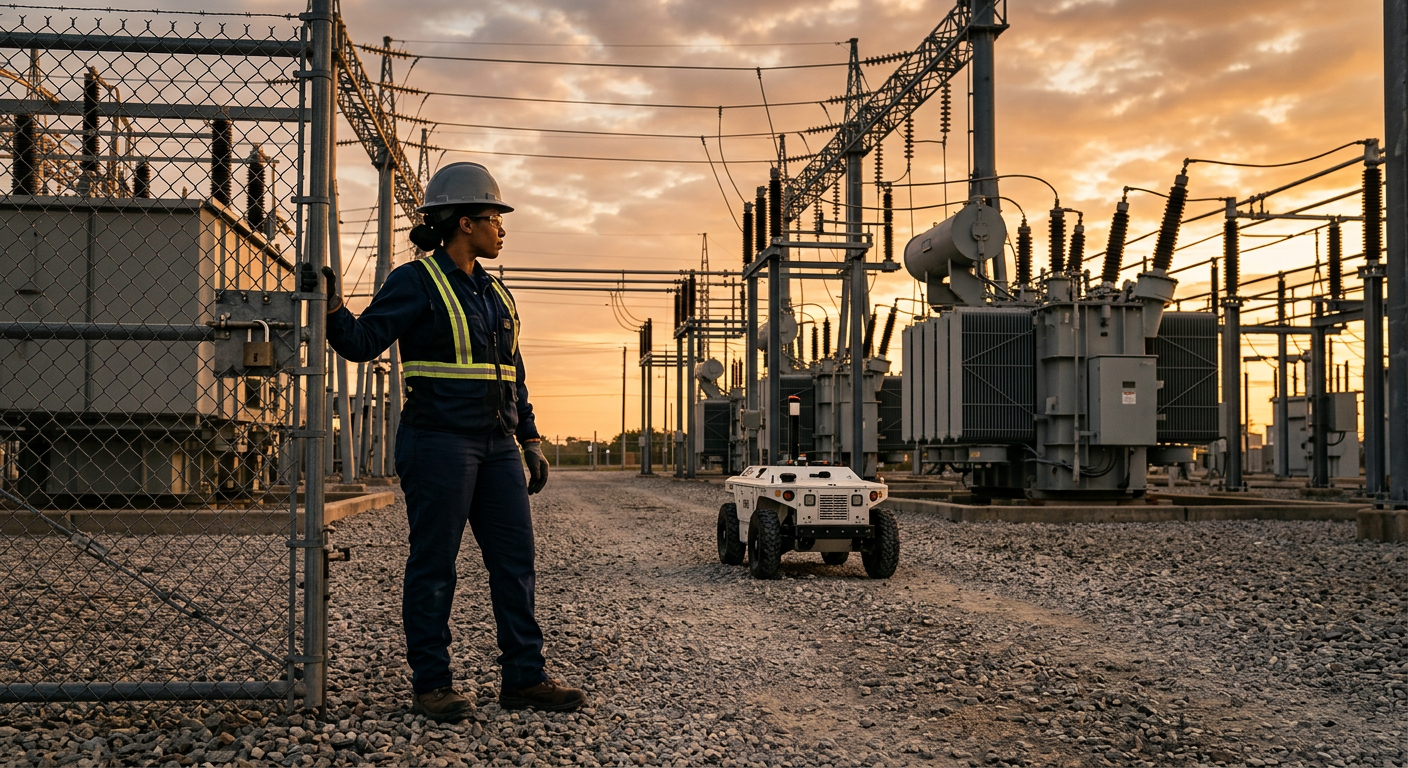
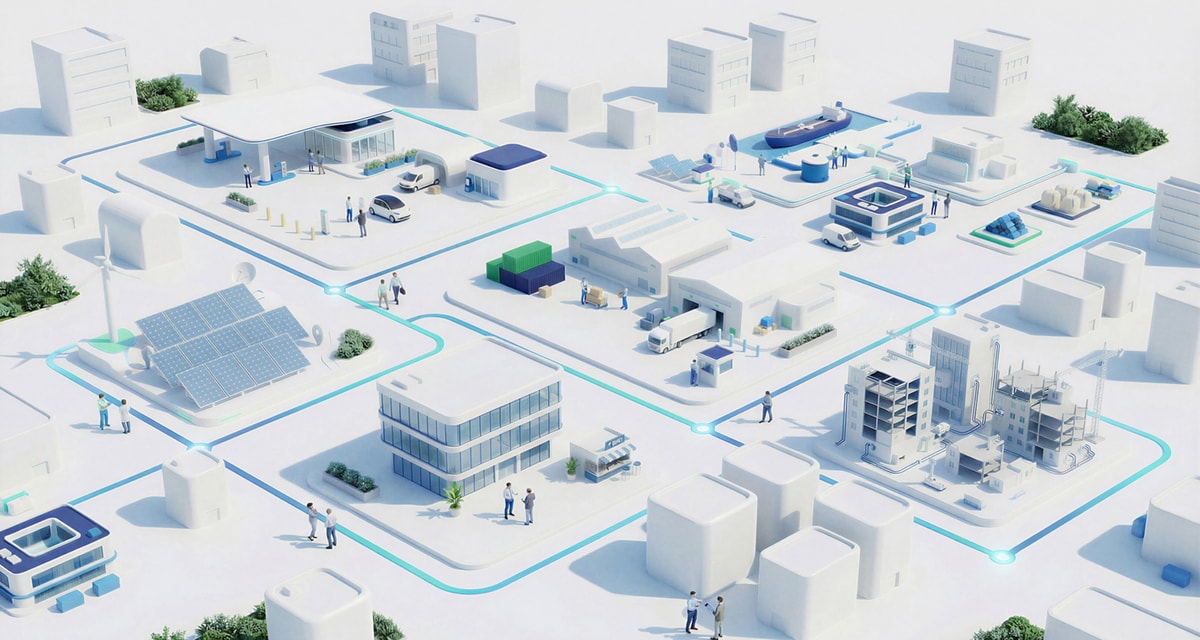
Modern factories and buildings rely on connected equipment, remote maintenance and external providers. Each connection can create an unmanaged path into the operational environment. The risk extends beyond data: compromised controls can stop production, damage equipment and put people at risk.
A coordinated security model helps industrial leaders see hidden exposure, prioritise action and respond without disrupting critical processes.

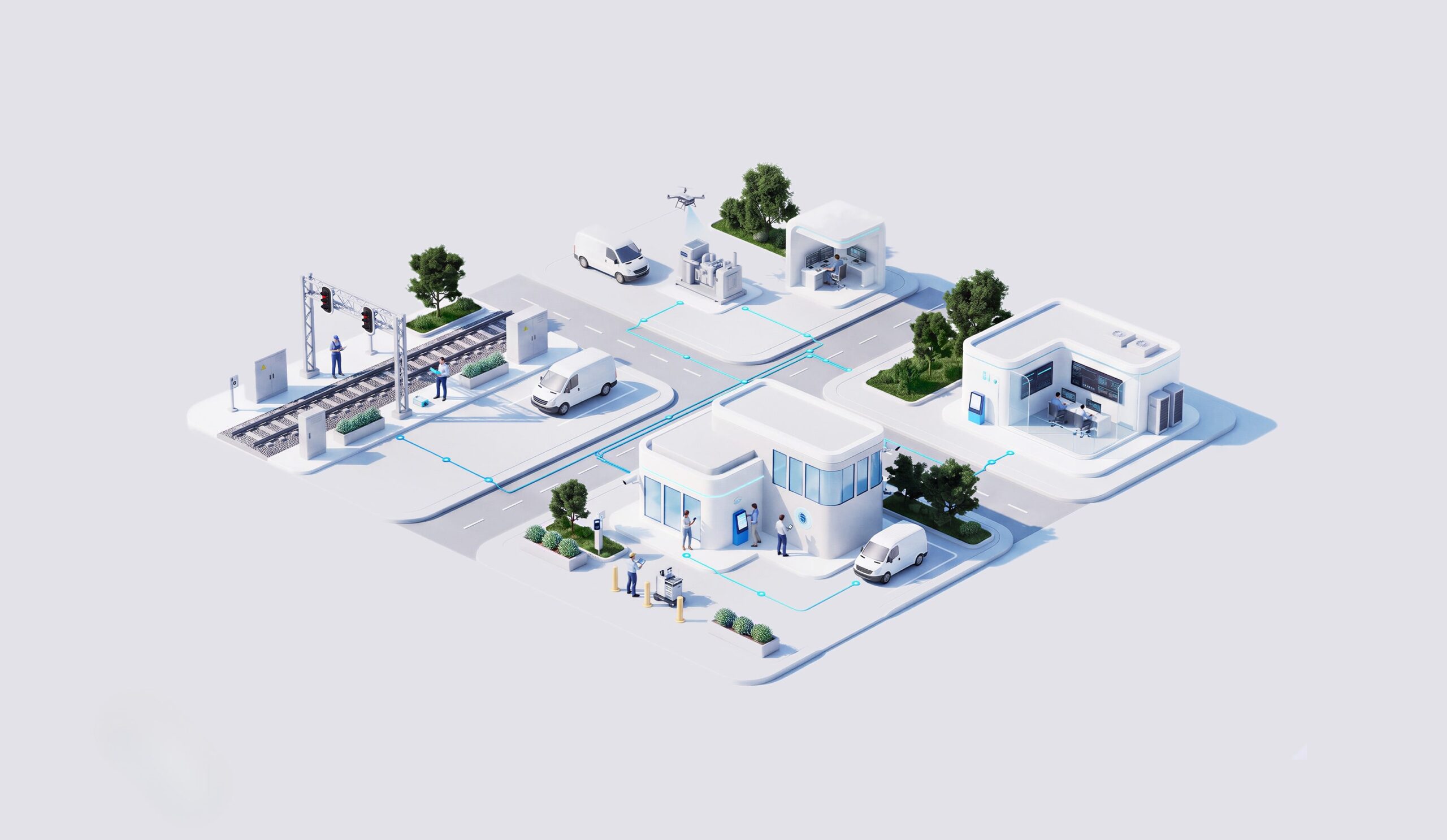
An accurate asset inventory and live network view expose temporary routers, personal devices and remote links that local teams may not know exist.
Vulnerabilities and access paths are assessed against process criticality, safety, availability and the practical constraints of the site.
Continuous passive monitoring highlights suspicious traffic and unusual behaviour without interfering with production equipment.
Clear incident workflows help site and security teams contain threats, protect critical processes and restore normal operations with less uncertainty.
How NTT DATA helps
Build a reliable inventory and network map so operational teams can see unmanaged devices, external access and dependencies across the facility.
Review architecture, network exposure, vulnerabilities, roles and processes in the context of safety, uptime and site constraints.

Prioritise actions by risk reduction, operational feasibility, cost and compliance needs, creating a practical path from immediate exposure to long-term resilience.

Improve segmentation, access control, remote maintenance and endpoint protection around the routes most likely to affect essential processes.

Combine passive monitoring, anomaly detection, incident workflows and recurring vulnerability review so teams can identify and act on risk earlier.


Source cases show how visibility and continuous monitoring can reveal unnoticed access paths, vulnerabilities and anomalous activity before they escalate.
Early evidence from building and industrial environments shows faster discovery of exposure and more actionable prioritisation. Broader business outcomes still require validation.
Monitoring introduced in a building automation environment identified external activity associated with a high-risk source only days after deployment.
The investigation linked the activity to a temporary remote-maintenance router that the building team had not included in its view of the environment.
In an industrial proof of concept, vulnerabilities were identified after only a few hours and addressed by operational and security personnel.
At an industrial site, a complete operational asset inventory was available after a couple of days, alongside the detection of anomalies and threats.
Strengthen visibility, response readiness and operational resilience before an unnoticed connection becomes a business interruption.