- All Foundries

- Commodity Management & Trading

- Customer & Marketing Strategy

- Digital Engineering

- Station Studio

- Supply Chain & Industry 5.0

- Sustainability

- Physical AI

- Next-Gen Infrastructure












Accelerating quadruped inspection for earlier fault detection
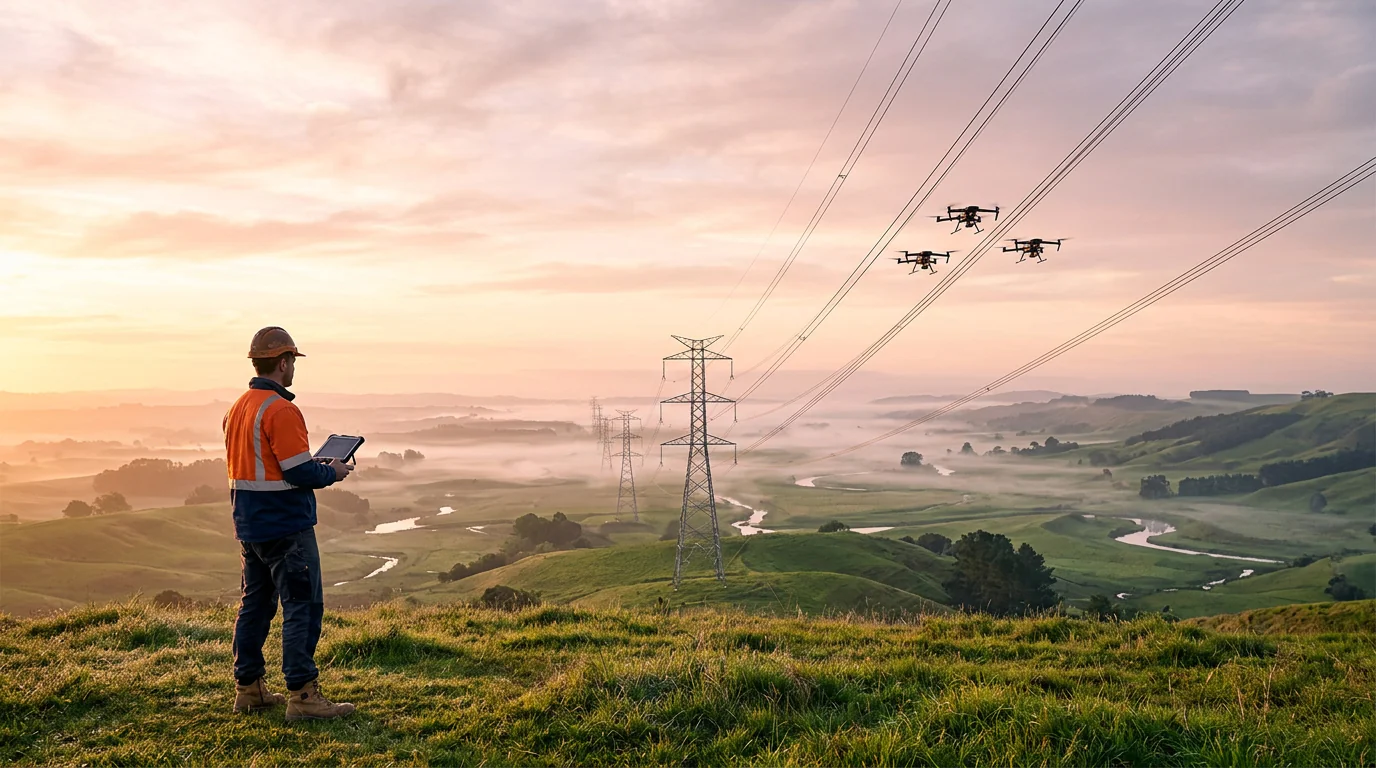
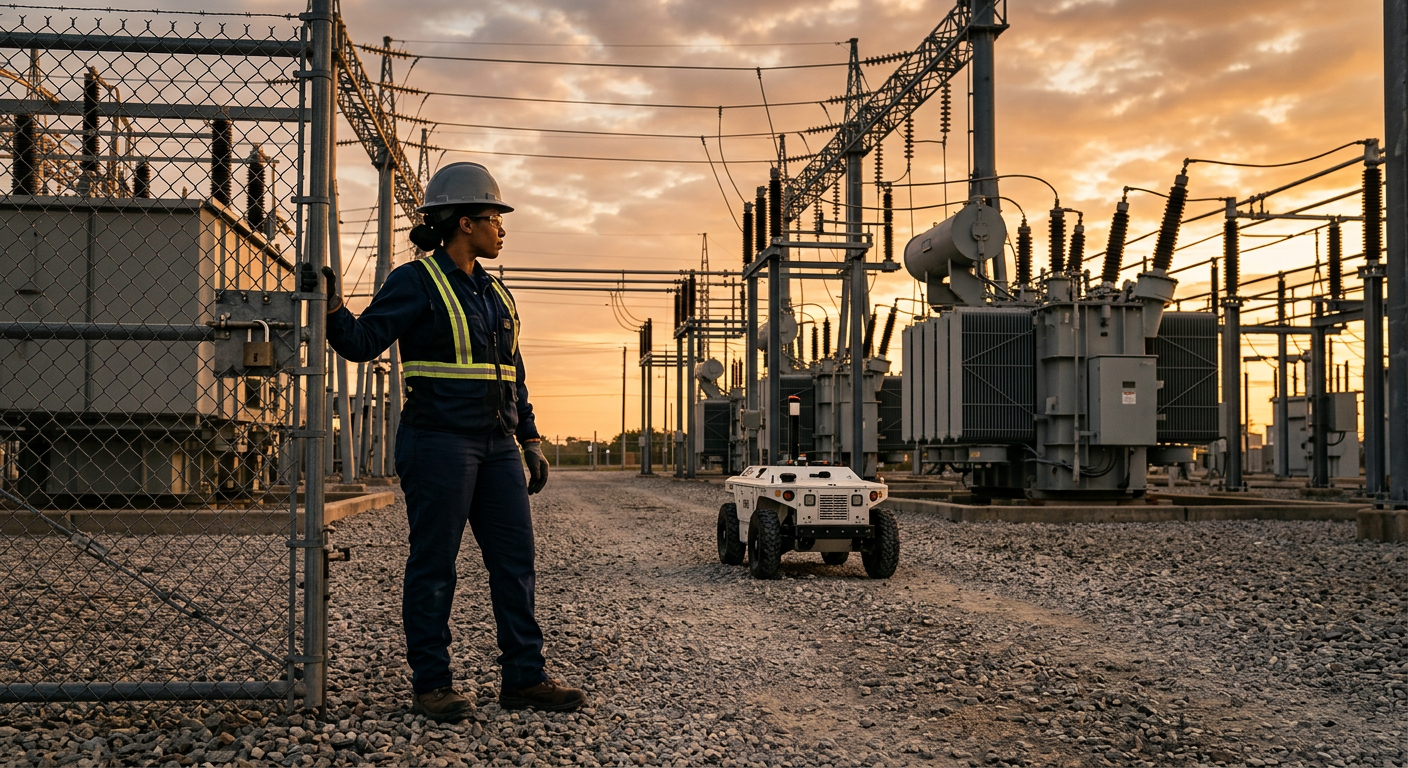
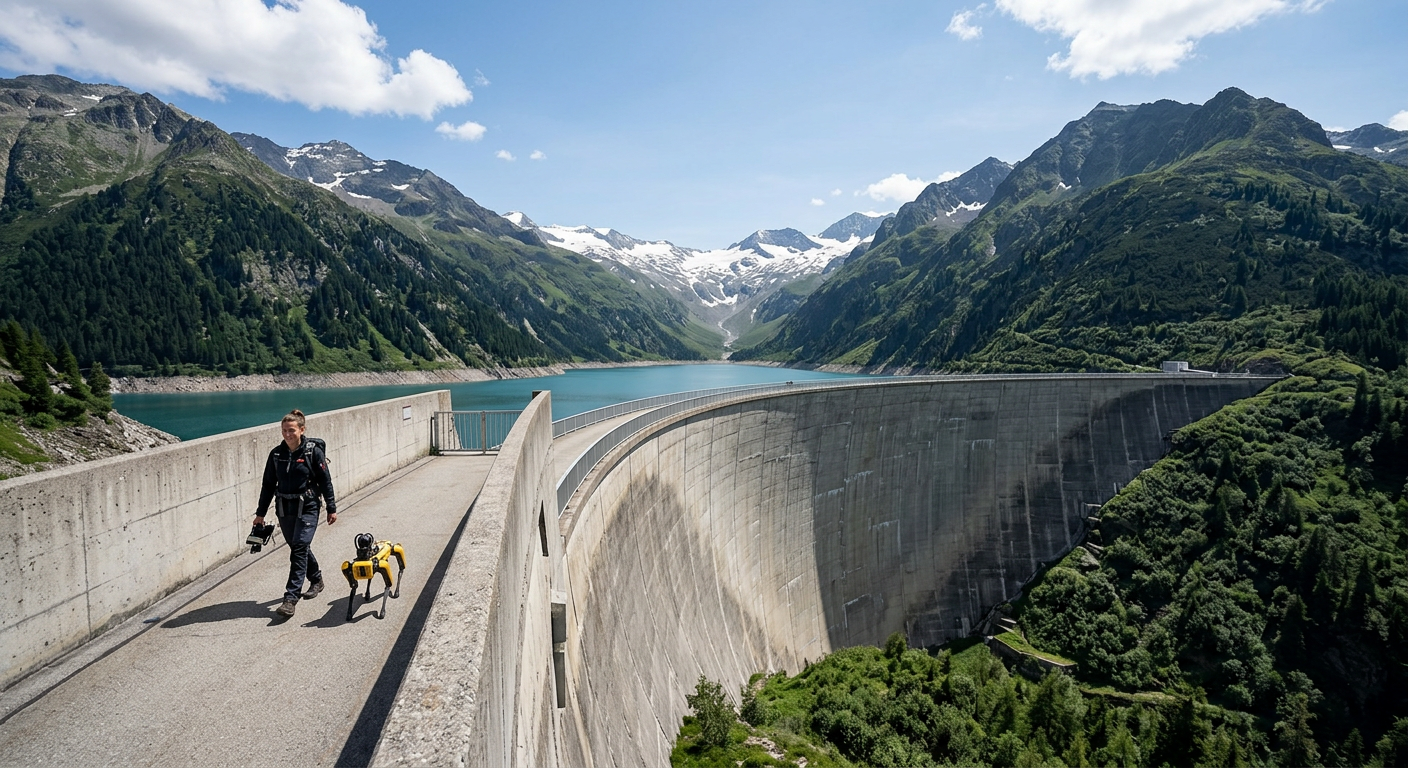
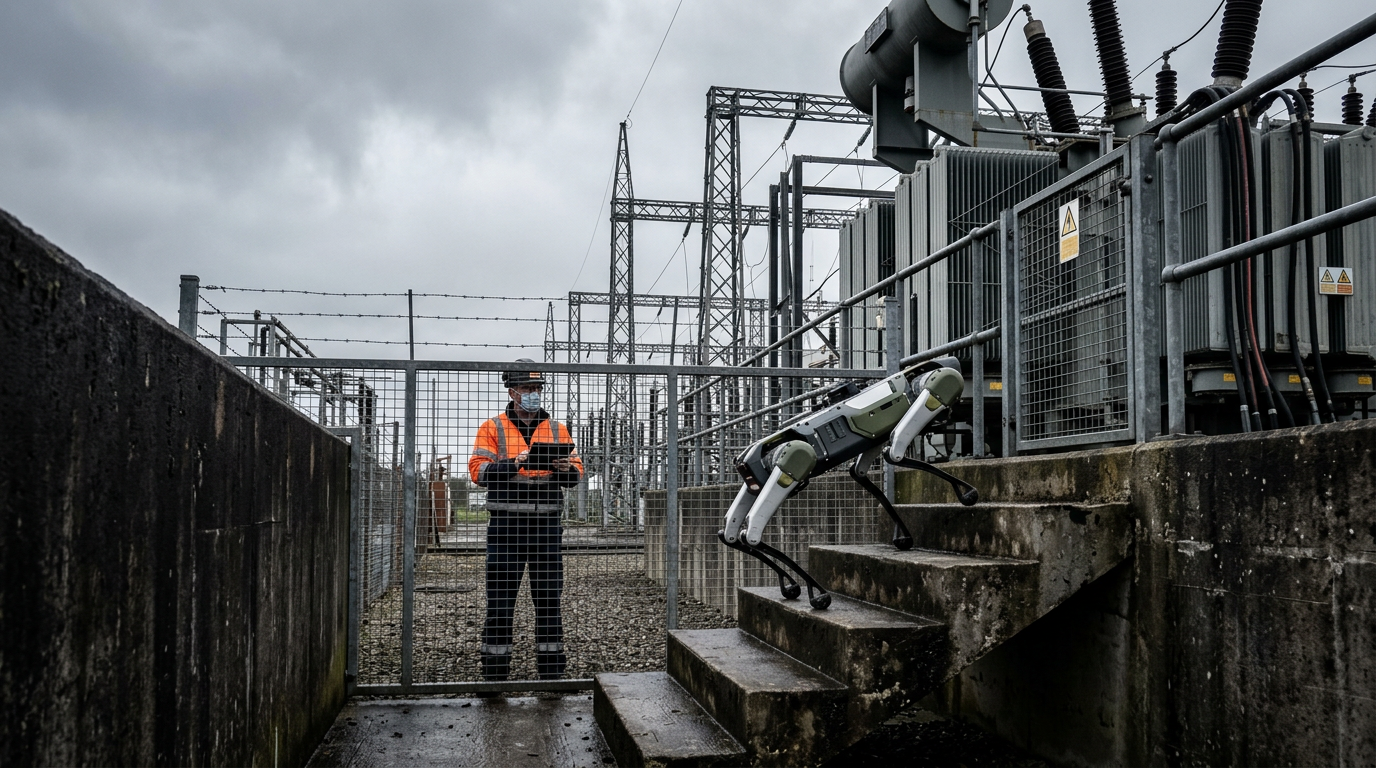
Many inspection points sit where wheeled robots struggle and people face arc-flash risk. A quadruped follows set routes and checkpoints over rough ground, and an operator confirms each anomaly before anyone goes on site.
One robot carries four sensing modes, so a single round catches visual, thermal and electrical signs of trouble.

The robot reaches energized bays and rough ground, and your technicians step in after a confirmed finding.
Autonomous routes repeat the same checkpoints the same way, which makes readings comparable week after week.
Thermal hot spots and partial-discharge signals reach the control room during the round, with images attached.
Routes, checkpoints and anomaly rules carry over to the next site with little rework.
How NTT DATA helps
Quadruped robotics with RGB vision, 3D LiDAR, thermal imaging and partial-discharge sensing, configured for your equipment and risks.
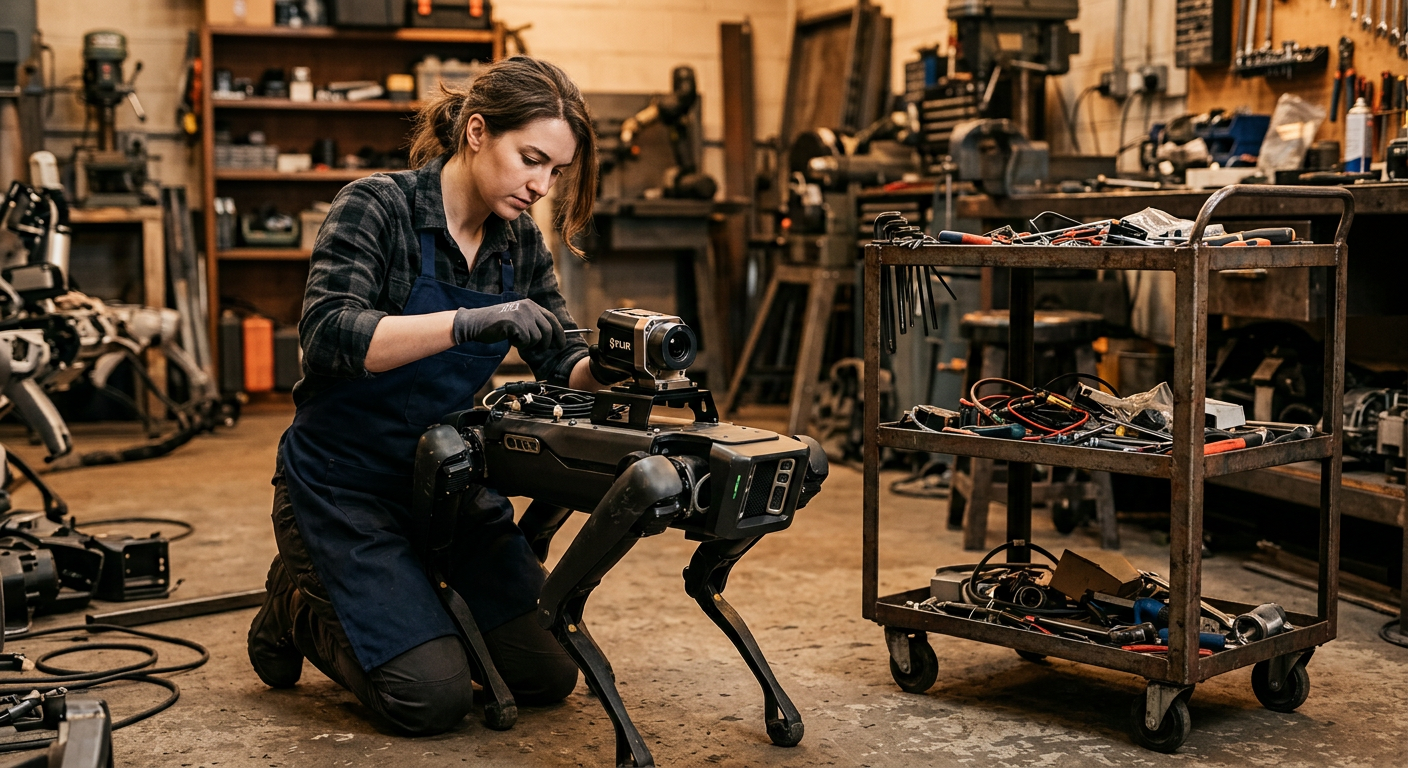
3D LiDAR maps the yard, and NTT DATA defines the autonomous inspection routes, stop points and the reading each checkpoint needs.
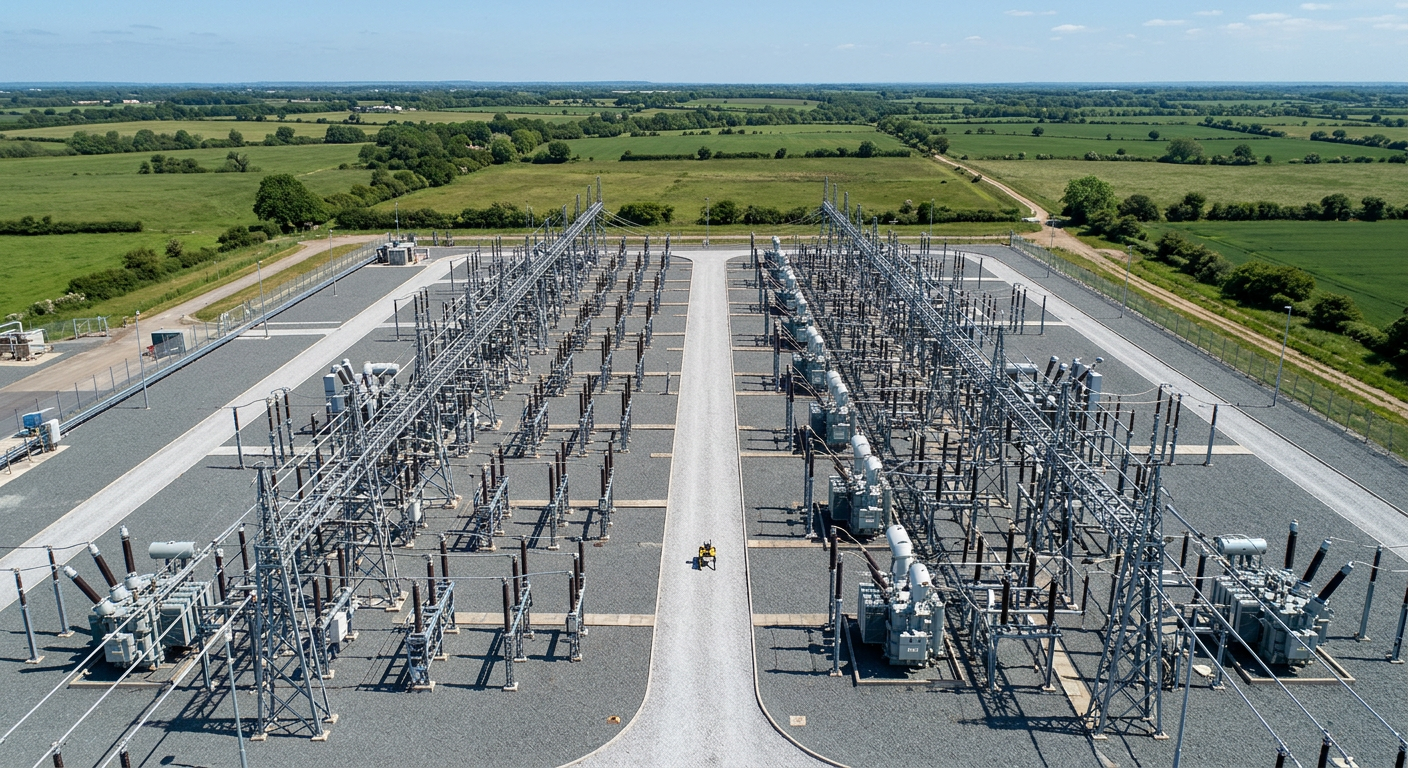
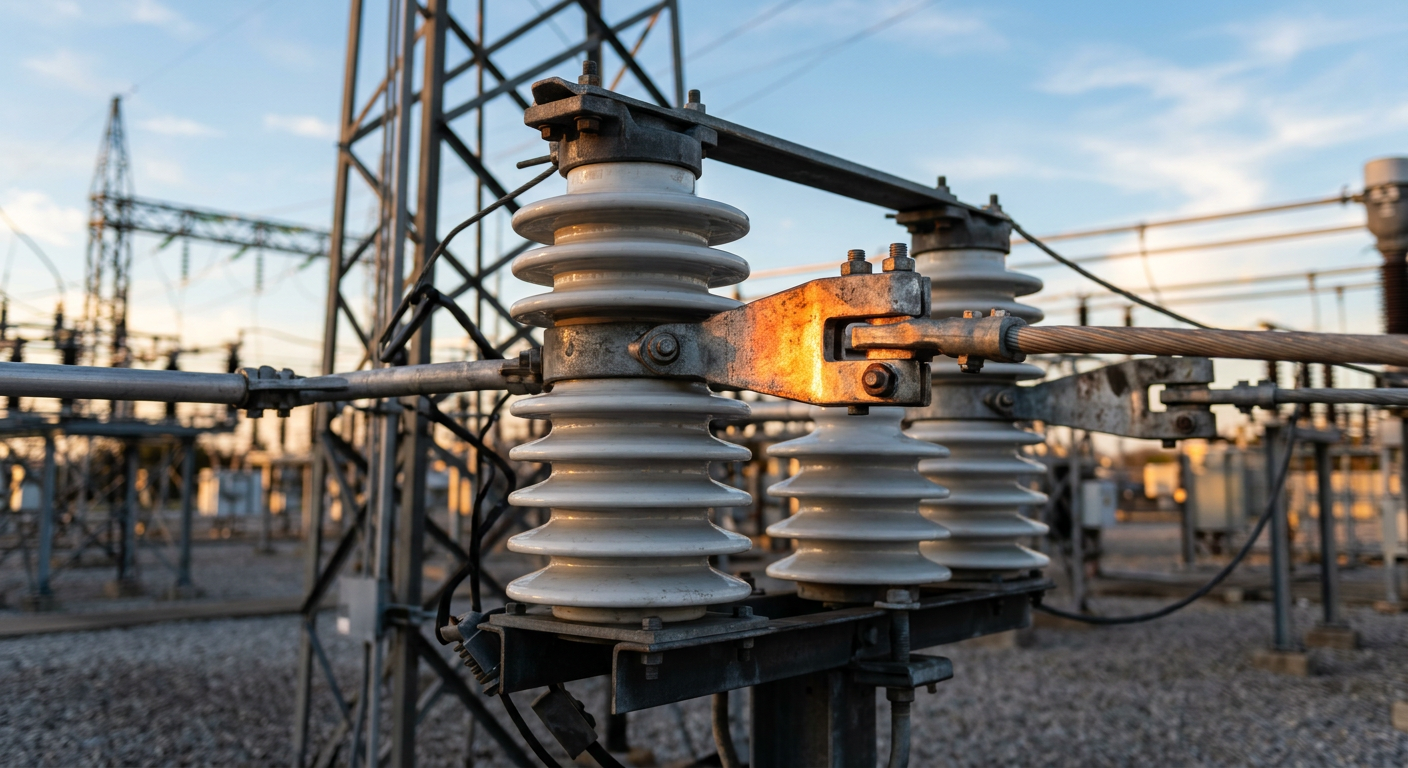
Computer vision and thermal analysis compare each reading with its baseline and flag gauges, connectors or insulators out of range.
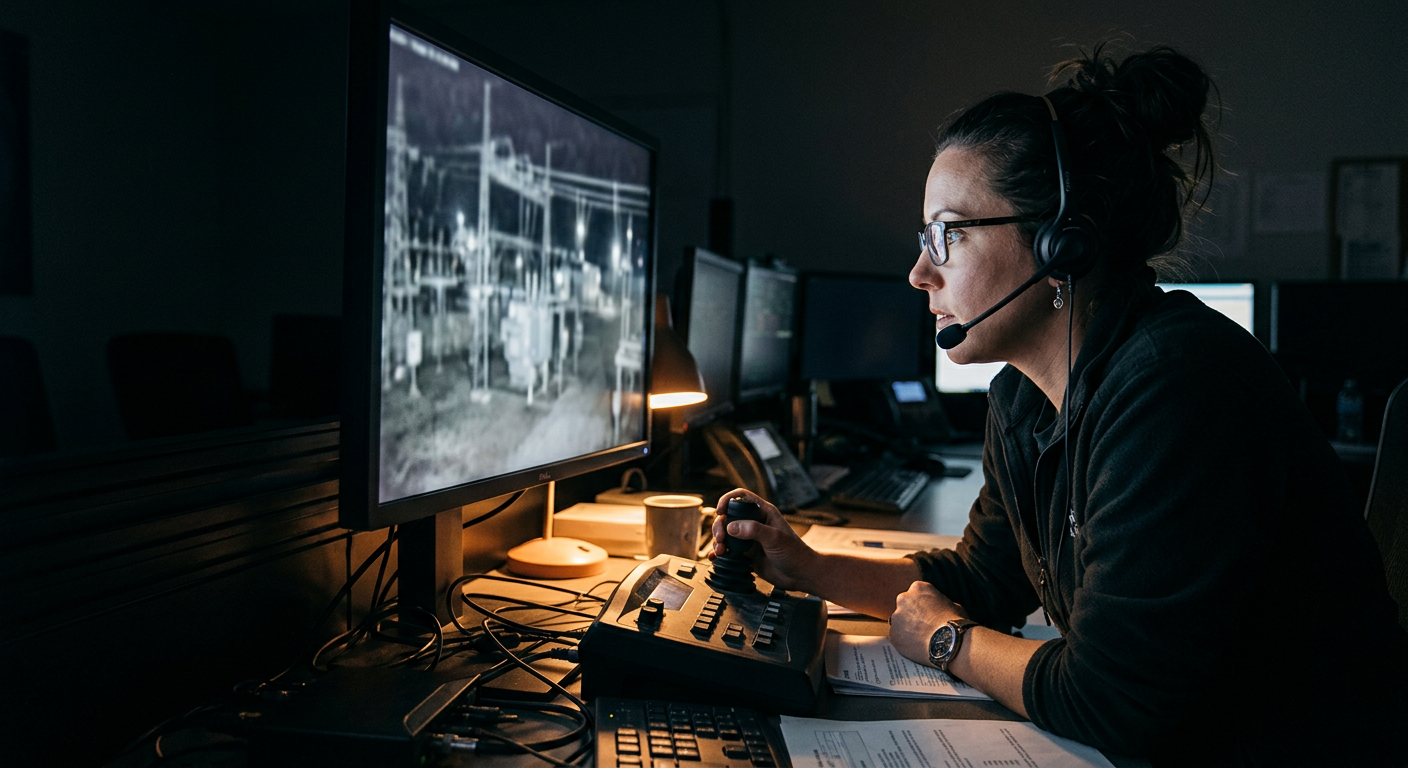
Control-room teleoperation lets an operator steer the robot for a closer look and confirm a finding before a crew drives out.
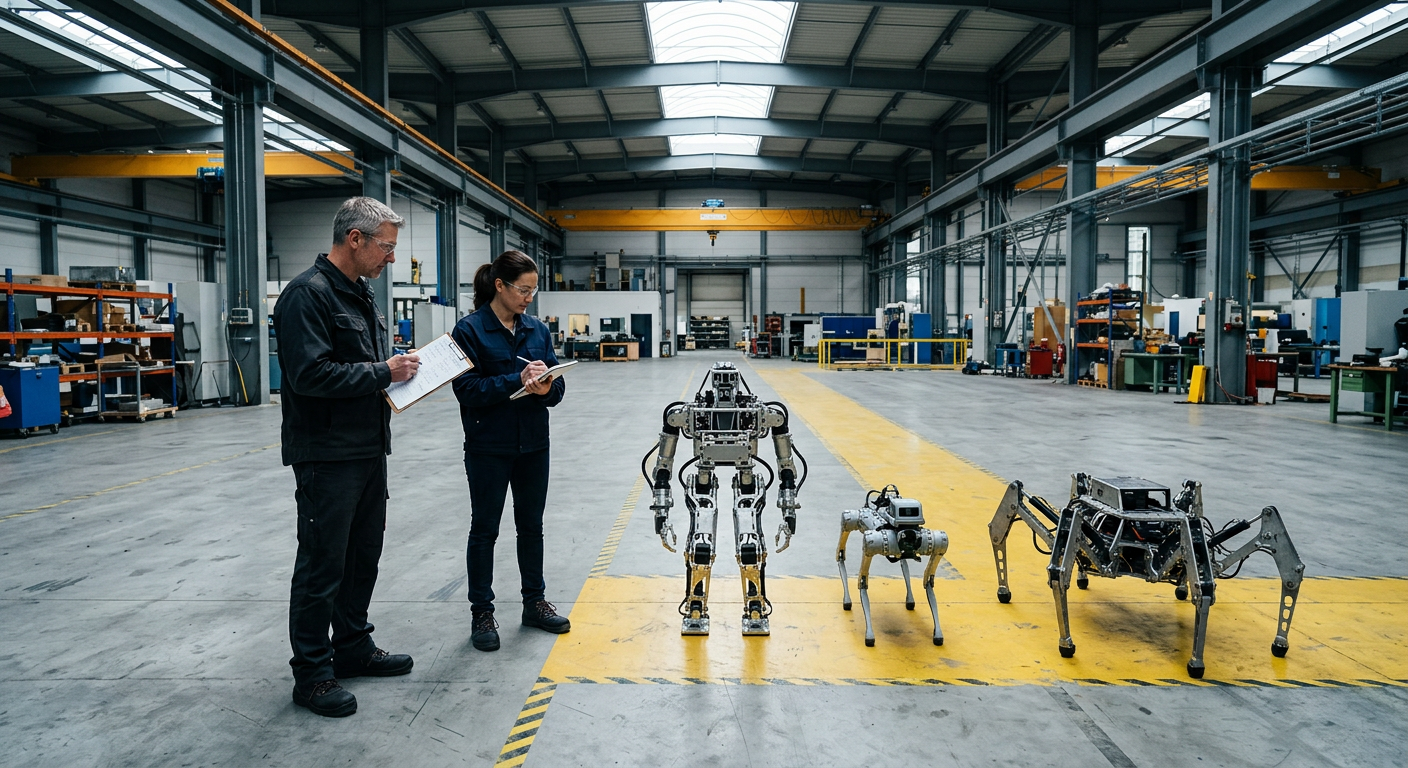
NTT DATA evaluates robot and sensor platforms from different suppliers and fits the combination your substations need.
The pattern pairs autonomous rounds with human checks, ready to validate on your own substations against your own baselines.
Objectives come from your current inspection data and get validated route by route in a controlled pilot.
Routine high-voltage checks move to the robot, and crews enter energized areas for confirmed work.
The same checkpoints get read the same way on every round, by schedule or on demand.
Thermal and partial-discharge findings reach the control room with evidence while the robot is still on site.
Routes, rules and integrations scale from the first substation to the rest of your network.
Start the dialogue that brings autonomous quadruped inspection to your high-voltage substations.