- All Foundries

- Commodity Management & Trading

- Customer & Marketing Strategy

- Digital Engineering

- Station Studio

- Supply Chain & Industry 5.0

- Sustainability

- Physical AI

- Next-Gen Infrastructure







When the Alert Reaches the Plant Floor: Who Decides What Happens Next?
In an operational environment, the next action may affect systems that support production, infrastructure or essential services. Security teams need more than a technical signal. They need asset criticality, process dependencies, availability constraints and a clear escalation path before containment can begin.
An OT-aware response model turns technical detection into governed action, helping teams protect continuity while moving towards a controlled recovery.

Combine the alert with asset criticality, industrial process dependencies, network architecture and known vulnerabilities before deciding what action is appropriate.
Define who investigates, who assesses operational impact, who authorises containment and who decides when systems can safely return to service.
Give security, engineering and operations a shared basis for selecting measures that address the threat while respecting availability constraints.
Connect containment with system restoration, control validation, business continuity and lessons that strengthen readiness for the next event.
How NTT DATA helps
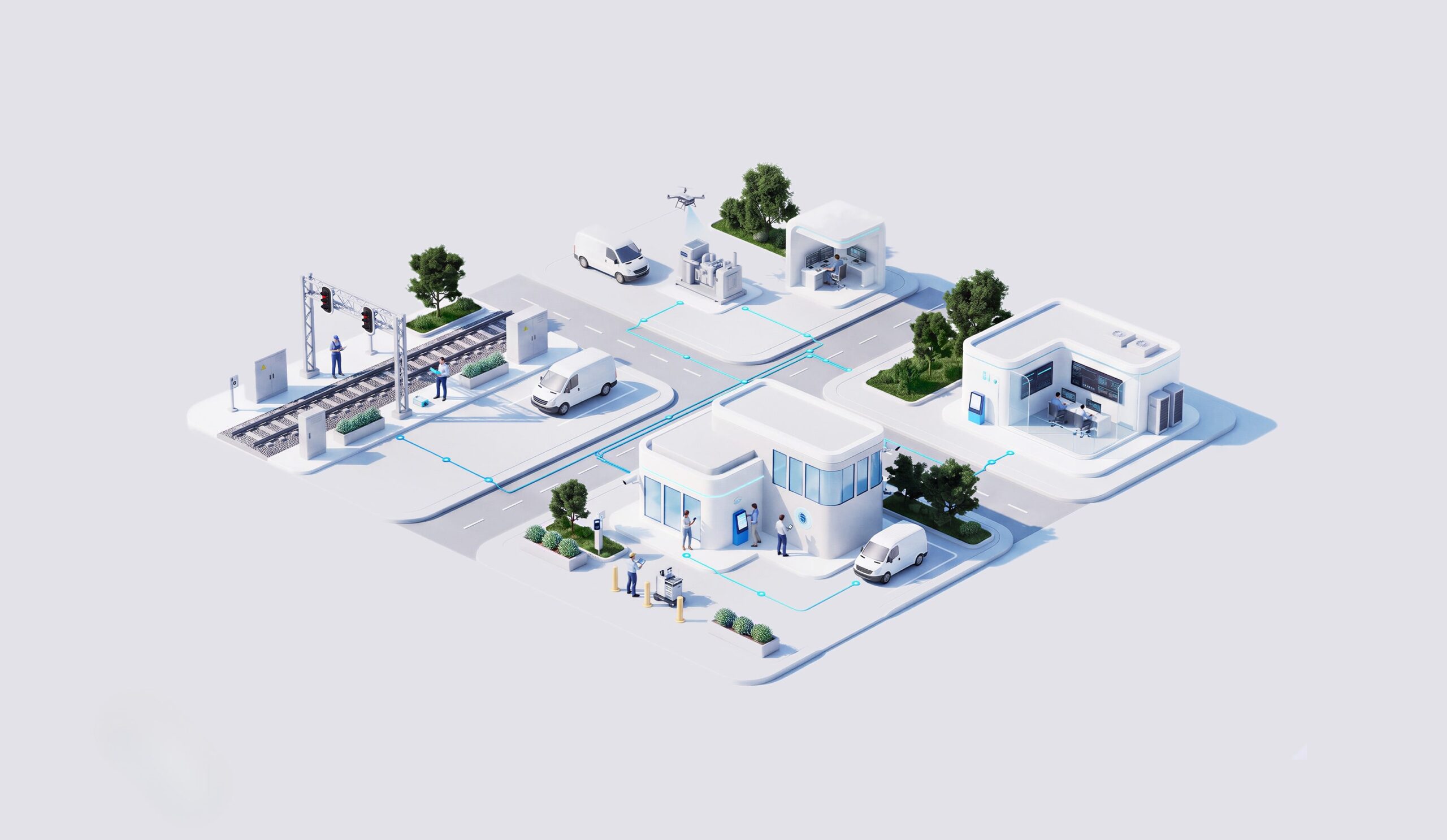
Bring together security alerts, affected assets, process dependencies, vulnerabilities, access paths, escalation status and recovery actions in one operational view.

Enable security analysts, OT specialists, engineering and operations to interpret the same event through both cyber and industrial context.

Establish in advance who investigates, assesses impact, authorises containment, coordinates recovery and approves a safe return to service.

Structure actions around compromised identities, access routes, affected systems and control validation while accounting for operational availability.

Use drills, simulations and documented lessons to refine detection, escalation, decision-making and recovery before the next incident.


Documented engagements across manufacturing, transmission and critical infrastructure show how monitoring creates more value when it is joined to operational context, accountable decisions and recovery readiness.
Public cases demonstrate progress from distributed visibility and central analysis to incident containment, system recovery and stronger preparedness.
Continuous network and device monitoring, consolidated OT oversight and integration with central security operations created a consistent view across a globally distributed manufacturing environment.
Automated asset inventory and consolidated risk monitoring supported targeted network improvements, reduced troubleshooting and forensic work, and helped teams respond earlier to potential vulnerabilities.
Delivered with one full-time equivalent, the programme combined event visibility, central analytics, industrial network testing, vulnerability assessment and incident-response preparation.
The response assessed impact, contained the immediate threat, investigated compromised identities and access paths, recovered affected workstations and servers, and reviewed the controls protecting the environment.
Define the operational context, authority and recovery path your teams need before a cyber event reaches critical operations.