- All Foundries

- Commodity Management & Trading

- Customer & Marketing Strategy

- Digital Engineering

- Station Studio

- Supply Chain & Industry 5.0

- Sustainability

- Physical AI

- Next-Gen Infrastructure











Real-Time Early Warning for Drinking Water Contamination
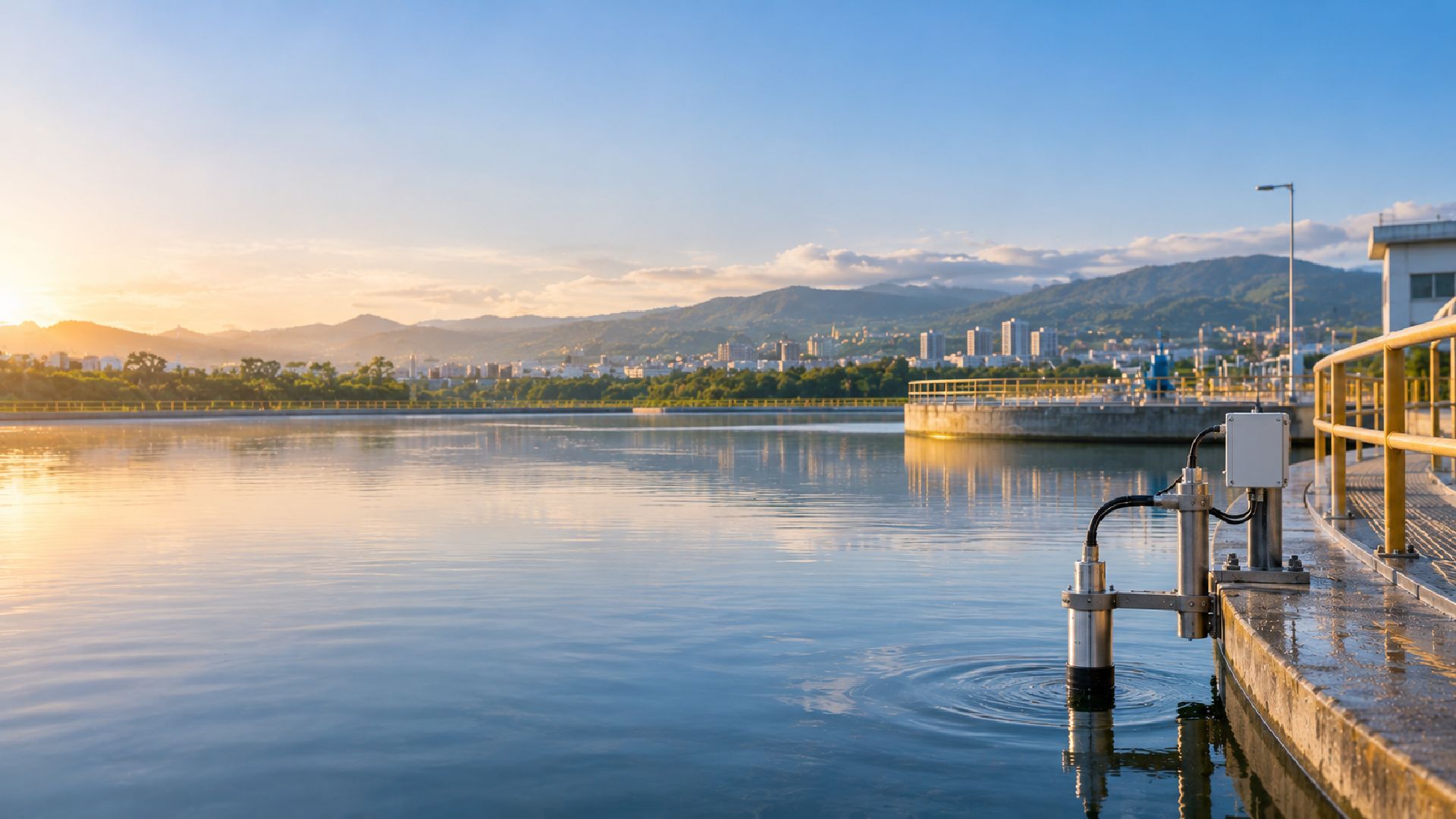
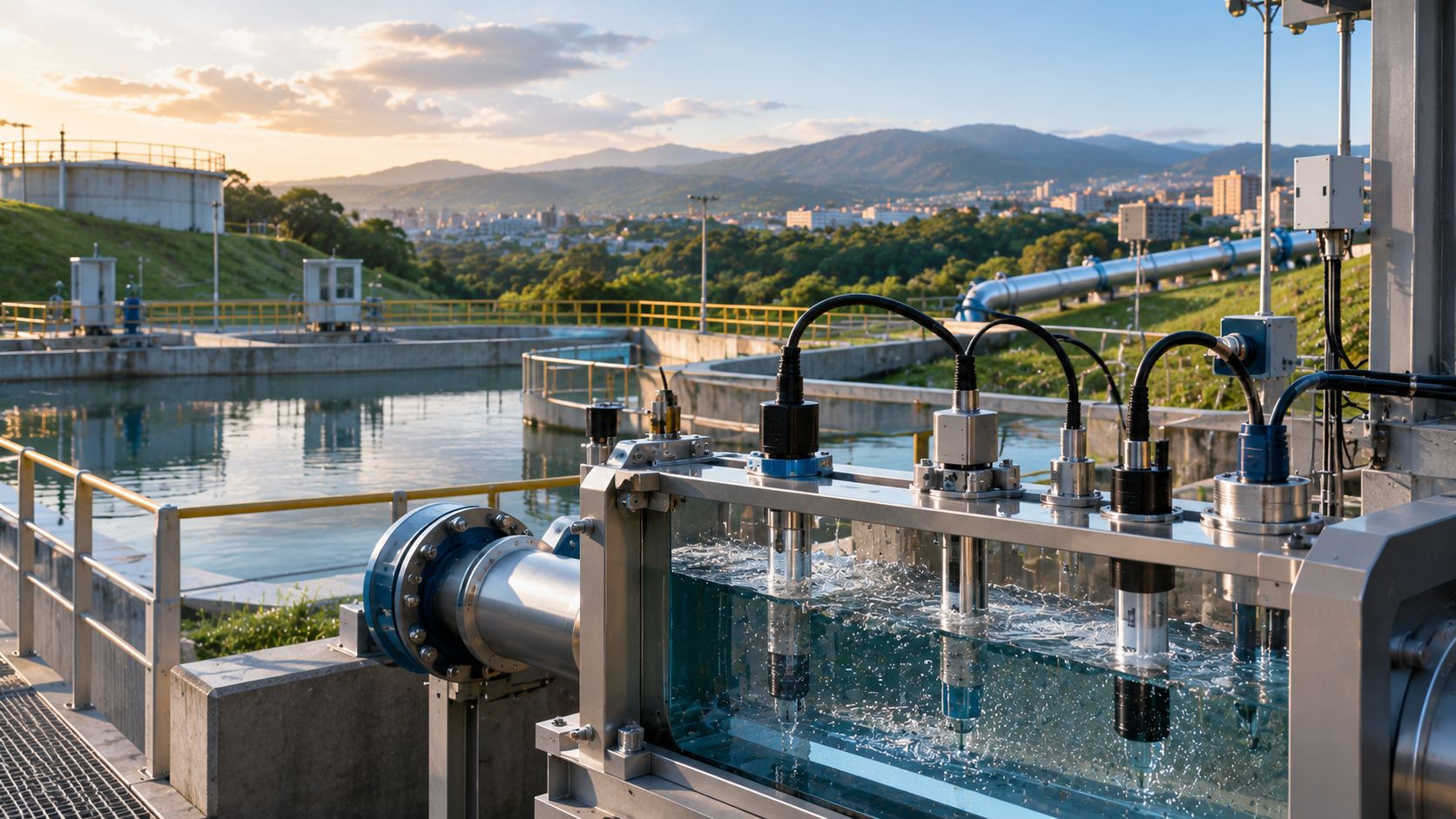
Drinking-water quality controls must distinguish normal variation from conditions that could indicate an accidental or intentional contamination event. Laboratory sampling remains essential, but by itself cannot provide continuous visibility of fast-moving changes across a distributed supply system. NTT DATA combined connected field probes, remote event processing and multi-parameter correlation to analyse abnormal signatures, with machine-learning methods used to improve detection logic over time. The distributed architecture also allowed alerts to be compared across monitoring points geographically and over time.
The system had to maintain reliable data from distributed probes while separating meaningful anomalies from normal operational and seasonal variability. Detection could not depend on isolated sensor thresholds, so several physico-chemical parameters had to be correlated and the logic had to improve as more operational data and observed cases became available.
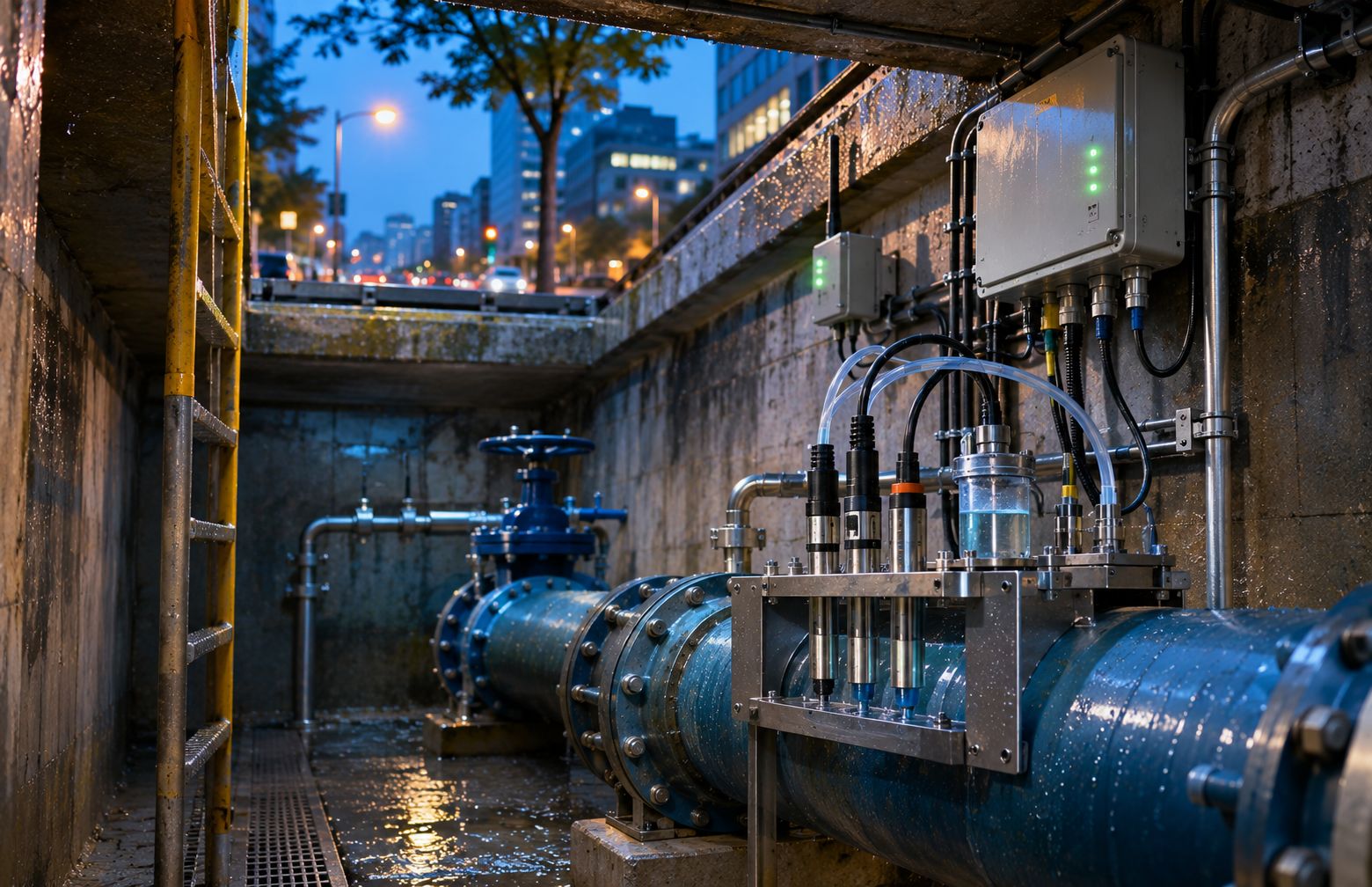
Real-time monitoring depended on continuous measurement transmission from multiple field probes to remote processing infrastructure.
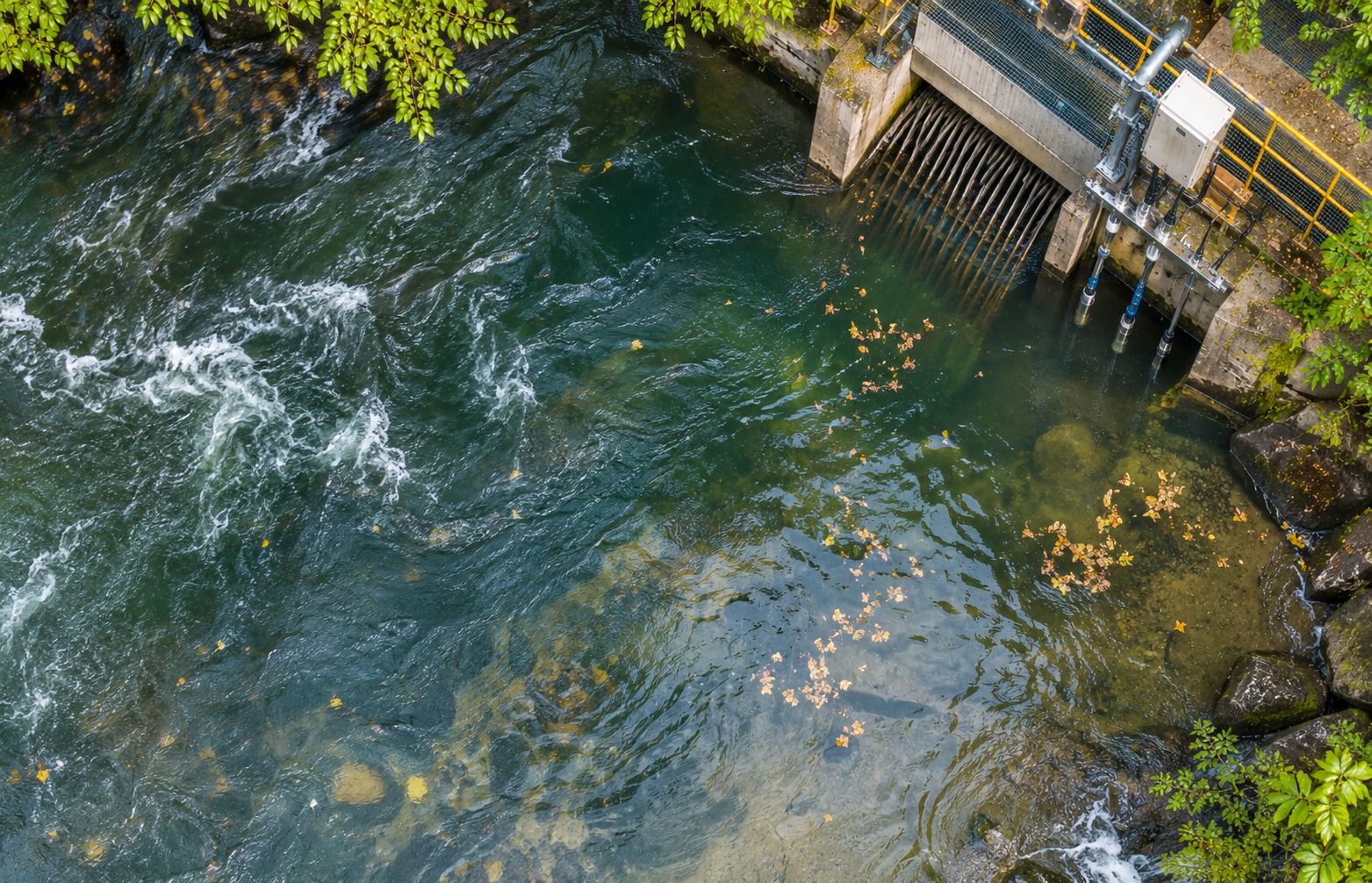
Normal operational and seasonal changes can alter readings, so the system needed to identify patterns that warranted investigation without treating every fluctuation as a contamination event.
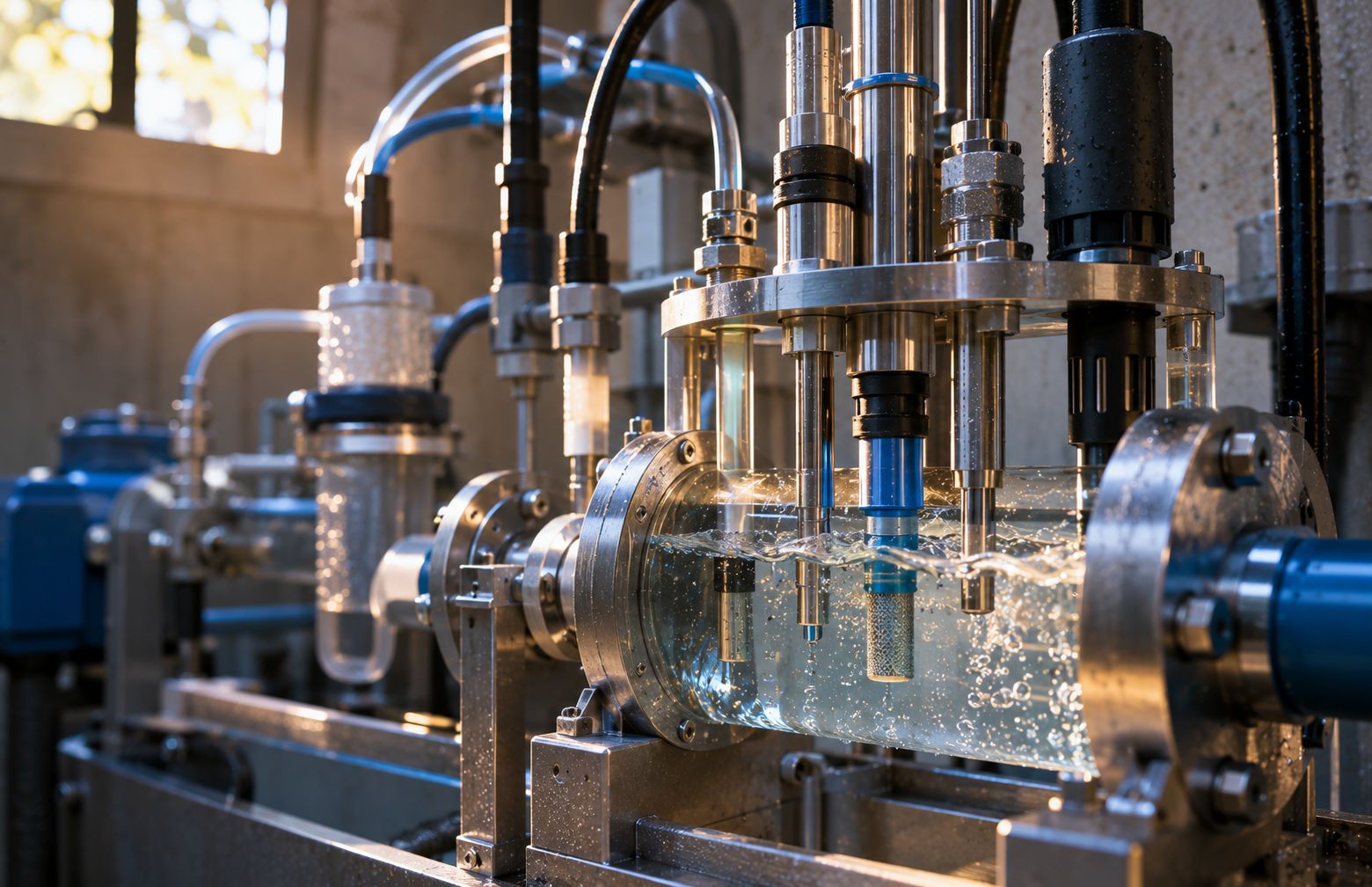
Potential contamination could not be assessed through isolated thresholds alone; relationships across several physical and chemical parameters needed to be examined together
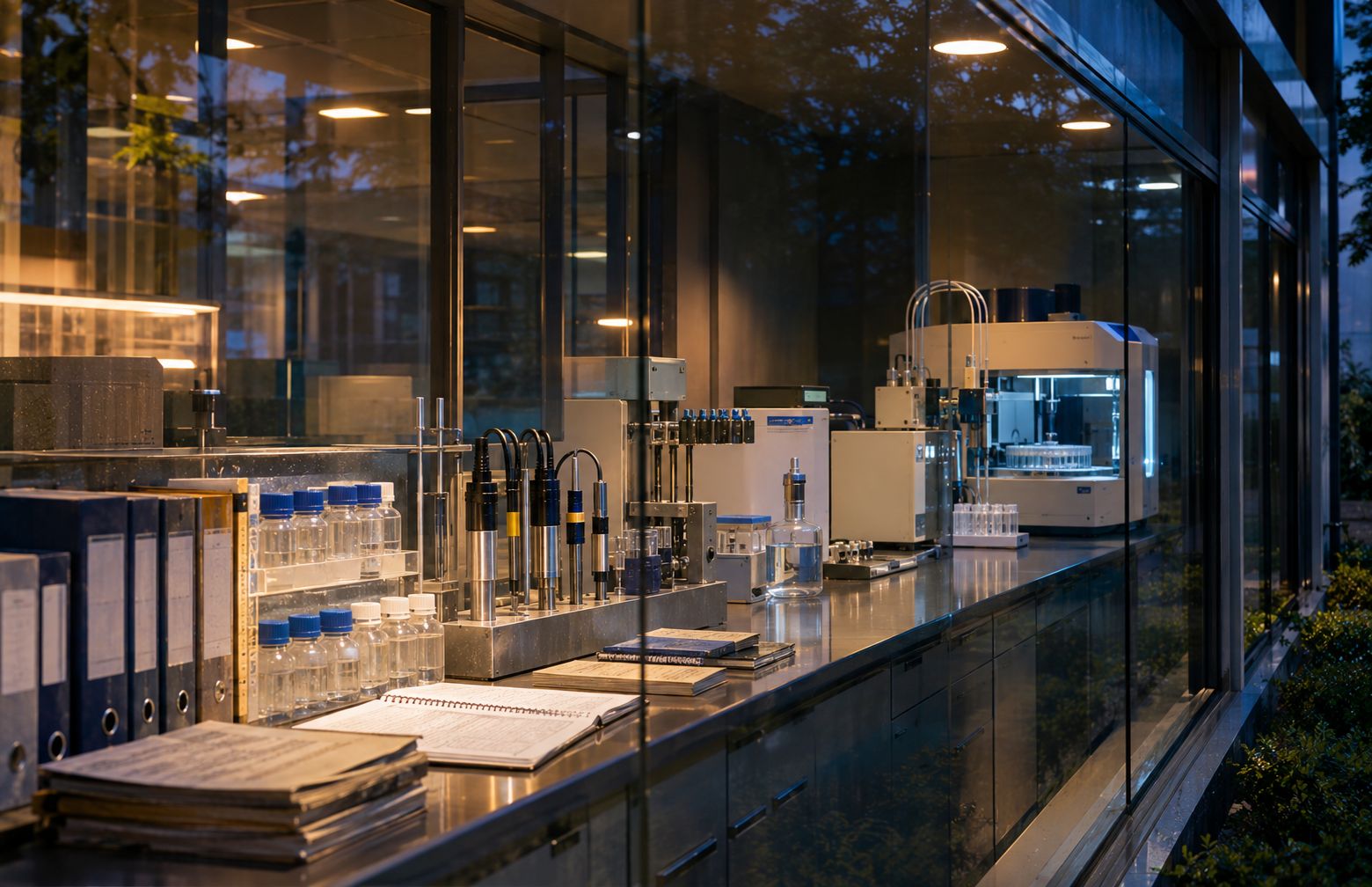
Detection logic needed to incorporate growing operational data and observed cases so abnormal physico-chemical signatures could be identified more effectively over time.
NTT DATA connected field probes to remote processing infrastructure, where event-stream analysis examined incoming water-quality measurements and correlations across parameters. Machine-learning methods were applied to the physico-chemical fingerprint of the water, while the distributed architecture supported comparison of alerts across monitoring points and over time.

Connected probes captured water-quality measurements and transmitted them continuously to remote processing infrastructure.
Incoming measurements were analysed through event processing so patterns and correlations across multiple parameters could be examined as conditions changed.
Machine-learning methods analysed the combined physico-chemical fingerprint to identify conditions compatible with anomalous events and strengthen detection logic over time.
The distributed architecture allowed alerts from multiple monitoring points to be compared geographically and over time, supporting investigation across a wider supply system.
The documented reference records 66 alerts across five locations during 2021 and 2022. These are alerts generated by the monitoring system, not necessarily 66 confirmed contamination incidents. The documented outcome is earlier situational awareness through a reusable real-time monitoring architecture. The source does not quantify alert precision, false-positive rate, response-time improvement or resilience gains.
success stories