- All Foundries

- Commodity Management & Trading

- Customer & Marketing Strategy

- Digital Engineering

- Station Studio

- Supply Chain & Industry 5.0

- Sustainability

- Physical AI

- Next-Gen Infrastructure














Unlocking grid capacity with dynamic ratings and grid-enhancing technologies
Dynamic ratings give you capacity from assets already in service. The work is to make this data trusted and usable inside daily operations, alongside traditional reinforcement.

Lines and transformers carry more load when real weather and asset conditions allow, within approved safety margins.
Operators see where and when extra capacity exists, ahead of time and with a confidence level.
Planners and control rooms work from the same dynamic capacity data.
Historical results show where dynamic operation is enough and where reinforcement is still required.
How NTT DATA helps
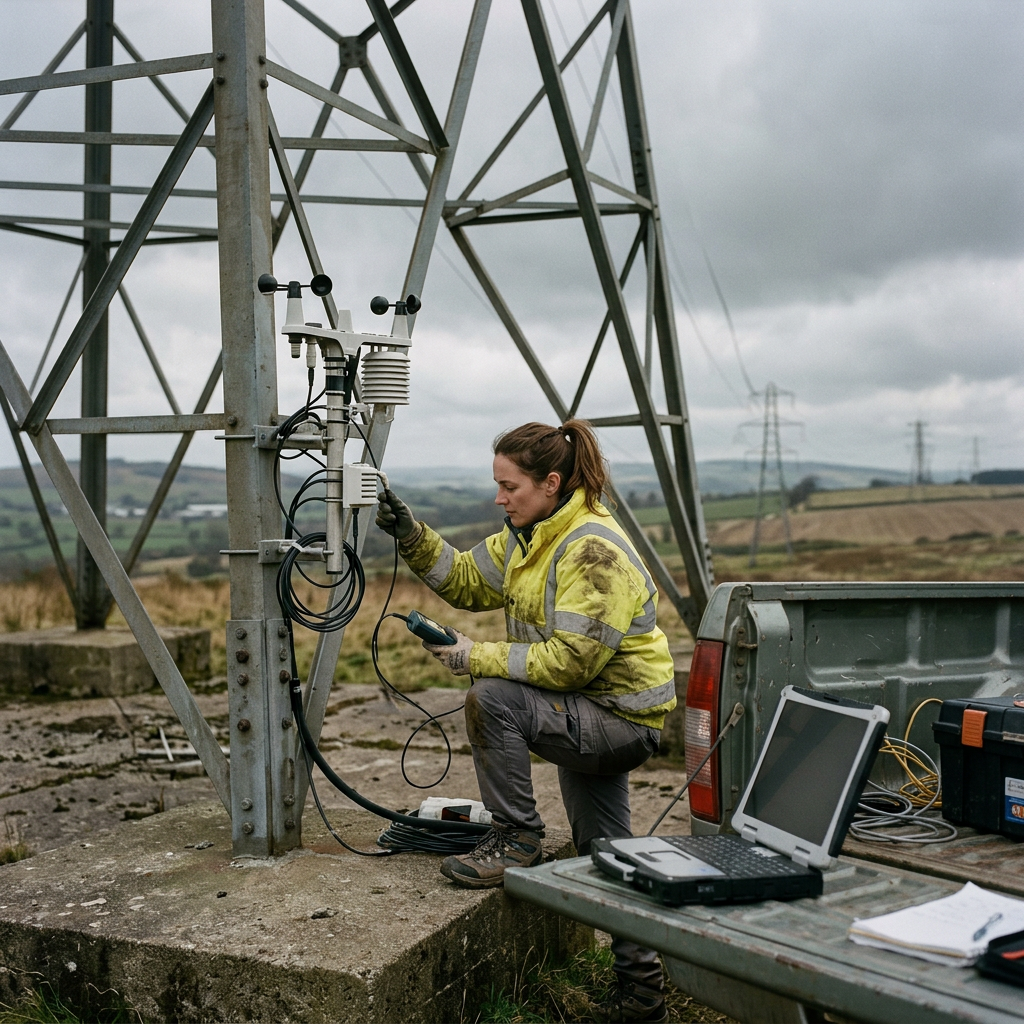
Integrate weather, conductor or transformer measurements, asset characteristics and network context into a common operational data layer.
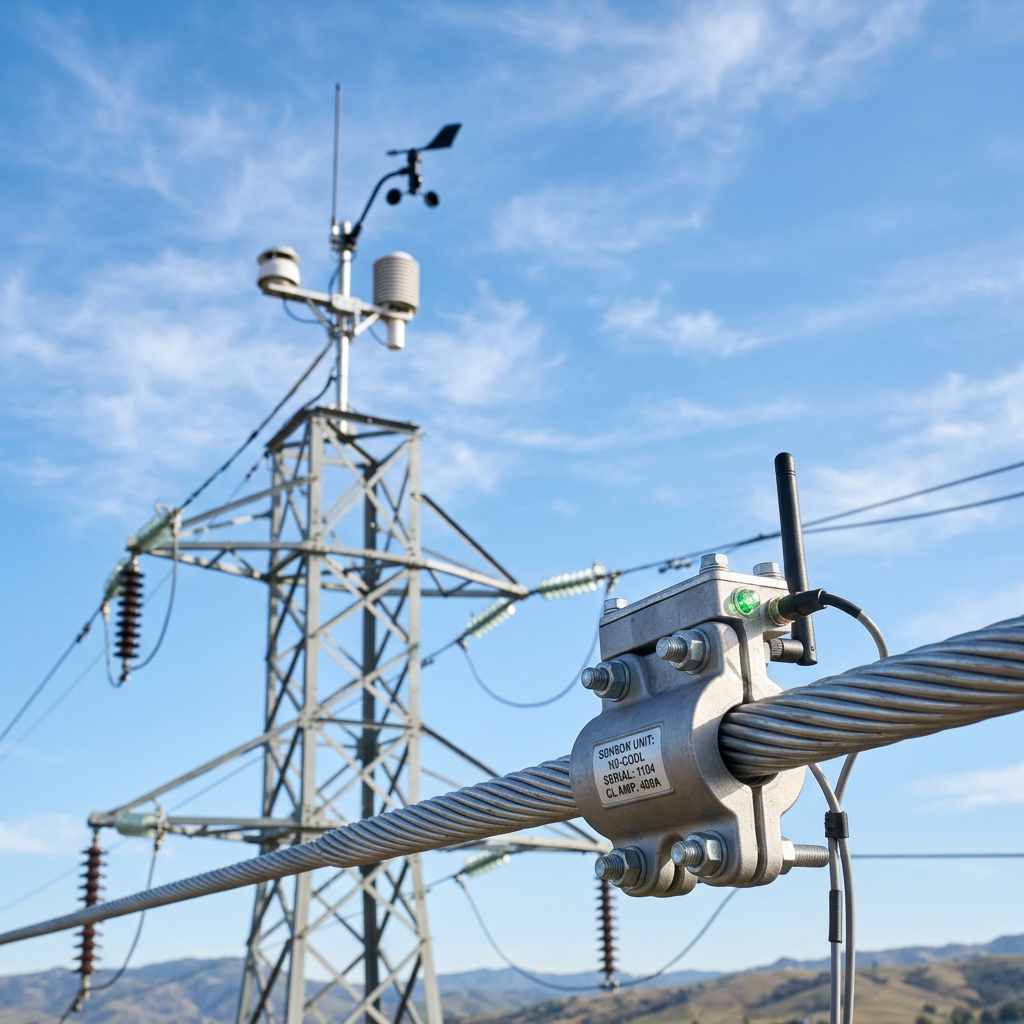
Run approved rating models and analytics to estimate time-varying capacity and confidence levels.

Expose dynamic capacity information to planning and control workflows through secure interfaces.

Monitor data quality, communications health and model validity, with conservative fallback mechanisms.
Use historical results to quantify where dynamic operation creates the most value and where reinforcement is still required.


Weather, sensor and asset data show where lines and transformers carry more load, so reinforcement goes to the real constraints.
Dynamic ratings release headroom on lines and transformers already in service.
Operators plan around capacity forecasts instead of static limits.
Planning and operations use the same figures.
Investment goes to constraints dynamic operation does not solve.
Assess your network constraints, validate the data and operating model, and define a pragmatic path from pilot to scale.