








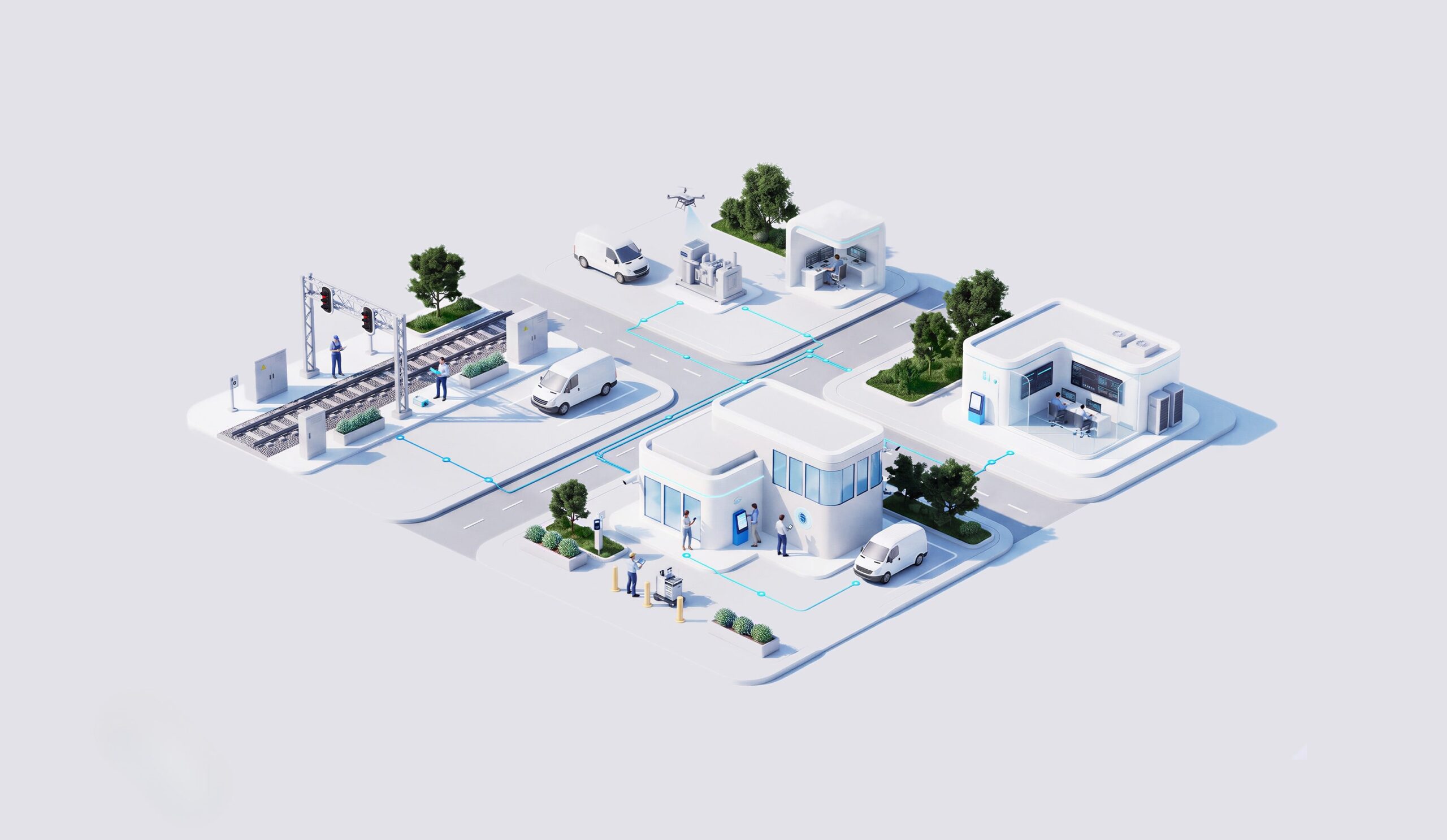



Transmission planner below high-voltage lines on a windy day, conditions behind dynamic line ratings.
心を動かす会話

Unlocking grid capacity with dynamic ratings and grid-enhancing technologies

Transmission and distribution networks face rising demand for capacity while new infrastructure can take years to plan and build.
会議のスケジューリング
ポッドキャストを聴く
-15
+15
0:00
/
0:00
New network capacity takes years to build. Dynamic ratings use weather, sensor and asset data to show how much more load your existing lines and transformers carry today.
Why THIS “Unlocking grid capacity with dynamic ratings and grid-enhancing technologies” challenge?
Dynamic ratings and grid-enhancing technologies matter because the fastest megawatt of new network capacity may sometimes come from better use of infrastructure already in service.

Dynamic ratings give you capacity from assets already in service. The work is to make this data trusted and usable inside daily operations, alongside traditional reinforcement.

主なメリット
More capacity from the grid you already run
チェックアイコン
Higher utilisation of existing network assets

Lines and transformers carry more load when real weather and asset conditions allow, within approved safety margins.

チェックアイコン
Faster identification of temporary capacity headroom

Operators see where and when extra capacity exists, ahead of time and with a confidence level.

チェックアイコン
Better coordination between planning and operations

Planners and control rooms work from the same dynamic capacity data.

チェックアイコン
More targeted reinforcement and investment decisions

Historical results show where dynamic operation is enough and where reinforcement is still required.

NTTデータのサポート体制は?

01
Common operational data layer

Integrate weather, conductor or transformer measurements, asset characteristics and network context into a common operational data layer.
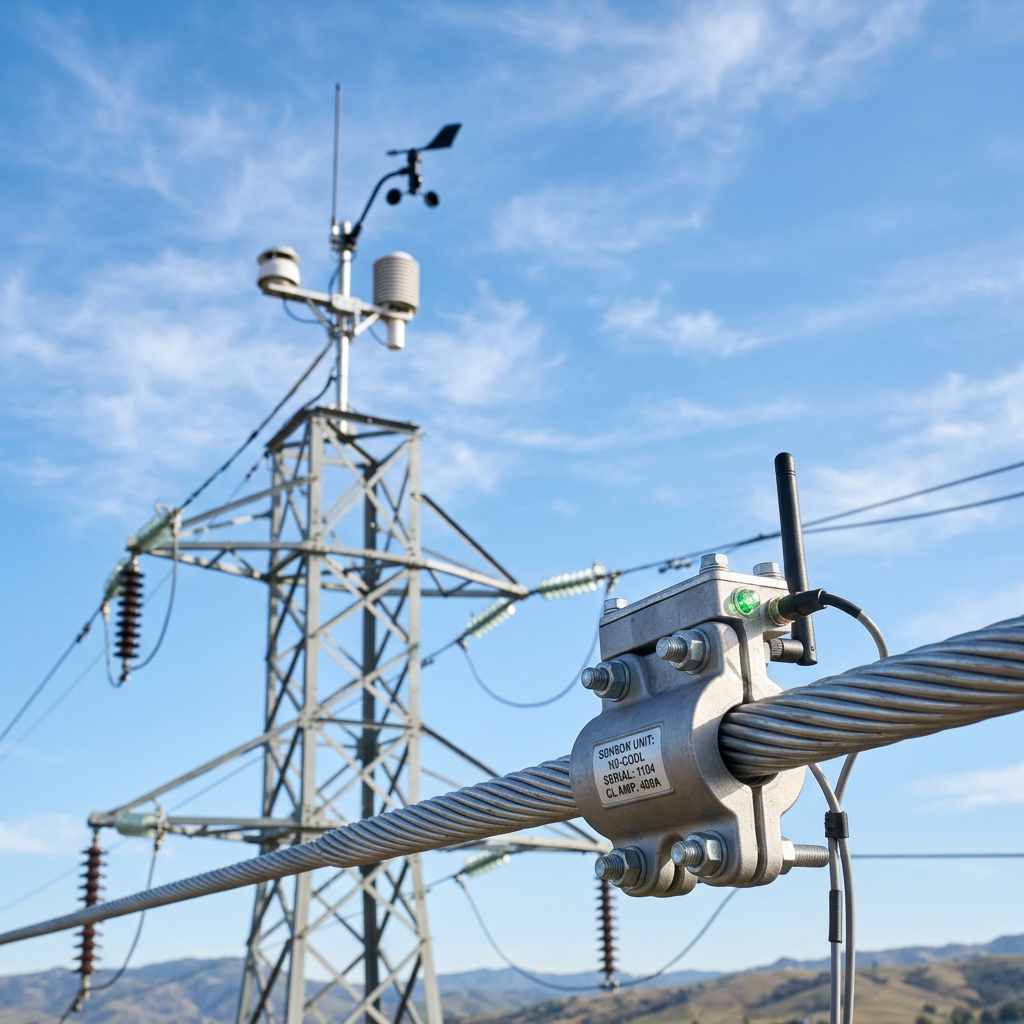
Conductor sensor and weather station feeding a common operational data layer.
02
Approved rating models

Run approved rating models and analytics to estimate time-varying capacity and confidence levels.

Engineers testing conductor behavior to validate a dynamic rating model.
03
Capacity data in planning and control

Expose dynamic capacity information to planning and control workflows through secure interfaces.

Control-room operator using dynamic capacity data in daily operations.
04
Data quality and fallback

Monitor data quality, communications health and model validity, with conservative fallback mechanisms.
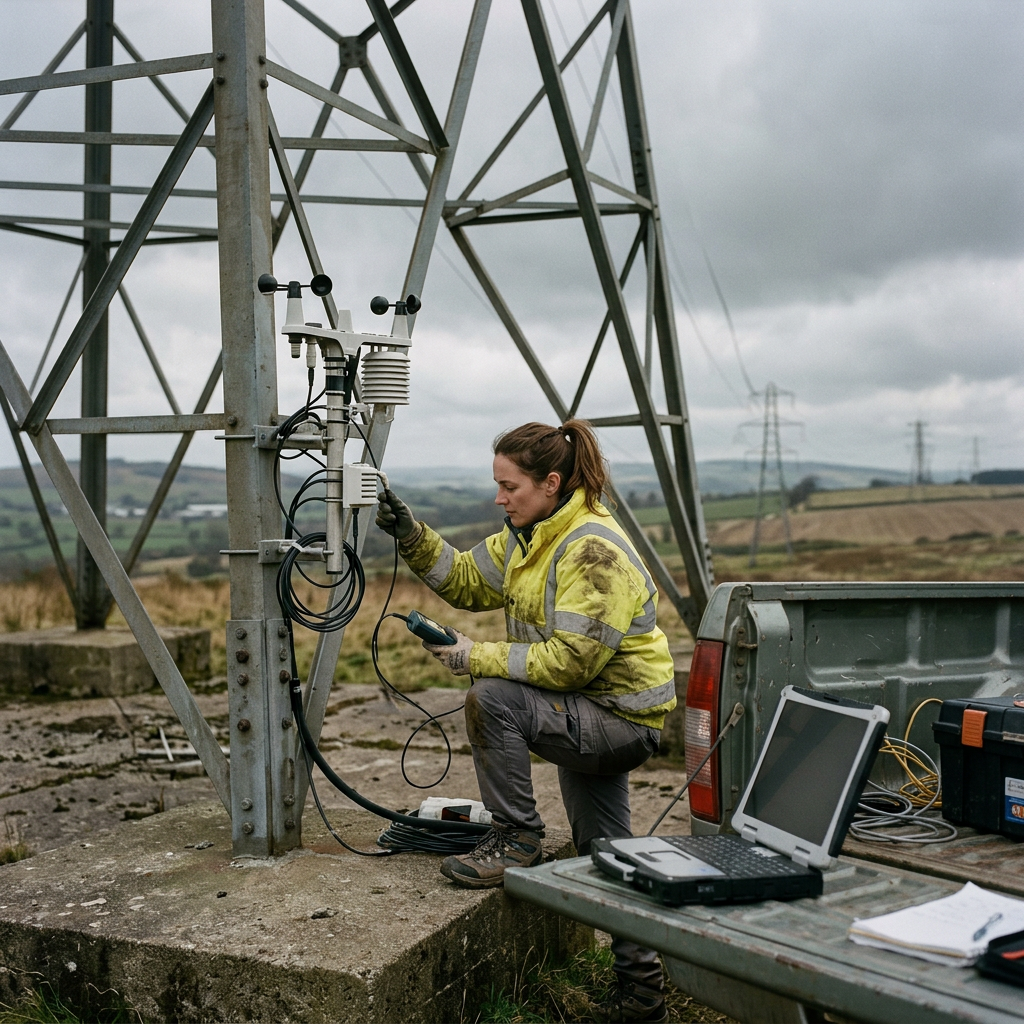
Field technician checking sensor data quality at a transmission tower.
05
Value and reinforcement analysis

Use historical results to quantify where dynamic operation creates the most value and where reinforcement is still required.


Network maps compared to decide where reinforcement is still required.
Transmission lines crossing a valley at sunset, existing capacity used more fully.
実証済みの効果
Headroom found in assets already in service

Weather, sensor and asset data show where lines and transformers carry more load, so reinforcement goes to the real constraints.

重要な結果
Capacity results to track
チェックアイコン
More capacity from existing assets

Dynamic ratings release headroom on lines and transformers already in service.

チェックアイコン
Earlier view of headroom

Operators plan around capacity forecasts instead of static limits.

チェックアイコン
Shared capacity data

Planning and operations use the same figures.

チェックアイコン
Reinforcement where needed

Investment goes to constraints dynamic operation does not solve.

Get more capacity from the grid you have

Assess your network constraints, validate the data and operating model, and define a pragmatic path from pilot to scale.


ドラッグ