Generative Design for Infrastructure
Talks that move

Generative Design for Infrastructure

Use advanced algorithms to explore, evaluate, and optimize design alternatives based on cost, performance, and sustainability objectives
Schedule a meeting
Listen podcast
-15
+15
0:00
/
0:00
Infrastructure design decisions are often made by evaluating a limited number of alternatives, restricting the ability to balance cost, performance, and sustainability in increasingly complex projects
WHY THIS “GENERATIVE DESIGN FOR INFRASTRUCTURE” CHALLENGE?
Design outcomes are constrained by how many options can realistically be explored

Time, cost, and engineering effort typically limit analysis to a small set of scenarios, making it difficult to fully understand trade-offs or identify higher-performing design solutions

Key benefits
Expanding design exploration to improve outcomes

More options, better trade-offs, stronger decisions

check icon
Exploration of thousands of design alternatives

Generate and evaluate a wide solution space beyond what manual approaches can cover

check icon
Optimization across multiple criteria

Balance cost, performance, and sustainability simultaneously within defined constraints

check icon
Faster evaluation and decision cycles

Reduce time spent analyzing alternatives while increasing depth of insight

check icon
Improved consistency and quality of designs

Use structured algorithms to support repeatable and transparent decision-making.

How NTT DATA helps

01
Defining design objectives and constraints

Establish clear parameters to guide algorithm-driven exploration

Defining design objectives and constraints
02
Integrating relevant input data

Incorporate geometry, topography, materials, and cost variables into the models

Integrating relevant input data
03
Developing parametric and generative algorithms

Build models capable of producing and evaluating multiple design scenarios

Developing parametric and generative algorithms
04
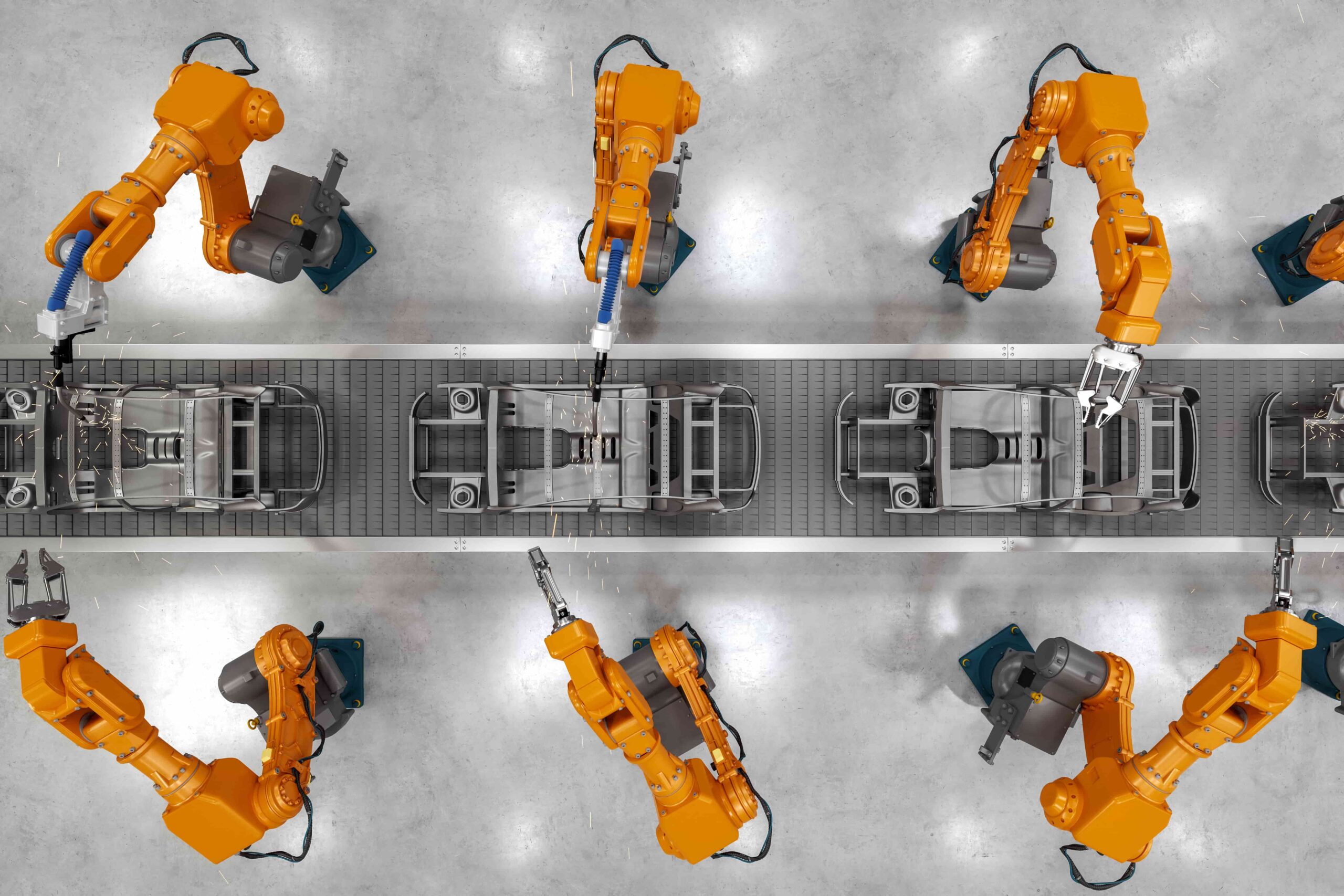
Automating evaluation of alternatives

Assess performance across criteria to identify optimal solutions
Automating evaluation of alternatives
05
Integrating outputs into engineering workflows

Connect results with BIM models, cost estimation, and reporting processes

Integrating outputs into engineering workflows
Enabling engineering teams
Proven impact
Enabling engineering teams to identify higher-performing design solutions by systematically exploring and evaluating a broader range of alternatives
Results that matter
Measurable improvements in design efficiency, cost, and decision quality:
check icon
Reduced time to evaluate design alternatives

Automation accelerates analysis without compromising depth

check icon
Lower construction and lifecycle costs

Optimization identifies more cost-efficient solutions early in the process

check icon
Reduced environmental impact

Sustainability criteria are embedded directly into design decisions

check icon
Better-informed and traceable decisions

Structured evaluation improves transparency and confidence in outcomes

Explore more design alternatives to identify optimal infrastructure solutions

Improve performance, cost, and sustainability outcomes
Drag